
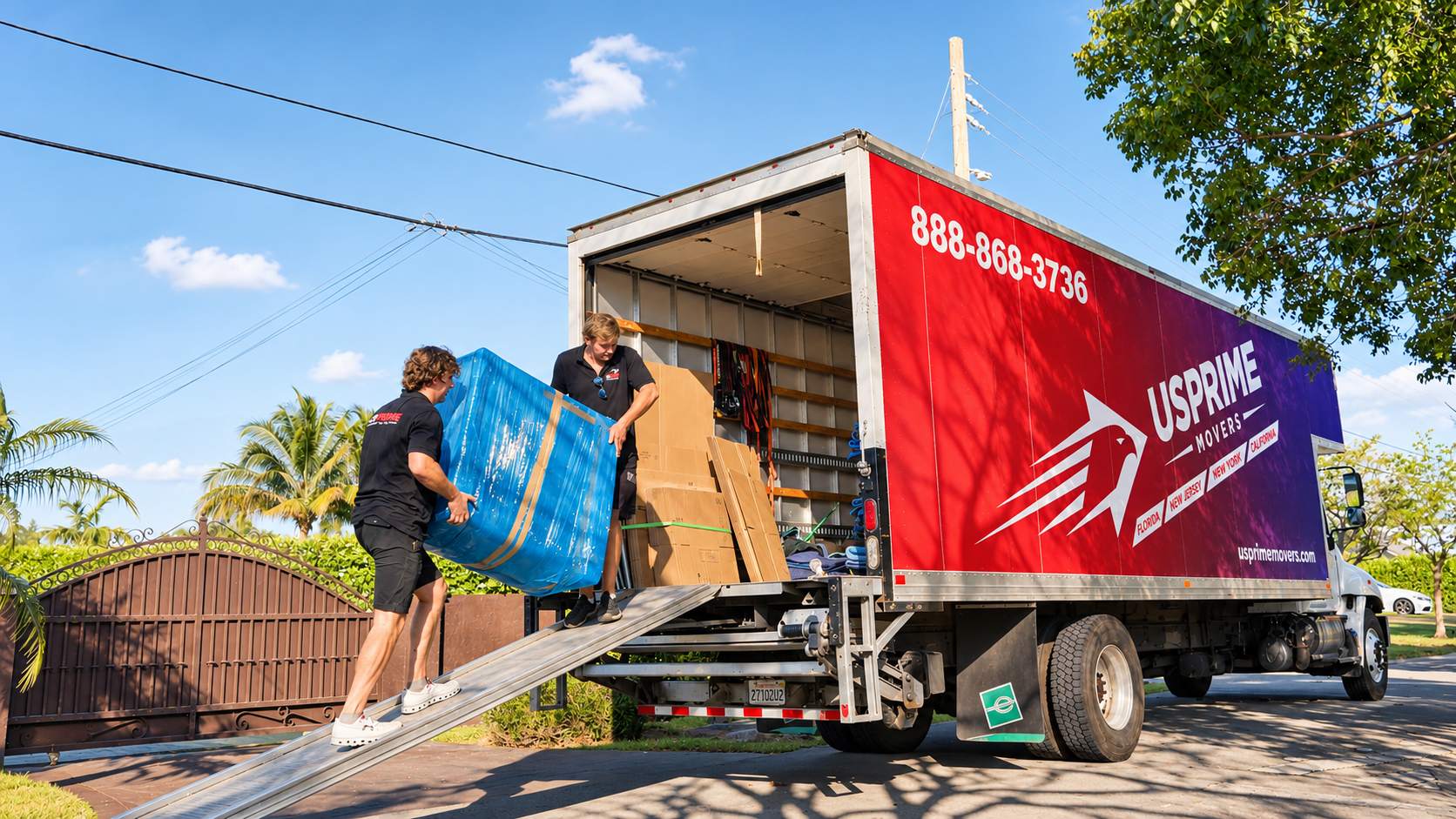
Relocating in the Pacific Northwest requires careful planning, particularly when navigating Seattle's unique challenges. From steep hills and narrow streets to complex parking regulations and unpredictable weather, choosing experienced seattle movers makes a substantial difference in your moving experience. Whether you're planning a local move within King County or a cross-country relocation, understanding the process, costs, and requirements helps you make informed decisions and avoid common pitfalls that can derail your timeline or budget.
Understanding Seattle Moving Costs and Timelines
Moving expenses vary significantly based on distance, volume, and services required. Seattle moving costs depend on several factors including the size of your home, accessibility challenges, and whether you need additional services like packing or storage.
For local moves within Seattle, expect to pay between $400 and $2,500 depending on home size. A one-bedroom apartment typically costs $400 to $800, while a three-bedroom house ranges from $1,200 to $2,500. These estimates assume a move within 50 miles and include basic loading, transportation, and unloading.
Long-distance relocations from Seattle carry different pricing structures. Most long-distance movers charge based on weight and distance, with costs ranging from $2,000 to $8,000 for typical household moves. Cross-country relocations from Seattle to the East Coast typically fall between $4,500 and $8,000 for a three-bedroom home.

Seasonal Pricing Variations
Seattle movers experience peak demand from May through September when weather conditions are most favorable. During these months, prices increase by 20 to 30 percent compared to winter rates. February and March offer the most competitive pricing, though weather unpredictability requires flexibility.
Peak season considerations:
- Book 6-8 weeks in advance during summer months
- Expect higher rates on weekends and month-end dates
- Mid-week moves offer savings of 15-25 percent
- Winter moves require weather contingency planning
Timeline planning proves equally important. Local moves typically require 2-4 weeks of preparation, while interstate relocations need 6-8 weeks minimum. Factor in additional time if you're selling a home, transferring utilities, or coordinating with building management.
Navigating Seattle's Permit and Parking Requirements
Seattle's dense urban environment creates unique logistical challenges that professional seattle movers navigate daily. Parking permits for moving trucks prevent costly delays and potential citations during your relocation.
The Seattle Department of Transportation requires temporary no-parking zones for moving trucks in most neighborhoods. These permits cost $65 for up to three days and must be posted at least 72 hours before your move date. Applications are processed online through the city's permit portal, though processing can take up to five business days.
Permit Application Process
| Step | Action Required | Timeline | Cost |
|---|---|---|---|
| 1 | Identify required parking zones | 2-3 weeks before | Free |
| 2 | Submit online application | 10-14 days before | $65 per zone |
| 3 | Receive approval | 5 business days | Included |
| 4 | Post signs at location | 72 hours before | Included |
High-rise buildings and condominiums add complexity. Most require certificate of insurance from your moving company, elevator reservations, and specific loading dock times. Schedule these arrangements 4-6 weeks in advance, as popular buildings book quickly during peak season.
Storage container and dumpster permits become necessary when you need temporary storage solutions during your transition. These permits cost $125 for containers placed in the right-of-way and require separate applications from moving truck permits.
Choosing Reliable Seattle Movers
Selecting trustworthy movers protects your belongings and ensures regulatory compliance. Washington State requires all moving companies to maintain proper licensing through the Washington Utilities and Transportation Commission. Verify credentials before signing contracts or paying deposits.
Essential verification steps:
- Confirm Washington State moving license number
- Verify federal DOT number for interstate moves
- Review current insurance certificates
- Check Better Business Bureau ratings and complaint history
- Read recent customer reviews on multiple platforms
Professional seattle movers provide detailed written estimates after conducting in-home assessments. Avoid companies offering quotes over the phone without seeing your belongings, as these estimates often increase dramatically on moving day. Reputable companies like US Prime Movers conduct thorough walkthroughs to provide accurate pricing.
Red Flags to Avoid
Watch for warning signs that indicate potential problems. Companies demanding large cash deposits, lacking proper business addresses, or using rental trucks instead of branded fleet vehicles often deliver poor service or worse. Washington State law prohibits movers from requiring more than 25 percent deposit before the move date.
Binding estimates protect you from surprise charges, though they require accurate inventory disclosure. Non-binding estimates provide approximate costs but allow final charges to fluctuate based on actual weight or time. Binding not-to-exceed estimates offer the best protection, establishing a price ceiling while allowing charges to decrease if actual services cost less.

Preparing for Your Seattle Move
Successful relocations require systematic preparation beginning 8-12 weeks before your move date. Create a detailed timeline that accounts for Seattle-specific challenges including weather contingencies and permit processing times.
Start by decluttering and inventorying your belongings. Seattle's robust donation network includes Goodwill, Value Village, and numerous specialty organizations accepting furniture, clothing, and household items. Schedule donation pickups 3-4 weeks before your move to ensure availability.
Week-by-Week Preparation Timeline
8-12 weeks before:
- Research and book seattle movers
- Submit building or HOA moving notifications
- Begin decluttering and donation scheduling
- Order packing supplies if self-packing
6-8 weeks before:
- Apply for parking permits
- Reserve elevator or loading dock
- Transfer or cancel utilities
- Update address with postal service
4-6 weeks before:
- Begin packing non-essential items
- Confirm moving dates and details
- Arrange childcare or pet care for moving day
- Photograph valuable items for insurance
2-4 weeks before:
- Pack remaining items except essentials
- Confirm parking permit posting
- Prepare first-night box with essentials
- Review and sign final moving documents
Professional packing services eliminate stress and ensure proper protection for your belongings. Experienced packers complete full-home packing in one to two days, using industry-grade materials and techniques that minimize breakage risk. While adding $500 to $2,500 to your moving costs, professional packing proves valuable for fragile items, extensive collections, or time-constrained relocations.
Special Considerations for Seattle Relocations
Seattle's geography and infrastructure create unique moving challenges. Steep hills, narrow streets, and limited parking access in neighborhoods like Queen Anne, Capitol Hill, and Magnolia require experienced navigation. Professional seattle movers familiar with these areas plan routes that accommodate large trucks and minimize complications.
Weather unpredictability necessitates contingency planning year-round. Rain occurs 150 days annually in Seattle, requiring proper protection for furniture and boxes. Reputable movers use waterproof padding, shrink wrap, and covered trucks to protect belongings regardless of conditions.
Neighborhood-specific challenges:
- Capitol Hill: Steep grades, limited street parking, frequent construction zones
- Queen Anne: Narrow access roads, elevation changes, restricted truck routes
- Ballard: Tight alley access, historic building constraints, congested commercial areas
- West Seattle: Bridge access considerations, ferry coordination for island destinations
Handling Specialty Items
Pianos, antiques, and artwork require specialized moving expertise. Seattle's climate extremes (rain and occasional freezing temperatures) create additional protection requirements for sensitive items. Temperature-controlled transportation becomes essential for antiques and fine art during winter months.
Piano moving specialists use custom equipment including piano boards, dollies, and padding designed specifically for these instruments. Costs range from $300 to $1,500 depending on piano type, stairs, and distance. Grand pianos require additional labor and specialized rigging equipment, particularly in multi-story homes.
Interstate Moves from Seattle
Relocating from Seattle to another state involves federal regulations and additional planning requirements. Interstate movers must maintain Federal Motor Carrier Safety Administration registration and provide specific customer protections under federal law.
Popular relocation routes from Seattle include moves to California, Texas, Arizona, and Colorado. Each destination presents unique timeline and cost considerations. Seattle to Los Angeles typically takes 2-3 days with costs ranging from $3,500 to $6,500 for a three-bedroom home. Cross-country moves to New York or Florida require 7-10 days and cost $5,000 to $9,000.
| Destination | Distance | Transit Time | Average Cost (3BR) |
|---|---|---|---|
| Los Angeles | 1,135 mi | 2-3 days | $3,500-$6,500 |
| Denver | 1,318 mi | 3-4 days | $4,000-$7,000 |
| Austin | 2,135 mi | 5-7 days | $4,500-$7,500 |
| New York | 2,852 mi | 7-10 days | $5,500-$9,000 |

Interstate regulations require movers to provide a copy of "Your Rights and Responsibilities When You Move" booklet published by FMCSA. This document explains valuation options, claim procedures, and your rights if disputes arise. Read this information carefully before signing contracts.
Storage Solutions During Transitions
Many Seattle relocations require temporary storage when closing dates don't align or destination homes aren't ready. Moving and storage services provide flexibility by warehousing belongings until you're ready for delivery.
Storage costs vary based on volume and duration. Expect to pay $150 to $300 monthly for a one-bedroom apartment's contents, or $400 to $800 monthly for a three-bedroom home. Climate-controlled storage adds 30-50 percent to monthly costs but protects sensitive items from Seattle's humidity fluctuations.
Protecting Your Belongings and Rights
Understanding insurance options prevents financial loss if damage occurs. Basic carrier liability (60 cents per pound per article) comes standard but provides minimal protection. A damaged 50-pound television would receive $30 compensation under basic coverage regardless of actual value.
Full value protection costs 1-3 percent of declared shipment value but covers repair, replacement, or cash settlement at current market value. For a $50,000 shipment, full value protection costs $500 to $1,500, providing comprehensive coverage for your belongings.
Insurance coverage options:
- Released Value: Free, 60 cents per pound per article, minimal protection
- Full Value Protection: 1-3% of shipment value, comprehensive coverage, repair or replacement
- Third-Party Insurance: Independent policies, customizable coverage, potentially lower cost
- Homeowners/Renters Policy: Check existing coverage, may include moving coverage
Document your belongings thoroughly before seattle movers arrive. Photograph or video all items, noting existing damage or wear. This documentation proves invaluable if filing claims becomes necessary. Create a detailed inventory list with descriptions, estimated values, and photos for high-value items.
Tenant Rights and Moving Regulations
Seattle renters must understand their rights when planning relocations. Tenant protection laws require specific notice periods and outline landlord responsibilities regarding deposits and property condition.
Month-to-month tenants must provide 20 days written notice before vacating. Fixed-term leases require fulfilling the complete term or paying early termination fees outlined in your lease agreement. Review your lease carefully to understand financial obligations and notice requirements.
Security deposit return timelines vary by circumstance. Landlords must return deposits within 21 days after move-out, accompanied by itemized deductions for damages beyond normal wear. Photographing your apartment before moving out protects you from unfair deduction claims.
Move-Out Inspection Best Practices
Schedule a walk-through inspection with your landlord or property manager before your final move-out date. This meeting identifies potential issues requiring attention before you vacate. Address minor repairs like nail holes, deep cleaning, or carpet stains to maximize your deposit return.
Professional cleaning services cost $200 to $500 for apartment move-out cleaning but often prove worthwhile investments. Many property management companies require professional cleaning receipts to return full deposits, particularly for carpet cleaning in units with pets.
Coordinating Complex Seattle Moves
Multi-story homes and buildings without elevator access require additional planning and labor. Seattle's housing stock includes numerous vintage homes with steep staircases, narrow doorways, and limited truck access. Professional movers assess these challenges during estimates and plan accordingly.
Long-carry charges apply when parking restrictions force trucks to park more than 75 feet from building entrances. These fees range from $75 to $300 depending on distance and volume. Seattle's parking challenges make long-carry situations common in dense neighborhoods.
Additional service fees to anticipate:
- Stairs: $50-$150 per flight beyond the first floor
- Long carry: $75-$300 when truck parks over 75 feet away
- Shuttle service: $200-$500 when large trucks can't access location
- Bulky items: $50-$200 per item for extremely large or awkward pieces
- Weekend/holiday: 20-30% surcharge for peak day moves
Coordinating building access proves essential for high-rise relocations. Most Seattle apartment buildings and condominiums require advance notice, elevator reservations, and proof of insurance from your moving company. Submit these requests 4-6 weeks before your move date to ensure approval and availability.
Military and Specialized Relocations
Service members relocating to or from Joint Base Lewis-McChord or other military installations face unique requirements. Military moving services understand PCS timelines, weight allowances, and documentation requirements specific to military relocations.
The military provides weight allowances based on rank and dependent status, ranging from 5,000 pounds for junior enlisted to 18,000 pounds for senior officers. Exceeding these allowances results in out-of-pocket expenses for excess weight. Professional military movers help you stay within allowances through careful planning and prioritization.
PCS orders typically allow 7-14 days for household goods moves, though actual timelines depend on distance and availability. Book military movers immediately upon receiving orders, as summer PCS season creates high demand and limited availability.
Final Moving Day Preparation
Moving day success requires organization and clear communication. Prepare a moving day essentials box containing important documents, medications, chargers, snacks, and first-night necessities. Keep this box with you rather than loading it on the truck.
Conduct a final walkthrough before seattle movers arrive. Ensure all items are ready for loading, closets and cabinets are empty, and utilities remain active until after movers complete loading. Disconnect and prepare appliances according to manufacturer guidelines or arrange for professional disconnection services.
Moving day checklist:
- Verify parking permits are properly posted
- Ensure building access is arranged and confirmed
- Keep pets and children in safe, separate area
- Have payment method ready (check company requirements)
- Maintain clear communication path with moving crew lead
- Conduct final walkthrough of each room
- Document meter readings for utilities
- Secure keys and access devices for final return
Review the bill of lading carefully before signing. This document serves as your contract and receipt, listing all items being transported. Note any pre-existing damage to furniture or boxes on the inventory sheet. These notations protect you if filing claims becomes necessary after delivery.
Maintain contact information for your moving coordinator throughout transit. Most household movers provide tracking updates during long-distance relocations, though communication frequency varies by company. Confirm delivery windows and contact procedures before your belongings depart.
Planning a Seattle relocation requires attention to unique local regulations, weather considerations, and logistical challenges that experienced professionals navigate daily. Whether you're moving locally within the Pacific Northwest or relocating across the country, choosing qualified seattle movers ensures your belongings arrive safely while minimizing stress throughout the process. US Prime Movers specializes in long-distance and interstate relocations with transparent pricing, comprehensive insurance options, and professional service teams trained to handle everything from standard household moves to specialty items requiring extra care. Contact us today for a free, no-obligation quote for your upcoming relocation.