
Relocating your entire household across state lines represents one of the most significant logistical challenges most families face. Whether you're moving for a new job, military orders, or simply seeking a fresh start, selecting the right household movers can mean the difference between a smooth transition and a stressful nightmare. Withapproximately 27 million Americans relocating annually, the moving industry has evolved to offer specialized services tailored to every type of household relocation. Understanding what professional household movers provide, how to evaluate them, and what to expect during the process empowers you to make informed decisions that protect your belongings and your budget.
Understanding Professional Household Movers
Professional household movers specialize in transporting residential belongings from one location to another, offering services that range from basic loading and transportation to comprehensive door-to-door solutions. These companies employ trained crews equipped with proper tools, vehicles, and insurance coverage necessary for protecting your possessions during transit.
The scope of services varies significantly among providers. Full-service household movers handle every aspect of your relocation, including packing, loading, transportation, unloading, and even unpacking at your destination. Limited-service options allow you to handle some tasks yourself while professionals manage the heavy lifting and transportation.
Types of Household Moving Services
Different relocation scenarios require different approaches. Understanding these categories helps you identify the right service level for your needs.
Local household moverstypically handle relocations within the same metropolitan area or within 100 miles. These companies charge hourly rates and complete most moves in a single day.Long-distance household moversspecialize in interstate relocations exceeding 100 miles, operating under different regulations and pricing structures based on weight and distance.
Specialty household moversfocus on particular items requiring extra care. Piano movers, antique specialists, and fine art handlers possess the training and equipment necessary for fragile or valuable possessions. Many comprehensivelong-distance moversincorporate specialty services into their offerings, eliminating the need to coordinate multiple companies.

Evaluating Household Movers: What to Look For
Selecting household movers requires careful research and comparison. Not all moving companies operate with the same standards, and the wrong choice can result in damaged belongings, unexpected fees, or complete service failures.
Licensing and Insurance Requirements
Interstate household movers must register with the Federal Motor Carrier Safety Administration (FMCSA) and obtain a USDOT number. Verify this credential on the FMCSA website before signing any contracts. State-licensed movers operating within a single state must comply with local regulations, which vary by jurisdiction.
Insurance coverage falls into several categories:
- Released value protection (minimum requirement): Covers $0.60 per pound per item
- Full value protection: Reimburses replacement value or repairs damaged items
- Third-party insurance: Additional coverage purchased separately for high-value households
Request proof of insurance and understand exactly what protection your belongings receive during the move. Many homeowners discover too late that basic coverage provides minimal compensation for damaged furniture or electronics.
Red Flags to Avoid
Recognizing warning signs prevents costly mistakes. Household movers who demand large deposits before the move date often operate fraudulent schemes. Legitimate companies typically require payment only upon delivery, though small deposits for confirmed bookings have become more common.
Missing physical addresses or refusal to provide in-home estimates signal potential problems. Professional household movers conduct visual inspections to provide accurate quotes. Companies offering significantly lower estimates than competitors often add hidden fees or hold belongings hostage for additional payment.
According tocommon moving mistakes, failing to read contracts thoroughly leads to disputes over services, timing, and costs. Every clause matters, particularly cancellation policies, delay compensation, and damage claim procedures.
Cost Factors for Household Movers
Understanding pricing structures helps you budget accurately and compare quotes effectively. Household movers calculate costs using multiple variables, creating significant price variations even for similar relocations.
Distance and Weight
Long-distance household movers base pricing primarily on distance traveled and total shipment weight. The industry standard involves weighing the moving truck empty, loading your belongings, and weighing again at a certified scale. You pay for the difference multiplied by a per-pound rate that increases with distance.
| Distance | Average Cost Range | Timeline |
|---|---|---|
| Under 100 miles | $800 - $2,500 | 1 day |
| 500 miles | $2,500 - $4,500 | 2-3 days |
| 1,000 miles | $4,000 - $7,500 | 3-5 days |
| 2,500+ miles | $7,000 - $12,000 | 7-14 days |
These estimates assume a typical three-bedroom household weighing approximately 7,000 pounds. Larger homes or extensive belongings increase costs proportionally.
Additional Service Fees
Household movers charge extra for services beyond basic loading, transportation, and unloading. Packing services typically add $500 to $3,000 depending on household size and material requirements. Many homeowners findprofessional packing servicesworth the investment, as properly packed items sustain significantly less damage during transit.
Specialty itemsrequire additional handling:
- Piano moving: $200 - $1,000 per instrument
- Hot tub or pool table: $300 - $800
- Safe or vault: $200 - $600
- Antiques or artwork: Variable based on value and fragility
Access challengesincrease labor costs. Homes without elevator access, long carrying distances from parking to entrance, or narrow staircases require more time and personnel. Expect surcharges ranging from $75 to $500 for difficult access situations.
Storage needs add monthly fees if your destination isn't ready when household movers arrive. Temporary storage typically costs $75 to $300 monthly depending on the volume of belongings and facility location.
Preparing for Household Movers: A Timeline
Successful relocations require advance planning. Last-minute arrangements limit your options and often result in higher costs or less reliable service.
Eight Weeks Before Moving
Begin researching household movers at least two months before your target move date, particularly during peak season (May through September). Request in-home estimates from at least three companies. These assessments allow movers to evaluate your belongings, identify potential challenges, and provide accurate quotes.
Create a detailed inventory of everything being moved. Document valuable items with photographs and note serial numbers for electronics. This inventory serves multiple purposes: insurance claims if damage occurs, verification that all items arrive at your destination, and helping you decide what to keep versus discard.
Decluttering before household movers arrive saves money. Every pound transported increases your bill on long-distance moves. Consider donating, selling, or discarding items you no longer need. According tomoving industry statistics, the average household accumulates 25 percent more belongings than they actually use regularly.
Four Weeks Before Moving
Finalize your contract with chosen household movers after comparing estimates, verifying credentials, and checking reviews. Read every contract clause carefully before signing. Understand the binding versus non-binding estimate distinction-binding estimates lock in the quoted price, while non-binding estimates can increase if actual shipment weight exceeds the estimate.
Order packing supplies if handling this task yourself. Quality materials matter significantly for protecting belongings during transport. Budget approximately $200 to $400 for boxes, packing paper, bubble wrap, and specialty containers for a typical household.
Begin packing non-essential items like seasonal clothing, decorations, and rarely used kitchen items. Label boxes clearly with contents and destination room. Color-coding systems simplify unpacking tremendously.
Notify important parties of your address change: utilities, banks, insurance companies, subscription services, and government agencies.Setting up address changesearly prevents service interruptions and ensures you receive important correspondence.

Moving Day: What to Expect
Understanding the moving day process reduces stress and helps you coordinate effectively with household movers. Clear communication with your moving crew ensures smooth operations and minimizes potential problems.
Before the Truck Arrives
Complete final packing the night before household movers arrive. Set aside essential items you'll transport personally: medications, important documents, valuables, and items needed immediately upon arrival. Keep these separate from belongings being loaded onto the truck.
Prepare your home for the crew. Clear pathways from rooms to the moving truck. Protect floors with cardboard or plastic runners if household movers don't provide floor protection. Disconnect appliances that require professional service, or arrange for this beforehand.
Conduct a final walkthrough photographing each room's condition. These images provide documentation if disputes arise about property damage during the move.
During Loading
The crew chief typically begins with a walkthrough, noting existing furniture damage and discussing any concerns. This pre-move inspection protects both you and the household movers by establishing baseline conditions.
Watch the process but avoid micromanaging professional crews. Household movers follow systematic loading procedures that maximize truck space and minimize shifting during transit. Items typically load in reverse order of unloading priority-last items on become first items off at your destination.
Key items to monitor:
- Proper furniture padding and wrapping
- Mattress covers protecting bedding from dirt
- Secure stacking preventing items from shifting
- Fragile box placement atop heavier containers
- Load distribution balancing weight properly
Review and sign the bill of lading before the truck departs. This document serves as your receipt and contract for the shipment. Verify the delivery address, contact information, and service details are correct. Keep this document accessible throughout the move-you'll need it upon delivery.
Payment and Delivery
Long-distance household movers typically provide delivery windows rather than specific dates. A seven-day window is standard for cross-country relocations. Track your shipment using the company's tracking system and maintain regular communication with your coordinator.
Payment is usually due upon delivery before unloading begins. Acceptable payment methods vary by company, though many require cash, cashier's check, or money order for the balance. Credit cards may incur processing fees. Confirm payment expectations before moving day to avoid delays.
Inspect belongings as household movers unload. Note any damage immediately on the delivery inventory sheet. Don't sign off on satisfactory delivery until you've verified everything arrived and checked for obvious damage. Filing claims becomes significantly harder after signing a clean delivery receipt.
Special Considerations for Different Household Types
Different living situations present unique challenges when working with household movers. Understanding these considerations helps you plan appropriately and communicate your specific needs.
Apartments and Condominiums
High-rise buildings often require elevator reservations and impose specific moving hours. Contact your building management at least three weeks before your move date to arrange necessary permits and reserve loading areas. Some buildings charge elevator reservation fees or require insurance certificates from household movers.
Parking restrictions in urban areas create additional challenges. Verify whether household movers can park their truck near your building entrance or if shuttle services using smaller trucks become necessary. Shuttle fees typically range from $200 to $800 depending on distance and volume.
Homes with Specialty Items
Collections, antiques, and valuable items require detailed discussions with household movers during the estimate phase. Disclose everything requiring special handling so crews arrive with appropriate equipment and materials.
Piano moves demand specialist knowledge regardless of instrument size. Even small upright pianos weigh 300 to 500 pounds and require specific moving equipment. Grand pianos necessitate partial disassembly, specialized padding, and teams trained in proper handling techniques. If you're relocating a piano, working with experiencedpiano moversprotects your investment and prevents injury.
Large aquariums, gun safes, workshop equipment, and outdoor furniture each present distinct challenges. Providing household movers with complete information during the estimate ensures proper preparation and accurate pricing.
Coordinating Storage with Household Movers
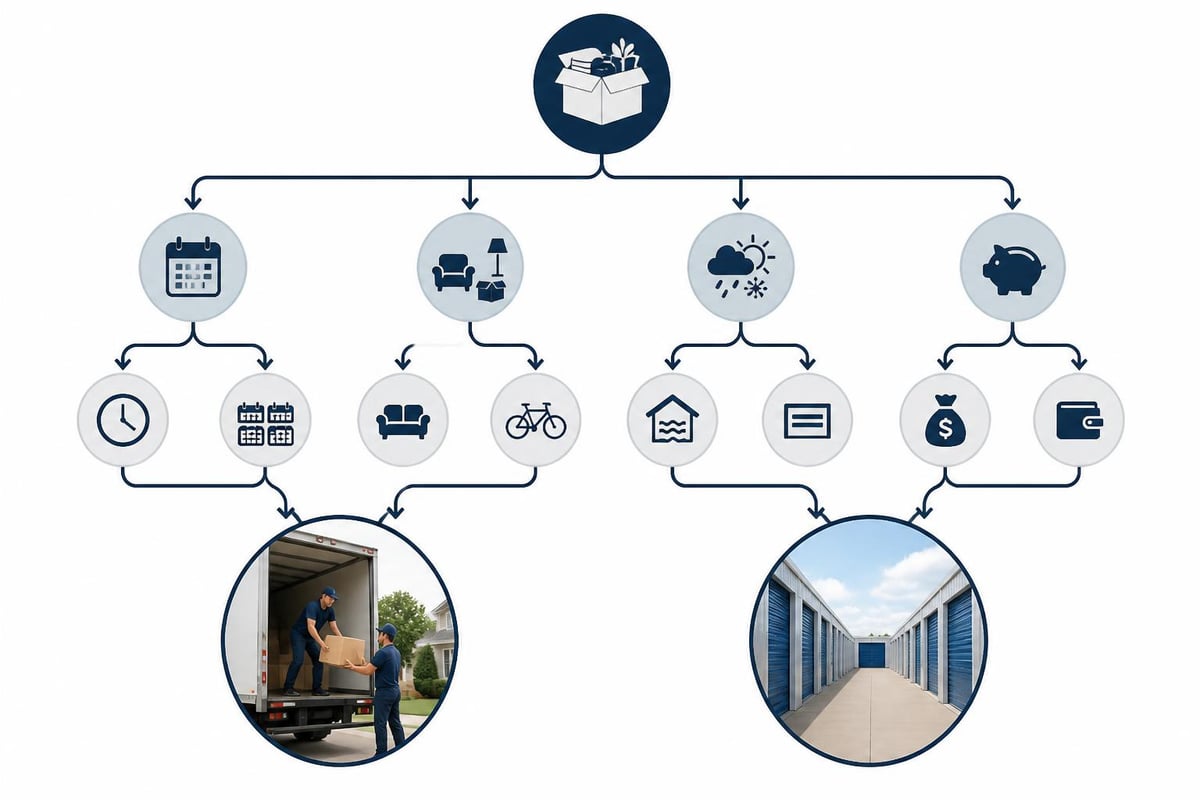
Timing mismatches between moving out and moving in create storage needs. Perhaps your new home isn't ready, or you're downsizing and need time to decide what furniture fits your new space. Understanding storage options helps you navigate these transitions smoothly.
Short-Term Storage Solutions
Many household movers offer storage in transit (SIT) services for shipments awaiting delivery. Your belongings remain in the moving company's secure warehouse until you're ready for delivery. SIT charges typically calculate as monthly storage fees plus reloading and delivery costs.
Typical storage fees range from $50 to $150 per month for a small apartment's contents, $150 to $300 for a typical house, and $300 to $600 for large homes. Location significantly impacts pricing, with storage in major metropolitan areas costing more than rural facilities.
Long-Term Storage Considerations
Relocations involving extended storage periods require different planning. Climate-controlled facilities protect sensitive items like wooden furniture, electronics, and documents from temperature and humidity fluctuations. Standard storage units cost less but risk damage to certain belongings.
| Storage Type | Monthly Cost (10x10 unit) | Best For |
|---|---|---|
| Standard unit | $75 - $150 | General household items, metal furniture |
| Climate-controlled | $120 - $250 | Wood furniture, electronics, documents, antiques |
| Portable container | $150 - $300 | Convenience, flexible delivery timing |
Evaluate whether household movers or third-party storage facilities better serve your needs. Bundling moving and storage services often provides cost savings and logistical simplicity, as coordinating between multiple companies creates additional complexity.
Documentation and Claims Process
Despite best efforts, damage or loss occasionally occurs during relocations. Understanding the claims process and maintaining proper documentation protects your interests when problems arise.
Inventory Management
Create detailed inventories before household movers begin loading. Photograph valuable items from multiple angles. Note serial numbers, brand names, and model numbers for electronics and appliances. This documentation proves ownership and condition should claims become necessary.
The moving company provides inventory sheets listing each item loaded. Verify this list's accuracy during loading and again during delivery. Discrepancies between loading and delivery inventories indicate lost items requiring immediate reporting.
Filing Damage Claims
Most household movers require damage claims within nine months of delivery, though many companies impose shorter deadlines. Report obvious damage immediately upon delivery by noting it on the delivery receipt. Hidden damage discovered during unpacking requires prompt written notification to preserve claim rights.
Submit claims in writing with supporting documentation:
- Detailed description of damaged items
- Photographs showing damage
- Original purchase receipts or replacement cost estimates
- Copy of the bill of lading
- Copy of inventory sheets noting the damage
Response timelines vary, but federal regulations require household movers to acknowledge receipt within 30 days and settle or deny claims within 120 days. Keep copies of all correspondence and follow up regularly until resolution.
Selecting Household Movers for Specific Routes
Popular migration patterns and route-specific considerations influence which household movers best serve particular relocations. Understanding these factors helps you select companies with strong track records on your specific route.
High-Volume Relocation Routes
Certain routes see significantly more household moves than others. Relocations between major metropolitan areas like New York to Florida, California to Texas, or the Northeast to the Southeast represent high-volume corridors where numerous household movers compete for business.
Companies specializing in these routes often offer better pricing and more frequent service than those treating them as occasional destinations. They maintain return loads that reduce deadhead miles, allowing competitive rates. For instance, movers with regular service betweenNew YorkandFloridatypically provide more scheduling flexibility than companies making occasional trips.
Regional Specialists Versus National Carriers
Regional household movers focus on specific geographic areas, developing expertise in local regulations, building requirements, and route characteristics. These companies often provide more personalized service and flexibility than large national carriers.
National moving companies offer broader networks, standardized procedures, and extensive resources. They're particularly valuable for complex relocations involving multiple pickups or deliveries across different states. When you needstate-to-state movingexpertise, companies operating nationwide provide consistent service regardless of your origin or destination.
Technology and Modern Household Movers
The moving industry has embraced technology, improving transparency, communication, and service quality. Understanding available tools helps you leverage these resources for better relocation experiences.
Virtual Surveys and Estimates
Many household movers now offer video surveys replacing traditional in-home estimates. Using your smartphone, you walk through your home while a moving consultant assesses your belongings remotely. This technology provides accurate quotes without scheduling conflicts or waiting for estimators to arrive.
Virtual surveys work well for straightforward relocations but may underestimate complex situations. Homes with significant specialty items, challenging access, or unusual layouts still benefit from in-person assessments.
Tracking and Communication
GPS tracking systems allow real-time shipment monitoring during long-distance moves. You can see your truck's location, estimated arrival time, and route progress through online portals or mobile apps. This transparency reduces anxiety and helps you plan your own travel to coordinate with delivery.
Digital communication platforms centralize correspondence with household movers. Upload documents, submit questions, and receive updates through single portals rather than managing multiple email threads or phone calls. This organization proves particularly valuable during complex relocations involving storage, specialty items, or multiple destinations.
Cost-Saving Strategies Without Compromising Quality
Professional household movers provide value that typically justifies their costs, but strategic planning can reduce expenses without sacrificing service quality or increasing risk.
Timing Your Move Strategically
Moving costs fluctuate based on demand. Peak season (May through September) sees highest prices, particularly on weekends and month-ends when most leases expire. Winter moves, mid-week relocations, and mid-month timing typically qualify for discounted rates-sometimes 20 to 30 percent lower than peak periods.
Flexible delivery windows reduce costs on long-distance moves. Allowing household movers seven to fourteen days for delivery rather than demanding specific dates decreases their logistical constraints and your costs. This flexibility works particularly well when you can stay with friends or family temporarily after moving out.
Handling Partial Services Yourself
Packing represents significant labor costs for household movers. If you're physically able and have time, handling packing yourself saves hundreds to thousands of dollars. Focus professional packing services on specialty items requiring expert handling while managing standard boxes yourself.
Disassembling and reassembling furniture reduces moving time and costs. Basic furniture breakdown requiring only standard tools makes good DIY projects. Leave complex items like pool tables or antique armoires to professional crews equipped with proper tools and expertise.
DIY-friendly tasks that reduce costs:
- Packing clothes, linens, and non-fragile items
- Disassembling basic bed frames and tables
- Removing items from furniture drawers
- Preparing appliances (defrosting refrigerators, disconnecting washers)
- Cleaning both residences before and after moving
Choosing the right household movers transforms a stressful process into a manageable transition. By understanding service options, evaluating companies thoroughly, preparing systematically, and communicating clearly, you protect your belongings and control costs while ensuring professional handling of your possessions. Whether you're relocating across state lines for work, family, or lifestyle changes, experienced household movers provide the expertise and resources necessary for successful long-distance moves.US Prime Moversspecializes in helping families and individuals navigate interstate relocations with transparent pricing, comprehensive services, and a commitment to treating your belongings with the care they deserve, backed by full licensing and insurance coverage across all 50 states.