
Moving across state lines brings enough stress without adding the burden of packing an entire household. Professional packing services have transformed how families approach long-distance relocations, offering expertise that protects belongings while saving countless hours of preparation time. Whether you're relocating from New York to California or moving for a military assignment, understanding what professional packers offer can make the difference between a chaotic move and a seamless transition.
Understanding Professional Packing Services
A packing service provides trained specialists who handle every aspect of preparing your belongings for transport. These professionals arrive with commercial-grade materials, specialized equipment, and proven techniques developed through thousands of moves. Unlike typical DIY approaches, professional packers understand the physics of weight distribution, proper cushioning ratios, and material compatibility.
Professional packers typically provide:
- High-quality packing materials (boxes, tape, bubble wrap, paper)
- Room-by-room systematic packing approach
- Specialized handling for fragile and valuable items
- Custom crating for unique belongings
- Detailed inventory documentation
- Unpacking services at your destination
The service extends beyond simply placing items in boxes. Experienced packers assess each room, determine optimal packing sequences, and applybest practices for packing and sealingto ensure maximum protection during transit.
Types of Packing Services Available
Not every household requires the same level of assistance. Most moving companies offer tiered options that accommodate different budgets and needs.
| Service Level | What's Included | Best For |
|---|---|---|
| Full Packing | Complete packing of entire home, all materials provided | Busy professionals, large households, time-constrained moves |
| Partial Packing | Selected rooms or fragile items only | Those packing most items themselves but needing help with specialty pieces |
| Fragile-Only | Kitchen, glassware, artwork, collectibles | Budget-conscious movers wanting protection for breakables |
| Custom Crating | Wooden crates for high-value items | Antiques, fine art, marble pieces, chandeliers |
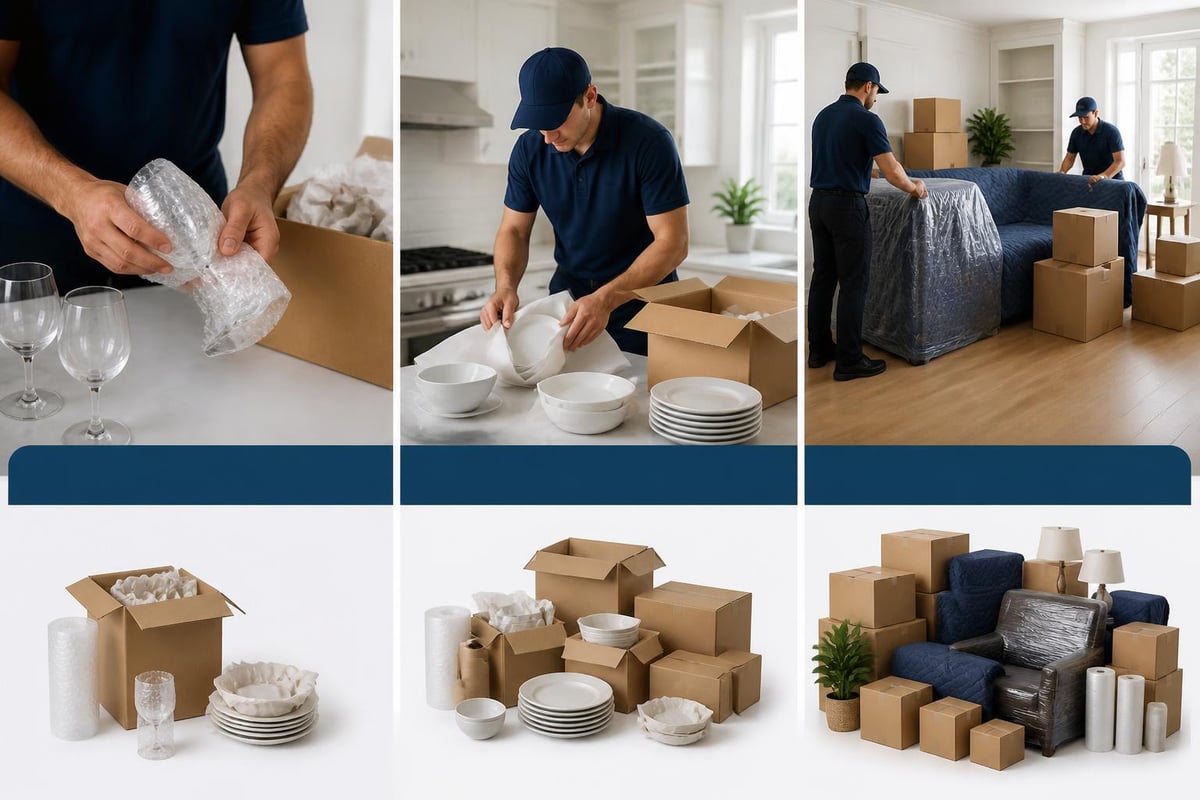
Materials and Techniques Used by Professional Packers
The distinction between amateur and professional packing often comes down to materials quality and application techniques. Professional services invest in supplies designed specifically for long-distance transport, where items endure loading, unloading, highway vibration, and multiple handling points.
Professional-grade materials include double-walled corrugated boxes rated for specific weight capacities, acid-free tissue paper for delicate surfaces, and foam sheets cut to exact specifications. Theselection and use of corrugated boxesfollows industry standards that amateur packers rarely consider.
Advanced Packing Techniques
Trained packers employ specific methodologies that reduce damage rates significantly. The "three-layer" approach places heavier items at the bottom, medium-weight objects in the middle, and lightweight pieces on top. Each layer receives appropriate cushioning, creating a stable unit that withstands movement.
Critical techniques include:
- Weight distribution balance - Keeping box weight under 50 pounds while maximizing space
- Immobilization methods - Preventing internal shifting through strategic padding placement
- Corner protection - Reinforcing vulnerable edges and corners with extra cushioning
- Compression resistance - Filling voids to prevent box collapse when stacked
- Moisture barriers - Using plastic sheeting for items vulnerable to humidity changes
Theseprofessional packing tipsform the foundation of damage prevention duringlong-distance movingoperations. The investment in proper technique pays dividends when belongings arrive intact across hundreds or thousands of miles.
Cost Considerations for Packing Services
Budgeting for professional packing requires understanding how companies calculate fees. Most movers base pricing on home size, number of items, and service level selected. The transparency of these estimates varies significantly across the industry.
Average packing service costs in 2026:
- Studio/1-bedroom apartment: $300-$600
- 2-bedroom home: $600-$1,200
- 3-bedroom home: $1,200-$2,000
- 4+ bedroom home: $2,000-$3,500
These ranges include labor and materials. Specialty items requiring custom crating add $100-$500 per piece depending on size and fragility. Military families should note that somemilitary moving servicesinclude packing allowances under their relocation benefits.
What Influences Packing Service Pricing
Several factors beyond square footage affect final costs. The volume of fragile items, accessibility of your home, and timing of your move all play roles in pricing structures.
Homes with extensive china collections, large wine cellars, or significant artwork require additional time and specialized materials. Third-floor walkups without elevator access increase labor requirements. Peak season moves (May through September) often command premium rates as demand surges.
Professional packing and unpacking servicestypically charge hourly rates between $25-$50 per packer, with teams of two to four people completing most homes in one to two days. Material costs represent approximately 30-40% of total packing expenses.
The Packing Service Process: What to Expect
Understanding the workflow helps homeowners prepare adequately and set realistic expectations. Professional packing follows a systematic progression that maximizes efficiency while ensuring thorough protection.
Pre-Pack Consultation
Reputable companies conduct in-home assessments or detailed video consultations before packing day. Estimators inventory rooms, identify specialty items, and discuss any concerns about particular belongings. This stage establishes scope, identifies potential challenges, and produces accurate quotes.
During consultations, communicate clearly about items you're packing yourself, valuables requiring special attention, and any pieces with sentimental significance. Transparency at this stage prevents misunderstandings later.
Packing Day Operations
Professional crews arrive with trucks loaded with supplies and a strategic plan. They typically start with rooms used least frequently, progressing toward daily-use spaces like kitchens and bedrooms last.
Standard packing day sequence:
- Set up packing stations in each room
- Sort items by category and fragility level
- Pack non-essentials first (decorative items, books, off-season clothing)
- Progress to functional items (kitchenware, linens, everyday clothing)
- Handle specialty items with custom protection
- Label all boxes with contents and destination room
- Create detailed inventory sheets
- Stage packed boxes for loading
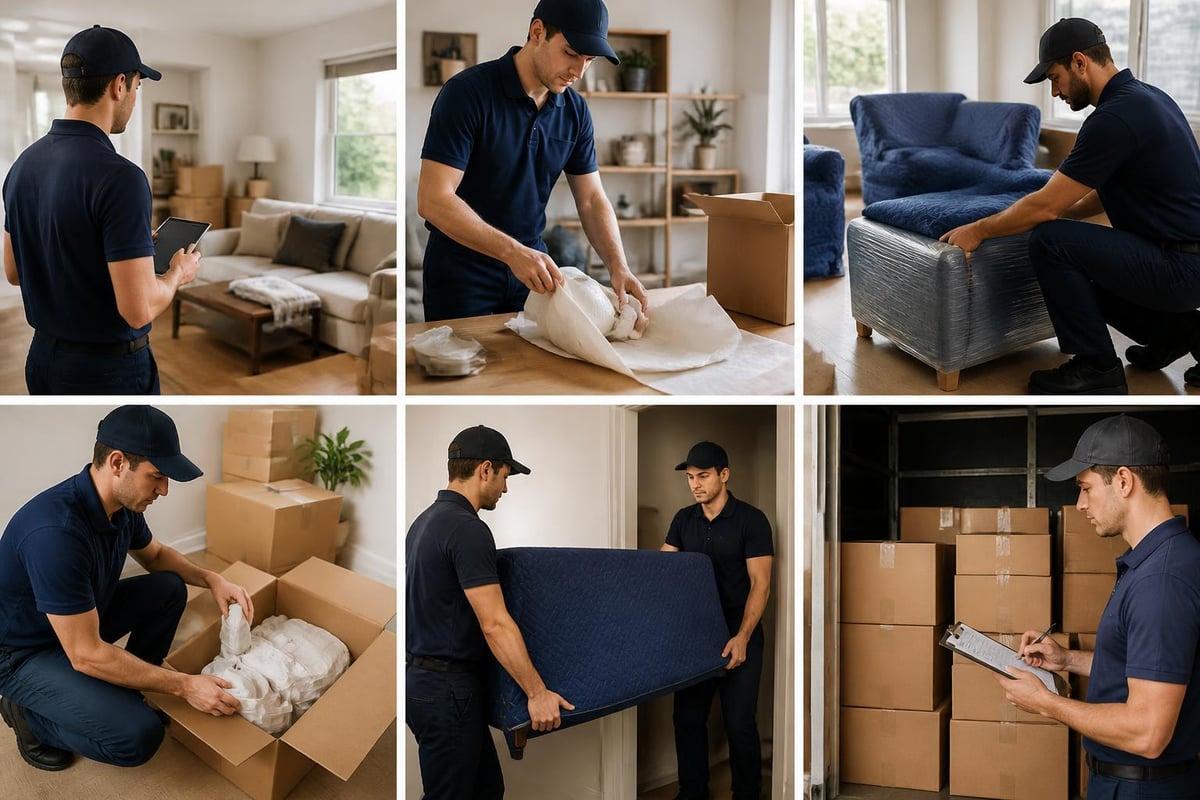
Theseven essential rules for preventing damageduring long-distance moves inform every decision professional packers make. Their training emphasizes building sturdy containers, immobilizing contents, and protecting vulnerable edges.
Specialty Item Packing Considerations
Certain belongings demand expertise beyond standard household packing. Antiques, musical instruments, electronics, and artwork require specialized knowledge that general movers may lack.
High-Value and Fragile Items
Professional packing services excel at protecting items that represent significant financial or emotional investment. Custom crating provides museum-quality protection for pieces that cannot tolerate standard cardboard containers.
For households with pianos, professional movers often recommend coordinatingpiano moving specialistswho understand the instrument's specific vulnerabilities. These delicate pieces require climate-controlled transport and specialized rigging that standard packing cannot address.
Fine art receives acid-free paper wrapping, corner protectors, and custom-sized boxes or crates. Glass surfaces get tape gridding to prevent shattering, while frames receive edge protection. The methodology forpacking and shipping fragile itemsapplies to everything from crystal chandeliers to antique porcelain.
Electronics and Appliances
Modern households contain thousands of dollars in electronic equipment requiring proper preparation. Professional packers disconnect, photograph cable configurations, and pack devices in anti-static materials.
Original packaging provides ideal protection for electronics when available. When original boxes aren't accessible, packers use appropriately sized containers with adequate cushioning. Hard drives, monitors, and televisions receive special attention given their sensitivity to shock and vibration.
Unpacking Services: The Often-Overlooked Benefit
While packing receives primary attention, unpacking services offer tremendous value that many homeowners overlook. After an exhausting long-distance move, facing hundreds of packed boxes can feel overwhelming. Professional unpackers transform this daunting task into manageable reality.
Unpacking services include:
- Removing items from boxes and placing them in appropriate locations
- Unwrapping protective materials
- Breaking down and removing empty boxes
- Basic furniture arrangement
- Debris removal and recycling
Unpacking typically proceeds faster than packing since placement decisions happen in real-time. Most teams complete unpacking in one day for average-sized homes. This service proves particularly valuable for families with young children, elderly movers, or professionals needing to return to work quickly.
The psychological benefit cannot be overstated. Walking into a functional home rather than a warehouse of boxes dramatically reduces relocation stress. For those exploringmoving and storageoptions with flexible delivery dates, unpacking services can be scheduled when you're ready to receive items.
DIY vs. Professional Packing: Making the Right Choice
The decision between self-packing and hiring professionals involves weighing multiple factors beyond simple cost comparison. Time availability, physical capability, experience level, and stress tolerance all influence this choice.
| Factor | DIY Packing | Professional Packing |
|---|---|---|
| Time Required | 30-60 hours for 3BR home | 8-16 hours with crew |
| Material Quality | Variable, often lower-grade | Commercial-grade, consistent |
| Damage Risk | Higher without experience | Significantly lower |
| Physical Demand | High, repetitive strain | None for homeowner |
| Cost | $200-$500 materials only | $1,200-$2,000 full service |
| Insurance Coverage | Limited, may void claims | Often enhanced protection |
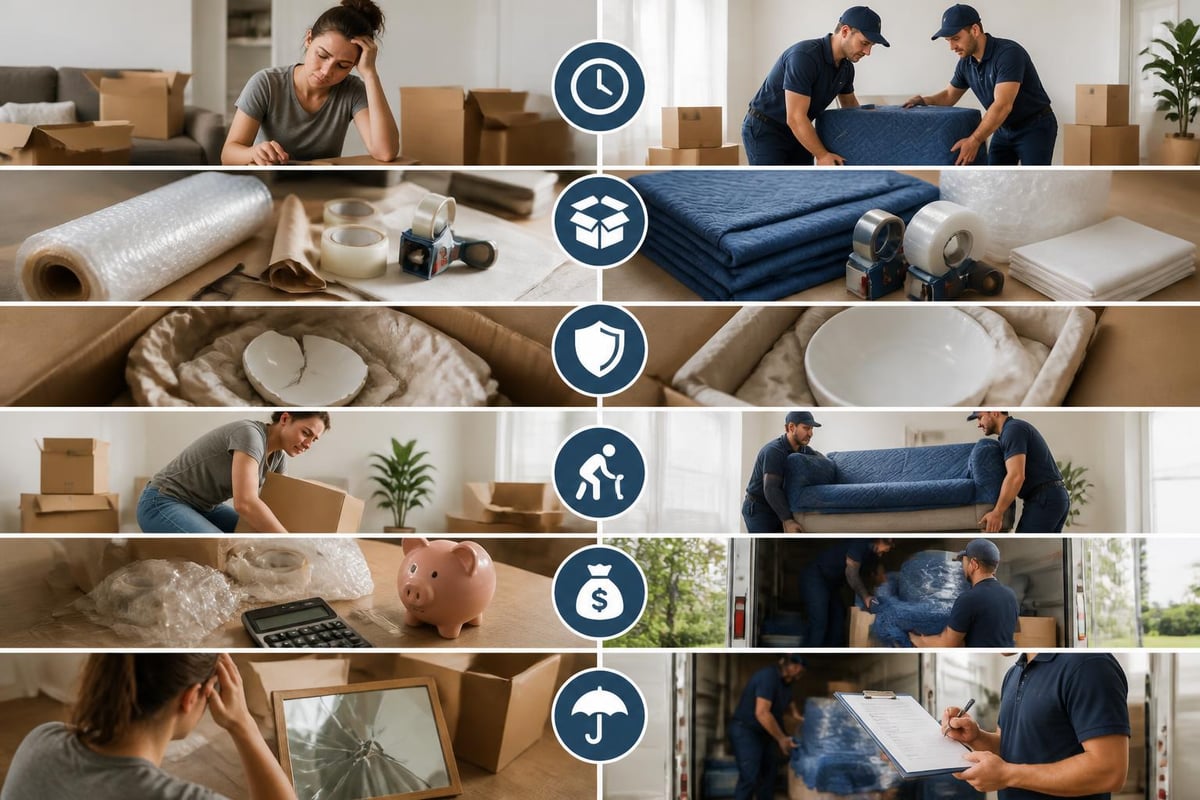
Many homeowners adopt hybrid approaches, handling everyday items themselves while engaging professionals for fragile belongings, specialty pieces, or final rooms. This strategy balances budget constraints with risk management for irreplaceable items.
Understandingcommon packing mistakeshelps DIY packers avoid pitfalls that lead to damage claims. Overpacking boxes, using inadequate cushioning, and failing to secure box bottoms represent the most frequent errors amateur packers make.
Preparing Your Home for Professional Packers
Maximizing value from packing services requires appropriate preparation. While packers handle the actual packing work, homeowners can take steps that improve efficiency and outcomes.
What to Do Before Packers Arrive
Decluttering before packing day reduces costs and simplifies your move. Professional packers will pack everything they encounter unless specifically instructed otherwise. Spending time sorting through belongings, donating unwanted items, and discarding broken pieces prevents paying to transport items you don't need.
Pre-packing preparation checklist:
- Complete thorough decluttering of all rooms
- Separate items you're packing yourself
- Identify and set aside valuables for personal transport
- Gather important documents, medications, and essentials
- Arrange pet care or plan their location during packing
- Ensure clear pathways throughout your home
- Communicate special instructions for particular items
Clear communication prevents misunderstandings. If certain closets contain items staying behind, mark them clearly. Designate a specific area for belongings you're handling independently.
Special Considerations for Long-Distance Moves
Interstate relocations require additional planning beyond local moves. Items traveling across multiple states encounter varied conditions, extended transit times, and more handling points. Professional packers adjust techniques accordingly, using reinforced containers and enhanced cushioning forcross-country movingsituations.
Climate considerations become relevant for long-distance transport. Moves from humid coastal regions to dry interior states, or vice versa, affect items sensitive to moisture levels. Professional packers incorporate moisture barriers and climate-appropriate materials when necessary.
Verifying Packing Service Quality and Credentials
Not all packing services deliver equal quality. Researching providers thoroughly protects your belongings and investment. Several indicators distinguish reputable professional packers from inadequate providers.
Verify licensing and insurance coverage before engaging any service. Interstate movers require USDOT numbers issued by the Federal Motor Carrier Safety Administration. Legitimate companies provide this information readily and maintain current insurance certificates.
Red flags to watch for:
- Requests for large deposits before service
- Lack of physical business address
- Inability to provide references or reviews
- Unwillingness to conduct in-home estimates
- Pressure tactics or unrealistic promises
- Missing licensing information
Reading detailed reviews helps identify consistent patterns in service quality. Pay particular attention to comments about damage rates, professionalism, and responsiveness to concerns. Companies specializing inlong-distance moving servicestypically maintain higher standards given the complexity of interstate operations.
Maximizing Value from Your Packing Service Investment
Strategic planning ensures you receive optimal value from professional packing services. Several approaches help homeowners make the most of this investment while controlling costs.
Timing Your Packing Service
Schedule packing one to two days before your scheduled move date for most situations. This timing allows adequate preparation without leaving packed boxes sitting too long. Exceptions exist for households with extensive collections or specialty items requiring custom crating, which may need longer lead times.
Mid-week packing often costs less than weekend services when demand peaks. Similarly, off-season moves (October through April) may offer more flexible scheduling and competitive pricing.
Understanding Insurance and Liability
Professional packing services typically include basic liability coverage, but understanding protection levels prevents surprises if damage occurs. Most movers offer valuation options ranging from minimal no-cost coverage to comprehensive full-value protection.
Full-value protection costs more but ensures replacement or repair of damaged items at current market value. This coverage becomes particularly important for high-value belongings or items with irreplaceable sentimental significance. When usingprofessional packers, confirm that coverage applies to items they pack, as some policies exclude self-packed belongings.
Questions to Ask Before Hiring a Packing Service
Informed decision-making requires asking specific questions that reveal how companies operate and what you can expect. The responses help compare providers effectively and identify the best fit for your situation.
- What specific materials do you use for different item types? - Quality providers detail their material standards
- How do you handle specialty items like artwork or antiques? - Reveals expertise level and available options
- What is included in your standard packing service? - Prevents confusion about scope and deliverables
- How do you calculate pricing? - Ensures transparency and helps budget accurately
- What insurance coverage applies to professionally packed items? - Critical for understanding protection levels
- Can you provide references from recent long-distance moves? - Validates experience with similar relocations
- What is your process if items are damaged during packing or transport? - Shows commitment to customer satisfaction
- Do you offer unpacking services at the destination? - Helps plan complete relocation timeline
Reputable companies welcome these questions and provide detailed, specific answers. Vague responses or reluctance to discuss policies suggest inadequate service standards.
Professional packing services transform the most stressful aspect of long-distance moving into a manageable process handled by trained specialists using proven techniques. Whether you choose full-service packing or targeted assistance with fragile items, understanding what professional packers offer helps you make informed decisions that protect your belongings during interstate relocation. At US Prime Movers, our experienced packing teams combine commercial-grade materials with systematic approaches developed through thousands of successful moves across all 50 states. ContactUS Prime Moverstoday for a free quote and discover how our comprehensive packing services can eliminate stress from your upcoming relocation.