
Planning a long-distance move can feel overwhelming, especially when you're staring at years of accumulated belongings and trying to figure out how everything will safely make the journey to your new home. Searching for "moving packers near me" represents a crucial decision point: recognizing that professional help can transform your relocation from a chaotic scramble into a streamlined, manageable process. Whether you're relocating from New York to California or moving across multiple state lines, understanding what professional packing services offer and how to select the right team makes all the difference in protecting your belongings and preserving your sanity.
What Professional Moving Packers Actually Do
Professional moving packers handle far more than simply tossing items into boxes. These trained specialists systematically prepare your entire household for safe transport across hundreds or thousands of miles.
The work begins with a detailed assessment of your belongings. Packers categorize items by fragility, size, and special handling requirements. They arrive with commercial-grade packing materials that far exceed what you'd find at retail stores, including reinforced boxes in dozens of sizes, specialty crating materials, and protective wrapping designed specifically for long-distance transport.
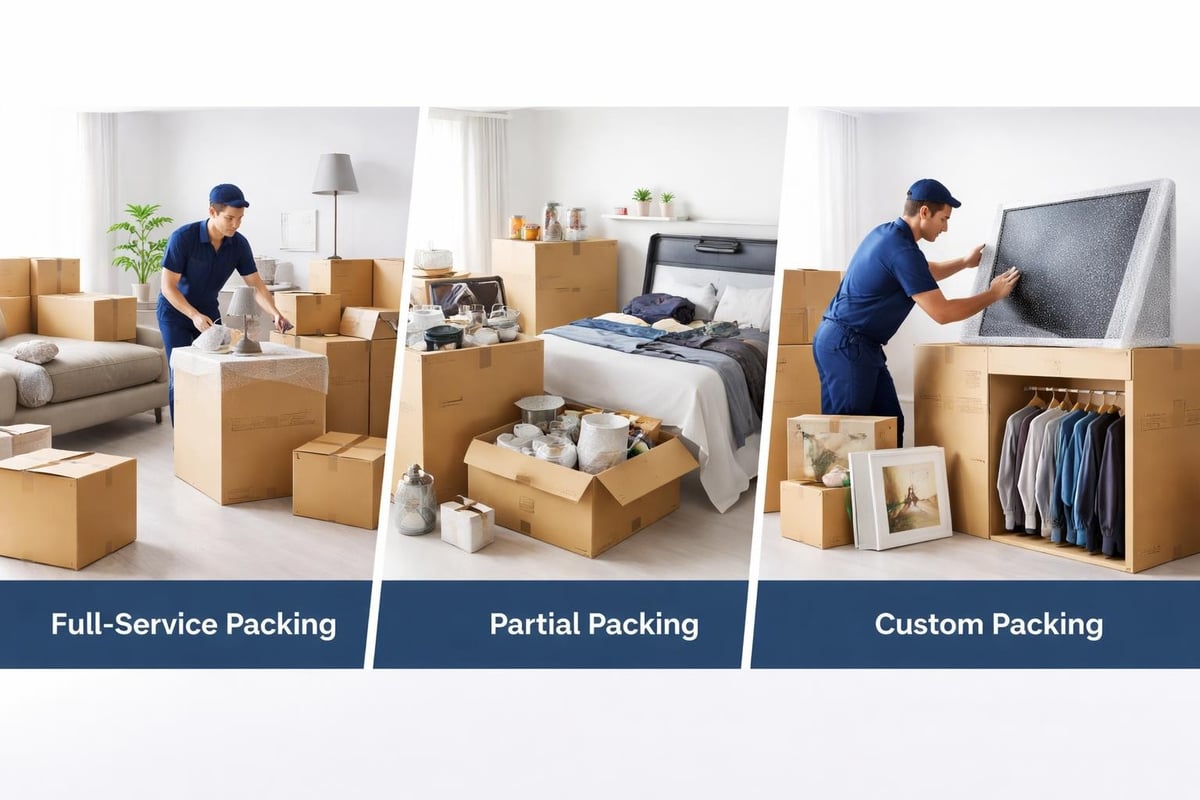
Full-Service vs. Partial Packing Options
When researching moving packers near me, you'll encounter different service levels designed to match varying budgets and needs:
- Full-service packing: The team packs your entire home, room by room, including closets, garages, and storage areas
- Partial packing: You handle everyday items while professionals tackle fragile valuables, artwork, or specialty pieces
- Custom packing: Focused service for specific high-value items like antiques, electronics, or collections
- Unpacking services: Teams unpack boxes at your destination and remove packing materials
According toindustry research on professional packing services, homes packed by professionals experience significantly fewer damaged items during long-distance moves compared to DIY packing efforts.
Why Hire Professional Packers for Long-Distance Moves
The value proposition extends well beyond convenience. For interstate relocations, professional packing becomes an investment in protection and peace of mind.
Time savings alone justify the cost for most families.An experienced two-person packing crew can complete what would take you two weeks in just one or two days. They work efficiently because they pack homes professionally every single week, developing systems and muscle memory that DIY packers simply cannot match.
Protection That Matters Across State Lines
Long-distance moves expose your belongings to more handling, loading transfers, and road vibration than local moves. Items packed incorrectly often arrive damaged, and DIY packers frequently underestimate the structural stress of a 2,000-mile journey.
Professional packers understand weight distribution, box stacking dynamics, and how to prevent shifting during transport. They know that books require small boxes while linens need larger ones, and they understand which items must never be packed together.
| Packing Aspect | DIY Approach | Professional Packers |
|---|---|---|
| Time Required | 2-4 weeks | 1-2 days |
| Materials Cost | $300-600 | Included in service |
| Damage Risk | Higher | Significantly lower |
| Insurance Coverage | Limited | Full accountability |
| Specialty Item Handling | Trial and error | Trained techniques |
Thecomprehensive benefits of professional packingbecome especially clear when you consider specialty items like pianos, antiques, or artwork that require custom crating and handling expertise.
How to Find Reliable Moving Packers Near Me
The search process requires more diligence than simply choosing the first company in search results. Your belongings and budget deserve careful vetting.
Steps to Identify Qualified Packing Services
- Verify licensing and insurance status through the Federal Motor Carrier Safety Administration (FMCSA) database for interstate movers
- Request detailed written estimates from at least three companies, ensuring they conduct in-home assessments rather than phone quotes
- Check recent customer reviews on multiple platforms, paying attention to comments about packing quality specifically
- Confirm what's included in packing services, including materials, labor, and any limitations or exclusions
- Ask about crew experience and whether the same team handles both packing and loading
When evaluating companies offeringpacking services, inquire about their training programs and how they handle high-value or fragile items. Reputable companies should readily provide references and examples of similar moves they've completed.
Understandingwhat professional packers and movers bring to the tablehelps you ask informed questions during the vetting process.
Cost Breakdown: What to Expect in 2026
Packing service costs vary based on home size, item complexity, and distance. Transparency in pricing helps you budget accurately and avoid surprise charges.
Typical Pricing Structures
Most professional packing services charge either hourly rates or fixed prices based on home size. For long-distance interstate moves, expect these general ranges:
Hourly rates: $50-90 per packer (typically two packers minimum)Full-service packing:
- 1-bedroom apartment: $400-700
- 2-bedroom home: $800-1,200
- 3-bedroom home: $1,200-1,800
- 4-bedroom home: $1,800-2,800
Materials costs(if charged separately): $200-500 depending on home size
Specialty item crating: $150-500 per major item (pianos, antiques, artwork)
These estimates apply to standard residential packing. Homes with extensive collectibles, large home offices, or specialty items will trend toward the higher end. For families planningstate-to-state relocations, packing often represents 15-20% of the total move cost.
Packing Timeline for Interstate Relocations
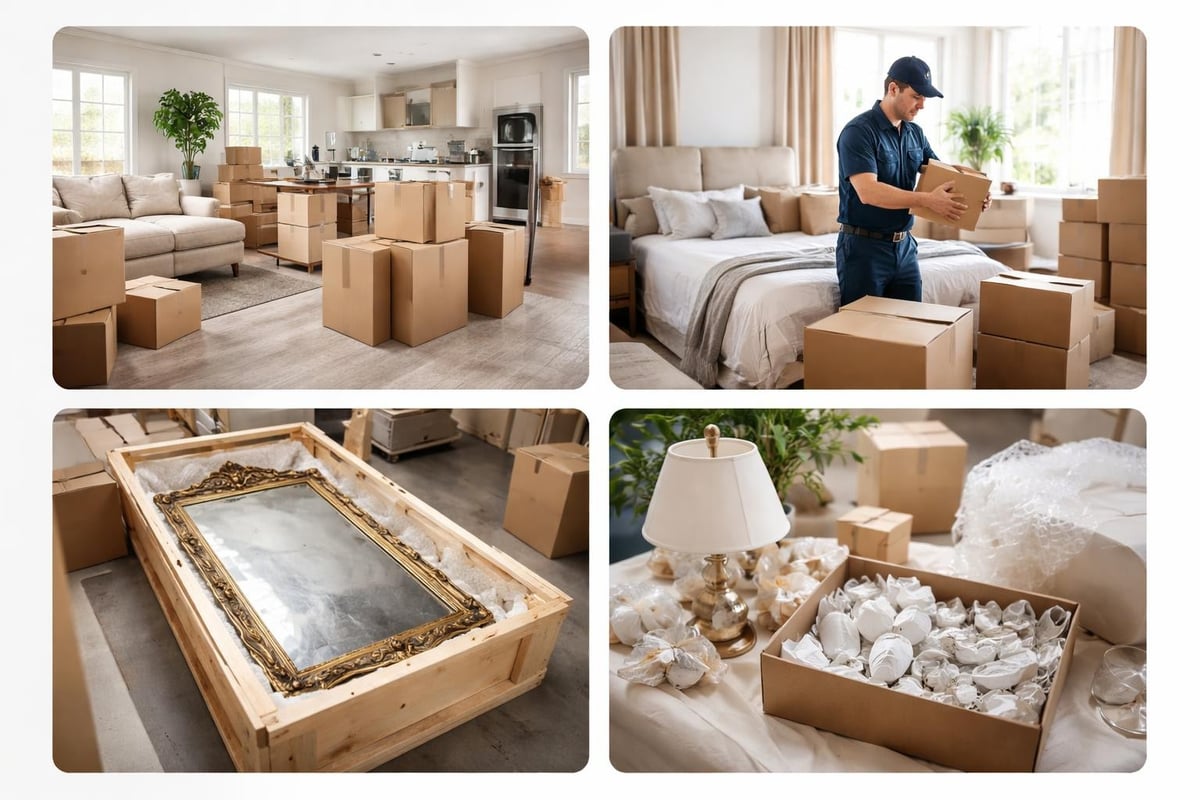
Professional packers work on compressed timelines that would exhaust DIY efforts. Understanding the process helps you prepare your home and schedule accordingly.
What Happens During Professional Packing
Day before packing: Packers may visit to stage materials and confirm the plan
Packing day(s): Crews arrive early morning with all supplies and work systematically through your home
Room-by-room approach: Most teams complete one room entirely before moving to the next, maintaining organization
Labeling system: Each box receives detailed labels indicating contents and destination room
Inventory creation: Professional teams document what's packed for insurance and tracking purposes
For a typical 3-bedroom home, experienced crews complete full packing in 6-10 hours. Larger homes or those with extensive specialty items may require two full days. The efficiency comes from proper preparation, quality materials, and refined techniques developed through hundreds of previous packs.
Essential Questions to Ask Moving Packers
Before signing contracts, clarify critical details that prevent misunderstandings and ensure you receive the service you're paying for.
Qualification and Experience Questions
- How long has your company provided packing services for long-distance moves?
- Will the same crew pack and load, or are these separate teams?
- What specific training do your packers receive for fragile and valuable items?
- Can you provide references from recent interstate moves similar to mine?
Service and Coverage Questions
- What packing materials are included, and what might cost extra?
- How do you handle items I've marked as "do not pack"?
- What's your policy if something is damaged during the packing process?
- Do you offer unpacking services at the destination?
- Are there items you cannot or will not pack?
Cost and Contract Questions
- Is pricing based on hourly rates, flat fees, or volume?
- What triggers additional charges beyond the estimate?
- What deposit is required, and when is final payment due?
- Can I purchase additional insurance specifically for high-value items?
Different packing service providersstructure their offerings differently, so these questions help you compare apples to apples across multiple estimates.
Items Professional Packers Cannot Handle
Understanding limitations prevents last-minute scrambling on moving day. Certain items require special arrangements or cannot be transported in moving trucks.
Prohibited items for long-distance transport:
- Hazardous materials (paint, chemicals, propane, aerosols)
- Perishable food items
- Plants (restricted by agricultural laws in some states)
- Firearms and ammunition (require special shipping)
- Important documents and valuables (carry these personally)
- Medications and medical supplies
Items requiring special arrangements:
- Vehicles (need separate auto transport)
- Live pets (never packed in moving trucks)
- Irreplaceable items (family heirlooms, photos, hard drives)
Most professional movers provide a detailed list of prohibited items during the estimate process. Plan ahead for these items, especially when moving across multiple state lines where agricultural and safety regulations may vary.
Preparing Your Home for Professional Packers
Even when hiring full-service packers, some preparation maximizes efficiency and ensures nothing important gets packed accidentally.
Pre-Packing Checklist
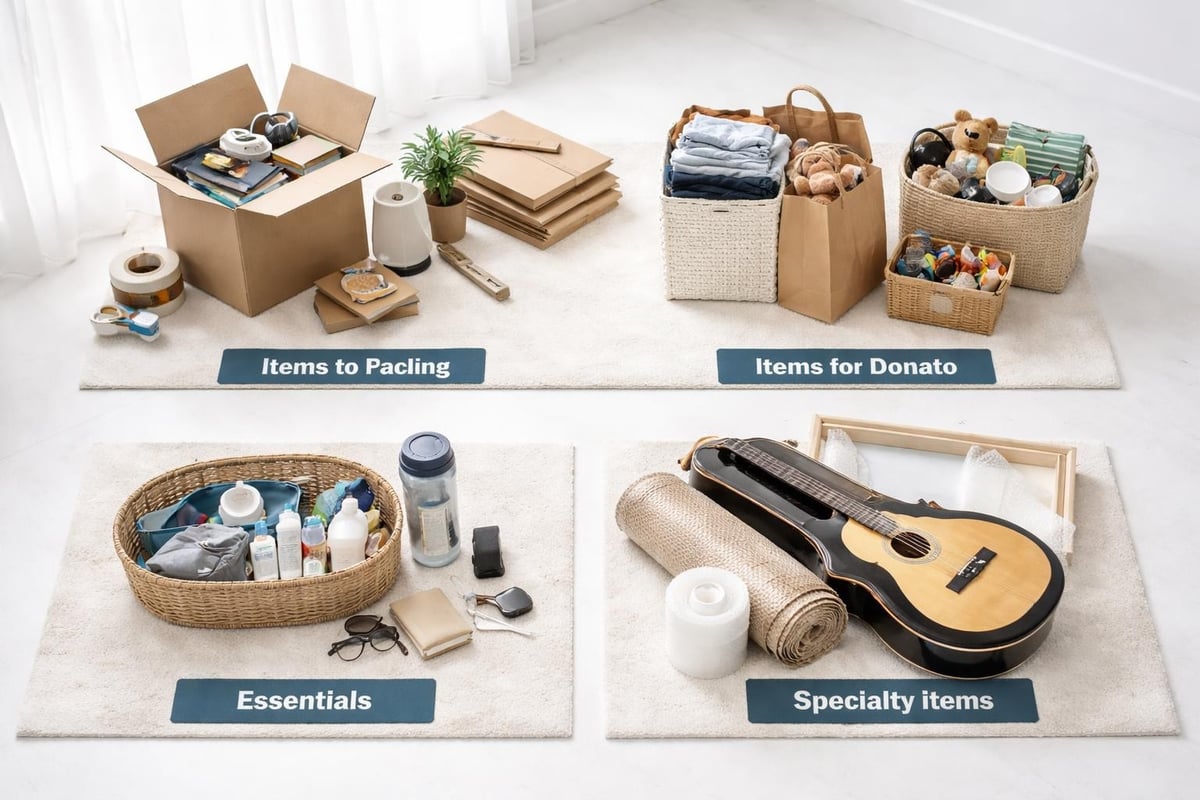
- Sort and declutter each room, donating or discarding items you won't move
- Create a "do not pack" zone in one room for personal items, valuables, and essentials
- Clear pathways throughout your home for safe movement of boxes and materials
- Secure important documents in a personal bag or briefcase
- Empty and defrost refrigerators at least 24 hours before packing day
- Remove wall hangings but leave picture hooks for packers to remove
- Back up computer data and disconnect electronics
For those researchingcomprehensive moving and packing strategies, these preparatory steps significantly streamline the professional packing process.
The Packing Process: What to Expect
Professional crews follow systematic approaches developed through years of experience. Knowing what happens helps you stay informed without micromanaging.
Room-by-Room Methodology
Experienced packers typically start with rooms used least frequently (guest bedrooms, storage areas, seasonal items) and progress toward daily-use spaces. This allows you to maintain some normalcy until the last possible moment.
Kitchen packingreceives special attention due to fragile dishware and the complexity of small appliances. Professional packers use specialized dish packs, cell dividers, and cushioning techniques that protect glassware and china through thousands of miles of transport.
Bedroom packingincludes wardrobe boxes that allow hanging clothes to transfer directly from closets without folding, preventing wrinkles and saving unpacking time at your destination.
Electronics and office equipmentget special treatment with anti-static materials and original boxes when available. Professional packers photograph cable configurations and label connections for easier setup.
The systematic approach used byexperienced packing teamsensures nothing gets overlooked and everything arrives organized at your new home.
Special Considerations for High-Value Items
Certain possessions demand extra attention and specialized packing techniques that justify professional assistance even if you pack everything else yourself.
Specialty Item Categories
Fine art and antiquesrequire custom crating with climate-controlled considerations for long journeys. Standard boxes don't provide adequate protection for irreplaceable pieces.
Musical instruments, particularly pianos, need professional handling. Ourpiano moving specialistsunderstand the unique requirements for protecting these valuable instruments during interstate relocations.
Electronics and home theater systemsbenefit from professional packing that prevents static damage and maintains organization of complex wiring systems.
Wine collectionsrequire temperature-stable packing and often special permits for interstate transport.
| Item Category | DIY Packing Risk | Professional Approach |
|---|---|---|
| Fine Art | High damage risk | Custom crating, climate control |
| Antique Furniture | Structural damage common | Disassembly, protective wrapping |
| Electronics | Static and impact damage | Anti-static materials, original boxes |
| Collections | Organizational chaos | Systematic cataloging, specialty boxes |
Combining Packing with Other Moving Services
Many families benefit from bundled services that address multiple relocation needs simultaneously. Understanding how packing integrates with other services helps you plan comprehensively.
Professional packing often pairs naturally with storage solutions. If your new home isn't ready immediately or you're downsizing, companies offeringmoving and storagecan pack, transport, and store your belongings in climate-controlled facilities until you're ready for delivery.
For military families facing PCS relocations, specialized packers understand government requirements and weight allowances.Military moving servicescoordinate packing with the unique timelines and regulations military families navigate.
The benefits of coordinating services extend to simplified accountability. One company handling packing, loading, transport, and delivery creates a single point of contact and streamlined insurance coverage if anything goes wrong.
Red Flags When Choosing Moving Packers
Protecting yourself from unreliable or fraudulent companies requires recognizing warning signs during your research process.
Warning Signs to Avoid
Estimates without home inspection: Legitimate companies assess your belongings in person before quoting prices
Large upfront deposits: Reputable movers require reasonable deposits, not 50% or more upfront
No physical address: Companies operating solely with P.O. boxes or cell phones raise serious concerns
Extremely low bids: If an estimate is dramatically lower than competitors, question what corners they're cutting
Pressure tactics: Professional companies don't demand immediate decisions or use high-pressure sales techniques
Lack of licensing: Interstate movers must have USDOT numbers; verify these through official databases
Research fromconsumer protection resources on selecting packers and moversemphasizes the importance of thorough vetting before entrusting your belongings to any company.
Insurance and Liability Coverage
Understanding protection options prevents devastating financial losses if belongings are damaged during packing or transport.
Types of Coverage Available
Basic carrier liability: Included with most moves but provides minimal protection (typically $0.60 per pound per item)
Full value protection: Movers repair, replace, or provide cash settlement for damaged items at current replacement value
Third-party insurance: Independent policies offering comprehensive coverage beyond what movers provide
High-value item riders: Additional coverage specifically for jewelry, art, or collectibles exceeding standard limits
For long-distance interstate moves, basic liability rarely provides adequate protection. A damaged antique armoire weighing 200 pounds would only yield $120 under basic coverage, regardless of its actual value. Full value protection costs more but offers genuine peace of mind.
Review coverage options carefully during the estimate process. Questions about what's covered, claim procedures, and deductibles prevent unpleasant surprises if you need to file a claim.
Post-Packing: Final Walk-Through and Inventory
Professional packing services conclude with verification steps that protect both you and the moving company.
The crew supervisor conducts a final walk-through with you, ensuring nothing was missed and addressing any last-minute questions. This represents your opportunity to identify any items that shouldn't have been packed or anything requiring special attention during transport.
Inventory documentationserves as your official record of what's being moved. Review this carefully and note any pre-existing damage to furniture or boxes. This document becomes crucial if you later file damage claims.
Box numbering and labelingshould be clear and consistent. Professional crews use systematic numbering (Kitchen 1-12, Master Bedroom 1-8, etc.) that helps at delivery when directing boxes to proper rooms.
Photograph your packed belongings before the truck departs. While not required, these images provide additional documentation if disputes arise about item condition or what was actually packed.
Coordinating Packing with Your Moving Timeline
Strategic timing ensures packing services align smoothly with your broader relocation schedule.
Optimal Packing Schedule
6-8 weeks before move: Research and request estimates from moving packers near me
4-6 weeks before: Select company, sign contracts, and confirm dates
2-3 weeks before: Complete decluttering and organize your "do not pack" items
1 week before: Confirm final details, crew size, and arrival time with your packing company
1-2 days before: Final preparation, clear pathways, and ensure access to all areas
Packing day: Supervise, answer questions, and conduct final walk-through
Moving day(usually next day): Professional crews load the packed items they prepared
This timeline works for most residential moves. Exceptionally large homes or those with extensive specialty collections may require adjusted schedules. Companies handlingcross-country relocationshelp you coordinate packing within your overall moving timeline.
Finding the right moving packers near me transforms one of life's most stressful events into a manageable, organized process with professional expertise protecting your belongings every step of the way. The investment in quality packing services pays dividends in reduced stress, time savings, and the confidence that your possessions will arrive safely at your new home. When you're ready to plan your long-distance relocation with experienced professionals who understand the unique challenges of interstate moves,US Prime Moversoffers comprehensive packing and moving services backed by full licensing, insurance, and a family-owned commitment to treating your belongings with exceptional care.