
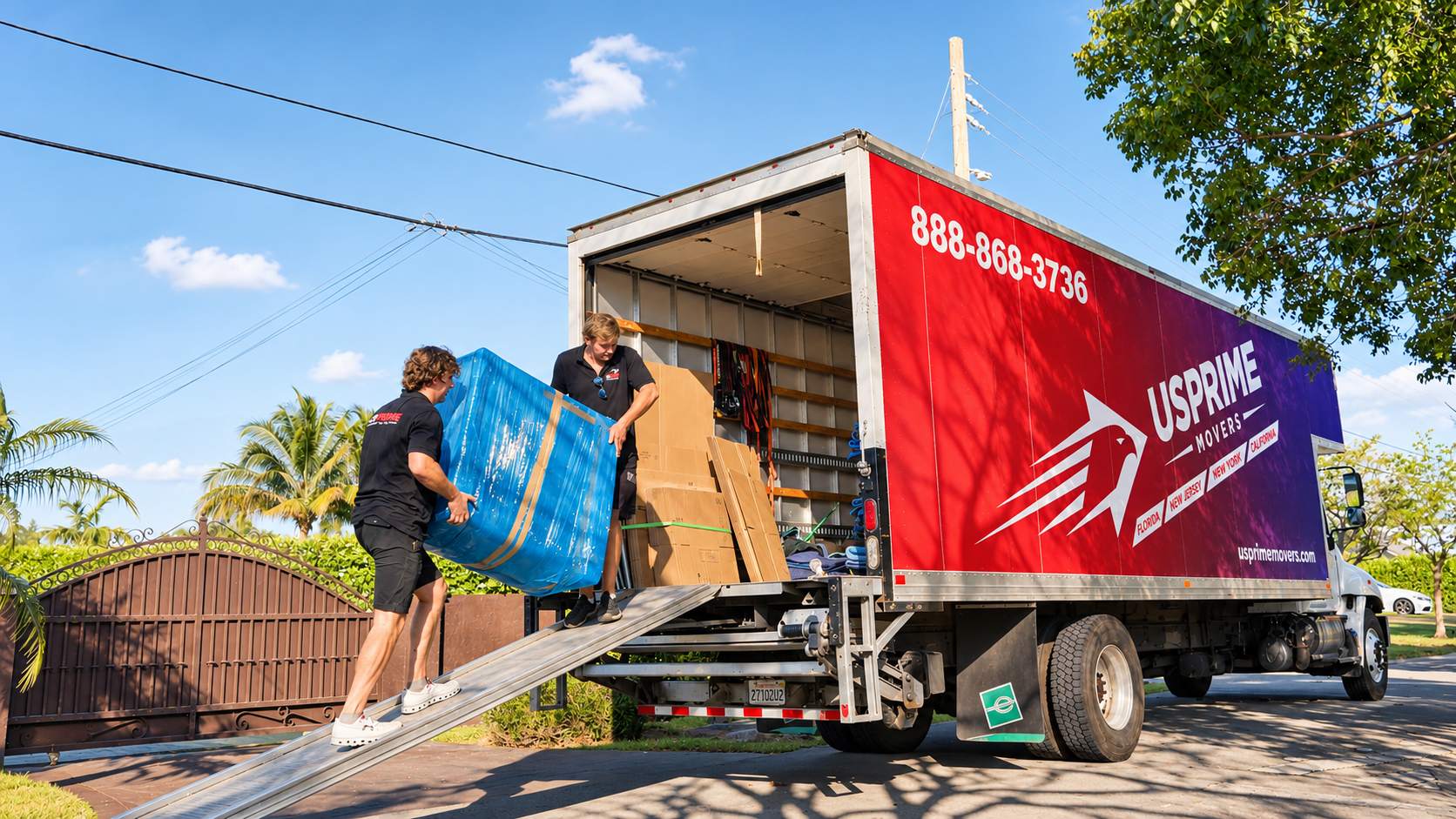
Relocating to or from Seattle presents unique challenges that require professional expertise. The city's steep hills, narrow streets, apartment regulations, and unpredictable weather patterns make choosing the right moving services Seattle residents trust essential for a successful transition. Whether you're moving within the Pacific Northwest or planning a cross-country relocation, understanding your options, costs, and regulations will help you make informed decisions that protect your belongings and budget.
Understanding Seattle's Moving Landscape
Seattle's moving industry operates under strict state regulations designed to protect consumers. The Washington Utilities and Transportation Commission oversees all commercial movers operating within the state, requiring proper licensing and insurance coverage. This regulatory framework ensures that companies meet minimum safety standards and maintain accountability throughout the moving process.
The competitive market offers diverse options ranging from small local operations to national carriers with Seattle branches. MoveBuddha's comparison of Seattle moving companies shows that customers have access to dozens of licensed providers, each specializing in different types of relocations. Understanding these distinctions helps you match your specific needs with the right service provider.
Regional Moving Considerations
Seattle's geography creates distinct challenges that impact pricing and logistics. The city's hillside neighborhoods, limited parking zones, and building elevator restrictions require careful planning. Professional moving services Seattle companies employ must navigate these obstacles daily, developing specialized techniques for efficient loading and unloading in constrained spaces.
Weather patterns also influence moving logistics throughout the year. Seattle's rainy season from October through April necessitates additional protective measures for furniture and electronics. Experienced movers incorporate weatherproofing protocols into their standard procedures, protecting your belongings from moisture damage during transit.
Types of Moving Services Available in Seattle

Local and Long-Distance Options
Moving companies in Seattle typically categorize services into local and long-distance relocations. Local moves, defined as relocations within a 50-mile radius, generally charge hourly rates ranging from $120 to $200 per hour for a two-person crew. These services handle intra-city moves, apartment transitions, and short-haul residential relocations.
Long-distance moving requires different expertise and pricing structures. For those planning interstate relocations, long-distance moving services provide comprehensive solutions including cross-country transport, temporary storage, and delivery coordination. These moves typically calculate costs based on weight, distance, and additional services rather than hourly rates.
Key service categories include:
- Full-service residential moving with packing and unpacking
- Labor-only services for self-packed loads
- Specialty item transportation for pianos, antiques, and artwork
- Corporate and commercial relocation services
- Storage solutions with flexible access options
- Vehicle and boat shipping coordination
Specialty Moving Services
Seattle's diverse housing stock includes historic homes with valuable antiques, modern condos with designer furniture, and everything in between. Specialty moving services address items requiring extra care beyond standard household goods. Musical instruments, particularly pianos, demand trained professionals who understand proper handling techniques and have appropriate equipment.
For delicate or high-value items, professional packing services provide custom crating, climate-controlled transport, and specialized padding materials. These services prove particularly valuable for artwork, electronics, and irreplaceable family heirlooms that standard packing methods cannot adequately protect.
Cost Factors for Moving Services Seattle Providers Charge
Understanding pricing structures helps you budget accurately and compare quotes effectively. Moving costs vary significantly based on multiple factors, and transparency in pricing separates reputable companies from those with hidden fees.
According to the Seattle Movers Guide cost breakdown, average local moves within Seattle range from $400 to $2,000, while long-distance relocations starting or ending in Seattle typically cost between $2,500 and $8,000 depending on distance and volume.
| Move Type | Distance | Average Cost | Timeframe |
|---|---|---|---|
| Studio/1BR Local | Under 50 miles | $400-$800 | 4-6 hours |
| 2-3BR Local | Under 50 miles | $800-$1,500 | 6-10 hours |
| 3-4BR Long-Distance | 1,000+ miles | $4,500-$7,500 | 7-14 days |
| Cross-Country | 2,500+ miles | $6,000-$12,000 | 10-21 days |
Pricing Variables to Consider
Weight and volume represent the primary cost drivers for long-distance moves. Most interstate moving companies calculate charges based on the total weight of your shipment combined with the mileage between origin and destination. A typical three-bedroom household weighs between 7,000 and 10,000 pounds.
Additional cost factors include:
- Packing materials and labor - Professional packing adds $500-$1,500 to total costs
- Access challenges - Long carries, stairs, or elevator fees range from $75-$300
- Seasonal demand - Summer moves cost 20-30% more than winter relocations
- Insurance coverage - Full-value protection adds 1-3% of declared value
- Storage needs - Monthly climate-controlled storage runs $100-$300 per month
The Washington Utilities and Transportation Commission's mover rates resource provides detailed information on regulated pricing structures and helps consumers identify fair market rates versus inflated quotes.
Selecting Licensed and Insured Movers
Verification of credentials protects you from fraud and ensures recourse if problems arise. Every legitimate moving company operating in Washington State must maintain active licensing with state authorities and carry appropriate insurance coverage.
Request the company's US DOT number for interstate moves and their UTC number for intrastate relocations. These registration numbers allow you to verify their standing through official databases and review their safety records. The U.S. Moving Protection Organization's Seattle company list provides verified information on properly licensed carriers.
Essential Questions to Ask Potential Movers
Before committing to any moving services Seattle companies offer, conduct thorough interviews with at least three providers. Request in-home estimates rather than phone quotes to ensure accuracy. During these consultations, assess their professionalism, knowledge, and willingness to address your concerns.
Critical questions include:
- What insurance coverage do you provide, and what are the limitations?
- How do you handle claims for damaged or lost items?
- Will the same crew handle pickup and delivery, or do you subcontract?
- What items do you prohibit or require special arrangements?
- Do you guarantee pickup and delivery dates in writing?
- What payment methods do you accept, and when is payment due?
Digital tools have modernized how professional moving companies manage operations. Platforms like Movers Inventory enable companies to maintain detailed inventory records, track shipments in real-time, and provide customers with transparent documentation throughout the moving process.
Planning Your Seattle Relocation Timeline

Successful relocations require advance planning, particularly during Seattle's busy moving season from May through September. Booking moving services Seattle residents recommend becomes increasingly difficult as summer approaches, with many companies fully booked six to eight weeks in advance.
Recommended Planning Schedule
8 Weeks Before Moving:
- Research and request quotes from multiple licensed movers
- Review company credentials and customer feedback
- Create a preliminary inventory of belongings
- Begin decluttering and selling unnecessary items
6 Weeks Before Moving:
- Book your chosen moving company and confirm dates in writing
- Order packing supplies or arrange professional packing services
- Notify landlords or schedule closing dates for home sales
- Begin packing seasonal items and rarely used belongings
4 Weeks Before Moving:
- Transfer or cancel utilities at your current residence
- Update address with postal service, banks, and subscriptions
- Arrange childcare and pet care for moving day
- Pack remaining non-essential items room by room
2 Weeks Before Moving:
- Confirm all details with your moving company
- Pack most remaining items, leaving only daily essentials
- Prepare an essentials box for immediate needs at new location
- Dispose of hazardous materials that movers cannot transport
The timing of your move significantly impacts availability and cost. Mid-month moves during weekdays typically offer better rates and more flexible scheduling than month-end weekend relocations when demand peaks.
Understanding Interstate Moving Regulations
For relocations crossing state lines, federal regulations govern the moving industry through the Federal Motor Carrier Safety Administration. These rules protect consumers through standardized practices including written estimates, bill of lading documentation, and claims procedures.
Interstate movers must provide you with the "Your Rights and Responsibilities When You Move" booklet, which explains your legal protections and the company's obligations. Review this document carefully and ask questions about any unclear provisions before signing contracts.
If you're planning a move to another state from Seattle, exploring state-to-state moving services helps you understand the specific requirements and documentation needed for cross-country relocations. Each state has unique regulations regarding vehicle registration, driver's licenses, and residency establishment that impact your transition timeline.
Insurance and Liability Coverage
Moving companies offer two primary insurance options: basic released value protection and full-value protection. Released value coverage, included at no additional cost, provides minimal compensation of $0.60 per pound per article. This means a 50-pound television would receive only $30 if damaged or lost, regardless of its actual value.
Full-value protection requires additional payment but offers comprehensive coverage. Under this option, the mover must either repair the item, replace it with a comparable product, or provide cash settlement for current market value. This protection typically costs 1-3% of your shipment's declared value but provides significantly better coverage for valuable belongings.
| Coverage Type | Cost | Protection Level | Best For |
|---|---|---|---|
| Released Value | Included | $0.60/pound | Minimal value items |
| Full-Value | 1-3% of value | Repair/replace/cash | Valuable belongings |
| Third-Party | Varies | Customizable | High-value collections |
| Specialty | Quoted separately | Item-specific | Antiques, art, pianos |
Preparing for Moving Day Success
Proper preparation minimizes stress and prevents delays on moving day. Clear communication with your moving team ensures they understand access requirements, parking limitations, and any building-specific regulations that might affect the process.
Reserve parking spaces or loading zones in advance if your Seattle location requires permits. Many neighborhoods enforce strict parking regulations, and failure to secure appropriate access can result in delays and additional charges. Contact your building management or homeowners association to understand elevator reservations and moving hour restrictions.
Creating an Inventory System
Detailed inventory documentation protects you if disputes arise regarding missing or damaged items. Most professional moving services Seattle companies provide use electronic inventory systems that track each box and piece of furniture. Supplement their records with your own photographs and written descriptions of valuable items.
Number your boxes and maintain a master list noting contents and destination room. This organization accelerates unpacking at your new location and helps you identify missing boxes immediately upon delivery. Moving Feedback's Seattle company reviews emphasize that customers who maintain detailed inventories resolve claims faster and more successfully than those relying solely on mover documentation.
Special Considerations for Seattle Neighborhoods
Different Seattle neighborhoods present unique moving challenges that impact logistics and timing. Understanding these area-specific factors helps you communicate effectively with movers and avoid unexpected complications.
Capitol Hill's historic buildings often lack freight elevators and feature narrow staircases requiring furniture disassembly. Queen Anne's steep grades demand experienced drivers comfortable navigating challenging terrain. Downtown condominiums typically require advance booking for service elevators and may restrict moving hours to specific time windows.
Neighborhood-specific considerations:
- Ballard/Fremont: Limited street parking, permit requirements, bridge traffic patterns
- West Seattle: Bridge access timing, ferry coordination for some island properties
- University District: Student move-in season creates extreme demand August-September
- Bellevue/Eastside: High-rise building protocols, HOA regulations, gate access codes
For military families facing PCS orders to or from Joint Base Lewis-McChord, specialized military moving services understand the unique requirements and timelines associated with service member relocations, including coordination with transportation offices and compliance with military moving regulations.
Avoiding Common Moving Mistakes
Even well-planned relocations encounter challenges, but awareness of common pitfalls helps you avoid costly errors. Many problems stem from inadequate research, poor communication, or unrealistic expectations about timing and costs.

Red Flags to Watch For
Extremely low estimates often indicate companies that lowball initial quotes, then add numerous fees after loading your belongings. Reputable moving services Seattle professionals provide compete on value and service quality rather than unrealistically low prices. Compare multiple quotes and investigate why any estimate differs significantly from others.
Demand for large deposits before services begin signals potential fraud. Legitimate movers typically require payment upon delivery, not weeks in advance. Similarly, companies refusing to provide written estimates or lacking proper credentials should raise immediate concerns about their legitimacy.
Warning signs of problematic movers:
- No physical business address or proper licensing documentation
- Rental trucks without company branding or professional equipment
- Cash-only payment policies with no credit card processing
- Refusal to conduct in-home estimates for accurate quotes
- Generic email addresses rather than professional business domains
The Pinnacle List's evaluation of trusted Seattle moving companies provides additional guidance on distinguishing professional operations from questionable providers.
Maximizing Value from Your Moving Investment
Strategic planning reduces costs without compromising service quality. Flexibility with dates, self-packing partial shipments, and decluttering before moving all contribute to meaningful savings while maintaining professional handling of your belongings.
Off-peak moving dates offer significant discounts. Mid-week, mid-month relocations during fall or winter months typically cost 20-30% less than summer weekend moves. If your circumstances allow flexibility, discuss scheduling options that might reduce your total investment.
DIY Packing Strategies
Professional packing services add $500-$1,500 to moving costs, but self-packing requires significant time investment and proper techniques. Consider hybrid approaches where you pack non-fragile items like linens, books, and clothing while professionals handle dishes, artwork, and electronics.
Source free or low-cost packing materials from local retailers, liquor stores, and online marketplaces. However, invest in quality boxes and packing materials for valuable or fragile items. Damaged belongings from inadequate packing materials often cost more than professional packing would have.
Companies offering comprehensive moving and storage solutions provide valuable flexibility if your new residence isn't immediately available or you need time to determine what furniture fits your new space before final delivery.
Technology and Modern Moving Services
Digital transformation has revolutionized how moving companies operate and communicate with customers. GPS tracking allows real-time shipment monitoring, while digital inventory systems provide photographic documentation of every item loaded onto trucks.
Modern moving platforms enable customers to receive instant quotes, schedule services, and manage documentation entirely online. This technological integration improves accuracy, reduces paperwork, and provides greater transparency throughout the moving process.
Video surveys have largely replaced in-home estimates for long-distance moves, allowing companies to assess your inventory remotely while providing accurate quotes. These virtual consultations save time for customers while enabling companies to evaluate access challenges and special requirements before moving day.
International operations also benefit from digital coordination. For those exploring moves beyond national borders, understanding how technology facilitates international relocation processes demonstrates the industry's evolution toward seamless global mobility.
Environmental Considerations in Moving
Sustainability-conscious consumers increasingly seek eco-friendly moving practices. Many moving services Seattle companies now offer green alternatives including reusable plastic moving boxes, biodiesel trucks, and recycled packing materials.
Donate unwanted items rather than transporting unnecessary belongings across the country. Organizations like Goodwill, Salvation Army, and local charities accept furniture, clothing, and household goods, providing tax deductions while reducing your shipment weight and associated costs.
Environmentally responsible moving practices:
- Use reusable containers instead of disposable cardboard boxes
- Donate, sell, or recycle items rather than transporting and later discarding
- Choose moving companies with fuel-efficient vehicles and optimized routing
- Select biodegradable packing materials and recycled paper products
- Consolidate shipments when possible to reduce transportation emissions
Some companies have adopted carbon offset programs, calculating emissions from your move and investing in environmental projects to neutralize the impact. While these programs add minimal costs, they appeal to environmentally conscious consumers committed to reducing their carbon footprint.
Post-Move Considerations and Claims Process
Despite careful planning and professional handling, damage or loss occasionally occurs during relocations. Understanding the claims process before problems arise ensures you know how to document issues and seek appropriate compensation.
Inspect all items as movers unload them at your destination. Note any visible damage on the inventory sheet before signing final paperwork. Take photographs of damaged items immediately, preserving evidence for claims documentation. Most companies require damage reports within specific timeframes, typically 30 days for local moves and 90 days for long-distance relocations.
Maintain copies of all moving-related documents including estimates, bills of lading, inventory sheets, and payment receipts. These records prove essential if disputes arise regarding services provided, charges assessed, or claims for damaged belongings.
For those researching comprehensive moving solutions, resources like household moving company guides provide additional insights into selecting providers that match your specific requirements and expectations.
Choosing the right moving services Seattle offers requires careful research, thorough planning, and clear communication with potential providers. By understanding costs, verifying credentials, and preparing systematically, you can navigate your relocation confidently while protecting your belongings and budget. Whether you're moving across town or across the country, US Prime Movers provides fully licensed, insured moving services backed by experienced professionals who understand the unique challenges of Pacific Northwest relocations and long-distance moves nationwide.