
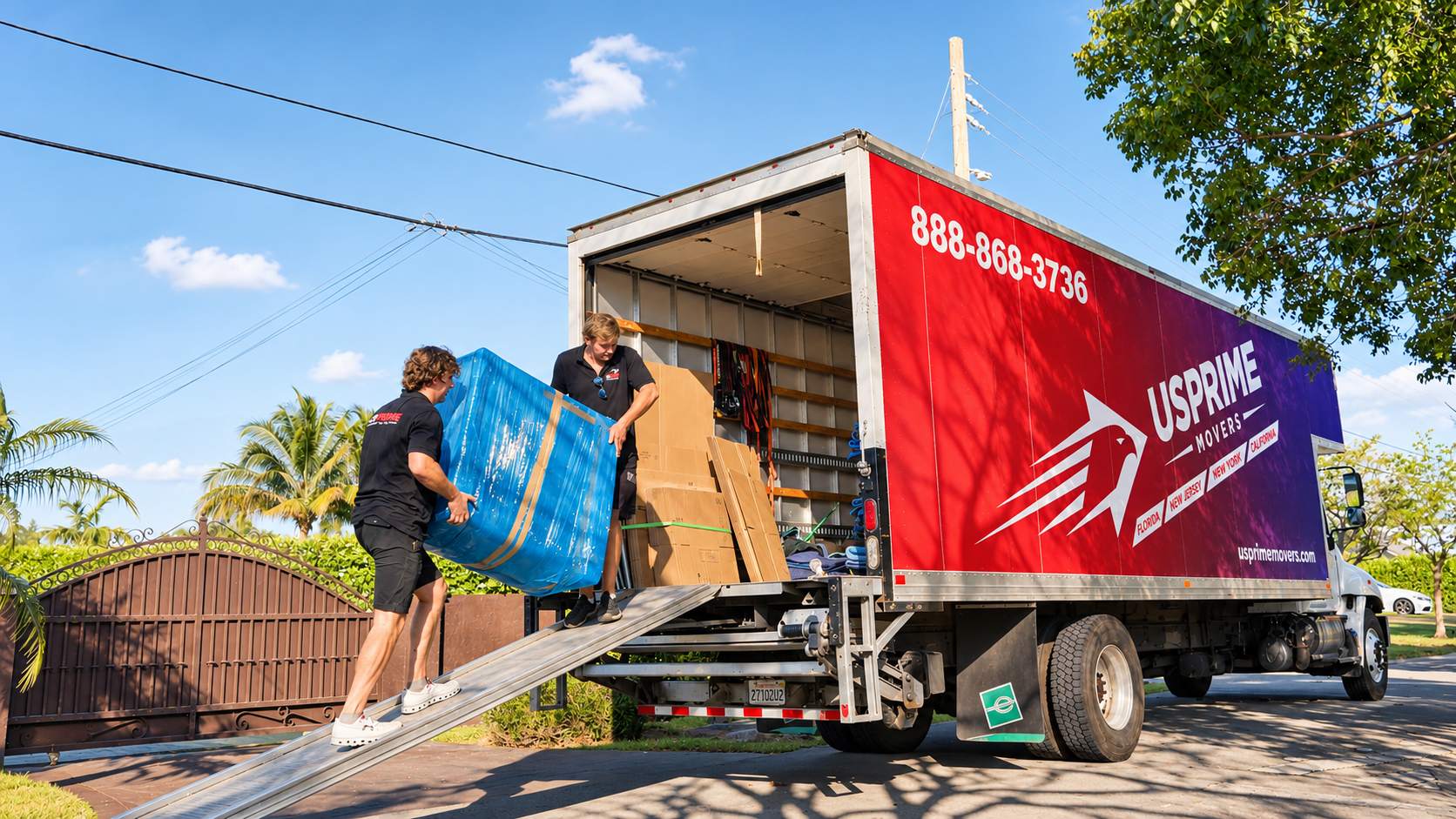
Finding affordable movers near me doesn't mean you have to compromise on quality or risk your belongings. With moving costs ranging from $2,000 to $8,000 for long-distance relocations in 2026, understanding how to identify budget-friendly yet reliable moving companies becomes essential. Whether you're planning an interstate move across the country or relocating to a neighboring state, the right approach to finding affordable movers can save you thousands while ensuring your possessions arrive safely at your new home.
Understanding What Makes Moving Services Affordable
Affordability in the moving industry extends beyond the bottom-line price. The most cost-effective movers balance competitive rates with transparent pricing, comprehensive insurance coverage, and professional service standards.
True Cost vs. Advertised Price
Many homeowners searching for affordable movers near me fall into the trap of choosing the lowest quoted price without examining what's included. Legitimate affordable movers provide itemized estimates that account for:
- Labor hours and crew size
- Transportation and fuel costs
- Insurance and liability coverage
- Packing materials and supplies
- Additional services like stairs or long carries
A genuinely affordable moving company delivers value through transparent pricing, not hidden fees that surface on moving day. Companies that provide binding estimates protect you from unexpected charges, even if the move takes longer than anticipated.

Licensing and Insurance Requirements
Before hiring any moving company, verify their credentials through the Federal Motor Carrier Safety Administration (FMCSA). Interstate movers must carry a valid USDOT number, while intrastate companies need appropriate state licensing. Checking mover credentials protects you from unlicensed operators who offer suspiciously low rates.
| Credential Type | Why It Matters | Where to Verify |
|---|---|---|
| USDOT Number | Federal authorization for interstate moves | FMCSA website |
| State License | Intrastate moving authority | State transportation dept |
| Insurance Coverage | Protects your belongings | Request certificate |
| Professional Affiliations | Industry standards compliance | Association websites |
Strategic Timing to Reduce Moving Costs
When you move significantly impacts the price you'll pay. Understanding seasonal and weekly pricing patterns helps you find affordable movers near me during less expensive periods.
Peak Season vs. Off-Season Rates
Moving companies charge premium rates from May through September when demand peaks. Families with school-age children drive this seasonal surge, particularly in June, July, and August. Off-season moves between October and April can cost 20-30% less for identical services.
Winter moves present additional savings opportunities, though weather considerations require careful planning for northern states. If your timeline permits flexibility, choosing off-peak moving dates represents one of the most effective strategies for reducing costs.
Mid-month and mid-week moves also command lower rates. Most leases expire at month's end, concentrating demand during the final week. Similarly, weekend moves cost more due to higher demand from working families.
Advance Booking Benefits
Securing your moving date 6-8 weeks ahead typically yields better rates than last-minute bookings. Early reservations allow moving companies to optimize their schedules, and they often pass these efficiencies to customers through discounted rates.
Planning ahead also provides time to implement cost-saving measures like decluttering, which reduces the volume of items requiring transport. Every 100 pounds eliminated from your move saves approximately $50-100 on long-distance relocations.
Obtaining and Comparing Multiple Estimates
The foundation of finding affordable movers near me rests on gathering detailed estimates from at least three companies. This comparison shopping reveals market rates while highlighting outliers that warrant skepticism.
In-Home Estimates vs. Online Quotes
While online calculators provide ballpark figures, in-home estimates deliver accuracy. Professional estimators assess your actual belongings, note special handling requirements, and identify potential challenges like narrow staircases or limited parking.
Request binding estimates rather than non-binding quotes when possible. Binding estimates guarantee the quoted price regardless of actual weight, provided you don't add items. This protection proves invaluable when budgeting for your move.
During the estimate process, ask specific questions:
- What's included in the base price?
- What additional charges might apply?
- What insurance options are available?
- How do you handle unexpected delays?
- What's your damage claims process?
Red Flags in Moving Estimates
Extremely low estimates often signal problematic movers. Companies offering prices 50% below competitors typically compensate through hidden fees, hostage loading (demanding more money before unloading), or poor service quality.
Warning signs include demands for large upfront deposits, lack of physical business address, refusal to provide written estimates, or absence of proper licensing. Researching moving companies thoroughly protects you from scams that plague the moving industry.
Reducing Costs Through DIY Preparation
Labor represents the largest component of moving costs. By handling portions of the preparation yourself, you reduce the hours movers spend on your job, directly lowering your final bill.
Packing Your Own Belongings
Professional packing services add $500-2,000 to long-distance moves depending on home size. While packing services ensure proper protection and save significant time, self-packing substantially reduces costs for budget-conscious movers.
Start packing 4-6 weeks before moving day, beginning with rarely used items. Source free boxes from grocery stores, liquor stores, and online marketplaces. Purchase packing paper and bubble wrap in bulk rather than small quantities.
Essential packing supplies needed for a typical three-bedroom home:
- 40-60 medium and large boxes
- 2-3 rolls of packing tape
- 20 pounds of packing paper
- 50-75 feet of bubble wrap
- Markers for labeling

Decluttering Before You Move
Every item you eliminate reduces moving costs. Cost-effective moving strategies emphasize decluttering as the single most impactful way to lower expenses. Sell valuable items through online marketplaces, donate usable goods to charities for tax deductions, and dispose of broken or obsolete possessions.
Focusing on high-volume, low-value items yields the best results. Old clothing, outdated electronics, duplicate kitchenware, and unused furniture consume truck space without adding value to your new home. For long-distance moves, replacing inexpensive bulky items often costs less than transporting them.
Flexible Service Options for Budget Moves
Not every move requires full-service handling. Understanding different service levels helps you match your needs with appropriate affordable movers near me.
Full-Service vs. Partial Services
Full-service moves include packing, loading, transportation, unloading, and unpacking. While convenient, this premium service costs significantly more than partial options. Hybrid approaches balance convenience with affordability:
| Service Level | What's Included | Best For | Cost Relative to Full-Service |
|---|---|---|---|
| Full-Service | Everything from packing to unpacking | Busy professionals, large homes | 100% (baseline) |
| Loading/Unloading Only | You pack, movers load/transport/unload | DIY packers with time | 60-70% |
| Transportation Only | You pack and load, movers transport | Maximum budget savings | 40-50% |
| Consolidated Shipping | Your items share truck space | Flexible delivery timeline | 50-60% |
For long-distance relocations, choosing long-distance moving services with transparent service tiers allows you to customize based on your budget and availability.
Storage Solutions for Flexible Moves
When your move-out and move-in dates don't align, temporary storage becomes necessary. Rather than renting separate storage units, inquire about integrated moving and storage services. Many professional movers offer warehouse storage at competitive rates, eliminating the need for double handling your belongings.
Evaluating Moving Company Credentials
Affordable doesn't mean unqualified. Legitimate budget-friendly movers maintain proper credentials, insurance coverage, and professional standards while offering competitive rates through operational efficiency rather than cutting corners.
Professional Certifications and Affiliations
Membership in organizations like the American Moving and Storage Association (AMSA) or ProMover certification indicates commitment to industry standards. These affiliations require adherence to ethical business practices and dispute resolution procedures.
Check online reviews across multiple platforms including Google, Yelp, and the Better Business Bureau. Look for patterns in feedback rather than isolated complaints. Companies with 4+ star averages across hundreds of reviews demonstrate consistent service quality.
Insurance and Liability Coverage
Federal law requires interstate movers to offer two liability options: Released Value Protection (free but minimal at $0.60 per pound) and Full Value Protection (additional cost but comprehensive). Understanding these options proves critical when selecting affordable movers near me.
Released Value Protection provides minimal coverage. A damaged 50-pound television receives only $30 compensation regardless of replacement cost. Full Value Protection requires movers to repair, replace, or compensate at current market value, though it increases moving costs by approximately 1-2% of the shipment value.

Additional Cost-Saving Strategies
Beyond major decisions about timing and service levels, numerous smaller strategies compound to reduce your total moving expenses significantly.
Negotiation Tactics That Work
Once you've gathered estimates, use them as leverage. If one reputable company quotes substantially less, ask higher-priced competitors if they can match or beat that rate. Many movers prefer negotiating rather than losing business to competitors.
Timing your booking strategically also creates negotiation opportunities. Companies with unfilled schedule gaps, particularly during slower periods, often discount rates to ensure trucks don't run partially empty.
Ask about available discounts explicitly. Many moving companies offer reductions for:
- Military personnel and veterans
- Senior citizens
- Students
- First responders
- Repeat customers
- Referrals from previous clients
Military families should specifically inquire about military moving services that understand PCS requirements and may offer specialized rates.
Maximizing Space Efficiency
Proper packing techniques reduce the cubic footage your belongings occupy, potentially moving you into a lower price tier. Fill boxes completely to prevent crushing during transport. Use soft items like towels and linens to wrap fragiles instead of purchasing excessive bubble wrap.
Disassemble furniture when possible. Removing table legs, bed frames, and shelving units reduces volume while protecting these items during transit. Keep hardware in labeled bags taped to the corresponding furniture pieces.
Tax Deductions and Employer Reimbursements
While the 2017 Tax Cuts and Jobs Act eliminated moving expense deductions for most taxpayers through 2025, active-duty military members relocating due to permanent change of station orders retain this benefit. The deduction covers reasonable moving and storage costs, including transportation and lodging.
Employer Relocation Packages
If you're moving for employment, negotiate relocation assistance before accepting the position. Many employers provide either direct payment to moving companies or reimbursement for documented expenses. Understanding your company's relocation policy helps you maximize available benefits.
Common relocation package components include:
- Direct payment to moving company
- Lump sum relocation allowance
- Temporary housing assistance
- Home sale/purchase support
- Spouse job search assistance
Even without formal relocation packages, employers sometimes offer signing bonuses or advances that can offset moving costs. Discuss options during salary negotiations.
Regional Cost Variations to Consider
Moving costs vary significantly based on origin and destination. High-cost-of-living areas like New York, California, and Washington typically command premium rates due to higher operational expenses, while moves involving rural areas may incur additional fees for extended travel.
For those relocating to major metropolitan areas, researching New York movers or investigating options in other target cities provides location-specific insights. Understanding regional pricing helps set realistic budget expectations.
Distance-based cost estimates for 2026 (3-bedroom home):
| Distance | Average Cost Range | Cost per Mile |
|---|---|---|
| Under 500 miles | $2,000-$3,500 | $4-$7 |
| 500-1,000 miles | $3,500-$5,500 | $3.50-$5.50 |
| 1,000-2,000 miles | $5,500-$7,500 | $2.75-$3.75 |
| Over 2,000 miles | $7,500-$12,000 | $2.50-$3.50 |
These estimates assume standard household goods without specialty items requiring extra care. Piano moving or antique transportation adds $200-$1,000 depending on item value and fragility.
Avoiding Common Pitfalls
Even with careful planning, homeowners searching for affordable movers near me sometimes encounter unexpected challenges. Awareness of common problems helps you avoid costly mistakes.
Hostage Loading Scams
Disreputable movers quote artificially low prices, then refuse to unload belongings until you pay inflated charges. They claim items weigh more than estimated or invent additional fees. Protect yourself by choosing licensed carriers, obtaining written binding estimates, and understanding your rights under federal moving regulations.
If you encounter hostage loading, document everything, refuse to pay unreasonable charges, and report the company to FMCSA. While this creates immediate hardship, paying extortion encourages these practices.
Damage and Claims Issues
Despite best efforts, damage occasionally occurs during moves. Understand the claims process before signing contracts. Reputable companies provide clear procedures for reporting damage and reasonable timelines for resolution.
File damage claims promptly, typically within nine months for interstate moves. Document all damage with photographs and detailed descriptions. Maintain copies of your inventory list, bill of lading, and estimate documents.
Planning Your Moving Budget
Creating a comprehensive budget prevents financial surprises during an already stressful transition. Account for both direct moving costs and ancillary expenses that many homeowners overlook.
Beyond professional movers, budget for:
- Cleaning supplies for both residences
- Utility connection/disconnection fees
- Address change notifications
- Travel expenses to new location
- Meals during moving days
- Tips for moving crew (15-20% of moving cost)
- Emergency fund for unexpected issues
Budgeting for moves effectively requires tracking all expenses from initial planning through final unpacking. Spreadsheets or moving budget apps help monitor spending against estimates.
Making Your Final Decision
After researching options, gathering estimates, and evaluating credentials, synthesize this information to select affordable movers near me that balance cost with reliability and service quality.
Decision-making criteria to prioritize:
- Licensing and insurance compliance (non-negotiable)
- Transparent, detailed estimates (eliminates surprise costs)
- Positive customer reviews (indicates consistent service)
- Reasonable pricing (competitive but not suspiciously low)
- Clear communication (responsive, professional interactions)
Trust your instincts when evaluating moving companies. If interactions feel unprofessional or estimates seem too good to be true, continue your search. The cheapest option rarely proves most affordable when accounting for potential damage, delays, or additional fees.
For households requiring specialized services, ensure your chosen company has relevant experience. Families with antiques, pianos, or valuable collections should verify expertise in handling these items before committing.
Understanding Moving Contracts
Before signing any agreement, read all contract terms carefully. Professional movers provide documents including the estimate, bill of lading, and inventory list. Each serves specific purposes in protecting both parties.
The bill of lading functions as both receipt and contract. It specifies pickup and delivery locations, service details, charges, and the company's liability. Review it thoroughly before movers leave your origin address.
Request clarification on any ambiguous language. Understand cancellation policies, payment schedules, and procedures for changing delivery dates. Many disputes arise from misunderstood contract terms rather than actual service failures.
Preparing for Moving Day
Proper preparation ensures your moving day proceeds smoothly, preventing delays that increase costs. Create a moving day essentials box containing items you'll need immediately upon arrival: toiletries, medications, important documents, basic tools, phone chargers, and snacks.
Confirm details with your moving company 48-72 hours before scheduled pickup:
- Arrival time window
- Crew size
- Contact information for crew leader
- Payment methods accepted
- Any last-minute changes to service
Clear pathways in both residences before movers arrive. Remove obstacles from hallways, doorways, and staircases. This prevents injuries and speeds the loading/unloading process, reducing hourly labor charges.
Reserve parking spaces or obtain necessary permits for moving trucks. Urban areas often require advance arrangements for large vehicle access. Failure to secure proper parking can delay your move and incur additional fees.
Post-Move Considerations
After successfully relocating with affordable movers near me, complete final tasks to close out your move properly. Inspect all belongings as they're unloaded, noting any damage on the inventory list before signing final paperwork.
Retain all moving-related documentation for at least one year. This includes estimates, contracts, bills of lading, inventory lists, and payment receipts. These records prove essential if you need to file damage claims or dispute charges.
Review your moving company on multiple platforms. Honest feedback helps future customers make informed decisions while providing valuable input to the company. Positive reviews for excellent service support reputable movers, while constructive criticism highlights areas for improvement.
Finding affordable movers near me requires research, planning, and strategic decision-making, but the effort pays dividends in reduced costs and stress-free relocation. By understanding pricing structures, comparing multiple estimates, and choosing licensed professionals who balance affordability with quality service, you protect both your budget and your belongings. When you're ready to plan your long-distance or interstate move, US Prime Movers offers transparent pricing, comprehensive insurance, and professional service across all 50 states with a focus on care and reliability that makes your transition smooth and affordable.