
Moving within or out of New York presents unique challenges that homeowners and renters face in 2026. The state's complex regulations, high-rise apartments, congested streets, and varying costs make choosing the right moving company critical. Whether you're relocating from Manhattan to Brooklyn or planning an interstate move to another state, understanding how new york movers operate helps you avoid costly mistakes and ensures your belongings arrive safely. This comprehensive guide covers everything you need to know about hiring professional movers, estimating costs, navigating regulations, and planning your relocation with confidence.
Understanding the New York Moving Landscape
The moving industry in New York operates under strict state regulations designed to protect consumers. According to theNew York State Department of Transportation, all movers must be properly licensed and registered to operate legally within the state. This regulatory framework ensures that companies maintain insurance coverage, follow safety protocols, and provide transparent pricing.
Recent migration data shows interesting trends. AU-Haul migration reportrevealed that New York ranked 47th in 2025, indicating more residents moving out than in. This outward migration pattern means experienced movers are essential for families planning interstate relocations.
Market Size and Industry Overview
The moving services market in New York remains substantial despite outward migration trends. According toIBISWorld market research, the industry continues to evolve with demand shifting toward long-distance and interstate services. Professional new york movers now offer specialized services beyond basic transportation, including packing, storage, and handling delicate items like pianos and antiques.

Cost Breakdown for New York Moves in 2026
Understanding moving costs helps you budget appropriately and avoid surprises. Prices vary significantly based on distance, volume, services required, and timing.
Local Move Pricing
For moves within New York City or between nearby locations, expect these typical rates:
| Service Type | Hourly Rate | Minimum Hours | Average Total |
|---|---|---|---|
| Studio/1BR | $120-$180 | 3-4 hours | $480-$720 |
| 2BR Apartment | $150-$250 | 4-6 hours | $750-$1,500 |
| 3BR Home | $200-$350 | 6-8 hours | $1,400-$2,800 |
| 4BR+ Home | $300-$500 | 8-10 hours | $2,800-$5,000 |
These estimates include labor and transportation but typically exclude packing materials and specialty services.
Long-Distance Move Estimates
Interstate relocations from New York follow different pricing structures based on weight and distance. Mostlong-distance moving servicescalculate costs using the total weight of your belongings and mileage.
Typical ranges for cross-country moves:
- 1-bedroom apartment (3,000-5,000 lbs) to California: $3,500-$6,000
- 2-bedroom home (5,000-7,000 lbs) to Florida: $2,800-$4,500
- 3-bedroom home (7,000-10,000 lbs) to Texas: $4,000-$7,000
- 4-bedroom home (10,000-14,000 lbs) to Washington: $6,500-$11,000
Additional factors affecting price include:
- Packing services: Add $500-$2,000 depending on home size
- Storage needs: $100-$300 per month for climate-controlled units
- Specialty items: Piano moving adds $300-$1,500 depending on type and stairs
- Time of year: Summer months (May-September) cost 20-30% more than winter
Choosing Licensed and Insured New York Movers
Verification of credentials protects you from fraud and ensures accountability. TheNew York State DOT regulationsrequire all moving companies to maintain specific licenses and insurance coverage.
Essential Credentials to Verify
- USDOT Number: Required for interstate moves, verify at FMCSA website
- NYS DOT Number: Mandatory for intrastate moves within New York
- Motor Carrier License: Confirms legal operation authority
- Insurance Coverage: Minimum liability and cargo protection
According toFreightwaves analysis, New York has hundreds of registered moving companies, but quality varies significantly. Always request proof of insurance and verify licenses before signing contracts.
Red Flags to Avoid
Watch for these warning signs when evaluating new york movers:
- Requests for large cash deposits upfront
- No physical address or only P.O. boxes listed
- Unmarked trucks or rental vehicles
- Estimates given without in-home inspection
- No written contract or vague terms
- Extremely low bids significantly below competitors
- Unwillingness to provide references
Professional companies provide detailed written estimates, explain their processes clearly, and maintain transparent communication throughout your move.

Planning Your New York Relocation Timeline
Proper timing makes the difference between a smooth move and a stressful experience. Start planning at least 8-12 weeks before your move date for long-distance relocations, or 4-6 weeks for local moves within New York.
8-12 Weeks Before Moving Day
Begin researching and contacting multiple moving companies to schedule in-home estimates. Request at least three quotes for comparison. According tomoving industry statistics, customers who obtain multiple estimates save an average of 15-20% compared to those who accept the first quote.
Create a detailed inventory of your belongings. This helps movers provide accurate estimates and assists with insurance claims if needed. Decide which items you'll move yourself versus entrusting to professionals.
Key tasks:
- Research and contact 3-5 moving companies
- Schedule in-home estimates
- Begin decluttering and organizing
- Research moving regulations if employer reimbursement applies
- Create moving budget with contingency funds
4-6 Weeks Before Move Date
Confirm your moving company and sign the contract. Review all terms carefully, including pickup and delivery windows, payment schedules, and cancellation policies. Book specialty services likepiano movingif needed, as these require specific equipment and trained personnel.
Order packing supplies or arrange forprofessional packing services. Professional packers typically complete a 3-bedroom home in one day, saving you considerable time and ensuring proper protection for fragile items.
2-3 Weeks Before Moving Day
Confirm all details with your moving company, including exact addresses, contact numbers, and any access restrictions at either location. New York buildings often require advance notice for elevator reservations and building insurance certificates from moving companies.
Begin packing non-essential items room by room. Label boxes clearly with contents and destination rooms. Create an essentials box with items you'll need immediately upon arrival.
Navigating New York-Specific Moving Challenges
The dense urban environment creates unique obstacles that experienced new york movers handle routinely but can overwhelm those attempting DIY moves.
Building Access and Parking Permits
Manhattan and Brooklyn high-rises require specific documentation and reservations. Most buildings mandate:
- Certificate of insurance from your moving company
- Elevator reservations (often limited to specific hours)
- Building access forms completed in advance
- Damage deposit for common areas
Street parking presents additional complications. NYC requires permits for moving trucks to reserve parking spaces. Your moving company should handle permit acquisition, but verify this responsibility in your contract.
| Borough | Permit Cost | Processing Time | Notes |
|---|---|---|---|
| Manhattan | $50-$200 | 2-3 business days | High demand, book early |
| Brooklyn | $40-$150 | 1-2 business days | Varies by neighborhood |
| Queens | $35-$125 | 1-2 business days | Easier access generally |
| Bronx | $30-$100 | 1 business day | Less restrictive |
| Staten Island | $25-$75 | Same day possible | Most flexible |
Seasonal Considerations
New York weather impacts moving logistics year-round. Summer brings heat and humidity requiring extra care for temperature-sensitive items. Winter snow and ice create safety hazards and potential delays.
Best times to move in New York:
- Spring (April-May): Moderate weather, before peak summer rates
- Fall (September-October): Cooler temperatures, post-summer rush
- Weekdays: 20-30% lower rates than weekends
- Mid-month: Avoid month-end when most leases turn over
For families with children,ConsumerAffairs statisticsshow that summer remains the most popular moving season despite higher costs, as it aligns with school schedules.
Specialty Moving Services in New York
Beyond standard household moves, professional new york movers offer specialized services for valuable and delicate items requiring extra care and expertise.
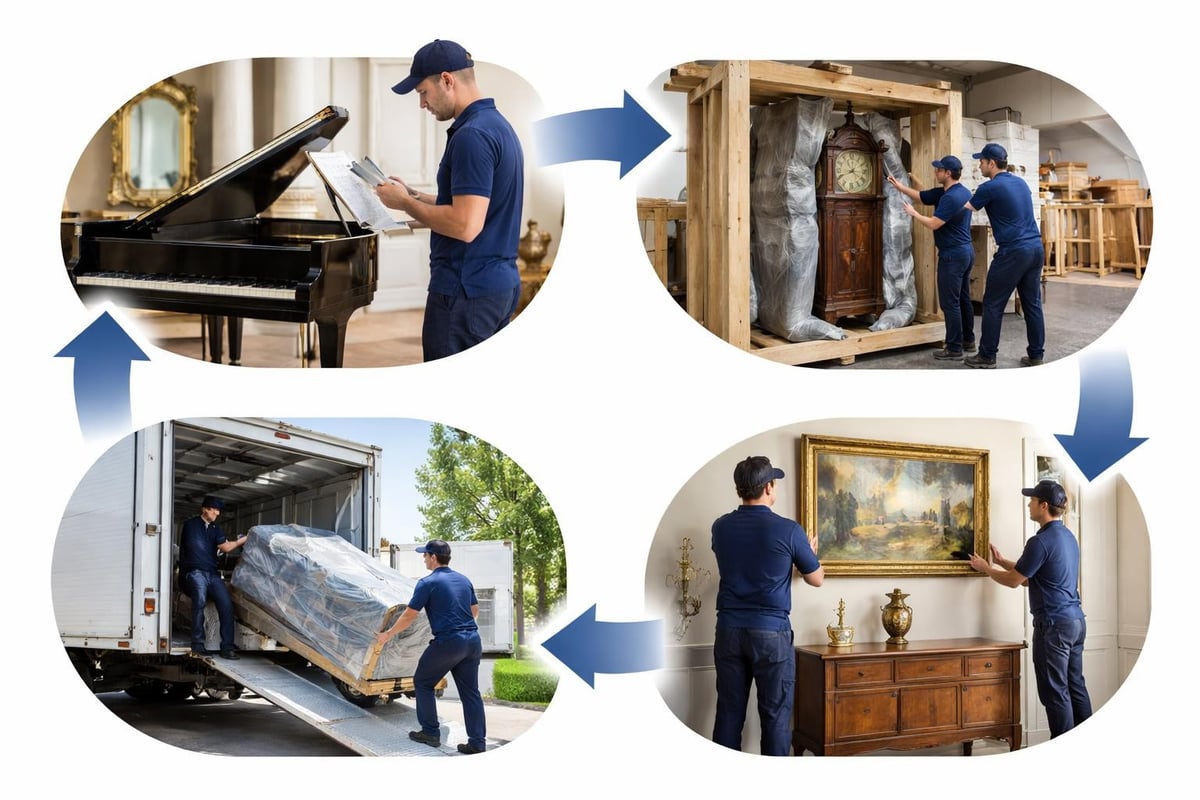
Piano and Antique Transportation
Moving pianos, antiques, and specialty items demands specific knowledge and equipment. Grand pianos weigh 500-1,200 pounds and require disassembly, protective padding, specialized dollies, and often crane services for upper-floor access. Experienced movers understand weight distribution, proper wrapping techniques, and climate control requirements during transport.
Storage Solutions During Relocation
Many relocations require temporary storage between move-out and move-in dates.Moving and storage servicesprovide secure, climate-controlled facilities that protect your belongings during transition periods. This flexibility proves invaluable when closing dates don't align perfectly or when downsizing requires time to sort possessions.
Interstate Moves Originating from New York
The majority of moves from New York in 2026 are interstate relocations. Understanding the differences between local and long-distance moves helps you prepare appropriately.
Interstate vs. Intrastate Regulations
Interstate moves fall under federal FMCSA regulations, while intrastate moves follow New York state rules. Your chosen company must hold appropriate licenses for the type of move you're planning. Interstate movers provide binding or not-to-exceed estimates based on weight, while local movers typically charge hourly rates.
Popular Destination States
Recent data shows New York residents most frequently relocate to:
- Florida: Lower taxes, warmer climate, no state income tax
- New Jersey: Proximity to NYC, lower cost of living
- Pennsylvania: Affordable housing, shorter commute
- North Carolina: Growing job market, moderate climate
- Texas: Economic opportunities, no state income tax
Each destination state has different regulations and timelines. For example, moves toCaliforniatypically take 7-10 days cross-country, while moves toFloridacomplete in 3-5 days depending on route and stops.
Protection and Insurance Options
Understanding your coverage options prevents financial loss from damage or loss during transit. All licensed movers must offer basic liability coverage, but this provides minimal protection.
Standard Coverage vs. Full Value Protection
Basic Released Value Protection(included free):
- Covers $0.60 per pound per article
- Example: 50-pound TV damaged = $30 maximum compensation
- Insufficient for most valuable items
Full Value Protection(additional cost):
- Movers repair, replace, or compensate current market value
- Costs approximately 1-2% of declared shipment value
- Example: $50,000 shipment = $500-$1,000 additional coverage cost
Evaluate your belongings' total value and choose coverage accordingly. Document valuable items with photos and receipts before moving. Homeowners or renters insurance policies sometimes extend coverage during moves, so verify with your insurance provider.
Preparing for Move Day Success
Organization on moving day minimizes stress and prevents miscommunication with your moving crew. Start early and maintain clear communication throughout the process.
Morning of the Move
Be present when movers arrive to conduct the walkthrough. Point out any items requiring special handling, access challenges, or fragile belongings. Review and sign the bill of lading, which serves as your contract and inventory for the move.
Keep important documents, medications, valuables, and essentials separate from items being loaded. These should travel with you personally rather than on the moving truck.
Communication During the Move
Exchange contact information with your moving crew leader. For long-distance moves, establish check-in schedules so you know the truck's location and estimated arrival time. Professional companies provide tracking systems and regular updates throughout transit.
Items to keep with you:
- Important documents (birth certificates, passports, titles)
- Medications and medical records
- Valuables and jewelry
- Electronics and chargers
- First-night essentials (toiletries, change of clothes)
- Pet supplies if applicable
Questions to Ask Potential Moving Companies
Thorough vetting prevents problems later. Ask these specific questions during your research phase:
What's included in your estimate?Clarify labor, materials, fuel, tolls, and any additional fees.
For specific service needs, inquire about expertise. If you needstate-to-state moving services, verify the company's experience with your particular destination and route.
Understanding Moving Estimates and Contracts
Three types of estimates exist, each with different implications for your final cost.
Types of Moving Estimates
| Estimate Type | Binding? | Final Cost | Best For |
|---|---|---|---|
| Non-binding | No | Can exceed estimate | Flexible situations |
| Binding | Yes | Fixed price | Budget certainty |
| Not-to-exceed | Yes | At or below estimate | Best of both worlds |
Non-binding estimatesprovide approximate costs based on estimated weight and services. Final charges depend on actual weight and services rendered, potentially exceeding the original quote significantly.
Binding estimatesguarantee the quoted price regardless of actual weight, assuming services and inventory remain unchanged. This protects against unexpected cost increases but may result in overpayment if actual weight is less than estimated.
Not-to-exceed estimatescap your maximum cost while allowing for savings if the actual weight is lower than estimated. This option provides budget protection while maintaining potential for cost reduction.
Always obtain written estimates and read contracts thoroughly before signing. Verbal quotes hold no legal weight and provide no protection if disputes arise.
Managing Moving Day Logistics in NYC
New York City's unique infrastructure requires specific strategies for successful move execution. Coordination with building management, attention to timing, and understanding access limitations prevent delays and additional charges.
Working with Building Management
Contact your building management office at both origin and destination locations at least two weeks before moving day. Provide your moving company's certificate of insurance and request elevator reservations during optimal hours. Some buildings restrict moves to weekdays or specific time windows, while others charge fees for elevator use or common area access.
Document the condition of hallways, elevators, and common areas with photos before the move begins. This protects you from false damage claims against your security deposit.
Protecting Your Belongings During Transit
Professional new york movers use specific techniques to prevent damage during loading, transit, and unloading. Furniture receives protective padding and shrink wrap. Fragile items go in specifically marked boxes with cushioning materials. Large items are often disassembled for safer transport and easier maneuvering through tight spaces.
For long-distance moves, items are strategically loaded with weight distribution in mind. Heavier items go on the bottom and toward the front of the truck, while lighter and more fragile items are secured on top and toward the rear.
Post-Move Tasks and Follow-Up
After your belongings arrive at your new location, several important tasks require attention within specific timeframes.
Immediate Inspection and Documentation
Conduct a thorough inspection of all items as they're unloaded. Note any damage on the inventory sheet before signing. Take photos of damaged items immediately. Most moving companies require damage claims within specific timeframes, often 9 months for interstate moves and shorter periods for local relocations.
Check that all boxes and furniture items on the original inventory arrived. Report missing items to your moving company immediately, as timely reporting strengthens your claim.
Address Changes and Updates
Update your address with relevant parties within the first week:
- USPS mail forwarding service
- Driver's license and vehicle registration
- Voter registration
- Banks and credit card companies
- Insurance providers
- Employer and healthcare providers
- Subscription services and utilities
New York residents moving out of state should understand their tax obligations. New York State taxes income earned while a resident, so clarify your residency status change date for tax purposes.
Sustainable Moving Practices
Environmental consciousness increasingly influences how people approach relocations. Implementing eco-friendly practices reduces waste while potentially lowering costs.
Reducing Moving Waste
Traditional moves generate substantial waste from boxes, packing materials, and discarded items. Consider these sustainable alternatives:
- Reusable containers: Rent plastic moving bins instead of cardboard boxes
- Recycled materials: Use newspaper, towels, and linens for padding
- Digital decluttering: Donate or sell items rather than discarding
- Right-sizing: Move only what you need, reducing fuel consumption
Many professional movers now offer eco-friendly packing materials and carbon offset programs for long-distance transportation. Ask potential companies about their sustainability initiatives when comparing options.
Successfully navigating a New York relocation requires careful planning, thorough research, and partnership with experienced professionals who understand the unique challenges of moving in and out of the state. By verifying credentials, understanding costs, preparing adequately, and choosing qualified new york movers, you protect your belongings and reduce stress during this major life transition. Whether you're moving across town or across the country,US Prime Moversprovides the expertise, equipment, and customer-focused service to ensure your relocation proceeds smoothly from start to finish.