
Moving to a new home brings excitement and fresh opportunities, but the process of packing for moving house can feel overwhelming without a solid plan. Whether you're relocating across state lines or moving to a neighboring city, the way you pack determines how smoothly your transition unfolds. This comprehensive guide walks you through proven strategies that protect your belongings, save time, and reduce stress during what can otherwise be a chaotic period.
Creating Your Packing Timeline
Starting early makes all the difference when preparing for a move. Most homeowners underestimate how long proper packing takes, leading to last-minute panic and poor organization.
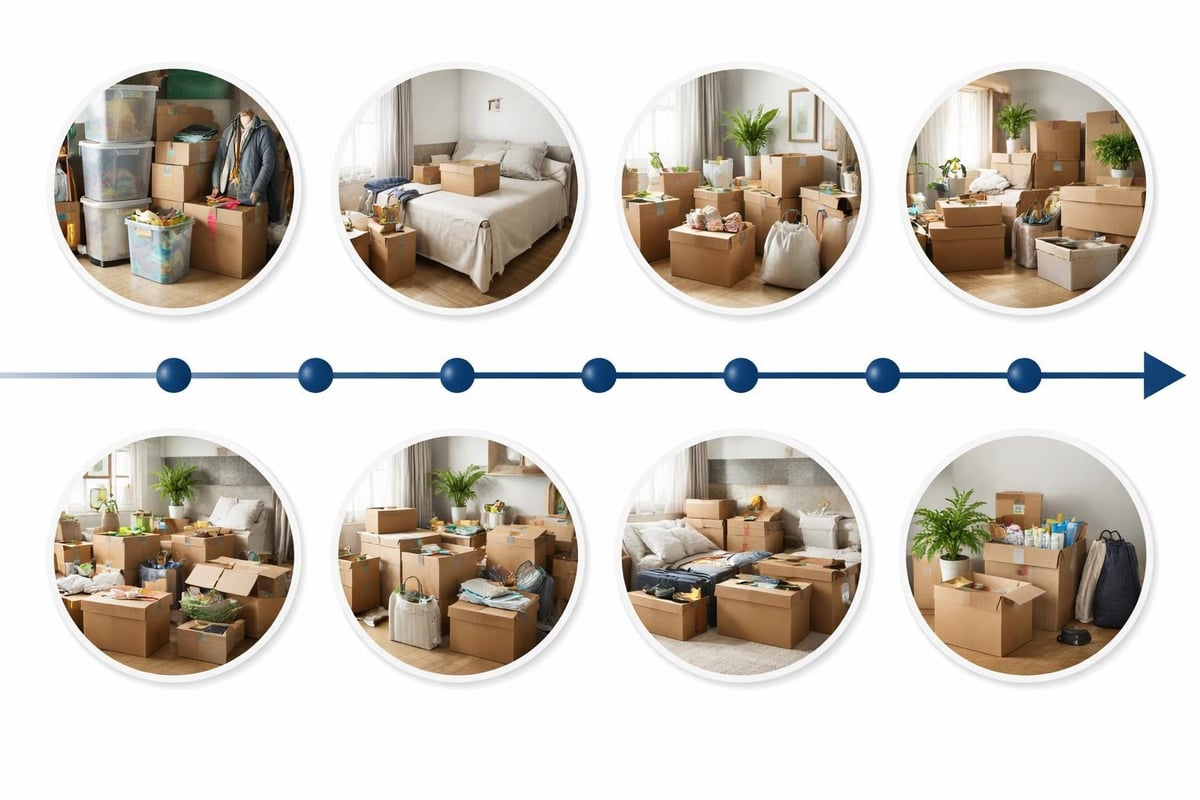
For a typical three-bedroom home, allocatesix to eight weeksfor complete packing. Single individuals in apartments can manage with four weeks, while families with children or larger homes may need ten weeks or more. TheNational Association of Realtorsrecommends breaking the timeline into manageable phases rather than attempting everything in rushed final days.
Week-by-Week Breakdown
Weeks 6-8:Begin with storage areas, attics, basements, and seasonal items you won't need before moving day. This includes holiday decorations, out-of-season clothing, and rarely used kitchen appliances.
Weeks 4-5:Pack guest rooms, formal dining areas, books, and decorative items. These rooms typically contain non-essential items that won't disrupt daily life when boxed.
Weeks 2-3:Focus on bedrooms, most kitchen items, and garage contents. Leave only essentials you'll need in the final days.
Final Week:Pack remaining kitchen essentials, bathroom supplies, and prepare your "first day" boxes with immediate necessities for your new home.
This phased approach prevents the common mistake of packing too quickly and forgetting where crucial items are located.
Gathering Essential Packing Supplies
Quality materials protect your belongings during transport, especially for long-distance moves where items experience more handling and road vibration.
Supply Checklist and Quantities
| Item | Small Apartment | 3-Bedroom Home | Large House |
|---|---|---|---|
| Moving boxes (various sizes) | 25-30 | 60-80 | 100-150 |
| Packing paper | 10 lbs | 25 lbs | 40 lbs |
| Bubble wrap rolls | 2-3 | 5-7 | 10-12 |
| Packing tape rolls | 4-6 | 10-15 | 20-25 |
| Permanent markers | 3-4 | 6-8 | 10-12 |
| Furniture blankets | 5-8 | 15-20 | 25-30 |
Purchase new boxes rather than using old ones that may have weakened structural integrity. While reused boxes save money initially, they risk collapsing during a move and damaging contents.This Old Housenotes that proper materials significantly reduce damage claims.
Specialty boxes matter for specific items. Wardrobe boxes keep hanging clothes wrinkle-free, dish pack boxes have reinforced sides for fragile kitchenware, and mirror boxes adjust to various frame sizes. If you're moving delicate specialty items like pianos or antiques, professionalpacking servicesprovide custom crating and materials designed for secure long-distance transport.
Room-by-Room Packing Strategy
Systematic room-by-room packing prevents mixing items from different areas, which simplifies unpacking tremendously.
Kitchen Packing Essentials
Kitchens contain the most breakable items and require careful attention. Start with items you rarely use: fancy serving platters, seasonal cookware, and specialty appliances.
Dishes and glasswareneed individual wrapping with packing paper. Place plates vertically on edge rather than stacked flat, as this positioning distributes weight better during transport. Nest glasses carefully, wrapping each one and filling hollow spaces with crumpled paper.
Pots and pansstack efficiently with paper between each piece. Remove lids and pack them separately to prevent scratching. Small appliances should be boxed with their original packaging when possible, or wrapped thoroughly in bubble wrap.
Never pack cleaning supplies with food items or dishes. Chemical leaks can contaminate items and create health hazards. Similarly, dispose of or personally transport perishable foods rather than packing them.
Bedroom Organization
Begin packing for moving house in bedrooms by sorting clothing into keep, donate, and discard piles. Most households accumulate clothing they never wear, and moving provides the perfect decluttering opportunity.
Use wardrobe boxes for hanging clothes to maintain their condition. For folded clothing,Tom's Guiderecommends the anti-wrinkle method of rolling garments rather than folding to maximize space and minimize creases.
Dresser drawerscan often remain filled with soft clothing like t-shirts and pajamas, saving time and boxes. Simply stretch plastic wrap around the entire dresser to secure drawers during transport. Remove and separately pack anything heavy, fragile, or valuable.
Bedding and linens compress well in vacuum-seal bags, reducing volume significantly. However, avoid vacuum-sealing down comforters long-term, as prolonged compression damages fill material.
Living and Family Rooms
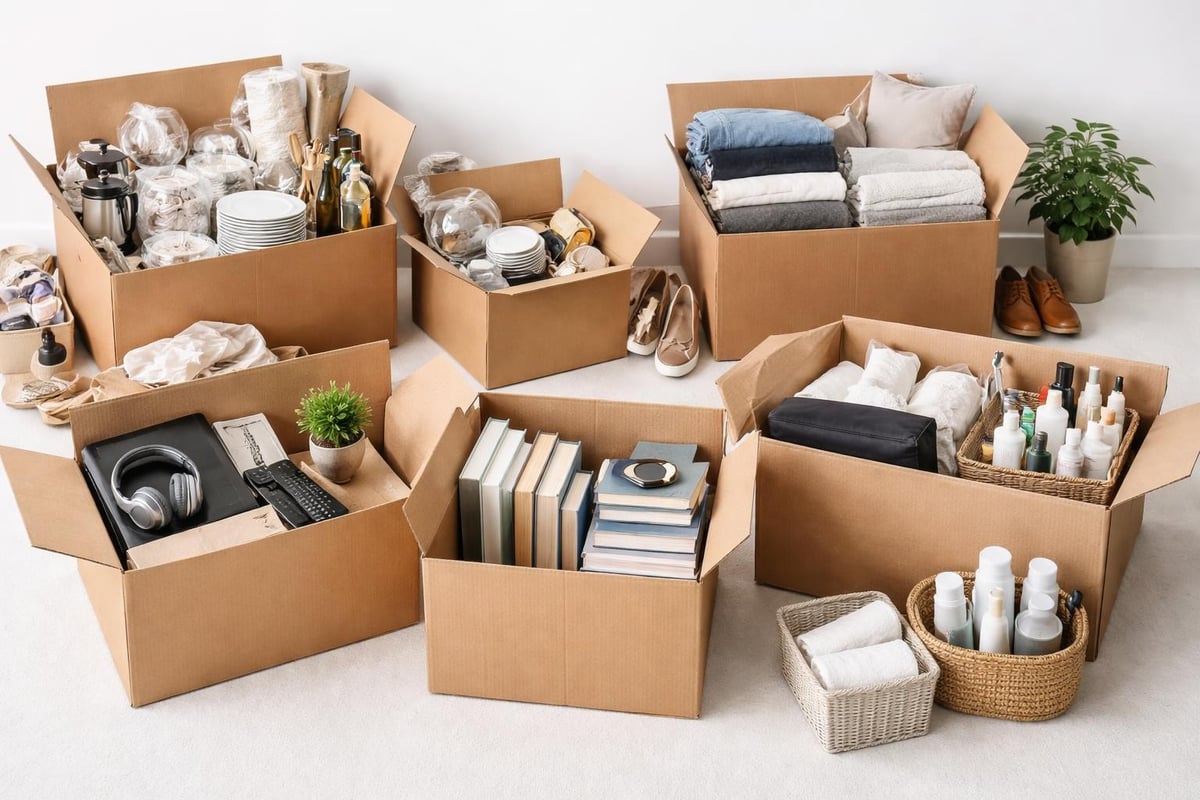
Electronics require original boxes when available. If you've discarded them, wrap each device in bubble wrap and pack in appropriately sized boxes with padding on all sides. Photograph cable connections before disconnecting anything so reassembly becomes straightforward.
Booksare deceptively heavy. Use small boxes and pack them spine-down to prevent damage. Fill larger boxes only halfway with books, then add lighter items on top. A box of books should never exceed 40 pounds to prevent injury during lifting.
Artwork and mirrors need special handling. Never lay them flat in moving trucks where other items can stack on top. Instead, wrap them in bubble wrap, place in mirror boxes or between furniture blankets, and transport them upright. For valuable pieces, consider professional handling through specializedantique moving services.
Bathroom Preparation
Seal all liquid containers with plastic wrap under their caps before closing. Place these items in sealed plastic bags as secondary leak protection.Homes & Gardensadvises against packing partially used toiletries that might spill, suggesting you finish or discard them instead.
Medicines should travel with you personally rather than in the moving truck, especially prescriptions and temperature-sensitive items. This ensures immediate access and prevents damage from temperature fluctuations.
Labeling and Inventory Systems
Clear labeling transforms unpacking from frustration to efficiency. Each box needs multiple pieces of information to be truly useful.
Effective Label Components
- Destination room in large, bold letters visible from multiple angles
- General contents description (e.g., "Kitchen - Pots and Pans")
- Fragile designation when applicable, marked on all box sides
- Priority number indicating unpacking order (1 for essentials, 5 for storage items)
- Box number from your master inventory list
Create a master inventory spreadsheet listing each numbered box and its contents. This digital record helps locate specific items without opening every box. Include columns for box number, room, detailed contents, and any special handling notes.
Color-coding by room adds visual organization. Assign each room a color and mark boxes with corresponding tape or stickers. This system helps movers place boxes in correct rooms without reading detailed labels.
Items Requiring Special Consideration
Certain belongings demand extra attention during packing for moving house to ensure they arrive undamaged.
Fragile and Valuable Items
China and crystalneed dish pack boxes with cell dividers that create individual compartments. Wrap each piece in multiple layers of packing paper and fill all empty spaces in the box to prevent shifting.
Lamps and lampshadespack separately. Remove bulbs, wrap bases in bubble wrap, and pack shades in their own boxes with ample paper padding. Never nest shades inside each other, as this creates pressure points.
Musical instrumentsrequire climate-controlled transport and specialized packing. If you're relocating a piano, professionalpiano movershave the equipment and expertise to handle these delicate, heavy instruments safely across long distances.
Items That Shouldn't Be Packed
Some belongings should never go in the moving truck for safety or legal reasons:
- Hazardous materials: paint, propane, chemicals, ammunition
- Perishable food items
- Plants (many states prohibit transport across borders)
- Important documents: passports, birth certificates, financial records
- Irreplaceable items: family photos, heirlooms, jewelry
- Medications and medical supplies
Transport these items personally in your vehicle where you maintain control and access throughout the move.
Protecting Furniture and Large Items
Furniture protection prevents scratches, dents, and breaks during loading and transport.
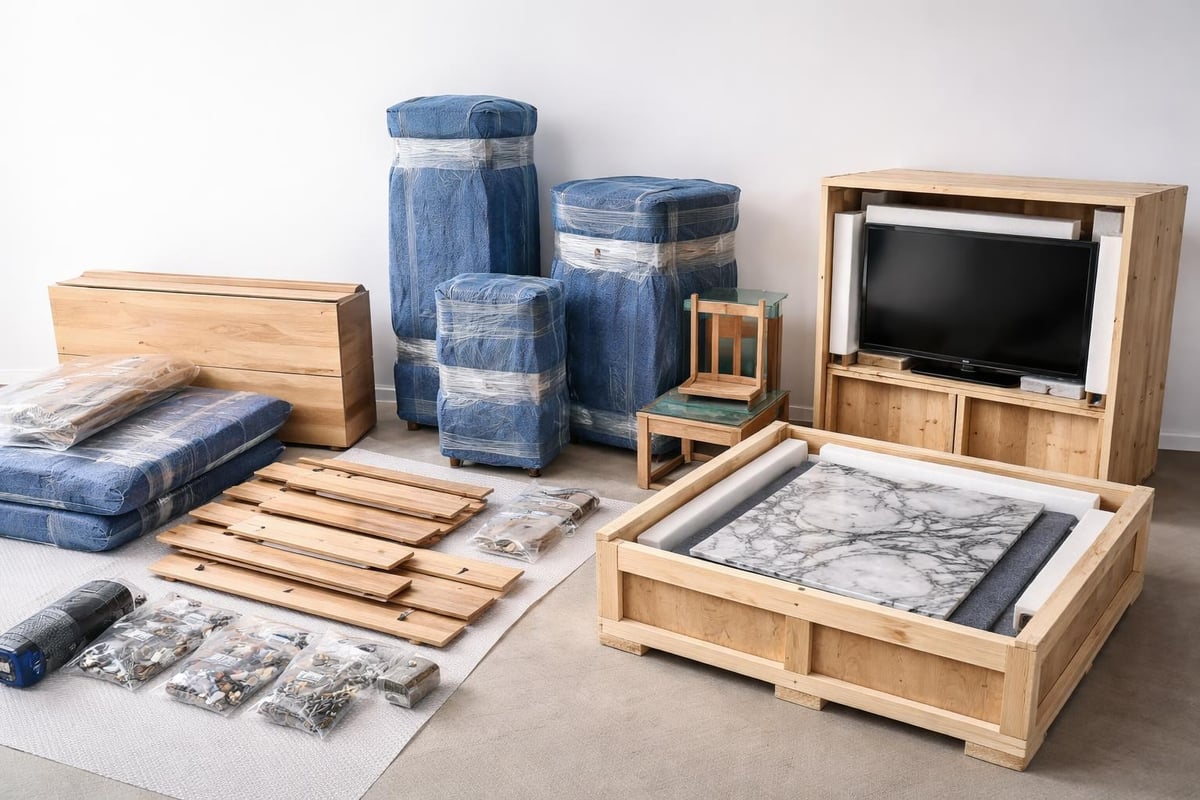
Disassemble everything possible. Beds, tables, and shelving units transport more safely and efficiently in pieces. Place all hardware in labeled plastic bags taped to the corresponding furniture piece to avoid losing small parts.
Wrap all furniturein moving blankets secured with packing tape or stretch wrap. Pay special attention to corners and protruding elements. Remove table legs when possible and wrap them separately.
Mattresses and box springsneed mattress bags to protect from dirt and moisture. These inexpensive covers prevent stains during transport and storage.
For valuable antique furniture, consider professional handling. Antiques often require climate-controlled transport and specialized knowledge to prevent damage to delicate finishes or joints.
Packing Efficiency Tips
Smart packing strategies save time, money, and energy throughout the process.
Maximize Box Space
Use soft items as packing material.Towels, blankets, and clothing can cushion fragile items while reducing the number of boxes needed. Wrap dishes in dish towels, nestle small items inside pots wrapped with clothing, and use linens to fill empty spaces.
Fill every box completely.Partially filled boxes collapse under weight when stacked, causing damage. Add crumpled paper or soft items to fill voids.
Keep weight reasonable.Even if a box isn't full, seal it when it reaches 40-50 pounds. Excessively heavy boxes risk breakage and injury.
Time-Saving Techniques
Pack one room completely before starting another. This focused approach maintains organization and creates a sense of accomplishment as completed rooms accumulate.
Allstate's packing tipsrecommend designating a dedicated packing room where supplies and packed boxes accumulate. This central location prevents clutter from spreading throughout your home and keeps materials accessible.
Create an essentials box for each family member containing clothing, toiletries, medications, and personal items needed for the first few days in your new home. These boxes travel with you rather than on the truck, ensuring immediate access to necessities.
Common Packing Mistakes to Avoid
Learning from others' errors saves frustration during your move.
| Mistake | Consequence | Solution |
|---|---|---|
| Starting too late | Rushed packing, poor organization | Begin 6-8 weeks before moving |
| Overpacking boxes | Broken boxes, injuries | Limit boxes to 50 pounds maximum |
| Poor labeling | Can't find essentials, wrong room placement | Label all sides with room and contents |
| Skipping inventory | Lost items, insurance claim difficulties | Maintain detailed inventory list |
| Using cheap materials | Damaged belongings | Invest in quality boxes and packing supplies |
| Packing prohibited items | Safety hazards, legal issues | Review and remove hazardous materials |
Another frequent error involves packing items you'll need immediately upon arrival. Your first-night essentials should include bedding, basic toiletries, phone chargers, important documents, and a change of clothes for each family member.
Managing Stress During the Packing Process
Relocating ranks among life's most stressful events, but strategic approaches reduce anxiety.
Break tasks into daily goalsrather than viewing packing as one enormous project. Commit to packing two boxes daily for eight weeks rather than attempting marathon packing sessions that lead to burnout.
Involve family membersby assigning age-appropriate tasks. Children can pack their own rooms with supervision, teaching responsibility while reducing your workload. Make it engaging by letting them decorate their boxes or choose packing music.
Ask for helpwhen needed. Friends often willingly assist with packing in exchange for pizza and drinks. For comprehensive assistance, professional packing services handle everything from supplying materials to boxing your entire household.
Cost Considerations for Packing Materials
Understanding packing expenses helps budget accurately for your move.
DIY packing material costsfor a three-bedroom home typically range from $200 to $400, including boxes, tape, paper, and bubble wrap. This assumes purchasing new materials from moving supply retailers.
Free or low-cost alternativesreduce expenses. Grocery stores, liquor stores, and bookstores often provide free boxes. However, ensure these boxes remain sturdy and clean, as used boxes may harbor pests or have compromised structural integrity.
Professional packing servicescost between $300 and $2,000 depending on home size and service level. While this represents significant additional expense, professionals pack efficiently, use optimal materials, and often include insurance coverage for items they pack. For interstate orlong-distance moves, professional packing can provide valuable peace of mind.
Preparing for Moving Day
The final days before your move require specific preparation to ensure smooth loading.
Create a "Do Not Pack" zonein one room where items traveling with you accumulate. This prevents accidentally packing essential documents, medications, or valuables.
Confirm box placementby reviewing your floor plan and marking where each room's boxes should be positioned. Share this plan with movers so they place items correctly from the start.
Conduct a final walkthroughof every room, closet, cabinet, and storage area. Check behind doors, on high shelves, and in unusual spots where forgotten items hide. Verify that nothing remains in the oven, dishwasher, or washing machine.
For those coordinating complex relocations, particularlymilitary families on PCS ordersmanaging tight deadlines and specific requirements, having everything packed and ready on schedule becomes especially critical.
Additional Resources and Professional Support
Numerous resources provide supplemental guidance for specific packing challenges.
Video tutorials offer visual demonstrations of packing techniques. Platforms like YouTube feature detailed guides on everything from wrapping dishes to packing electronics, making complex tasks more approachable through step-by-step visual instruction.
Moving checklists keep you organized throughout the process. Downloadable templates help track completed tasks, schedule utility transfers, and manage the dozens of details that accompany relocation.
When packing feels overwhelming or time constraints make DIY packing impractical, professional assistance streamlines the process significantly. Experienced packers work efficiently, understand proper techniques for various items, and supply all necessary materials. For comprehensive moving solutions, explore the full range ofUS Prime Movers servicesdesigned to simplify every aspect of your relocation.
Successful packing for moving house requires planning, quality materials, and systematic execution, but the effort pays dividends when you arrive at your new home with everything intact and organized. Whether you choose to handle packing yourself or need professional assistance,US Prime Moversoffers comprehensive moving solutions tailored to your needs, from full-service packing to secure long-distance transport across all 50 states. Request your free quote today and discover how our experienced team can make your next move the smoothest one yet.