
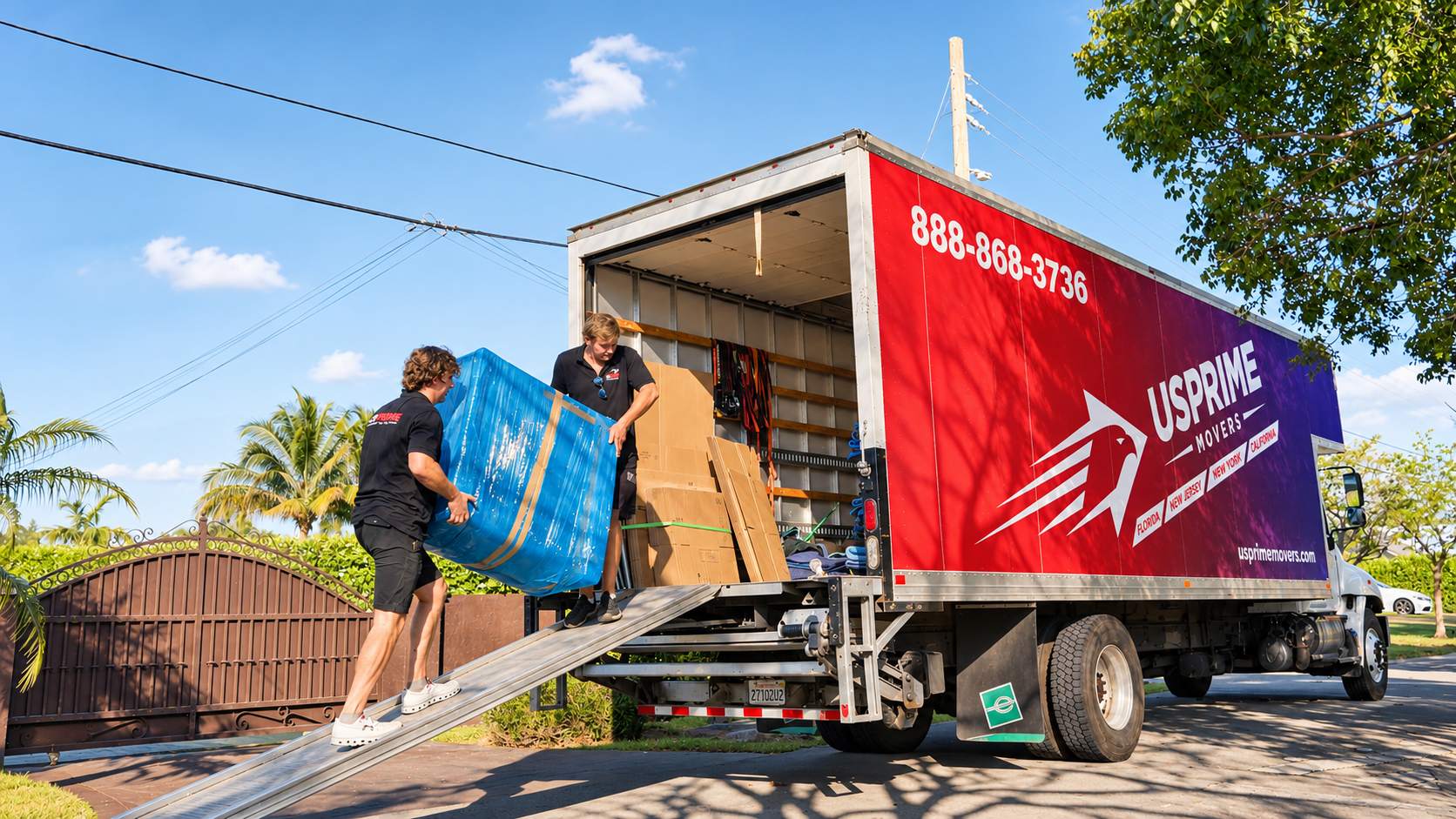
Moving across state lines represents one of life's most significant transitions. Whether you're relocating for a new job, family reasons, or a fresh start, the logistics of an interstate move can feel overwhelming. Understanding how to select qualified out of state movers and navigate the complexities of cross-country relocation makes the difference between a stressful ordeal and a smooth transition to your new home.
Understanding Out of State Moving Regulations
Interstate moves fall under federal jurisdiction, which means specific regulations protect consumers during cross-country relocations. The Federal Motor Carrier Safety Administration (FMCSA) oversees all interstate moving companies, requiring them to maintain proper licensing and registration.
Every legitimate moving company performing out of state moves must have a U.S. DOT number issued by the FMCSA. This number allows you to verify the company's safety record, complaint history, and insurance coverage through the FMCSA's database. Before hiring any mover, confirm their DOT number and check their standing.
Key Federal Protections
When you hire out of state movers, federal law guarantees several protections:
- Written estimates: Movers must provide either binding or non-binding written estimates
- Bill of rights: You receive a document outlining your rights and responsibilities
- Claim procedures: Clear instructions on filing damage or loss claims
- Dispute resolution: Access to neutral arbitration for unresolved conflicts
Understanding interstate moving laws helps you recognize your rights and identify potential scams. Unlicensed movers often operate outside these protections, leaving you vulnerable to fraud or damage without recourse.

Cost Factors for Interstate Relocations
Out of state moving costs vary significantly based on distance, volume, services, and timing. Unlike local moves charged by the hour, interstate relocations typically cost between $2,500 and $8,500 for a typical three-bedroom home.
| Distance | Average Cost Range | Timeline |
|---|---|---|
| 500 miles | $2,500 - $4,000 | 2-4 days |
| 1,000 miles | $3,500 - $5,500 | 4-7 days |
| 2,000 miles | $5,000 - $7,500 | 7-14 days |
| Cross-country (2,500+ miles) | $6,500 - $10,000+ | 10-21 days |
Several variables influence your final price. Weight represents the primary cost driver for most interstate moves. Companies either weigh your shipment or calculate cubic feet to determine pricing. Additional factors include fuel costs, seasonal demand, accessibility at both locations, and specialty item handling.
Hidden Costs to Anticipate
Budget beyond the base quote to avoid surprises:
- Long carry fees: Charged when movers walk more than 75 feet from truck to entrance
- Shuttle service: Required when large trucks cannot access your street
- Storage-in-transit: Fees if delivery dates change and items need temporary warehousing
- Packing materials: Boxes, tape, bubble wrap, and specialty containers
- Valuation coverage: Basic liability covers only $0.60 per pound; full value protection costs extra
Understanding the cost of living differences between states helps you budget for both moving expenses and post-relocation adjustments. States with no income tax or lower housing costs might offset higher moving expenses.
Choosing the Right Out of State Movers
Not all moving companies handle interstate relocations equally. Researching and vetting potential movers protects your belongings and prevents common moving scams that target cross-country customers.
Start by gathering at least three written estimates. Reputable companies offer free in-home assessments where they inventory your belongings and provide accurate quotes. Be suspicious of estimates given over the phone or online without seeing your actual items.
Red Flags to Avoid
Watch for these warning signs when evaluating out of state movers:
- No physical address or legitimate office location
- Demands for large deposits or cash-only payments
- Unmarked rental trucks instead of branded company vehicles
- Refusal to provide DOT number or written estimates
- Unusually low quotes significantly below competitors
- Poor online reviews or no verifiable customer feedback
Professional long distance moving companies maintain transparent pricing, clear communication, and documented credentials. They answer questions patiently and provide detailed inventories before loading your belongings.
Questions to Ask Potential Movers
Interview each company before making your decision:
- How long have you been performing interstate moves?
- What valuation coverage options do you offer?
- How do you handle claims for damaged or lost items?
- Will the same crew load and unload, or do you transfer shipments?
- What's included in your base price versus additional charges?
- Do you subcontract any portion of the move?
- What happens if my items don't fit in one truck?
Planning Your Interstate Move Timeline
Successful out of state moves require careful planning across several months. Starting early reduces stress and often saves money through better scheduling and preparation.
12 weeks before moving: Research moving companies, gather estimates, and book your preferred mover. Peak moving season runs May through September, so summer moves require earlier booking. Create a comprehensive inventory of items you're taking versus selling or donating.
8-10 weeks out: Begin decluttering and downsizing. Selling unwanted items reduces moving weight and costs. Research your new state's requirements for driver's license transfers and vehicle registration, as deadlines vary by state.
6-8 weeks before: Order packing supplies if handling your own packing, or schedule professional packing services if preferred. Notify schools, doctors, and transfer medical records. Research utility providers in your new location.
Final Month Countdown
The last four weeks involve intensive logistics:
- 4 weeks: Submit change of address forms to USPS, banks, insurance providers, and subscription services
- 3 weeks: Confirm moving date and details with your chosen company
- 2 weeks: Begin packing non-essential items; label boxes clearly by room and contents
- 1 week: Pack essentials box with items needed immediately upon arrival; clean out refrigerator
- Moving day: Conduct final walkthrough, take meter readings, and inventory items as they load
If you're moving from New York to Florida or another distant state, factor in additional time for planning specialty item transport and coordinating delivery windows across multiple time zones.
Packing Strategies for Long-Distance Moves
Interstate moves subject your belongings to extended transport across varied terrain and weather conditions. Proper packing techniques prevent damage during these multi-day journeys.
Professional packers understand how to cushion items for long-haul transport, but many families choose to pack themselves to save money. If you pack independently, invest in quality materials. Used grocery store boxes might suffice for local moves but often fail during interstate transit.
Essential Packing Supplies
| Item | Purpose | Quantity Guide |
|---|---|---|
| Small boxes (1.5 cu ft) | Books, heavy items | 10-15 |
| Medium boxes (3 cu ft) | Kitchen, clothes, toys | 20-30 |
| Large boxes (4.5 cu ft) | Bedding, pillows, lampshades | 10-15 |
| Wardrobe boxes | Hanging clothes | 3-5 |
| Dish pack boxes | Glassware, fragile items | 3-5 |
| Bubble wrap | Protection for breakables | 1-2 rolls per room |
| Packing paper | Wrapping, void fill | 10-15 lbs |
Heavier items belong in smaller boxes to prevent overloading. A box you cannot lift comfortably is too heavy for safe handling. Distribute weight evenly and never exceed 50 pounds per box.
Protecting Specialty Items
Certain belongings require extra attention during out of state moves. Electronics should be packed in original boxes when possible, with all cords labeled and photographed before disconnecting. Fragile artwork and mirrors need corner protectors and should stand upright in the truck, never laid flat.
For families with valuable or delicate items like pianos or antiques, specialized piano moving services ensure proper equipment and training protect your investments. Grand pianos, antiques, and other specialty items often require custom crating for interstate transport.
Coordinating Logistics Across State Lines
Moving to a new state involves more than transporting your belongings. Administrative tasks require attention both before departure and after arrival.
Each state maintains different requirements for new residents. Some states require immediate driver's license transfers, while others allow grace periods. Vehicle registration deadlines similarly vary, with some states requiring immediate registration and others permitting 30-60 days.
Post-Move Administrative Tasks
After reaching your new state, prioritize these tasks:
- Update driver's license within state-mandated timeframe (typically 30-90 days)
- Register vehicles and update insurance to comply with new state requirements
- Register to vote at your new address
- Update health insurance providers and find new doctors
- Enroll children in new schools and transfer academic records
- Establish new banking relationships if your current bank lacks local branches
- Update insurance policies for home, auto, and health based on new location
Consider creating a moving checklist that tracks both packing tasks and administrative requirements. Digital tools and apps help manage complex interstate relocations with multiple moving parts.

Special Considerations for Different Household Types
Different family situations create unique challenges when hiring out of state movers and planning interstate relocations.
Military Families and PCS Moves
Service members relocating under Permanent Change of Station orders face unique timelines and requirements. Military moves often happen quickly with less flexibility for scheduling. Understanding your entitlements through the Defense Personal Property System helps maximize benefits while minimizing out-of-pocket expenses.
Specialized military moving services understand PCS timelines, weight allowances, and documentation requirements. These companies work with military transportation offices to ensure smooth coordination and proper claims processing if issues arise.
Families with Children
Moving with children requires additional planning to minimize disruption. Schedule moves during summer break when possible to avoid mid-year school transitions. Involve children in age-appropriate tasks like packing their rooms to give them ownership of the process.
Research schools in advance and begin enrollment paperwork before arrival. Some competitive school districts require proof of residency, so secure housing early. Maintain routines as much as possible during the transition to provide stability.
Seniors Downsizing
Older adults moving to smaller homes or retirement communities face emotional challenges alongside logistical ones. Downsizing decades of accumulated belongings takes time and often requires family support.
Start the decluttering process months in advance, sorting items into categories: keep, donate, sell, or gift to family. Many out of state movers offer specialized senior moving services that handle the entire process, from packing to setting up the new residence and even removing unwanted items.
Temporary Storage During Interstate Moves
Not all relocations align perfectly. Sometimes your move-out date precedes your move-in date, or your new home needs renovations before you can move in. Temporary storage becomes essential in these situations.
Most out of state movers offer storage-in-transit services where your belongings remain in a warehouse until you're ready for delivery. This service typically includes a specific number of free storage days, with additional days billed monthly.
Understanding storage costs prevents budget surprises:
- Short-term storage (1-30 days): Often included with moving packages or $50-150 per month
- Medium-term storage (1-3 months): $150-300 per month for typical household goods
- Long-term storage (3+ months): $200-500+ monthly depending on volume
Climate-controlled facilities cost more but protect sensitive items from temperature and humidity extremes. For cross-country moves spanning multiple climate zones, climate control protects wooden furniture, electronics, and other vulnerable belongings.
Comprehensive moving and storage solutions provide flexibility during complex relocations. These services let you stage your move strategically rather than forcing everything into a rigid timeline.
Managing Moving Day Across State Lines
The actual moving day requires organization and clear communication with your moving crew. Interstate moves typically involve larger trucks and longer loading times than local relocations.
Before movers arrive, complete a final walkthrough of your home. Check all closets, cabinets, attic spaces, and storage areas to ensure nothing gets left behind. Remove items you're transporting personally, like important documents, jewelry, and essential medications.
Working with Your Moving Crew
Professional movers conduct a detailed inventory as they load. Each item receives a number or barcode that tracks it throughout the journey. Review this inventory carefully and note any pre-existing damage to furniture or boxes.
Stay available to answer questions during loading but avoid micromanaging the crew. Professional movers have systems for loading trucks efficiently, maximizing space while protecting your belongings. They know which items load first and how to secure everything for long-distance transport.
Final Checks and Departure
Before the truck departs:
- Verify the delivery address and your contact information with the driver
- Confirm the delivery window and how you'll receive updates during transit
- Get the driver's contact number for emergencies
- Review the bill of lading and keep your copy in a safe place
- Take final meter readings and photographs of the empty property
Most out of state movers provide tracking information so you can monitor your shipment's progress. Delivery windows typically span several days, especially for cross-country moves, to account for distance and potential delays.
What to Expect Upon Arrival
When your belongings arrive at your new state, the unloading process mirrors the loading procedure in reverse. The crew conducts another inventory, checking items off as they unload and place them in designated rooms.
Inspect items as they come off the truck when possible. Note any damage immediately on the inventory sheet before signing. While professional movers take precautions, long-distance transport sometimes results in damage despite best efforts.
Unpacking Strategically
Rather than trying to unpack everything immediately, prioritize essential rooms:
- Bedrooms: Set up beds first so everyone has a place to sleep
- Bathrooms: Unpack toiletries, towels, and basic necessities
- Kitchen: Organize enough dishes, utensils, and cookware for simple meals
- Living areas: Create comfortable gathering spaces for family downtime
Leave boxes containing non-essential items for later. Trying to unpack everything in the first week creates unnecessary stress. Take time to learn your new community while gradually settling into your home.
For families relocating to popular destinations like California or Texas, research local resources and community groups that help newcomers acclimate. Many cities offer welcome programs specifically for new residents.
Sustainable Moving Practices
Interstate moves generate significant waste through packing materials and transportation emissions. Environmentally conscious families can reduce their relocation's environmental impact through thoughtful planning.
Choose moving companies that prioritize sustainability through fuel-efficient trucks and responsible disposal practices. Some movers offer reusable plastic moving crates instead of cardboard boxes, significantly reducing waste.
Sustainable packing strategies include:
- Using towels, blankets, and clothing as padding instead of bubble wrap
- Sourcing used boxes from local retailers or online marketplaces
- Choosing biodegradable packing peanuts over Styrofoam
- Donating rather than discarding unwanted items
- Recycling all packing materials after unpacking
Several eco-conscious companies specialize in sustainable living products that help reduce waste in your new home. Starting fresh in a new state offers an excellent opportunity to adopt more sustainable household practices.
Exploring Your New State
After the logistics of moving settle, exploring your new state helps you build connection to your new home. Each state offers unique cultural experiences, natural attractions, and community traditions.
Research local events, farmer's markets, and community gatherings to meet neighbors and establish roots. Join local groups related to your hobbies or interests to build a social network. If you're relocating to a region known for specific attractions, like Maine's Kennebec Valley, take time to experience what makes the area special.
For families moving for temporary assignments or seasonal work, furnished rental options provide flexibility without the commitment of purchasing furniture. Wimbledon Tennis Homes represents one example of specialized short-term housing that caters to people relocating for specific events or assignments.
Understanding local customs, weather patterns, and community rhythms helps you adapt more quickly. States vary dramatically in climate, culture, and lifestyle. What works in one location might not translate to another, so approach your new state with curiosity and openness.
Financial Planning for Interstate Relocations
Moving across state lines impacts your finances beyond the immediate moving costs. Tax implications, cost of living adjustments, and housing expenses all require careful consideration.
Some states offer significant tax advantages. States without income tax include Florida, Texas, Washington, Nevada, and several others. However, these states often compensate through higher property or sales taxes. Calculate your total tax burden in the new state rather than focusing solely on income tax.
Housing costs vary dramatically across states and even within regions of the same state. A salary that provides comfortable living in one area might feel stretched in another. Research typical housing costs, utility expenses, and general cost of living before committing to a relocation.
If your employer is relocating you, negotiate comprehensive moving assistance that covers:
- Moving company services and packing
- Temporary housing during transition
- Home-finding trips to research neighborhoods
- Assistance selling your current home
- Relocation bonuses to offset moving expenses and duplicate housing costs
Self-funded moves require more financial planning. Save enough to cover moving costs, deposits on new housing, duplicate rent or mortgage payments during transition, and at least three months of living expenses as a buffer.
Insurance and Liability Coverage
Understanding moving insurance protects your belongings during interstate transport. The basic valuation coverage most out of state movers include covers only $0.60 per pound per item. A 50-pound television dropped during loading receives only $30 compensation under basic coverage, regardless of actual value.
Full value protection costs extra but provides comprehensive coverage. Under this option, movers either repair damaged items, replace them with similar items, or provide cash settlement for current market value. This protection typically costs 1-2% of your shipment's declared value.
Review your homeowner's or renter's insurance policy to understand what coverage applies during moves. Some policies extend protection to belongings in transit, while others exclude moving-related damage. Purchase supplemental moving insurance if gaps exist in your coverage.
Valuable items like jewelry, artwork, or collections might require separate insurance riders. Document high-value belongings with photographs and appraisals before moving. This documentation proves value if you need to file claims.
Making Your Interstate Move Successful
Planning an out of state move involves countless details, but breaking the process into manageable steps makes it less overwhelming. Start early, stay organized, and communicate clearly with everyone involved in your relocation.
The stress of moving across state lines diminishes when you work with experienced professionals who understand interstate regulations, proper packing techniques, and efficient logistics. Research thoroughly, ask questions, and trust your instincts when selecting movers.
Remember that moving represents a significant life transition beyond the physical relocation of belongings. Give yourself grace during the adjustment period. Building a new life in a different state takes time, patience, and openness to new experiences.
Planning an interstate relocation requires careful coordination of logistics, timelines, and regulations to ensure a smooth transition to your new state. Working with experienced professionals who understand the unique challenges of cross-country moves makes all the difference in protecting your belongings and reducing stress during this major life transition. US Prime Movers specializes in long-distance and interstate relocations across all 50 states, offering transparent pricing, comprehensive insurance options, and experienced crews trained to handle everything from standard household moves to specialty items requiring extra care. Contact us today for a free quote and let our family-owned company help make your out of state move a success.