
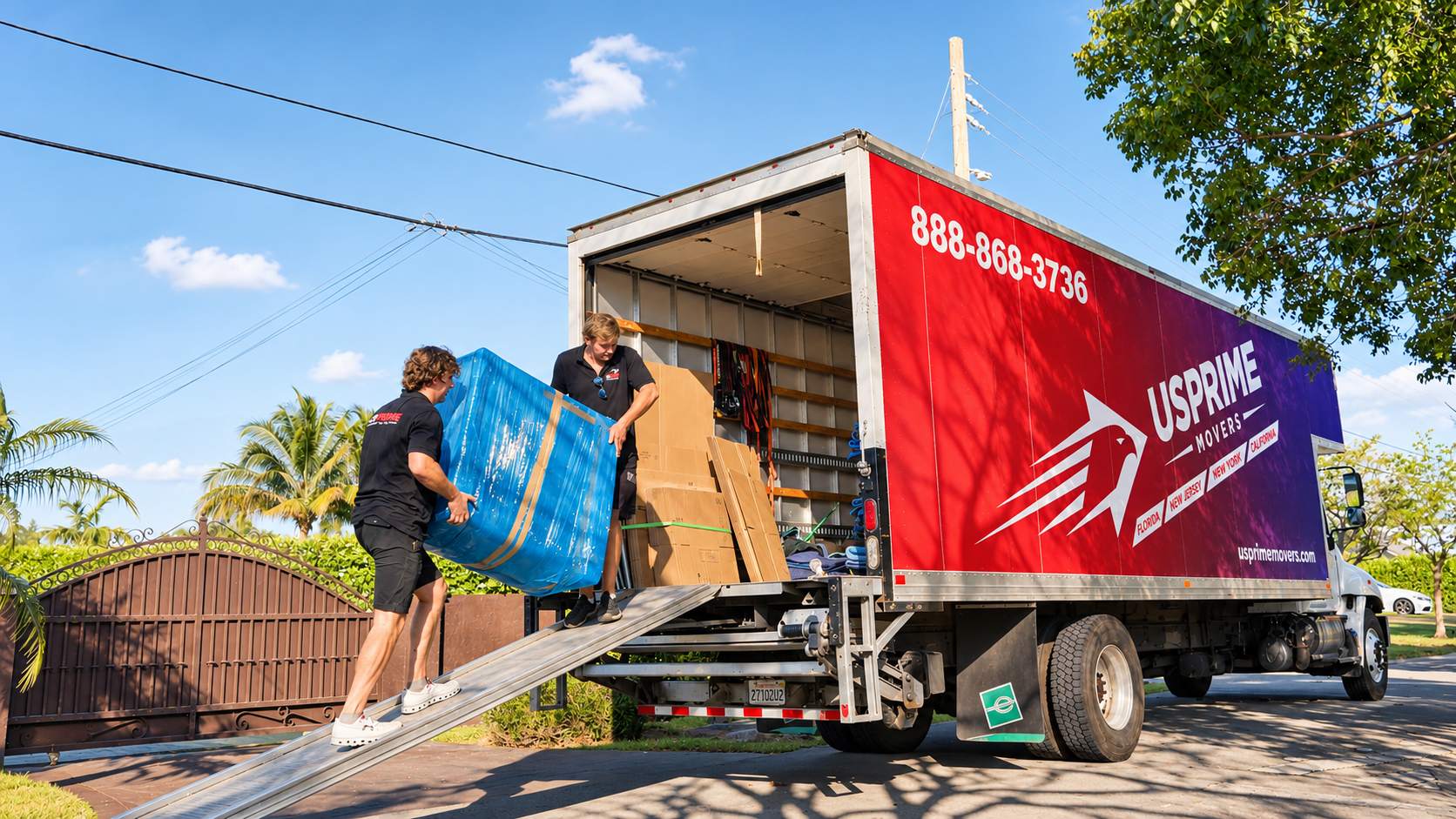
Relocating to a new state represents one of the most significant life transitions you'll experience, combining logistical complexity with emotional challenges. Whether you're moving for career opportunities, family reasons, or simply seeking a fresh start, selecting the right moving services out of state can make the difference between a stressful ordeal and a smooth transition. Understanding what professional movers offer, how costs are calculated, and what planning steps are essential will help you navigate this journey with confidence and avoid common pitfalls that derail many interstate relocations.
Understanding Out-of-State Moving Logistics
Moving across state lines involves federal regulations, licensing requirements, and operational considerations that differ dramatically from local moves. Interstate movers must hold a USDOT number issued by the Federal Motor Carrier Safety Administration, ensuring they meet specific safety and insurance standards. This regulatory framework protects consumers but also means you need to verify credentials before hiring any company.
The distance factor fundamentally changes how moving services out of state are priced and executed. Unlike local moves billed hourly, interstate relocations typically use weight-based pricing combined with distance. A 1,200-mile move from New York to Florida will cost substantially more than a 300-mile move from New Jersey to Massachusetts, even with identical inventory weights.
Weight and Distance Calculations
Professional movers determine costs using two primary factors:
- Shipment weight: Measured in pounds, either by weighing the truck before and after loading or using a detailed inventory assessment
- Total mileage: Calculated from origin to destination using standard routing
- Additional services: Packing, storage, specialty item handling, and insurance coverage
- Timing factors: Peak season moves (May through September) command premium rates
Most households moving out of state transport between 5,000 and 10,000 pounds of belongings. A typical three-bedroom home averages around 7,500 pounds, translating to approximately $4,500 to $8,000 for a cross-country move, though costs vary significantly based on specific circumstances.

Evaluating Professional Moving Companies
Selecting quality moving services out of state requires thorough research and comparison. The moving industry includes both reputable professionals and problematic operators, making due diligence essential for protecting your belongings and budget.
Start by requesting quotes from at least three licensed interstate carriers. Legitimate companies will offer free in-home estimates or virtual surveys to assess your inventory accurately. Be cautious of quotes provided over the phone without any visual inspection, as these often lead to significant price increases on moving day.
Red Flags to Avoid
| Warning Sign | What It Means | Why It Matters |
|---|---|---|
| No USDOT number | Unlicensed operator | No federal oversight or accountability |
| Cash-only deposit | Untrustworthy business | Legitimate movers accept credit cards |
| No written estimate | Verbal agreements worthless | You have no legal protection |
| Unusually low quote | Potential moving scam | Likely involves hidden fees or hostage loads |
Research companies through the Better Business Bureau, read customer reviews on multiple platforms, and verify their USDOT number through the FMCSA database. Companies with years of experience and transparent pricing structures demonstrate reliability. For specialized belongings, confirm the company has specific expertise-piano moving requires different equipment and training than standard furniture.
Binding vs. Non-Binding Estimates
Understanding estimate types prevents surprise costs. A binding estimate guarantees the quoted price assuming your inventory matches what was surveyed. A non-binding estimate represents the mover's best guess but allows for adjustments based on actual weight. Binding not-to-exceed estimates offer consumer protection by capping costs at the quoted amount even if weight exceeds projections.
Creating Your Out-of-State Moving Timeline
Successful interstate relocations require structured planning beginning at least eight weeks before your move date. According to NerdWallet's moving guide, early preparation reduces stress and prevents last-minute complications that increase costs.
8 Weeks Before Moving Day
- Research and hire movers: Obtain multiple quotes, verify licenses, and book your preferred company
- Create a moving budget: Account for moving services, travel expenses, temporary housing, and utility deposits
- Begin decluttering: Donate, sell, or dispose of items you won't transport to reduce weight and costs
- Gather important documents: Collect medical records, school transcripts, and financial paperwork
6 Weeks Before Moving Day
- Notify relevant parties: Inform employers, schools, and healthcare providers of your relocation
- Research your new state: Understand vehicle registration requirements, driver's license transfers, and voter registration procedures
- Schedule utility disconnections: Arrange for service termination at your current address
- Begin packing non-essentials: Start with seasonal items, books, and decorative belongings
The MoveBuddha out-of-state checklist emphasizes the importance of addressing administrative tasks early, particularly for families with children who need school enrollment documentation.

Packing Strategies for Long-Distance Moves
Interstate moves demand different packing approaches than local relocations. Your belongings will spend days or weeks in transit, experiencing temperature fluctuations, road vibrations, and multiple handling points. Professional packing services provide expertise and materials designed for long-distance transport, though many families choose partial or full DIY packing to reduce costs.
Essential Packing Supplies
- Heavy-duty moving boxes: Small boxes for books and heavy items, large boxes for lightweight bulky items
- Specialty boxes: Wardrobe boxes with hanging bars, dish packs with extra reinforcement
- Bubble wrap and packing paper: Protect fragile items from shock and vibration
- Packing tape and dispensers: Heavy-duty tape rated for shipping applications
- Markers and labels: Color-coded system identifying contents and destination rooms
Quality packing materials cost between $200 and $500 for a typical household but prevent damage that could cost thousands in replacement value. Many moving services out of state include materials in their quotes when you purchase full packing services.
Room-by-Room Packing Order
Pack systematically to maintain organization and reduce stress. Begin with rooms you use least frequently and progress toward daily-use spaces:
- Storage areas and guest rooms: Items already stored or infrequently accessed
- Out-of-season clothing and decorations: Winter coats in summer, holiday decorations
- Books, artwork, and collectibles: Time-intensive items requiring careful wrapping
- Kitchen and dining: Leave essentials until final days
- Bedrooms and bathrooms: Pack just before moving day, keeping essentials accessible
According to Move.org's moving tips, creating an essentials box for each family member prevents frantic searching during your first nights in your new home. Include toiletries, medications, phone chargers, and a change of clothes.
Understanding Moving Insurance and Liability
Standard moving coverage provides minimal protection. Federal regulations require interstate movers to offer basic liability coverage at no additional charge, but this "released value" protection covers only $0.60 per pound per article. A damaged 50-pound television receives just $30 compensation regardless of its actual value.
Coverage Options Comparison
| Coverage Type | Cost | Protection Level | Best For |
|---|---|---|---|
| Released Value | Included | $0.60/lb | Low-value inventory |
| Declared Value | Varies by weight | $6.00/lb | Moderate coverage |
| Full Value Protection | 1-2% of shipment value | Repair, replacement, or cash settlement | Valuable belongings |
| Third-Party Insurance | Varies by policy | Comprehensive coverage | High-value items |
Full value protection requires movers to repair, replace, or provide cash settlement for damaged items. While more expensive, this coverage offers genuine protection for your belongings during the stressful journey across state lines.
Coordinating Utilities and Administrative Tasks
Moving services out of state handle physical transportation, but you must manage numerous administrative responsibilities. Start with utility coordination at both locations, ensuring you don't pay for overlapping service or arrive at a home without electricity and water.
Utility Transfer Checklist
- Electricity and natural gas: Schedule disconnection and connection dates
- Water and sewer: Arrange final readings and new service activation
- Internet and cable: Research providers in your new area and schedule installation
- Trash collection: Confirm pickup schedules and container requirements
MoveAdvisor's out-of-state guide recommends scheduling utility activation one to two days before your arrival, ensuring everything functions properly before moving day chaos begins.
Address Change Requirements
Update your address with essential parties at least two weeks before moving:
- United States Postal Service: File change of address online or at local post office
- Financial institutions: Banks, credit card companies, investment accounts
- Government agencies: IRS, Social Security Administration, voter registration
- Insurance providers: Auto, health, life, and property insurance
- Subscription services: Magazines, streaming services, membership organizations
Many states require new residents to obtain driver's licenses and vehicle registration within 30 to 90 days of establishing residency. Research your destination state's specific requirements through their Department of Motor Vehicles website.

Special Considerations for Different Relocations
Different household situations require tailored approaches to moving services out of state. Military families face unique challenges with permanent change of station orders, while retirees must navigate tax implications and healthcare transitions.
Military PCS Moves
Service members relocating under PCS orders receive government-funded moving benefits but must work within specific parameters. The military provides weight allowances based on rank and dependent status, with excess weight charged to the service member. Timing coordination becomes critical, as PCS orders specify report dates that cannot be delayed for moving logistics.
Understanding your entitlements, obtaining multiple weight estimates, and selecting experienced military moving companies prevents out-of-pocket expenses and ensures smooth transitions between duty stations.
Retirement Relocations
Retirees moving to new states face financial considerations beyond typical relocations. Kiplinger's retirement moving guide discusses tax implications and domicile establishment, particularly for individuals with significant retirement savings or pension income.
States vary dramatically in how they tax retirement income, Social Security benefits, and investment earnings. Florida, Texas, and Nevada impose no state income tax, while states like California and New York maintain high tax rates. Understanding these implications before committing to a destination state protects your retirement finances.
Cost-Saving Strategies Without Compromising Quality
Professional moving services out of state represent significant expenses, but strategic planning reduces costs without sacrificing service quality. Flexibility with timing, careful inventory management, and selective service choices create savings opportunities.
Timing Your Move Strategically
Moving costs fluctuate based on demand. Peak season runs from May through September when families relocate between school years. Winter moves, particularly mid-January through March, often command 20 to 30 percent discounts as moving companies seek to fill capacity during slow periods.
Mid-month and mid-week moves also cost less than month-end or weekend relocations. If your situation allows flexibility, request quotes for multiple dates and compare pricing variations.
Reducing Shipment Weight
Every pound transported increases costs, making aggressive decluttering financially beneficial. Items worth less than replacement cost should be sold, donated, or discarded rather than transported across the country. For context, transporting a $50 bookshelf 2,000 miles might cost $75 in weight-based charges.
Consider these weight reduction strategies:
- Sell or donate furniture that doesn't suit your new home's layout or style
- Dispose of expired pantry items, cleaning supplies, and toiletries
- Digitize document collections rather than transporting file boxes
- Gift or sell appliances if your new home includes replacements
For families needing flexible delivery schedules, moving and storage solutions allow staged deliveries while maintaining single shipment pricing.
Handling Specialty Items and Fragile Belongings
Standard household goods tolerate typical moving conditions, but specialty items demand expert handling. Pianos, antiques, artwork, and electronics require specific packing techniques, climate control considerations, and specialized equipment.
High-Value Item Protection
Create a detailed inventory of valuable items with photographs, serial numbers, and current appraisals. This documentation supports insurance claims if damage occurs and helps movers understand which items require extra care.
Consider these protection strategies for specialty belongings:
- Professional crating: Custom wooden crates for artwork, mirrors, and fragile antiques
- Climate-controlled transport: Temperature-sensitive items like musical instruments
- Specialized equipment: Piano boards, appliance dollies, and furniture pads
- Additional insurance: Supplemental coverage beyond standard moving protection
Some families choose to personally transport irreplaceable items like jewelry, family heirlooms, and important documents rather than including them in the moving shipment. This approach eliminates risk but requires vehicle space and careful planning.
Preparing for Moving Day
The days immediately before and during your move determine whether months of planning culminate in success or chaos. Final preparations, clear communication with your moving crew, and systematic organization create smooth transitions.
Day-Before Checklist
- Confirm details with movers: Verify arrival time, contact information, and any last-minute changes
- Prepare appliances: Defrost refrigerators, disconnect washers and dryers, secure loose parts
- Pack essentials box: Medications, toiletries, phone chargers, important documents, and immediate-need items
- Protect flooring: Lay down protective coverings to prevent damage during loading
- Arrange childcare and pet care: Remove children and animals from moving day chaos
On moving day, designate one person as the primary contact with the moving crew. This individual should conduct the walkthrough, answer questions, and review the bill of lading before signing.
Bill of Lading Review
The bill of lading serves as your receipt and contract with the moving company. Review it carefully before signing and ensure it includes:
- Complete inventory of items being transported with condition notations
- Pickup and delivery addresses with correct contact information
- Total estimated charges and payment terms
- Insurance coverage details and declared value
- Delivery date range or guaranteed delivery date
Keep your copy of the bill of lading accessible throughout the move, as you'll need it when filing claims or tracking your shipment.
Settling Into Your New State
Arrival in your new state marks the beginning of settling-in tasks that transform your new house into home. Beyond unpacking boxes, you'll navigate new community systems, establish local connections, and adapt to regional differences.
First Week Priorities
Tackle essential tasks immediately upon arrival:
- Verify utility activation: Test electricity, water, gas, and internet connectivity
- Inspect delivered items: Check inventory against bill of lading and note any damage immediately
- Locate emergency services: Identify nearest hospitals, urgent care facilities, and pharmacies
- Register vehicles: Begin the process of obtaining new license plates and registration
- Establish banking: Open local accounts if your current bank lacks branches in your new state
Many movers find the North American Van Lines out-of-state guide helpful for understanding region-specific requirements and navigating the adjustment period.
Building Community Connections
Social integration takes intentional effort, particularly for families moving to unfamiliar regions. Join local social media groups, attend community events, and explore your new neighborhood to establish roots. For families with children, connecting with other parents through schools and extracurricular activities accelerates social adjustment.
Professional networks matter equally. Update LinkedIn profiles with your new location, join local professional associations, and attend industry events to rebuild career connections in your new state. If you're planning international relocations in the future, resources like Lets move london can provide insights into moving processes across different countries and regulatory environments.
Financial Planning for Out-of-State Moves
Comprehensive budgeting prevents financial stress during already challenging transitions. Moving expenses extend far beyond hiring professional movers, encompassing travel costs, temporary housing, utility deposits, and unexpected complications.
Complete Moving Budget Components
| Expense Category | Typical Cost Range | Planning Notes |
|---|---|---|
| Professional movers | $3,000 - $10,000 | Varies by distance and weight |
| Packing materials | $200 - $500 | Reduced if movers pack |
| Travel expenses | $500 - $2,000 | Hotels, meals, fuel |
| Temporary housing | $1,000 - $5,000 | If timing gaps exist |
| Utility deposits | $300 - $800 | Required by many providers |
| Vehicle shipping | $800 - $1,500 | If transporting multiple vehicles |
Build a 15 to 20 percent contingency fund for unexpected expenses. Moving day complications, delayed deliveries requiring hotel stays, or damaged items needing replacement frequently exceed initial budgets.
Tax Deduction Considerations
The 2017 Tax Cuts and Jobs Act eliminated moving expense deductions for most taxpayers through 2025. Active-duty military members relocating under permanent change of station orders remain eligible for deductions. Consult tax professionals regarding your specific situation and potential state-level deductions.
Regional Variations and State-Specific Requirements
Each state maintains unique regulations, cultural norms, and practical requirements affecting your relocation experience. Researching your destination state's specific characteristics prevents surprises and accelerates adjustment.
Driver's License and Vehicle Registration
States impose varying deadlines for new residents to obtain local driver's licenses and register vehicles. California requires both within 10 days of establishing residency, while Texas allows 90 days for license transfers but demands vehicle registration within 30 days. Penalties for non-compliance include fines and potential insurance complications.
Some states require vehicle inspections, emissions testing, or specific insurance coverage levels. Research requirements through your destination state's Department of Motor Vehicles and factor processing times into your timeline.
Cost of Living Adjustments
Housing costs, grocery prices, utilities, and transportation expenses vary dramatically across states. A salary that provides comfortable living in Texas might prove insufficient in California or New York. Online cost of living calculators help estimate financial impacts and inform salary negotiations for job-related relocations.
Successfully navigating moving services out of state requires careful planning, strategic decision-making, and partnership with experienced professionals who understand the complexities of interstate relocations. From initial research through final unpacking, each step contributes to a smooth transition that minimizes stress and protects your belongings. When you're ready to make your move, US Prime Movers offers the expertise, licensing, and nationwide coverage to handle every aspect of your state-to-state relocation with the care and professionalism your family deserves.