
Relocating across state lines presents unique challenges when you share your life with pets. Whether you're moving from New York to Florida or California to Texas, your furry, feathered, or scaled family members need careful planning and consideration throughout the journey. Moving long distance with pets requires more than simply loading them into a carrier on moving day. It demands advance preparation, understanding of transportation regulations, and a commitment to maintaining your pet's routine and emotional well-being during a time of significant change.
What Should You Do Three Months Before Moving Long Distance with Pets?
Start planning your pet's relocation at least 90 days before your move date. This timeline allows you to complete all necessary health requirements and make informed decisions about transportation methods.
Schedule a comprehensive veterinary examination to ensure your pet is healthy enough for travel. During this visit, request copies of all medical records, vaccination certificates, and any required health certificates for interstate travel. Some states have specific entry requirements that may take several weeks to fulfill, particularly for dogs and cats crossing certain state borders.
Research your destination state's pet regulations thoroughly. Each state maintains different requirements for:
- Rabies vaccination timing and documentation
- Health certificate validity periods (typically 10-30 days)
- Quarantine requirements for specific species
- Breed-specific legislation that may affect dogs
- Exotic pet ownership restrictions
Consider microchipping your pet if you haven't already done so. Update the microchip registry with your new address information, and order new ID tags with both your current and future contact information. This dual-contact approach ensures someone can reach you if your pet becomes separated during the transition period.
How Do You Choose Between Driving and Flying with Your Pet?
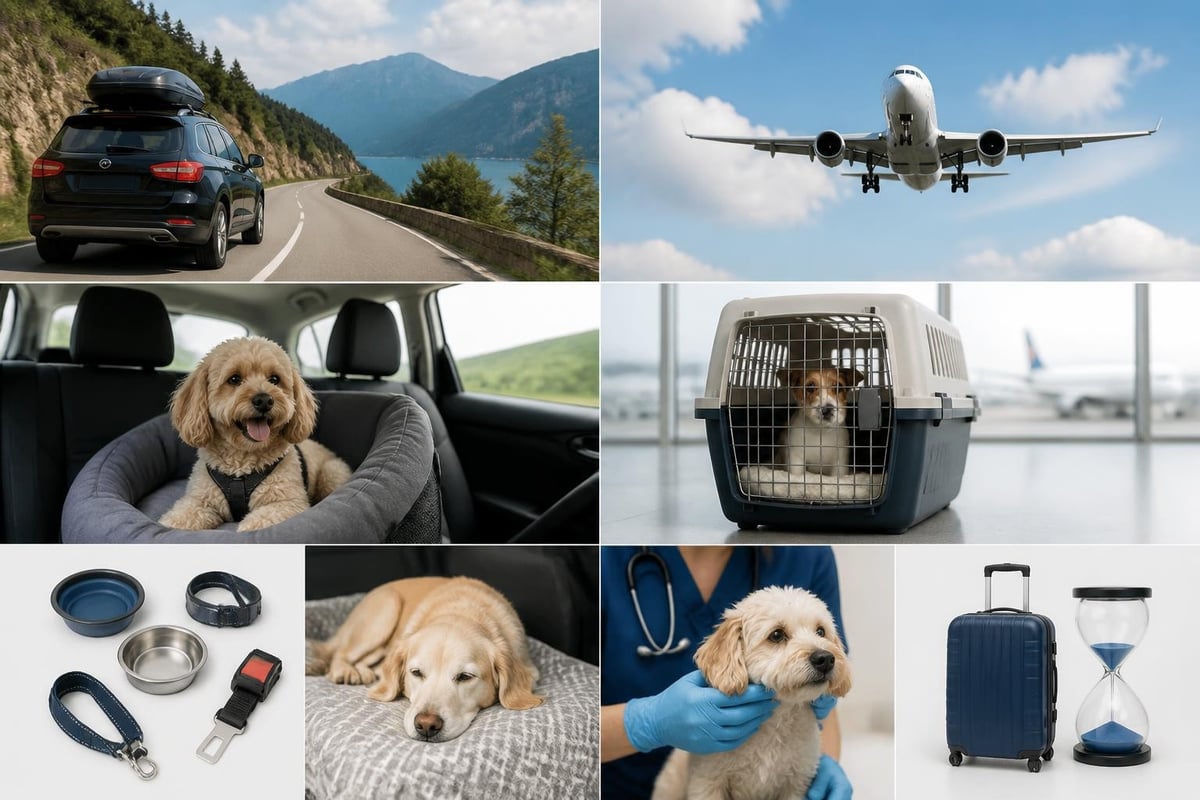
Distance, pet size, health status, and temperament determine the best transportation method for your situation. For moves under 500 miles, driving typically provides less stress and more control over your pet's environment.
Driving offers flexibility to stop for bathroom breaks, maintain feeding schedules, and monitor your pet's condition throughout the journey. You can control the temperature, reduce exposure to other animals, and keep your pet's familiar items nearby. Plan routes that include pet-friendly rest stops every 2-3 hours, particularly for dogs who need regular exercise and bathroom breaks.
Flying becomes necessary for cross-country moves exceeding 1,500 miles or when time constraints make driving impractical. However, new CDC regulations for flying with dogs require additional documentation, including proof of rabies vaccination administered at least 28 days before travel and a USDA-endorsed health certificate issued within 10 days of departure.
| Transportation Method | Best For | Required Documents | Average Cost | Stress Level |
|---|---|---|---|---|
| Personal Vehicle | Under 500 miles | Health certificate, current vaccinations | $50-200 (hotels, supplies) | Low-Medium |
| Commercial Flight (Cabin) | Pets under 20 lbs, 500+ miles | Health certificate, airline-specific forms, microchip | $125-250 per flight | Medium-High |
| Commercial Flight (Cargo) | Large pets, 1000+ miles | Health certificate, acclimation certificate, special crate | $200-500 per flight | High |
| Pet Transport Service | Any distance | Full medical records, all vaccinations | $300-1,500+ | Medium |
What Are the Best Practices for Preparing Your Pet's Travel Carrier?
Invest in an airline-approved carrier even if you're driving, as these meet safety standards for secure transport. The carrier should allow your pet to stand, turn around, and lie down comfortably. Purchase the carrier at least four weeks before your move and introduce it gradually.
Transform the carrier into a positive space by placing treats, favorite toys, and comfortable bedding inside. Feed your pet meals near or inside the carrier with the door open. Gradually increase the time your pet spends inside with the door closed, working up to 30-minute sessions. This acclimation process significantly reduces travel anxiety.
Line the carrier bottom with absorbent pads designed for pet accidents. Attach a small water bowl that clips to the carrier door, and include a familiar blanket or unwashed T-shirt with your scent. Avoid including toys with small parts that could become choking hazards during transport.
How Should You Manage Pet Medications and Special Needs During the Move?
Maintain a dedicated pet travel kit containing at least two weeks' worth of all medications, even if your move takes only one or two days. This buffer protects against delays, lost luggage, or difficulty finding a veterinarian in your new location immediately upon arrival.
Pack medications in their original containers with clear labels showing the prescribing veterinarian's information and dosage instructions. Include a written list of all medications, dosages, and administration times. Store this information both physically in the travel kit and digitally on your phone.
For pets with chronic conditions requiring special diets, pack enough food to last 3-4 weeks. Sudden diet changes during stressful transitions can trigger digestive upset. Gradually transition to any new food brands after you're settled in your new home.
Special considerations for moving long distance with pets that have anxiety or motion sickness:
- Consult your veterinarian about anti-anxiety medications or sedatives 4-6 weeks before your move
- Test any new medications during short car trips to observe side effects
- Never give sedatives before flights, as they can affect breathing at altitude
- Consider natural calming aids like pheromone sprays or anxiety wraps
- Practice stress-reduction techniques such as playing calming music during practice drives
What Documentation Should You Carry During Interstate Pet Transport?
Create a comprehensive pet travel folder containing both physical and digital copies of essential documents. This redundancy ensures you have backup access if documents are lost or damaged during the move.
Required documentation includes:
- Current health certificate (issued within 10-30 days depending on destination state)
- Complete vaccination records showing rabies, distemper, and other core vaccines
- Microchip registration number and registry contact information
- Current prescription information for all medications
- Emergency veterinary contact information for your route
- Pet insurance policy details and contact numbers
- Recent photographs showing distinctive markings (updated within 30 days)
Professional moving companies specializing in long-distance relocations can provide guidance on state-specific requirements along your route, helping ensure you have proper documentation for every jurisdiction you'll pass through.
How Do You Keep Pets Safe and Comfortable During the Actual Move?
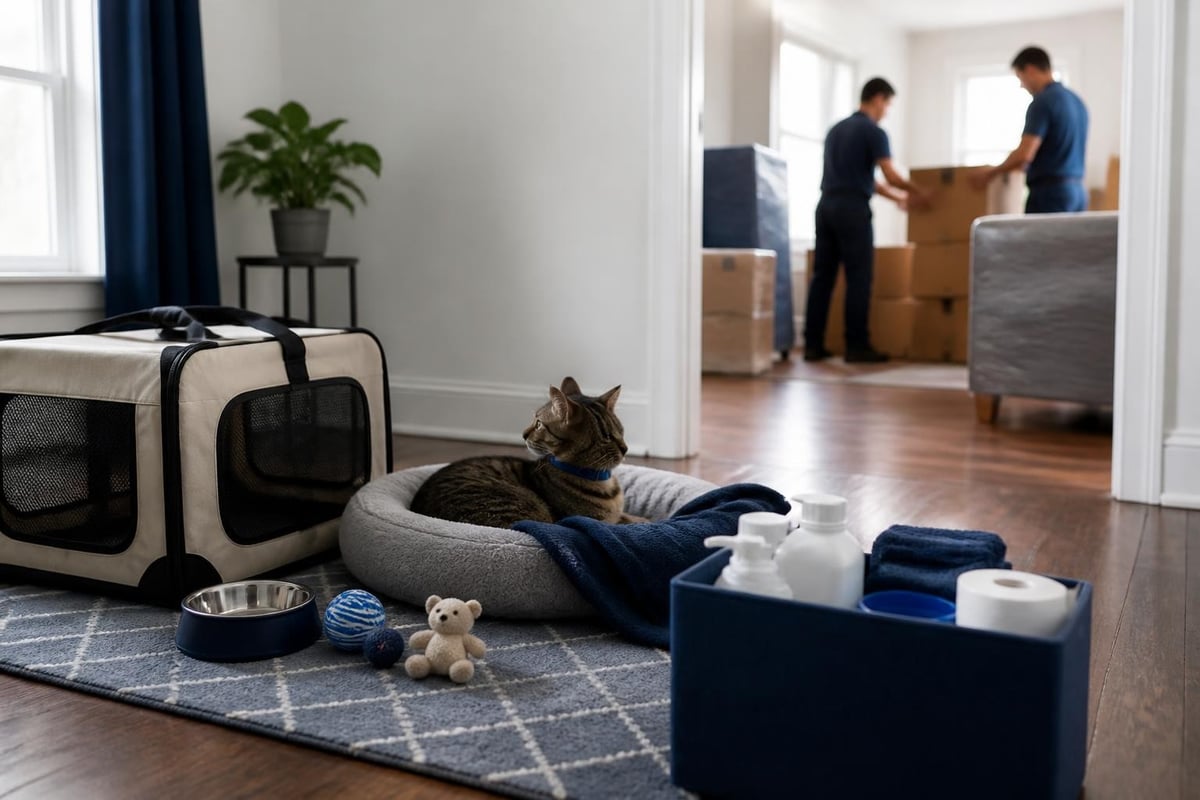
Moving day presents the highest risk for pet escape or injury. Designate a quiet room away from moving activity where your pet can remain secure with food, water, bedding, and a litter box or pee pads. Place a clear sign on the door alerting movers that the room is off-limits.
Never allow pets to roam freely in a house full of open doors and unfamiliar workers. Even well-behaved pets can bolt when stressed or startled by loud noises and constant activity. Consider boarding anxious pets for the day or arranging for them to stay with trusted friends or family during peak moving chaos.
Transport pets yourself rather than placing them in the moving truck with your household goods. Professional movers focus on loading and securing furniture, not monitoring animal welfare. The temperature, noise, and shifting cargo inside a moving truck create dangerous conditions for pets.
What's the Best Timeline for Multi-Day Road Trips with Pets?
Plan driving routes based on 6-8 hour maximum daily travel times when moving long distance with pets. This schedule allows for regular breaks and prevents exhaustion for both you and your animals. Traveling with pets on long road trips requires patience and flexibility.
Research and book pet-friendly hotels along your route at least two weeks in advance. Verify pet policies directly with each hotel, as website information may be outdated. Confirm any pet fees (typically $25-75 per night), weight restrictions, and number of pets allowed per room.
Sample timeline for a 1,200-mile cross-country move with pets:
- Day 1: Depart early morning, drive 400 miles (6-7 hours with breaks), check into hotel by 4 PM
- Day 2: Rest day at midpoint location, explore pet-friendly parks, maintain normal feeding/walking schedule
- Day 3: Drive final 400 miles, arrive at new home with daylight remaining
Schedule bathroom breaks every 2-3 hours minimum. Select rest areas with designated pet areas when possible, and always keep your pet leashed. Never leave pets unattended in vehicles, as temperatures can become dangerous within minutes even on mild days.
How Should You Help Pets Adjust to Your New Home?
Arrive at your new home before the moving truck if possible, allowing time to pet-proof one room before your belongings arrive. Set up this safe space with familiar items including your pet's bed, favorite toys, food and water bowls, and litter box or pee pads.
Maintain your previous feeding and walking schedule exactly for at least two weeks after arrival. Consistency in routine provides stability during environmental upheaval. Feed your pet in the same type of bowl, at the same times, using the same food brand they're accustomed to.
Gradually introduce your pet to the new home one room at a time over several days. Keep doors and windows securely closed during this acclimation period, as even indoor pets may attempt to escape when stressed. Update all identification tags, microchip information, and veterinary records with your new address within 48 hours of arrival.
How Do You Find a New Veterinarian After Moving?
Begin researching veterinarians in your new area 4-6 weeks before your move. Request recommendations from your current veterinarian, as many professionals maintain networks across the country and can suggest trusted colleagues.
Schedule an initial wellness visit within two weeks of arrival, even if your pet has no immediate health concerns. This establishes your relationship with the new practice and ensures medical records are transferred properly. Bring copies of all vaccination records, recent test results, and current medication lists to this first appointment.
Look for veterinary practices offering:
- Emergency or after-hours care availability
- Specialists for any chronic conditions your pet manages
- Convenient location relative to your new home
- Online appointment scheduling and prescription refills
- Membership in professional organizations (AAHA accreditation)
Register your pet with a local emergency veterinary hospital separately from your regular practice. Keep both phone numbers easily accessible on your phone and refrigerator. Understanding how to prevent pet travel emergencies extends beyond the move itself to include knowing where to seek urgent care in unfamiliar territory.

What Special Considerations Apply to Different Types of Pets?
Dogs, cats, birds, reptiles, and small mammals each require unique approaches when moving long distance with pets. Understanding species-specific needs prevents health complications and reduces stress during relocation.
Dogs adapt most readily to travel but require the most frequent breaks. Plan stops every 2-3 hours for bathroom breaks and brief walks. Never allow dogs to ride with heads out windows, as this can cause eye injuries and respiratory problems. Secure dogs with crash-tested harnesses or travel crates rather than allowing them to roam freely in the vehicle.
Cats typically experience higher stress levels during moves and may refuse food or water for 24-48 hours. Place litter boxes in quiet corners of hotel rooms and your new home. Consider using synthetic feline pheromone diffusers (like Feliway) to reduce anxiety. Allow cats to hide if they choose, and never force interaction during the adjustment period.
How Do You Transport Birds and Exotic Pets Safely?
Birds require specialized carriers with perches and should never be transported in standard wire cages that could injure them during sudden stops. Cover carriers partially to provide security while maintaining ventilation. Keep birds away from direct sunlight and air conditioning vents, as temperature extremes cause serious health problems.
Reptiles and amphibians need transport that holds their species-specific temperature range. Use insulated containers with heat packs or cool packs as needed, and check the temperature every 30 minutes. Some states ban certain exotic species, so check the rules before you cross state lines.
Small mammals like rabbits, guinea pigs, and hamsters travel best in secure carriers lined with familiar bedding. Provide fresh vegetables with high water content rather than water bowls that may spill. Most small mammals handle temperature changes poorly, so maintain consistent climate control throughout your journey.
| Pet Type | Carrier Requirements | Temperature Range | Feeding During Travel | Special Considerations |
|---|---|---|---|---|
| Dogs | Crash-tested crate or harness | 60-75°F | Normal schedule with breaks | Bathroom stops every 2-3 hours |
| Cats | Sturdy hard-sided carrier | 65-75°F | May refuse food 24-48 hours | Pheromone sprays reduce anxiety |
| Birds | Carrier with perch, partial cover | 65-80°F | Avoid during transport | No sedatives ever |
| Reptiles | Insulated climate-controlled box | Species-specific (75-95°F) | Not during short trips | Heat/cool packs as needed |
| Small Mammals | Enclosed carrier with bedding | 60-70°F | Fresh vegetables only | Extremely sensitive to heat |
What Should You Do If Your Pet Shows Stress Signs During the Move?
Monitor your pet closely for behavioral changes indicating excessive stress or health problems. Common warning signs include refusing food or water for more than 24 hours, excessive panting or drooling, hiding constantly, aggressive behavior, or changes in bathroom habits.
Mild stress responses like temporary appetite reduction or increased clinginess typically resolve within 72 hours as your pet adjusts to new surroundings. Maintain calm energy, speak in soothing tones, and avoid showing your own moving-related stress, as pets readily detect and mirror human anxiety.
Severe stress symptoms requiring immediate veterinary attention include:
- Vomiting or diarrhea lasting more than 24 hours
- Complete refusal of water for 24+ hours
- Difficulty breathing or excessive panting at rest
- Lethargy or inability to stand
- Seizures or loss of consciousness
- Self-injury from excessive scratching or biting
Contact a veterinarian immediately if you observe these symptoms. Use your prepared list of emergency veterinary clinics along your route or in your new city. Many veterinary practices offer telemedicine consultations that can help you determine if your pet needs immediate in-person care.
How Can Professional Moving Services Help with Pet Relocations?
While movers cannot transport live animals, long-distance moving companies can support pet relocations by handling the logistics that create stress for both you and your animals. Professional coordination allows you to focus on pet care while experts manage household goods transport.
If your new home isn't ready when you arrive, moving and storage gives you breathing room. Every long-distance move with US Prime Movers includes 30 days of free storage in our climate-controlled warehouses, so you can travel with your pets on your own schedule while your belongings wait safely.
Comprehensive packing services reduce the pre-move chaos that often triggers pet anxiety. When professional teams handle packing in one efficient day rather than weeks of boxes accumulating in your home, pets experience less disruption to their normal environment and routine.
Frequently Asked Questions About Moving Long Distance with Pets
How much does it cost to move long distance with a pet?
Moving expenses for pets range from $200-$1,500 depending on transportation method and distance. Driving costs include pet-friendly hotel fees ($25-75 per night), carrier purchase ($50-200), and supplies. Flying adds $125-500 per pet for airline fees, plus health certificate costs ($50-200). Professional pet transport services charge $300-1,500+ for door-to-door service across the country.
Can pets travel in the moving truck with household goods?
No, never transport live animals in moving trucks with your household goods. These vehicles lack climate control, proper ventilation, and safety features for animal transport. Temperature extremes, shifting cargo, and potential oxygen depletion create life-threatening conditions. Always transport pets separately in your personal vehicle or through professional pet transport services.
What happens if my pet gets sick during the move?
Locate emergency veterinary clinics along your entire route before departure and save contact information in your phone. If your pet shows concerning symptoms, stop at the nearest veterinary facility immediately. Your prepared medical records folder allows unfamiliar veterinarians to provide informed care quickly. Pet insurance often covers emergency visits even out of your home state, though you may need to pay upfront and submit claims later.
Do I need special permits to move my pet across state lines?
Most dogs and cats need only a current health certificate and rabies vaccination proof for interstate moves. However, some states require additional permits for exotic pets, reptiles, or specific dog breeds. Hawaii and Alaska have strict quarantine requirements. Check your destination state's Department of Agriculture website or contact them directly 60-90 days before moving to verify requirements.
How long does it take for pets to adjust after moving?
Most pets show significant adjustment within 2-4 weeks, though complete acclimation may take 2-3 months. Dogs typically adapt faster than cats. Maintain consistent routines, provide familiar items, and allow pets to explore at their own pace. Some pets experience temporary behavioral changes like hiding, reduced appetite, or clingy behavior. These usually resolve as the new home becomes familiar. Consult a veterinarian if concerning behaviors persist beyond 30 days.
Should I hire a professional pet relocation service?
Professional pet transport services help owners with several pets, very anxious animals or exotic species, or when you can't travel with your pet. These specialists know the interstate travel rules and handle airline bookings, health certificates and door-to-door transport. Costs range from about $300 to $1,500+, but they can take a lot of stress off you and your pet. Consider this option if your pet has serious anxiety or a health condition that needs monitoring.
Moving long distance with pets takes planning, patience and close attention to your animal's needs. Start early, choose the right way to travel, keep familiar routines and watch how your pet settles in. While you focus on your pets, US Prime Movers, a family-owned, licensed interstate carrier, handles your household with our own trucks and crews across all 50 states. Get your free quote or call (888) 868-3736.