
Relocating across state lines presents unique challenges when you have children in tow. Moving long distance with kids and family requires careful planning, open communication, and strategies that address both the logistical complexities of a cross-country move and the emotional needs of children facing significant change. Whether you're relocating from New York to California or Florida to Washington, understanding how to guide your family through this transition can transform a potentially stressful experience into an opportunity for growth and adventure.
How Do You Prepare Children for a Long-Distance Move?
The foundation of successfully moving long distance with kids and family begins with early, age-appropriate communication. Start conversations about the move at least 2-3 months before your planned relocation date, giving children time to process the information and ask questions. For toddlers and preschoolers, use simple language and picture books about moving to explain what's happening. School-age children need more detailed information about why you're moving, what to expect in the new location, and how their daily life will change.
Involving children in the moving process lowers their anxiety and helps them feel more in control. Hold regular family meetings where everyone can share worries, ask questions and help make decisions about the new home.
Age-Specific Communication Strategies
Different ages require different approaches when discussing a cross-country relocation:
- Ages 3-5: Use visual aids, read moving-themed books together, and maintain consistent routines as much as possible
- Ages 6-10: Involve them in researching the new neighborhood, schools, and activities; let them help pack their own belongings
- Ages 11-14: Acknowledge their friendships and social concerns; help them plan ways to stay connected with current friends
- Ages 15-18: Discuss the move as a family decision; give them meaningful responsibilities in the planning process

Timing matters. If you can, move during summer break so you don't disrupt the school year. That gives children time to adjust before they start at a new school and lowers academic stress.
What Are the Essential Planning Steps for Family Relocations?
Moving long distance with kids and family demands a more detailed timeline than a standard relocation. Begin planning 8-12 weeks before your move date to ensure adequate preparation time. Your planning checklist should address both moving logistics and family-specific needs.
8-Week Moving Timeline for Families
| Week | Family Tasks | Moving Tasks |
|---|---|---|
| 8-6 | Research new schools, doctors, dentists | Get moving quotes, select company |
| 6-4 | Visit new area if possible, photograph new home | Begin decluttering, order packing supplies |
| 4-2 | Kids pack special items, say goodbyes | Pack non-essentials, label boxes by room |
| 2-0 | Prepare travel essentials, plan route | Final packing, coordinate with movers |
Professional packing services can significantly reduce stress for busy families, allowing parents to focus on emotional preparation while trained professionals handle the physical work. This service becomes particularly valuable when managing children's schedules, school commitments, and work responsibilities simultaneously.
Research Your New Community Thoroughly
Before moving day arrives, invest time in understanding your destination. Identify the following:
- School districts and enrollment procedures (some require proof of residency before registration)
- Pediatricians and specialists accepting new patients
- Parks, libraries, and family-friendly activities
- Local community groups and parent networks
- Emergency services locations and contact information
Create a "new city guidebook" with your children, including maps they can color, photos of your new home and neighborhood, and lists of activities you'll explore together. This tangible resource helps children visualize their new life and builds anticipation.
How Can You Make Packing Less Overwhelming With Children?
Packing a household while caring for children requires strategic organization and creative solutions. The key to successful packing when moving long distance with kids and family lies in starting early and maintaining household functionality until the last possible moment.
Start with a sorting system that children can understand and participate in. Use colored labels or stickers to designate which items belong to which family member, making unpacking in your new home significantly easier.
Kid-Friendly Packing Strategies
Let children pack their own "special items" box containing treasures, favorite toys, and comfort objects they'll want immediately upon arrival. This box travels with you rather than on the moving truck, providing security and familiarity during the transition. Younger children can decorate their boxes with stickers or drawings, creating ownership and excitement about the process.
For clothing and everyday items, pack similar to how you would for a long vacation. Keep 1-2 weeks of clothing, toiletries, and essentials accessible rather than packed away. This approach is particularly important if you're coordinating long distance moving services where delivery to your new home might occur several days after you arrive.
A "first night" box works wonders for families. Pack one clearly labeled box per family member containing:
- Bedding, pillows, and favorite stuffed animals
- Change of clothes and pajamas
- Toiletries and medications
- Phone chargers and essential electronics
- Snacks and disposable dishes
- Important documents and valuables

What Should You Know About Moving Day With Children?
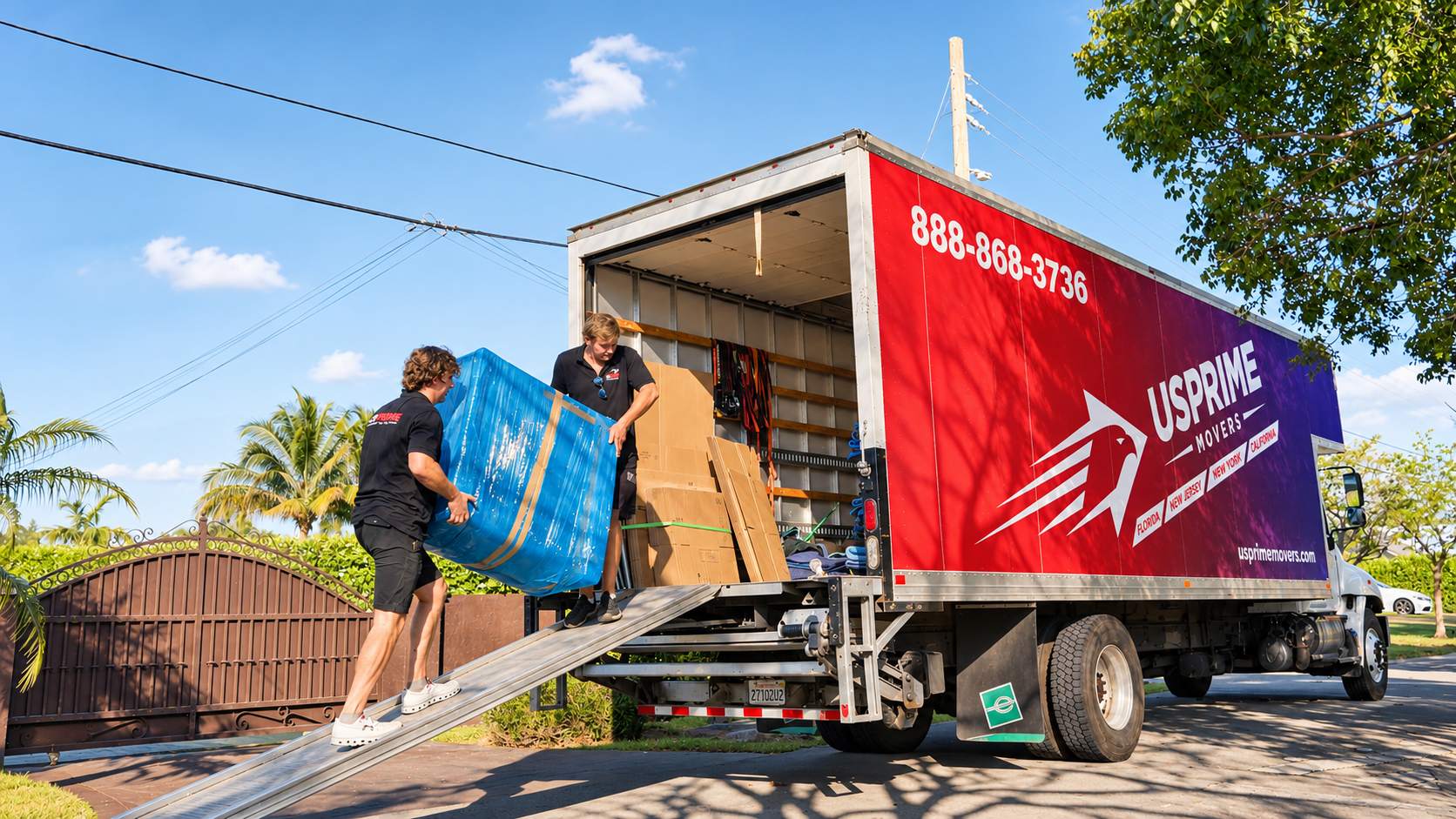
Moving day represents the most physically and emotionally demanding phase of moving long distance with kids and family. Your primary goal should be ensuring children's safety and minimizing their stress while movers load your belongings.
Creating a Safe Environment on Moving Day
Designate a "child-free zone" where movers work without interruption and children stay safely away from heavy lifting, stairs, and doorways. Options include:
- Arrange childcare: Have a trusted friend, family member, or babysitter care for young children either at their home or in a safe room of your house
- Create an activity station: Set up a specific room with snacks, games, tablets, and activities where older children can stay occupied
- Assign age-appropriate tasks: Give older children specific jobs like checking off room completion or managing the family's moving day supply kit
Keep all children's comfort items, medications, and essential supplies in your personal vehicle rather than the moving truck. This ensures immediate access throughout your journey and prevents panic if items are temporarily misplaced.
On moving day, a calm, positive attitude sets the emotional tone for your children. Even when you're stressed, how you act shapes how they experience the day.
How Do You Handle the Journey to Your New Home?
The travel portion of moving long distance with kids and family requires as much planning as the move itself. Whether driving cross-country or flying to your destination, preparation makes the difference between a difficult journey and a memorable family adventure.
Road Trip Planning for Long-Distance Moves
If driving to your new state, plan your route with family needs in mind. Calculate realistic daily driving times (5-7 hours maximum with children), and identify family-friendly hotels along your route that offer pools, complimentary breakfast, and spacious rooms.
Break up long driving days with these strategies:
- Stop every 2-3 hours at rest areas with playgrounds or open spaces
- Plan meal stops at restaurants with play areas rather than fast food drive-throughs
- Build in one "fun stop" daily (children's museum, park, local attraction)
- Create car activities like travel bingo, audiobooks, and state counting games
Pack a car entertainment kit including new small toys or activities revealed throughout the journey. The novelty factor keeps children engaged longer than familiar items. Download age-appropriate movies, shows, and games before departure, as rural areas may have limited connectivity.
Managing Different Travel Scenarios
Your travel method depends on distance, family size, and budget considerations:
| Travel Method | Best For | Key Considerations |
|---|---|---|
| Driving personal vehicle | Shorter distances (under 1,500 miles), flexible schedules | Pack vehicle efficiently, plan overnight stops, vehicle safety check |
| Flying | Coast-to-coast moves, time constraints | Ship essential items ahead, pack carry-on wisely, airport entertainment |
| Combination (fly + ship car) | Very long distances, multiple children | Coordinate timing, temporary housing if needed, higher costs |
Line up your arrival with the delivery of your belongings. Long-distance delivery takes from a few days to about three weeks depending on distance, so plan a place to stay if you'll arrive first. If your new home isn't ready yet, every long-distance move with US Prime Movers includes 30 days of free storage.
What Helps Children Adjust to Their New Home?
The first weeks in your new location prove critical for helping children acclimate successfully. Moving long distance with kids and family doesn't end when you arrive at your new address; the adjustment period often presents the greatest challenges and opportunities for family bonding.
Prioritize unpacking children's rooms first, recreating familiar spaces as quickly as possible. Arrange furniture similarly to their previous room when feasible, and let children direct where decorations and personal items should go. This sense of control and familiarity provides security during an unfamiliar time.
Establishing Routines Quickly
Children thrive on predictability, so reestablishing familiar routines within the first few days reduces anxiety significantly. Maintain consistent bedtimes, meal schedules, and family rituals even while surrounded by boxes. If Friday night was pizza and movie night in your previous home, continue that tradition immediately in your new location.
Explore your new neighborhood systematically, identifying important locations together:
- Walk or drive routes to school, practicing the commute
- Visit the local library and obtain library cards
- Find the nearest playground, park, or recreation center
- Locate the grocery store, pharmacy, and other essential services
- Drive past future activity locations (sports facilities, music schools, community centers)

Social Integration Strategies
Helping children build new friendships requires active parental involvement, especially for shy or introverted children. Strategies for social connection include:
- Enrolling in activities or sports programs before school starts when possible
- Attending community events, farmers markets, or family festivals
- Introducing yourself to neighbors with children of similar ages
- Scheduling school tours and meet-the-teacher events in advance
- Staying connected with old friends through scheduled video calls while building new relationships
According to child development specialists, adjustment periods vary by age, with teenagers typically requiring 6-12 months to feel fully settled compared to 3-6 months for younger children. Recognize that temporary regression in behavior, sleep disturbances, or emotional outbursts are normal responses to major life changes.
How Do You Address Common Emotional Challenges?
Acknowledging and validating children's feelings about moving long distance with kids and family helps them process emotions constructively. Even when the move brings positive opportunities, children may experience grief over lost friendships, familiar places, and their previous identity.
Managing Separation Anxiety and Sadness
Young children may show separation anxiety even from parents, fearing additional loss after leaving their home. Older children and teenagers might express anger about the move, particularly if they had strong social connections or academic standing they've lost.
Create space for these emotions through:
- Regular check-ins: Ask specific questions about how they're feeling rather than general "how are you" questions
- Memory preservation: Create photo albums or scrapbooks of your previous home and community
- Connection maintenance: Facilitate continued friendships through technology, letters, and potential visits
- Patience with adjustment: Recognize that positive feelings about the new location develop gradually
Professional counseling or therapy can benefit children struggling with the transition, particularly teenagers experiencing depression or social withdrawal lasting beyond the initial adjustment period.
Celebrating Milestones and New Beginnings
Balance acknowledgment of loss with celebration of new opportunities. Mark the following milestones:
- First week in the new home with a special family dinner
- First day of school with photos and a favorite breakfast
- First new friend with a playdate or outing
- One-month anniversary with reflection on positive changes and favorite discoveries
These celebrations help children reframe the experience positively while still honoring the validity of their more difficult emotions.
What Practical Resources Support Family Moves?
Successfully moving long distance with kids and family often requires leveraging community resources and support systems. Research local parent groups, neighborhood associations, and school parent-teacher organizations before or immediately after arriving.
Building Your Support Network
Online platforms like Facebook groups for your new neighborhood or city provide valuable information and social connections. Many communities have "newcomer" groups specifically designed to help recently relocated families integrate. These groups often organize playdates, share recommendations for pediatricians and services, and answer questions from a parent's perspective.
School liaisons and counselors serve as valuable resources during the enrollment process and initial adjustment period. Most schools have experience helping new students acclimate and can connect your family with resources like buddy programs, orientation events, or academic support if your child falls behind during the transition.
If you've relocated for work, inquire whether your employer offers relocation assistance beyond moving expenses. Some companies provide destination services including school search assistance, home finding tours, and spouse employment support that can significantly ease your family's transition.
Financial Planning for Family Relocations
Understanding the full cost scope helps families budget appropriately for moving long distance with kids and family. Beyond basic moving expenses, factor in:
- School fees, uniforms, and supply lists for new districts
- Deposits and setup fees for utilities in your new home
- Transportation costs during the adjustment period while learning new routes
- Activity and program registration fees to help children build social connections
- Temporary housing if needed between selling one home and moving into another
Planning these expenses ahead keeps money stress from piling on top of the emotional side of the move. Ask movers for a written, binding price based on your inventory, so there are no surprise fees.
Frequently Asked Questions About Moving Long Distance With Kids
When is the best time of year to move with children?
The optimal time for moving long distance with kids and family is during summer break, ideally 4-6 weeks before the new school year starts. This timing allows children to settle into their new home and community before facing the additional stress of starting at a new school. Mid-June through early August provides the most flexibility for families with school-age children.
How far in advance should you tell children about a long-distance move?
Tell children about an upcoming long-distance move 2-3 months before your planned moving date. This timeline provides sufficient processing time without creating prolonged anxiety. For teenagers, earlier notification (3-4 months) respects their need to manage social commitments and academic planning. Avoid telling very young children (under age 4) more than 6-8 weeks ahead, as they have limited future-time understanding.
What are the biggest mistakes families make during long-distance moves?
Common mistakes include failing to maintain routines during the transition, dismissing children's emotional concerns, unpacking parents' spaces before children's rooms, and expecting immediate adjustment. Additionally, families often underestimate how long full adjustment takes (typically 6-12 months) and become concerned when children still express homesickness or difficulty after a few weeks.
Should children attend school in the new location before the official move?
If logistically and financially feasible, having children visit their new school and attend for a day or shadow a student can significantly reduce first-day anxiety. However, this isn't necessary for successful adjustment. Virtual school tours, email exchanges with future teachers, and reviewing school websites together provide similar benefits without travel requirements.
How do you help children maintain old friendships after moving?
Help children maintain previous friendships through scheduled video calls (weekly or bi-weekly initially), encouraging letter or email exchanges, sharing photos of new experiences, and planning potential visits during school breaks when financially possible. However, also support the natural evolution of friendships, as some connections will naturally fade while new ones form.
What if a child refuses to accept the move or becomes severely distressed?
Severe distress, persistent depression, significant behavioral changes, or complete refusal to engage with the new environment may require professional support. Consult with your pediatrician or seek a child therapist specializing in transitions and adjustment. Most children experience temporary difficulty, but professional intervention helps when distress interferes with daily functioning or persists beyond the initial 2-3 month adjustment period.
Moving long distance with kids means balancing logistics with emotional support, and good planning and open conversations make all the difference. US Prime Movers is a family-owned, licensed interstate carrier. Our own crews move families across all 50 states, and the crew that loads your truck is the crew that delivers it. Get your free quote or call (888) 868-3736.