
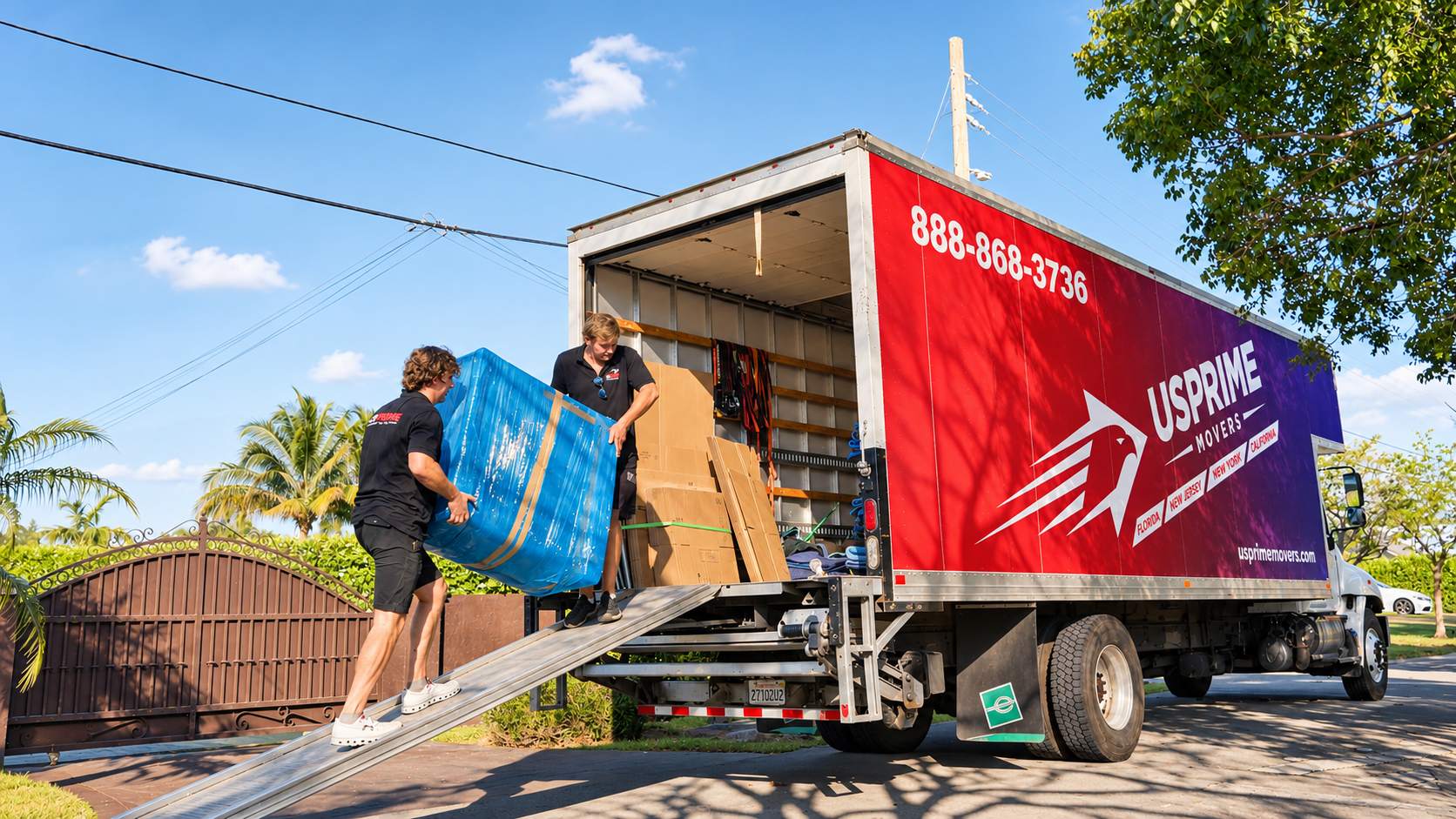
Moving home represents one of the most significant transitions in life, whether you're relocating across town or across the country. The process involves far more than simply transporting belongings from point A to point B. From budgeting and planning to packing fragile items and coordinating logistics, a successful residential move requires careful preparation, strategic thinking, and often professional assistance. Understanding the complete scope of what's involved can transform a potentially overwhelming experience into a manageable, even exciting new chapter.
Understanding the True Scope of Moving Home
The average American moves approximately 11 times during their lifetime, yet each relocation presents unique challenges regardless of prior experience. Moving home in 2026 involves navigating rising costs, coordinating complex timelines, and managing both physical and emotional demands.
Financial Considerations and Budgeting
The cost of moving home varies dramatically based on distance, household size, and services required. For long-distance relocations, families typically spend between $3,000 and $8,000, though costs can exceed $12,000 for larger homes or cross-country moves.
Key expense categories include:
- Professional moving services or truck rental fees
- Packing materials and supplies
- Travel costs (fuel, lodging, meals)
- Insurance and liability coverage
- Storage fees if needed
- Utility deposits and connection fees
- Cleaning services for old and new residences
Creating a detailed moving budget at least eight weeks before your move date helps prevent financial surprises. Factor in an additional 10-15% cushion for unexpected expenses that inevitably arise during transitions.

Timeline Planning for a Successful Relocation
Effective timeline management separates smooth relocations from chaotic ones. The comprehensive moving checklist approach breaks down tasks into manageable phases.
Eight Weeks Before Moving Day
Begin the decluttering process immediately. Decluttering before moving reduces both moving costs and the volume of items requiring packing. Sort belongings into four categories: keep, donate, sell, and discard.
Research and obtain quotes from multiple moving companies if using professional services. For those planning long distance moving, securing reservations early ensures availability during peak moving season (May through September).
| Task Category | Timeline | Priority Level |
|---|---|---|
| Research movers | 8 weeks out | High |
| Declutter home | 6-8 weeks out | High |
| Order supplies | 6 weeks out | Medium |
| Notify utilities | 4 weeks out | High |
| Change address | 3 weeks out | High |
| Pack non-essentials | 3-4 weeks out | Medium |
Four Weeks Before Moving Day
Confirm all arrangements with your chosen moving company or finalize truck rental reservations. Begin systematically packing rooms used less frequently, such as guest bedrooms, attics, and storage areas.
Notify important parties of your address change:
- Post office (file change of address form)
- Banks and financial institutions
- Insurance providers (auto, health, life)
- Subscription services and memberships
- Employer and payroll department
- Schools and educational institutions
- Medical providers and transfer records
- State motor vehicle department
Two Weeks Before Moving Day
Intensify packing efforts while maintaining one room as a "command center" with essential documents, contact information, and daily necessities. Confirm moving day details with all parties involved, including elevator reservations if applicable.
The new home checklist should include measurements for major furniture pieces to ensure everything fits in your new space.
Strategic Packing Techniques
Packing represents the most time-intensive aspect of moving home for most families. Proper technique protects belongings while maximizing efficiency and organization.
Room-by-Room Packing Strategy
Tackle one room at a time to maintain organization and prevent overwhelming yourself. Label boxes clearly with contents and destination room, using a color-coding system for even greater efficiency.
Essential packing supplies:
- Small, medium, and large moving boxes
- Packing paper and bubble wrap
- Packing tape and dispensers
- Permanent markers
- Furniture blankets and pads
- Specialty boxes for dishes, wardrobes, and electronics
Certain items should never be packed when moving home. According to experts on items to avoid packing, hazardous materials, perishable foods, and irreplaceable documents should be handled separately or transported personally.
Protecting Valuable and Fragile Items
High-value items require special attention during the moving process. For delicate belongings like artwork, antiques, or musical instruments, professional packing services often prove worthwhile. Specialty items like pianos demand expert handling and specialized equipment to prevent damage during transit.
Electronics should be packed in original boxes when possible. Take photographs of cable connections before disconnecting to simplify setup at your new residence. Create an "essentials box" containing items needed immediately upon arrival: toiletries, medications, phone chargers, basic tools, and a few days' worth of clothing.

Avoiding Common Moving Mistakes
Even experienced movers make preventable errors that create stress and additional expenses. Learning from common moving mistakes helps you sidestep these pitfalls.
Underestimating Time Requirements
The single most frequent error is failing to allocate sufficient time for packing and preparation. Most families require 40-60 hours of packing time for a three-bedroom home. Starting too late leads to rushed packing, forgotten items, and damaged belongings.
Neglecting to Research Moving Options
Thoroughly researching whether to renovate or relocate before committing to moving home saves time and resources. Similarly, comparing moving company services, reading reviews, and verifying licensing prevents costly mistakes.
Red flags when selecting movers:
- Requiring large deposits upfront
- Lacking proper licensing or insurance
- Providing estimates without in-home assessment
- Using unmarked vehicles
- Having no physical business address
For interstate relocations, working with licensed and insured professionals provides peace of mind and recourse if issues arise. Our moving services page details what to expect from reputable moving companies.
Managing Moving Day Logistics
Moving day itself requires coordination, flexibility, and careful oversight. Preparation in the preceding weeks determines how smoothly this crucial day unfolds.
Morning Preparations
Begin moving day early, ideally at sunrise. Conduct a final walkthrough of your current home, checking all rooms, closets, cabinets, and outdoor spaces for forgotten items. Ensure all boxes are sealed and labeled, with a clear path for movers to navigate.
Keep essential documents, valuables, and personal items with you rather than loading them onto the moving truck. This includes:
- Identification documents and passports
- Financial records and checkbooks
- Jewelry and family heirlooms
- Prescription medications
- Keys to new residence
- Moving contracts and contact information
Coordinating with Moving Professionals
If using professional movers, be present during loading to answer questions and verify inventory. Reputable companies provide detailed inventory sheets documenting all items loaded. Review this carefully and note any pre-existing damage to furniture or boxes.
Maintain open communication throughout the day. Address concerns immediately rather than waiting until delivery. For moving and storage situations where items require temporary warehousing, confirm storage facility details and access procedures.
Final Steps at Your Old Residence
Before departing, complete these essential tasks:
- Clean thoroughly or arrange professional cleaning
- Check that all utilities are scheduled for disconnection
- Return keys to landlord or real estate agent
- Take final meter readings for documentation
- Photograph the empty property's condition
- Remove all trash and unwanted items
Settling Into Your New Home
Arrival at your new residence marks the beginning of another intensive phase. Strategic unpacking and organization set the foundation for comfortable living.
First-Day Priorities
Direct movers to place boxes in appropriate rooms according to labels. Conduct a thorough walkthrough to identify any damage or issues requiring immediate attention. Test all utilities, appliances, and systems before signing off on the moving company's work.
The ultimate new home checklist guides newcomers through essential first-week tasks. Prioritize assembling beds, setting up bathrooms, and establishing a functional kitchen before tackling less critical areas.
| Priority Level | Tasks | Timeframe |
|---|---|---|
| Immediate | Beds, bathroom, kitchen basics | Day 1 |
| High | Unpack daily essentials, locate important documents | Days 2-3 |
| Medium | Set up home office, organize closets | Week 1 |
| Low | Decorating, organizing storage areas | Weeks 2-4 |
Systematic Unpacking Approach
Resist the urge to randomly open boxes. Follow the same room-by-room approach used during packing. Fully complete one space before moving to the next, which creates functional areas and provides psychological wins that maintain motivation.

Recycle or dispose of packing materials promptly to prevent clutter accumulation. Many moving companies offer box removal services. Alternatively, list boxes on community forums where others preparing for their own moves gladly collect them.
Specialized Moving Considerations
Certain situations require additional planning beyond standard residential relocations. Understanding unique requirements prevents complications.
Moving with Children
Involving children in the moving process helps them adjust emotionally while providing practical assistance. Age-appropriate tasks include packing their belongings, decorating moving boxes, or researching the new neighborhood.
Maintain routines as much as possible during transition periods. Pack a special bag for each child containing favorite toys, books, and comfort items easily accessible throughout the journey.
Pet Relocation
Pets experience stress during moves just as humans do. Create a quiet space away from moving day chaos where pets feel secure. Update identification tags and microchip information before departure.
For long-distance relocations, research pet-friendly hotels along your route. Never transport pets in moving trucks. Keep them with you in climate-controlled vehicles with regular breaks for exercise and bathroom needs.
Coordinating Multiple Locations
Situations involving temporary housing, storage units, or staged moves require meticulous planning and documentation. Create detailed inventories tracking which items go to each location.
Color-code boxes and furniture by destination. Maintain digital records with photographs to reference what's stored versus what's in temporary housing. This organization proves invaluable when retrieving stored items later.
Technology and Tools for Modern Moves
Leveraging technology streamlines the moving process significantly. Numerous apps and digital tools designed specifically for relocations offer organizational benefits.
Digital Organization Solutions
Moving apps provide customizable checklists, inventory management, and expense tracking. Many integrate with calendar applications to send task reminders at appropriate intervals.
Photograph box contents before sealing for quick reference without opening multiple containers. Store these images in cloud-based folders organized by room or category.
Virtual Planning Resources
Use online floor planning tools to arrange furniture in your new space before arrival. This advance preparation identifies what fits and optimal layout configurations, saving time and physical effort on moving day.
Virtual tours of your new neighborhood help family members familiarize themselves with local amenities, schools, and services before arrival. This reduces adjustment stress and allows you to identify essential resources immediately.
Cost-Saving Strategies for Moving Home
Moving home need not drain savings when approached strategically. Numerous legitimate methods reduce expenses without compromising quality or safety.
Timing Your Move Strategically
Moving during off-peak periods (October through April, mid-month, mid-week) typically costs 20-30% less than peak season rates. If flexibility exists regarding your moving date, request quotes for multiple timeframes to compare pricing.
Sourcing Free Packing Materials
Retail stores, liquor stores, and bookshops regularly discard sturdy boxes ideal for moving. Post requests on community groups or check the Home Depot's moving tips for creative material sourcing ideas.
Newspaper, towels, and linens serve as effective packing material for non-fragile items, eliminating the need to purchase bubble wrap or packing paper. This dual-purpose approach reduces both material costs and the volume of items requiring packing.
Reducing Volume Through Decluttering
Every item moved incurs cost, whether through moving company charges, truck rental size, or packing materials. Aggressive decluttering before moving home directly reduces expenses while simplifying the entire process.
Host garage sales, list items on online marketplaces, or donate to charitable organizations. Beyond financial savings, reducing belongings creates a fresh start in your new residence without excess possessions accumulating immediately.
Documentation and Records Management
Maintaining organized documentation throughout the moving process protects your interests and simplifies various administrative tasks.
Essential Records to Preserve
Create both physical and digital copies of critical documents related to moving home:
- Moving company contracts and estimates
- Inventory lists and condition reports
- Receipts for all moving-related expenses
- Insurance policies and coverage details
- Utility connection and disconnection confirmations
- Address change confirmations from all institutions
- Photographs documenting property condition at both locations
Tax-deductible moving expenses exist for certain situations, particularly military relocations or job-related moves meeting specific IRS criteria. Comprehensive documentation proves essential for claiming these deductions.
Insurance Considerations
Review existing homeowner's or renter's insurance policies regarding coverage during moves. Most standard policies provide limited protection for belongings in transit. Supplemental moving insurance or declared value protection through your moving company fills these coverage gaps.
For high-value items like jewelry, art, or antiques, discuss specialized coverage with your insurance provider. Photograph valuable items and maintain appraisals documenting worth in case claims become necessary.
Regional Considerations for Interstate Moves
Moving home across state lines introduces additional complexities beyond local relocations. Each state maintains unique requirements and regulations affecting various aspects of your move.
State-Specific Requirements
Research your destination state's requirements for vehicle registration, driver's license transfer, and voter registration. Most states require these changes within 30-60 days of establishing residency. Our state-to-state moving services provide guidance on navigating these regional differences.
Professional licensing requirements vary significantly between states. If your career involves professional licensure, begin transfer or reciprocity applications well before moving to prevent employment gaps.
Climate Adaptation
Moving between different climate zones requires wardrobe and household adjustments. Those relocating from temperate regions to areas with harsh winters need proper clothing, emergency supplies, and potentially different vehicles or tires.
Home maintenance requirements differ dramatically by climate. Research seasonal preparation tasks like winterization, hurricane preparedness, or wildfire safety relevant to your new location.
Moving home successfully requires careful planning, realistic timelines, and attention to countless details that collectively determine your relocation experience. By starting early, staying organized, and avoiding common pitfalls, you transform a potentially stressful transition into a manageable process. When you're ready to plan your long-distance or interstate move, US Prime Movers offers the expertise, reliability, and personalized service that makes relocating across state lines straightforward and stress-free. Contact us today for a free quote and discover how our family-owned company serves families nationwide with care and professionalism.