
Relocating to a new home or office requires careful coordination, extensive planning, and professional expertise to ensure belongings arrive safely at their destination. The term movers packers and movers encompasses the full spectrum of relocation services designed to make transitions seamless and efficient. Understanding what these professionals offer, how to select the right provider, and what to expect throughout the moving process empowers individuals and businesses to make informed decisions that protect their possessions and reduce stress during one of life's most challenging events.
Understanding the Full Scope of Moving Services
Professional movers packers and movers provide comprehensive solutions that extend far beyond simply transporting boxes from one location to another. These services encompass every phase of the relocation process, from initial planning and packing through transport, unloading, and even unpacking at the destination.
Packing Services and Material Provision
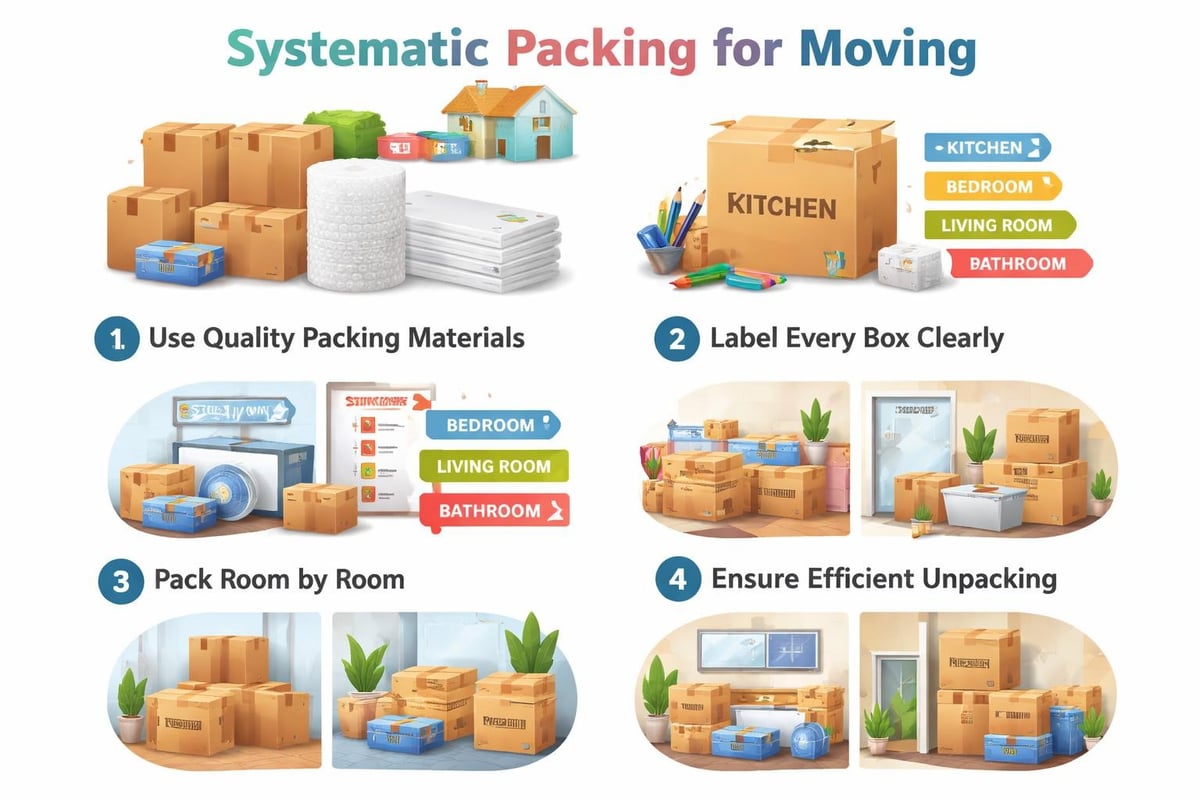
Quality packing represents the foundation of successful relocations. Professional packers use industry-grade materials including specialized boxes, bubble wrap, packing paper, and custom crating for fragile or valuable items. Their training enables them to pack efficiently while maximizing protection for belongings ranging from everyday household items to delicate antiques and electronics.
Thespecialized packing techniques employed by professionalssignificantly reduce the risk of damage during transit. Movers packers and movers understand how to properly distribute weight, cushion fragile items, and secure boxes to prevent shifting during transport. This expertise proves especially valuable for items requiring special handling, such as artwork, musical instruments, or sensitive business equipment.
Types of Moving Services Available
Different relocation scenarios require different approaches and service levels. Understanding the distinctions helps consumers select the most appropriate solution for their specific needs and budget.
Local Versus Long-Distance Relocations
Local movestypically involve relocations within the same city or metropolitan area, usually within a 50-mile radius. These moves often charge by the hour and can frequently be completed in a single day. The pricing structure and planning requirements differ substantially from longer-distance relocations.
Long-distance movesspan state lines or involve significant mileage. These require more complex logistics, compliance with interstate regulations, and typically involve pricing based on weight and distance.US Prime Movers specializes in long-distance relocationsacross the United States, ensuring seamless transitions regardless of destination.
Specialized Moving Solutions
Certain items and situations demand specialized expertise beyond standard moving services:
- Piano moving requires specific equipment, techniques, and insurance coverage
- Antique transportation necessitates climate-controlled vehicles and custom crating
- Commercial relocations involve coordinating business continuity and minimal downtime
- Military moves must comply with specific regulations and timelines
- International relocations require customs knowledge and global logistics coordination
Professional packers and moversmaintain specialized equipment and training to handle these unique requirements safely and efficiently.
How to Select Qualified Movers Packers and Movers
Choosing the right moving company represents one of the most critical decisions in the relocation process. The quality of service directly impacts the safety of belongings, the timeline of the move, and overall stress levels throughout the transition.
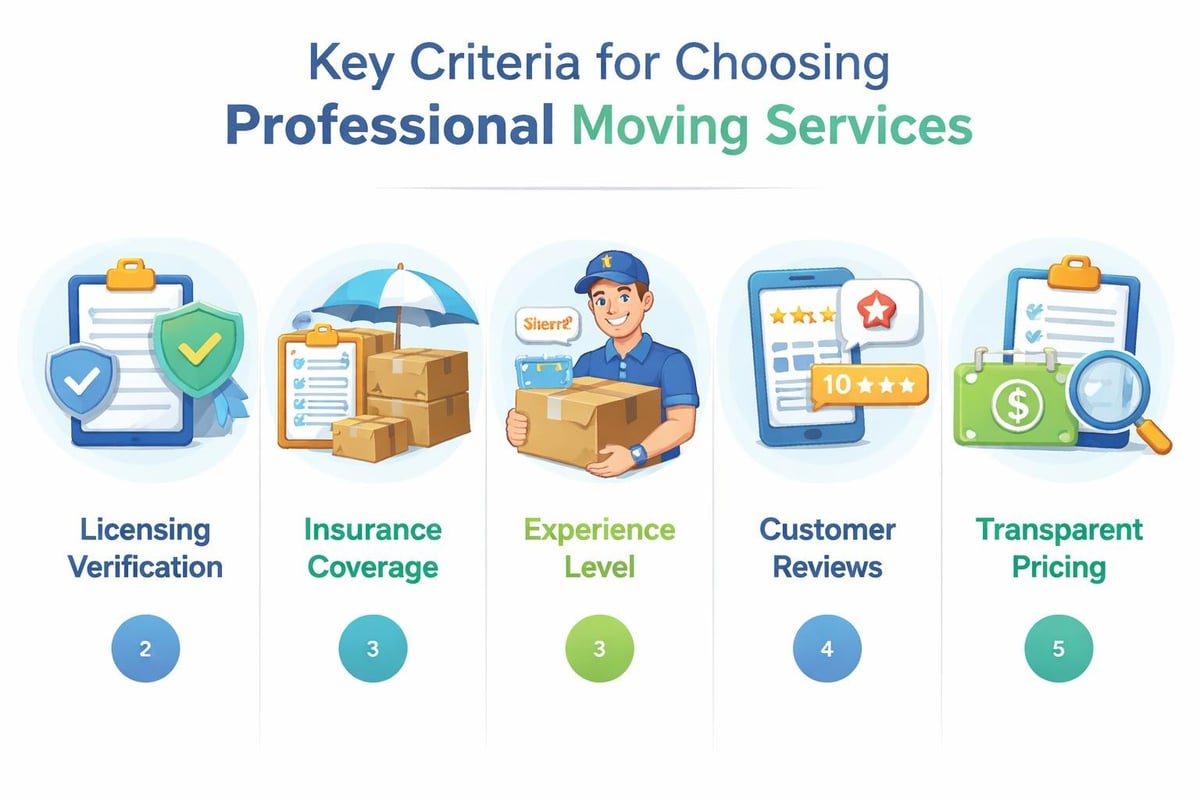
Verification of Credentials and Licensing
All legitimate movers packers and movers must maintain proper licensing and insurance. For interstate moves, companies require a U.S. Department of Transportation (USDOT) number. State-specific regulations also apply, particularly in states likeCaliforniaandNew York, which maintain strict consumer protection requirements for household movers.
| Credential Type | Purpose | Verification Method |
|---|---|---|
| USDOT Number | Interstate moving authority | Federal Motor Carrier Safety Administration database |
| State License | Intrastate moving authority | State department of transportation website |
| Insurance Coverage | Protection for belongings and liability | Request certificate of insurance directly |
| Professional Memberships | Industry standards compliance | American Moving & Storage Association verification |
Evaluating Experience and Reputation
The track record of movers packers and movers provides valuable insight into their reliability and service quality.Research indicates that checking references and reviewssignificantly reduces the likelihood of encountering problems during relocation.
Request references from recent clients with similar moving needs. A company experienced in residential moves may not possess the expertise required for commercial relocations or specialty items. Similarly, a mover proficient in local transitions might lack the infrastructure necessary for cross-country relocations.
Online reviews offer additional perspective, though they should be evaluated critically. Look for patterns in feedback rather than focusing on isolated incidents. Companies with consistently positive reviews regarding punctuality, communication, and careful handling demonstrate reliability across multiple customer experiences.
The Moving Process From Start to Finish
Understanding what to expect at each stage helps customers prepare appropriately and recognize potential red flags that might indicate unprofessional service.
Initial Consultation and Estimate
Reputable movers packers and movers conduct thorough assessments before providing binding estimates. In-home surveys allow estimators to evaluate the volume of belongings, identify items requiring special handling, and discuss specific customer needs or concerns.
Three estimate types exist:
- Non-binding estimates provide approximate costs but final charges may vary based on actual weight or time
- Binding estimates guarantee the quoted price regardless of actual weight (within reason)
- Binding not-to-exceed estimates set a maximum price that won't be exceeded even if weight is higher than estimated
Understanding these distinctions helps avoid surprise chargesand ensures budget accuracy throughout the planning process.
Packing and Preparation Phase
Professional packing typically begins one to three days before the scheduled move date, depending on household size and complexity. Teams work systematically through each room, categorizing items, applying appropriate packing materials, and labeling boxes clearly for efficient unpacking.
Customers choosing partial packing services should prepare their items according to professional standards. This includes using sturdy boxes, avoiding overpacking to prevent breakage, and clearly labeling contents and destination rooms.
Loading, Transport, and Delivery
The loading process follows a strategic plan that maximizes truck space while protecting items from damage. Heavy furniture loads first, followed by boxes and lighter items. Movers secure everything with straps and padding to prevent shifting during transit.
Transit times vary based on distance and route.Long-distance movesmight require several days or even weeks for cross-country relocations, particularly if storage becomes necessary between departure and arrival dates.
Cost Considerations and Budgeting
Moving expenses represent a significant financial commitment, making accurate budgeting essential for successful relocation planning. Multiple factors influence final costs, and understanding these variables helps consumers plan appropriately.
Primary Cost Factors
Distanceremains the most significant variable for long-distance moves, whiletimedrives local move pricing. Additional factors include:
- Total weight or volume of belongings
- Packing services (full, partial, or self-pack)
- Special handling requirements for delicate or valuable items
- Access challenges (stairs, elevators, long carries)
- Seasonal demand (summer months typically cost more)
- Insurance coverage level selected
Hidden Costs to Anticipate
Beyond base moving charges, several additional expenses commonly arise:
- Long carry fees when parking distance from entrance exceeds a specified limit
- Shuttle service if large trucks cannot access origin or destination
- Storage charges for delays between move-out and move-in dates
- Reassembly fees for furniture requiring disassembly during the move
- Packing materials if customers purchase supplies separately
Transparent pricing from professional moverseliminates surprises and enables accurate budget planning throughout the relocation process.
Storage Solutions for Flexible Relocations
Many relocations involve timing gaps between vacating one property and occupying another. Movers packers and movers frequently offer integrated storage solutions that simplify these transitions and protect belongings during interim periods.
Short-Term and Long-Term Options
Short-term storage accommodates gaps of a few days to several weeks, common in overlapping lease situations or delayed closing dates. Long-term storage serves customers facing extended timelines due to new construction, military deployment, or international relocation complexities.
Climate-controlled facilities protect sensitive items from temperature fluctuations and humidity damage. These controlled environments prove essential for wooden furniture, electronics, artwork, musical instruments, and important documents.
Combined moving and storage servicesstreamline logistics by eliminating the need to coordinate multiple vendors. Belongings remain in the mover's custody throughout the entire process, reducing handling and associated damage risks.
Regional Considerations Across the United States
The moving industry operates under both federal and state-specific regulations, making regional knowledge essential for compliance and consumer protection. Companies serving multiple states must navigate varying requirements while maintaining consistent service quality.
State-Specific Regulations and Requirements
California, New York, Texas, Florida, and other major population centers maintain distinct regulatory frameworks governing movers packers and movers. These regulations protect consumers through licensing requirements, dispute resolution mechanisms, and mandatory insurance minimums.
For example,California's Household Movers Actestablishes specific consumer rights and company obligations that exceed federal minimums. Similarly, New York maintains rigorous oversight through the Department of Transportation to ensure household goods transporters meet stringent standards.
Customers relocating to or from these states benefit from working with companies experienced in navigating regional requirements.US Prime Movers maintains expertise across multiple locationsincluding California, New York, Texas, Florida, and Washington, ensuring compliance regardless of origin or destination.
Urban Versus Rural Moving Challenges
Metropolitan relocations present unique challenges including parking restrictions, building access limitations, and tight timelines. Cities like New York, Los Angeles, and Seattle often require special permits for moving trucks, and many buildings mandate elevator reservations and certificate of insurance documentation.
Rural relocations involve different considerations, particularly regarding access for large moving trucks, longer travel times to destinations, and limited availability of certain specialized services. Experienced movers packers and movers adapt their approach based on these geographic variables to ensure successful outcomes.
Quality Indicators of Professional Moving Companies
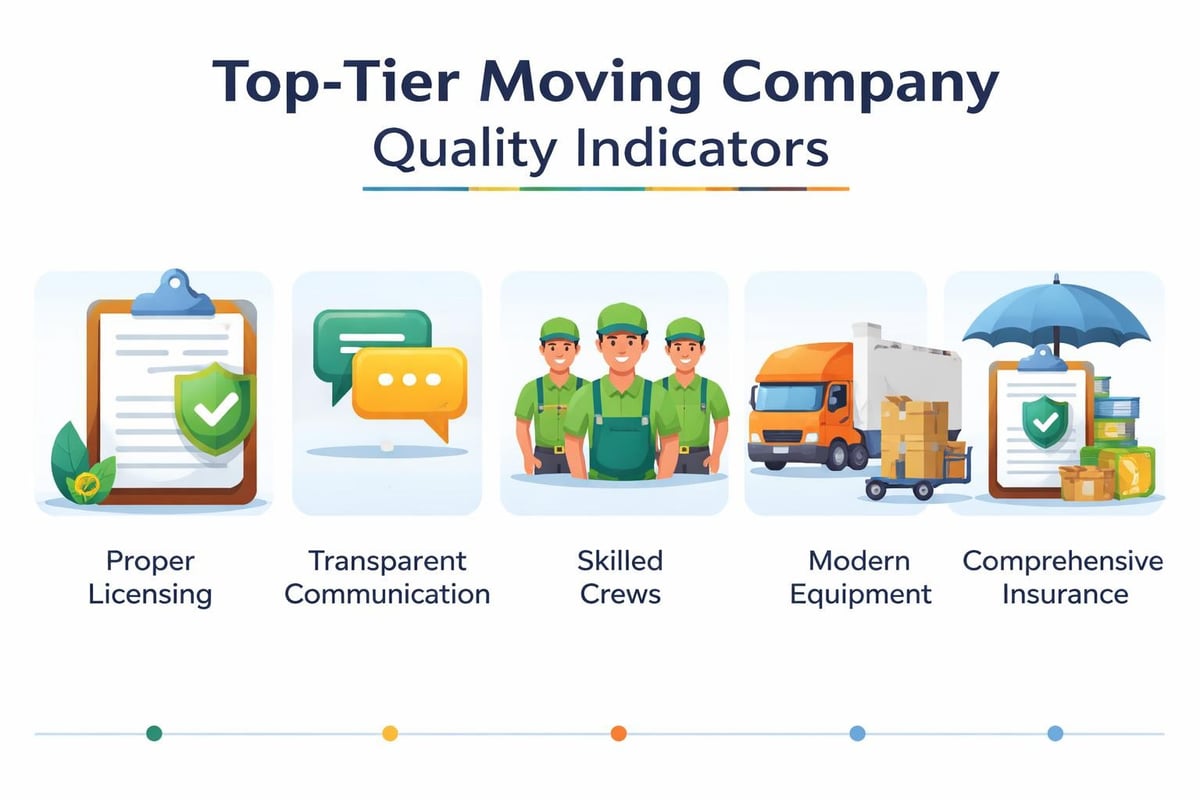
Distinguishing professional movers packers and movers from less reliable operators requires understanding the hallmarks of quality service. Several indicators consistently separate exceptional companies from mediocre or problematic ones.
Communication and Customer Service
Responsive, clear communication throughout the moving process demonstrates professionalism and customer commitment. Quality companies assign dedicated coordinators who remain accessible for questions, provide regular updates, and address concerns promptly.
Key communication elements include:
- Detailed written estimates with itemized charges
- Clear explanation of terms, conditions, and policies
- Proactive updates regarding scheduling and logistics
- Accessible customer service during business hours
- Post-move follow-up to ensure satisfaction
Equipment and Fleet Maintenance
Well-maintained trucks, quality moving equipment, and proper tools indicate a company's commitment to professional standards. Modern GPS tracking provides customers with real-time shipment location information, enhancing peace of mind during long-distance relocations.
Professional movers invest in specialized equipment including furniture dollies, appliance hand trucks, piano boards, and protective padding. This equipment protects belongings while enabling efficient loading and unloading that minimizes labor costs.
Preparing for a Successful Move
Even when working with professional movers packers and movers, customers play important roles in ensuring successful relocations. Proper preparation enhances efficiency, reduces costs, and minimizes stress throughout the moving process.
Pre-Move Organization Strategies
Begin preparing several weeks before the scheduled move date. Decluttering reduces volume, lowering costs while simplifying setup in the new location. Donate, sell, or dispose of items no longer needed rather than paying to transport them.
Create a comprehensive moving binder or digital file containing:
- Estimates and contracts from moving company
- Inventory lists of all belongings being transported
- Important documents needed during and after the move
- Contact information for all service providers involved
- Timeline with key dates and milestones
Military familiesfacing PCS moves benefit from understanding specific entitlements and requirements that differ from civilian relocations.
Day-of-Move Coordination
Plan to be present when movers arrive for both loading and unloading. Conduct walk-throughs to identify any special instructions, point out items requiring careful handling, and address last-minute questions.
Verify the inventory list as items are loaded onto the truck. This documentation proves essential if damage claims become necessary later. Take photos of valuable items before packing for additional protection.
Prepare a separate bag or box with essentials needed immediately upon arrival at the destination. Include medications, important documents, basic toiletries, change of clothes, phone chargers, and any items required within the first 24 hours before unpacking begins.
Insurance and Claims Process
Despite best efforts and professional care, accidents occasionally occur during relocations. Understanding insurance options and the claims process protects consumers financially and ensures appropriate recourse if damage happens.
Coverage Options Available
Federal regulations require interstate movers to offer two basic coverage levels:
Released Value Protectionprovides minimal coverage at no additional cost, typically 60 cents per pound per item. This option offers limited protection and often proves insufficient for valuable belongings.
Full Value Protectionrequires additional premium but provides comprehensive coverage. Under this option, the mover repairs, replaces, or provides cash settlement for damaged items at current replacement value.
Many customers supplement moving company coverage with third-party insurance or homeowner's/renter's policy riders, particularly for high-value items.Understanding coverage options helps determine appropriate protection levelsbased on belongings' total value.
Filing Claims Effectively
Document damage immediately upon discovery during unpacking. Take detailed photographs showing the damage and retain damaged items until the claim resolves. Most moving companies impose strict timeframes for damage reporting, typically requiring notification within nine months of delivery for interstate moves.
Submit written claims with supporting documentation including:
- Photos clearly showing the damage
- Receipts or appraisals establishing item value
- Moving company inventory sheets noting item condition
- Estimates for repair costs when applicable
Professional movers packers and movers maintain streamlined claims processes and work cooperatively to resolve legitimate damage reports fairly and promptly.
The Value of Professional Expertise
While DIY moving approaches might appear cost-effective initially, professional movers packers and movers deliver value extending beyond simple labor savings. Their expertise, equipment, and efficiency often result in superior outcomes that justify the investment.
Time Savings and Efficiency
Professional crews complete in hours what might take untrained individuals days to accomplish. Their systematic approach, specialized equipment, and experience enable efficient packing, loading, and unloading that minimizes the disruption period.
This efficiency proves particularly valuable for commercial relocations where downtime directly impacts revenue.Professional commercial moverscoordinate transitions to minimize business interruption while ensuring sensitive equipment and documents receive appropriate handling.
Reduced Risk of Injury and Damage
Moving heavy furniture and boxes creates significant injury risk for individuals without proper training and equipment. Professional movers possess the physical conditioning, techniques, and tools necessary to lift and maneuver heavy items safely.
Additionally, their expertise significantly reduces damage risk to belongings and property. They understand how to navigate tight spaces, protect walls and doorways, and secure items properly to prevent shifting during transport.
Seasonal Moving Considerations
The timing of relocations significantly impacts availability, pricing, and overall experience. Understanding seasonal patterns helps customers plan strategically and potentially reduce costs while ensuring service availability.
Peak Moving Season Challenges
Summer months from May through September represent peak moving season nationwide. Families relocate during school breaks, weather conditions favor outdoor loading and unloading, and many lease agreements terminate during these months.
This increased demand creates several challenges:
- Higher prices due to premium demand periods
- Reduced availability requiring earlier booking
- Potential delays if companies become overbooked
- Less flexibility for preferred dates and times
Off-Season Advantages
Relocating during fall, winter, or early spring offers several benefits including lower rates, greater availability, and more flexible scheduling. Movers packers and movers often provide discounts during slower periods to maintain steady workflow.
However, winter moves present unique challenges in certain regions. Snow, ice, and extreme cold create safety concerns and may cause scheduling delays. Proper planning and working with experienced movers familiar with winter relocations mitigates these risks.
Technology Integration in Modern Moving Services
The moving industry increasingly embraces technology to enhance service quality, improve customer experience, and streamline operations. Leading movers packers and movers leverage digital tools throughout the relocation process.
Digital Inventory Management
Modern inventory systems utilize tablets or smartphones to create detailed records during packing and loading. These digital inventories include photos, item descriptions, and condition notes accessible to customers in real-time through online portals.
This technology enhances accuracy, simplifies the claims process if damage occurs, and provides customers with peace of mind knowing exactly which items are in transit.
GPS Tracking and Communication Platforms
Real-time GPS tracking allows customers to monitor their belongings' location during long-distance relocations. This transparency reduces anxiety and enables better planning for arrival preparation at the destination.
Integrated communication platforms centralize all move-related correspondence, documents, and updates in a single accessible location. Customers review estimates, sign documents electronically, and communicate with coordinators through secure online portals.
Commercial and Specialized Moving Expertise
Beyond residential relocations, professional movers packers and movers serve diverse specialized markets requiring unique expertise and capabilities. These niche services demand additional training, specialized equipment, and industry-specific knowledge.
Office and Business Relocations
Commercial moves involve coordinating IT infrastructure, sensitive documents, specialized equipment, and business continuity requirements. Experienced commercial movers work closely with businesses to develop detailed plans minimizing operational disruption.
Weekend and after-hours moves allow businesses to relocate without impacting normal operations.Professional commercial moving servicescoordinate with IT teams, facilities managers, and leadership to ensure seamless transitions.
Specialty Item Transportation
Certain items require specialized handling beyond standard moving protocols:
| Item Type | Special Requirements | Expert Considerations |
|---|---|---|
| Pianos | Climate control, custom crating, experienced handlers | Professional piano movers understand proper technique |
| Antiques | Appraisal documentation, custom packing, insurance riders | Antique moving specialists preserve value |
| Medical Equipment | Sterile handling, regulatory compliance, precise placement | Specialized training ensures proper protocols |
| Fine Art | Climate control, museum-quality packing, specialized insurance | Expert handlers protect irreplaceable pieces |
These specialized services command premium pricing but deliver essential expertise protecting valuable or irreplaceable items during relocation.
Selecting the right movers packers and movers transforms potentially stressful relocations into manageable, efficient transitions. By understanding available services, verifying credentials, and working with experienced professionals, individuals and businesses protect their belongings while minimizing disruption during life-changing moves.US Prime Moverscombines comprehensive moving solutions with specialized expertise in long-distance relocations, military moves, and commercial transitions across the United States, delivering the professional service and peace of mind you deserve throughout your relocation journey.