
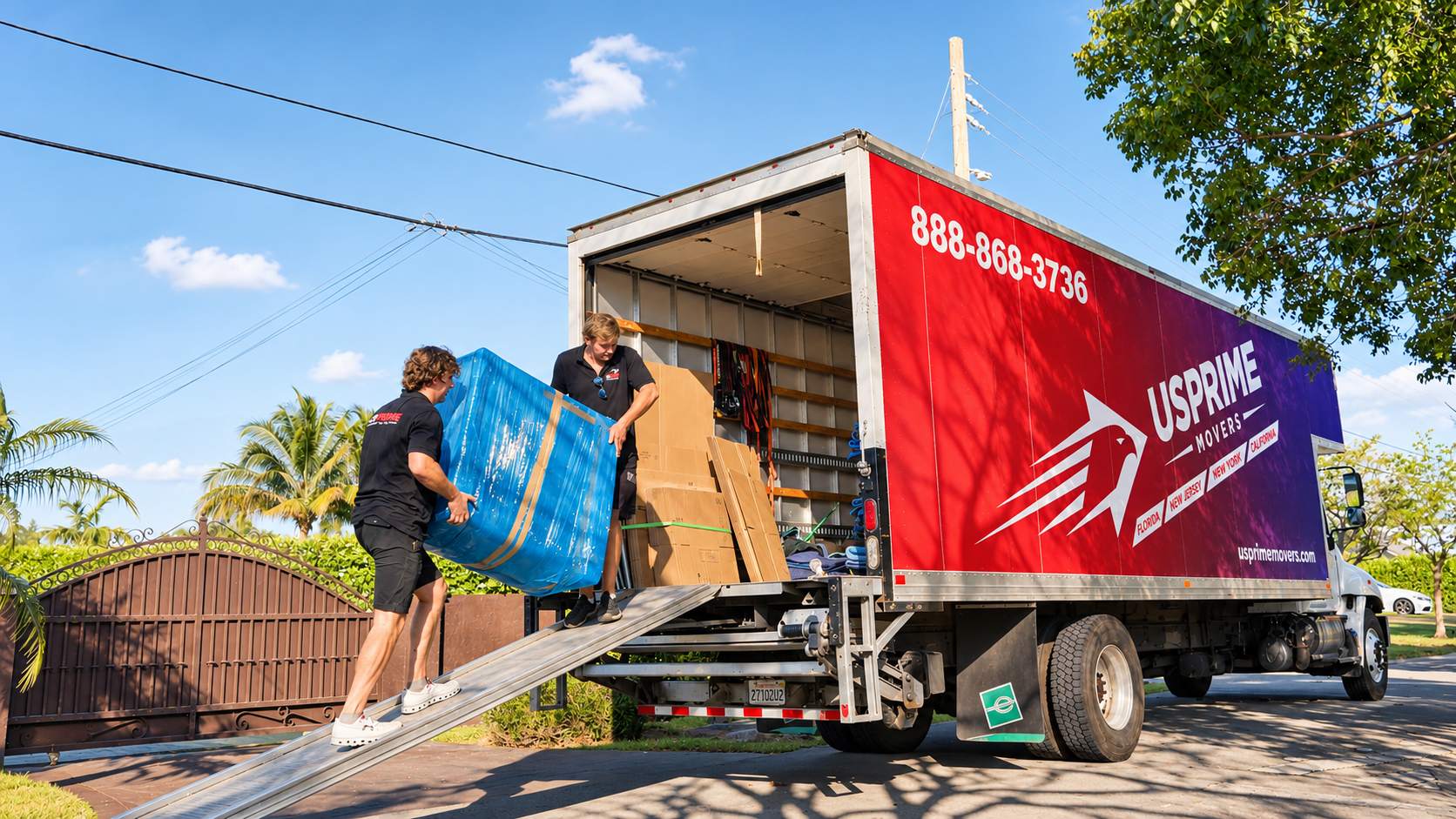
Timing your long-distance relocation can mean the difference between a smooth, affordable move and a stressful, expensive ordeal. Whether you're relocating from New York to California or Texas to Florida, understanding seasonal demand patterns, weather conditions, and pricing fluctuations will help you make an informed decision. The best time of year to move long distance depends on your priorities-whether you're focused on cost savings, scheduling flexibility, favorable weather, or a combination of these factors.
Understanding Peak vs. Off-Peak Moving Seasons
Demand for movers swings a lot through the year, and that changes both your price and your choice of dates. Peak season runs from May through September. In those months, prices run about 40% higher than the rest of the year, and dates fill up fast.
Off-peak season runs from October through April. It brings lower prices, better availability and more choice of dates.
Why Summer Dominates Moving Season
Several factors create summer's overwhelming popularity:
- School schedules drive family moves between June and August
- Weather conditions remain predictable across most US regions
- Lease agreements commonly expire at month-end during summer
- Home sales peak in spring and early summer months
This convergence creates intense competition for long distance moving services, particularly on weekends and at month-end. If summer timing is unavoidable, booking 8-12 weeks in advance becomes essential.

Month-by-Month Analysis: When to Schedule Your Move
January Through March: Maximum Savings Period
Winter brings lower prices and the most open calendars. January is one of the quietest months of the year, though weather can slow moves in northern and midwestern states.
February maintains low pricing while temperatures begin moderating in southern regions. Companies often provide promotional rates to fill otherwise quiet schedules.
March is the transition month: better weather than winter, with prices still below the summer peak.
Weather considerations for winter moves:
- Plan for potential snow delays in Northeast, Midwest, and Mountain states
- Ask about climate-controlled storage for temperature-sensitive items
- Build extra time into your timeline for weather contingencies
- Consider combining your move with moving and storage if delivery flexibility helps avoid storms
April and May: Spring Transition Period
These months bring moderate demand and better weather. April is a strong balance of price and conditions, especially for moves from northern to southern states.
April advantages:
- Lower prices than the summer peak
- Better scheduling availability than May through August
- Comfortable temperatures across most regions
- Lower humidity in southern states
May considerations: Demand accelerates rapidly as Memorial Day weekend approaches. Rates increase weekly throughout the month, and weekend availability becomes scarce. Book May moves by mid-March for optimal pricing and scheduling.
June Through August: Peak Season Challenges
Summer represents the most expensive and competitive period for long-distance relocations. The best time of year to move long distance for cost savings is definitely not during these months, though family schedules often leave little choice.
| Month | Booking window | Key challenges |
|---|---|---|
| June | 10–12 weeks | School transitions, high demand |
| July | 12–14 weeks | Busiest month, limited availability |
| August | 10–12 weeks | College moves, lease turnover |
Summer moving strategies:
- Book as early as possible-ideally 12-16 weeks before your move date
- Choose mid-week or mid-month dates; they cost about 15–30% less
- Avoid month-end dates when lease transitions create demand spikes
- Request morning pickup slots to prevent scheduling delays
- Confirm your reservation multiple times as your date approaches
Despite higher costs, summer provides excellent weather across nearly all US routes. Heat becomes the primary concern, particularly for moves through Southwest regions where temperatures exceed 100°F.
September and October: Fall Value Season
Many movers consider mid-September through mid-October the best time of year to move long distance: good weather, lower demand and better prices than summer.
September characteristics:
- Prices drop once peak season ends in September
- Weather remains favorable across most regions
- Availability improves significantly compared to summer
- Comfortable temperatures for loading and unloading
October advantages:
- Continued rate reductions as demand decreases
- Excellent weather in most states
- Flexible scheduling with shorter booking windows
- Professional crews less rushed than during peak season
Fall moving presents minimal weather risks except in northern mountain regions where early snow occasionally occurs. The combination of favorable conditions and moderate pricing makes these months highly strategic choices.

November Through December: Winter Opportunity Window
For budget-conscious households, the best time of year to move long distance often falls in late fall and winter, when demand is lowest, though the holidays make scheduling trickier.
November Strategic Positioning
Early November provides excellent value before Thanksgiving week. Movers offer competitive rates to maintain crew schedules during slower periods. The first three weeks of November combine reasonable weather in most regions with significant cost advantages.
Thanksgiving week considerations:
- Many companies close or operate limited schedules
- Crews request time off for holidays
- Highway traffic increases dramatically
- Hotels and restaurants along routes book solid
Schedule moves before November 20th or after November 28th to avoid holiday complications.
December Dynamics
This month presents the lowest demand and steepest discounts of the year. However, holiday schedules, winter weather, and year-end business closures require careful planning.
December advantages:
- Some of the lowest prices of the year
- Maximum scheduling flexibility
- Dedicated attention from moving crews
- Negotiating leverage for additional services
December challenges:
- Company holiday closures between December 23rd and January 2nd
- Winter weather disruptions in northern states
- Limited customer service availability during holidays
- Potential road closures in mountain passes
For moves requiring state-to-state transportation during December, choose the first two weeks or wait until after January 2nd for optimal reliability.
Weather Impact on Long-Distance Routes
Climate conditions vary dramatically across US regions, affecting move timing decisions based on your specific route. Understanding regional weather patterns helps identify the best time of year to move long distance for your particular relocation.
Northern and Northeastern Routes
Moves involving states like New York, Massachusetts, Michigan, or Illinois face winter weather challenges from November through March. Snow, ice, and temperature extremes can delay transport by 1-3 days.
Optimal timing: May through October provides the most predictable conditions, though September and October offer better pricing than summer months.
Southern and Southwestern Routes
Relocations to or from Florida, Texas, Arizona, or Southern California contend with heat and hurricane season considerations.
Hurricane season (June 1 - November 30) affects coastal moves, with September and October representing peak storm activity. While major hurricanes remain relatively rare, tropical storms can delay moves by several days.
Extreme heat in Southwest states makes July and August physically challenging for loading and unloading. Temperatures exceeding 110°F in Phoenix or Las Vegas create safety concerns and potential damage risks for certain items.
Ideal windows: March through May and November through February provide comfortable temperatures for southern relocations.
Cross-Country Considerations
Coast-to-coast moves cross several climate zones. Spring and fall offer the most consistent conditions along the way.
A New York to California move planned for April or October minimizes risks of:
- Snow delays in mountain passes
- Extreme heat in desert crossings
- Hurricane impacts on Gulf routes
- Ice storms in Midwest corridors
Cost Optimization Strategies Beyond Seasonal Timing
While choosing the best time of year to move long distance significantly impacts your budget, additional timing decisions create further savings opportunities.
Day of Week Pricing Variations
Weekends are the busiest moving days. Mid-week moves (Tuesday through Thursday) typically cost about 15–30% less, and so do mid-month dates.
Weekly pricing breakdown:
- Monday: moderate demand
- Tuesday–Thursday: lowest demand and the best prices
- Friday: High demand, standard rates
- Saturday-Sunday: Peak demand, 10-20% premium
Day of Month Considerations
Monthly demand follows lease and closing dates. Month-end moves (the last five days) are the busiest and most expensive dates of the month.
Strategic scheduling:
- Choose move dates between the 5th and 25th when possible
- Avoid first and last weekends of each month
- Request mid-month moves during summer for better availability
- Consider how your move timing affects housing overlap costs
Advance Booking Benefits
Booking early locks in better prices and dates. Recommended booking windows by season:
| Season | Recommended Booking Window | Last-Minute Options |
|---|---|---|
| Winter (Nov-Mar) | 4-6 weeks advance | Often available with 2 weeks notice |
| Spring (Apr-May) | 8-10 weeks advance | Limited after 4 weeks |
| Summer (Jun-Aug) | 12-16 weeks advance | Rare after 6 weeks |
| Fall (Sep-Oct) | 6-8 weeks advance | Sometimes available with 3 weeks notice |
The earlier you book, the better your price. Last-minute bookings cost more.

Special Circumstances Affecting Move Timing
Certain situations override general seasonal recommendations, requiring customized timing strategies.
Military PCS Relocations
Service members face transfer orders with specific reporting dates, limiting seasonal flexibility. However, understanding military moving peak periods helps plan within available windows.
Military move concentrations:
- May through August: 60% of annual PCS moves
- Peak demand: June and July
- Strategy: Book immediately upon receiving orders, request earliest available dates within your window
Employment Start Dates
Job relocations often dictate specific timelines regardless of seasonal considerations. When employment timing conflicts with optimal moving seasons:
- Negotiate flexible start dates when possible (even one week helps)
- Request corporate relocation assistance for peak-season premiums
- Consider temporary housing to separate your move date from your start date
- Explore whether remote work allows delayed relocation
Academic Calendar Constraints
College and university schedules create concentrated demand during specific periods. Late August represents one of the year's busiest moving periods due to student relocations.
Academic moving strategies:
- Book student moves 16-20 weeks in advance
- Consider late July instead of August for better availability
- Explore early move-in programs at universities
- Ship belongings separately if scheduling proves impossible
Weather Preparation Regardless of Season
Even during optimal moving windows, weather preparation protects your belongings and prevents delays. Every long-distance relocation should include contingency planning.
Protection Strategies by Season
Summer moves require:
- Climate-controlled storage for electronics, artwork and temperature-sensitive items
- Hydration and breaks for moving crews during loading/unloading
- Early morning start times in extreme heat regions
- UV-protective covering for items exposed during loading
Winter moves need:
- Waterproof protection for all items
- Extra padding for cold-sensitive electronics
- De-icing equipment for walkways and ramps
- Flexible delivery windows accounting for weather delays
Insurance Considerations
Seasonal weather can affect how much coverage you want. With US Prime Movers, basic liability coverage is included free, and you can buy extra coverage through our insurance partner Baker International.
Regional Timing Recommendations
The best time of year to move long distance varies significantly based on your specific states and cities involved.
Northeast to Southeast Moves
Optimal months: April, May, September, October
This popular retirement and lifestyle relocation route benefits from spring and fall timing. Avoid hurricane season (August through October) for coastal Florida destinations, though September and October generally provide good value despite minor storm risks.
West Coast Relocations
Best timing: March through June, September through November
California to Washington moves benefit from dry season timing. Pacific Northwest winters bring heavy rain, while California summers create wildfire risks in certain regions. Spring and fall provide optimal conditions.
Midwest to Sunbelt Transitions
Ideal windows: April through early June, late September through November
Relocations from Illinois, Ohio, or Michigan to Texas, Arizona, or Florida should avoid both harsh northern winters and southern summer heat. Spring timing particularly benefits these routes.
Cross-Country Moves
Strategic months: April, May, September, October
Coast-to-coast relocations cross diverse climate zones, making shoulder seasons ideal. These months minimize extreme weather exposure across all regions while offering moderate pricing.
Making Your Final Decision
Determining the best time of year to move long distance requires balancing multiple factors specific to your situation. Use this decision framework:
Priority ranking exercise:
- Flexibility: Can you choose your move date freely, or do external factors (job, lease, school) dictate timing?
- Budget: How important are cost savings relative to convenience and ideal conditions?
- Weather sensitivity: Do you have items requiring specific climate conditions, or does weather minimally impact your move?
- Stress tolerance: Can you manage peak-season competition, or do you prefer slower periods with dedicated attention?
Decision matrix:
| Priority | Best Seasons | Alternative Options |
|---|---|---|
| Maximum savings | November-February | Early April, late October |
| Optimal weather | May-June, September-October | April, early November |
| Best availability | November-March | September-October |
| Balanced approach | April, September, October | May, early November |
For most households with flexible timing, September and October represent the best time of year to move long distance. These months combine favorable weather, moderate pricing, good availability, and comfortable working conditions.
Budget-focused movers should target the off-peak months, October through April, despite the weather. Peak season costs about 40% more, so the savings usually outweigh small delays.
Families constrained by school schedules should book early June or late August moves as far in advance as possible, accepting higher costs as unavoidable.
Frequently Asked Questions
What is the cheapest month to move long distance?
January and the other winter months typically bring the lowest prices for long-distance moves. Summer peak season costs about 40% more. December and February are also quiet, though the holidays can complicate December. If weather concerns you, late March or early April is a good value with better conditions.
How far in advance should I book a long-distance move?
Booking windows depend on your move timing. For summer moves (June-August), reserve 12-16 weeks in advance. Spring and fall moves need 6-10 weeks advance notice, while winter relocations often secure good rates with just 4-6 weeks notice. Early booking always provides better pricing and availability regardless of season.
Does moving mid-month really save money?
Yes. Mid-month and mid-week moves typically cost about 15–30% less than month-end and weekend moves. Demand piles up in the last five days of each month because of lease transitions and closings, so aim for dates between the 5th and the 25th.
Can I move long distance during winter?
Absolutely. Winter brings some of the lowest prices of the year and the most open calendars, though northern routes can see weather delays. Build a 1–2 day weather buffer into your plans. If your new home isn't ready, every long-distance move with US Prime Movers includes 30 days of free storage in our climate-controlled warehouses.
Should I avoid moving during hurricane season?
Hurricane season (June 1 - November 30) affects coastal moves in the Southeast and Gulf regions. While major hurricanes remain relatively rare events, September and October see peak storm activity. If moving to or from coastal Florida, Texas, Louisiana, or the Carolinas during these months, purchase comprehensive insurance coverage and maintain flexible delivery windows. Inland routes experience minimal hurricane impact.
What's the worst time to move long distance?
Late June through early August is the most expensive and challenging time for long-distance moves: peak demand, peak-season prices (about 40% above the rest of the year), limited availability and extreme heat in many regions. If you must move then, book 14–16 weeks ahead.
The right season can save you real money and make the whole move easier. Match your timing to what matters most to you: price, weather or a fixed date. US Prime Movers moves families year-round across all 50 states, with our own trucks and crews, binding prices and 30 days of free storage on every long-distance move. Get your free quote or call (888) 868-3736 to price your preferred dates.