
Did you know that moving consistently ranks among the top five most stressful life events? Finding a safe moving company is the key to transforming this challenging experience into a smooth and secure transition.
This essential handbook will guide you through every step of your 2026 move, providing the tools and knowledge to protect your belongings and your peace of mind.
Discover how to evaluate moving companies, understand the latest safety standards, avoid scams, prepare for moving day, and ensure a successful relocation from start to finish. Let this comprehensive resource be your trusted partner for a safer, smarter move.
Understanding Safe Moving Practices in 2026
Moving safety has evolved rapidly in recent years, bringing new standards and tools to the forefront. Anyone searching for a safe moving company in 2026 needs to understand these changes to make informed choices. With technology, regulations, and consumer protections advancing, moving safely is more achievable than ever.
The Evolving Landscape of Moving Safety
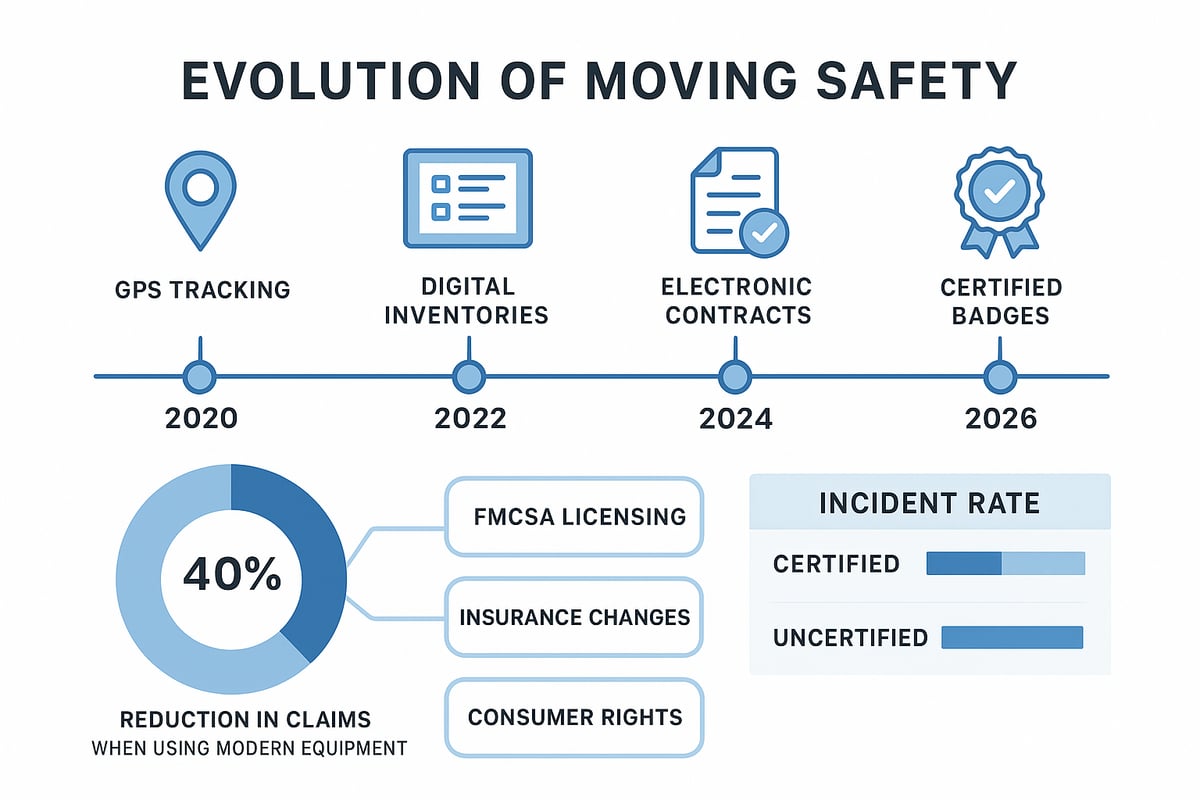
The moving industry is not what it was a decade ago. New technologies are transforming how a safe moving company operates. GPS tracking now allows clients to monitor their possessions in real time, while digital inventories make it easier to track every item from pickup to delivery. Electronic contracts have replaced paperwork, reducing errors and misunderstandings.
Regulations have also become stricter. The Federal Motor Carrier Safety Administration (FMCSA) updated its guidelines for 2026, requiring detailed background checks and ongoing training for all movers. This ensures only qualified personnel handle your belongings.
Despite these improvements, risks persist. Data shows that 14 percent of moves involving unlicensed providers result in damage, compared to far fewer with reputable movers. Common issues include theft, property damage, delays, and disputes over liability. Insurance requirements are also shifting, with more comprehensive coverage now expected for both movers and clients.
Consumer rights have expanded, giving customers more avenues for recourse if something goes wrong. As you evaluate a safe moving company, look for transparency about these changes. For best practices and additional insights, consultLong-distance moving safety tips.
Key Safety Certifications and What They Mean
Certifications are a cornerstone of any safe moving company. The FMCSA issues licenses and DOT numbers, which are mandatory for interstate movers. Verification of these credentials is simple and should be a first step in your research.
Industry certifications such as ProMover or membership in the American Moving & Storage Association (AMSA) signal a commitment to professionalism and safety. These organizations enforce strict standards and conduct regular audits.
You can check a company’s credentials online through official databases. Comparing certified and uncertified movers reveals stark differences. For example, certified movers report significantly fewer incidents and claims. Here is a quick comparison:
Type of Mover | Incident Rate (%) | Claim Denial Rate (%)
Certified | 4 | 8
Uncertified | 14 | 25
Choosing a safe moving company with proper certifications protects your interests and reduces risks.
Modern Moving Equipment and Safety Protocols
A safe moving company relies on up-to-date equipment and protocols. Trucks with lift gates and air-ride suspension minimize damage during transport. Secure packing materials, such as reinforced boxes and specialized padding, ensure that even fragile items arrive intact.
Protocols for handling specialty items—such as pianos, antiques, and electronics—are now standard. Movers use climate-controlled storage to keep sensitive belongings safe from temperature and humidity fluctuations.
Data shows that using modern equipment can reduce claims by as much as 60 percent. Proper safety protocols also protect against injuries and accidents during loading and unloading. For those with delicate or high-value items, these advancements offer peace of mind.
When selecting a safe moving company, inquire about their equipment and ask how they handle unique or valuable possessions. Ensuring these standards are in place is one of the most effective ways to guarantee a secure, stress-free move.
How to Choose a Safe Moving Company: Step-by-Step
Selecting a safe moving company is essential to protect your belongings, your peace of mind, and your finances. With the right approach, you can avoid common pitfalls and ensure a smooth relocation experience. Follow these steps to confidently identify and hire a company that prioritizes safety, transparency, and customer service.
Researching and Shortlisting Moving Companies
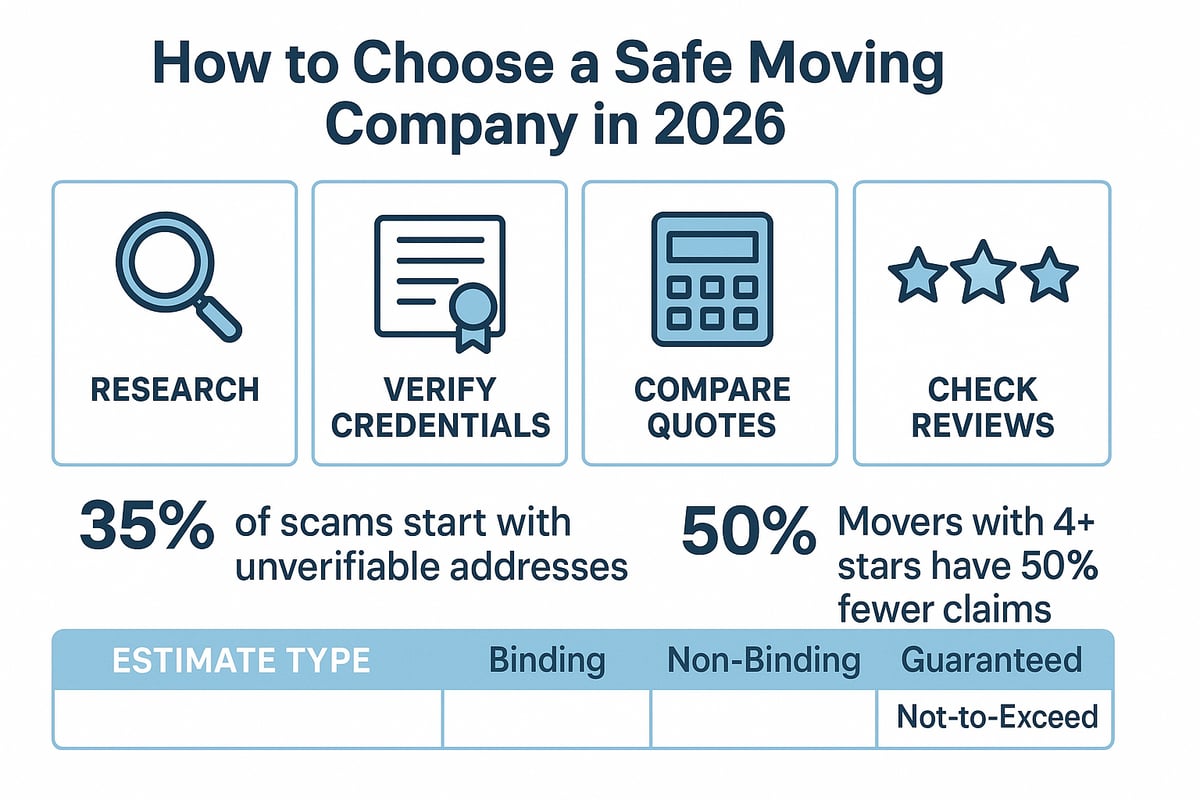
Begin your search for a safe moving company by gathering recommendations from friends, family, and trusted online sources. Use reputable directories and local listings to compile a list of candidates. Always check for a physical address and local presence, as companies without these are often unreliable.
Beware of red flags such as vague contact details or missing online profiles. In fact, 35% of moving scams originate with companies that lack a verifiable address. Prioritize movers that offer detailed information about their services, have a professional website, and are transparent about their team and processes.
When assessing your shortlist, review the company’s approach to packing, handling, and transportation. For example, you can learn more aboutprofessional packing and moversto ensure your chosen provider meets modern safety standards. Taking the time to research now will help you identify a truly safe moving company.
Verifying Credentials and Insurance
Once you have a shortlist, it is crucial to confirm each safe moving company’s credentials. Start by checking their FMCSA registration and Department of Transportation (DOT) number through official databases. This step ensures your mover is legally authorized to operate and adheres to national safety standards.
Next, request proof of insurance from every safe moving company under consideration. Understand the differences between released value and full value protection, as insurance coverage directly impacts your liability in case of loss or damage. Ask for documentation that verifies both active licensing and up-to-date insurance policies.
Be wary of companies that hesitate or refuse to provide these details. Legitimate movers readily share their credentials and encourage customers to verify them online. By taking these steps, you minimize the risk of hiring an unqualified or uninsured provider.
Comparing Quotes and Understanding Estimates
Obtaining estimates from multiple providers is key to choosing a safe moving company. Understand the distinctions among binding, non-binding, and guaranteed not-to-exceed estimates. Binding quotes lock in your price, while non-binding ones may change based on actual weight or services. Guaranteed not-to-exceed estimates cap your maximum cost, offering extra peace of mind.
Watch out for unusually low quotes, as these may signal hidden fees or potential scams. Reputable movers provide clear, itemized estimates and explain any additional charges for services like stairs, long carries, or packing. Use the table below to compare estimate types:
Estimate Type | Price Changes Possible? | Customer Protection Level
Binding | No | High
Non-Binding | Yes | Low
Guaranteed Not-to-Exceed | Only lower | Highest
Ask questions about all potential fees and clarify any unclear points before signing. This diligence ensures you select a safe moving company that values transparency.
Reading Reviews and Checking References
Before making your final choice, dive into customer reviews and testimonials. Visit trusted sites like the Better Business Bureau, Google, Yelp, and the FMCSA complaint database. These platforms reveal patterns in customer experiences and help you evaluate a safe moving company’s reliability.
Be cautious of fake or overly generic reviews. Focus on feedback that details specific experiences, both positive and negative. Movers with an average rating of 4 stars or higher have 50% fewer claims, indicating a greater emphasis on safety and customer care.
Whenever possible, speak directly with past clients for firsthand insights. Their stories can highlight a company’s strengths and weaknesses, giving you the confidence to trust your chosen safe moving company with your upcoming move.
Avoiding Moving Scams and Fraud in 2026
Moving can be a vulnerable time for families. Choosing a safe moving company is the first line of defense against scams and fraud. In 2026, sophisticated schemes are on the rise, making it vital to stay informed and prepared every step of the way.
Recognizing Common Moving Scams
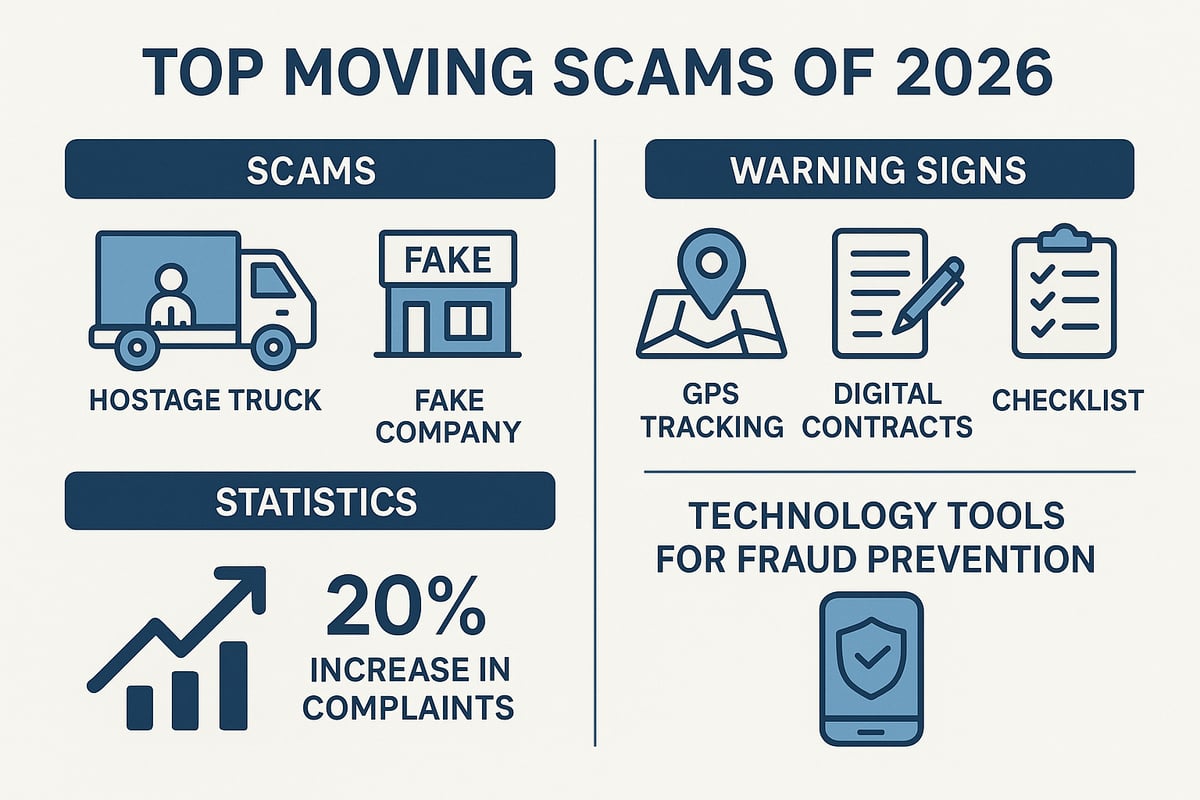
The landscape of moving scams is constantly evolving. Some of the most common schemes you might encounter include:
- Hostage load scams, where movers hold belongings until you pay extra fees.
- Bait-and-switch pricing, with costs suddenly skyrocketing after loading begins.
- Phantom movers, companies that disappear after taking deposits.
Warning signs are easy to spot if you know what to look for. These include requests for large upfront payments, refusal to provide written contracts, and lack of proper credentials. In fact, the FTC saw a 20% rise in fraud complaints in 2025 alone.
For a deeper dive into scam types and red flags, visit theBBB's Moving Scam Alert, which offers practical tips for spotting fraudulent movers. By starting your research with a safe moving company, you can avoid falling victim to these tactics.
Protecting Yourself Before and During the Move
Preparation is your best defense. Begin by documenting your entire inventory and photographing valuables before moving day. Always insist on a written, detailed contract with every safe moving company you consider.
Use secure payment methods, never pay cash, and verify the mover’s physical address and fleet. Legitimate companies will provide proof of insurance and licensing without hesitation. Investing in moving insurance can also reduce the risk of loss or damage.
Make sure the safe moving company you select offers clear communication and transparency. These habits will help you avoid unnecessary headaches and protect your belongings from start to finish.
What to Do If You Suspect Fraud
If you believe you have encountered a moving scam, act quickly. Contact the Federal Motor Carrier Safety Administration (FMCSA) and file a complaint with the Better Business Bureau. Alert your local authorities to ensure your case is documented.
Withhold payment safely by using escrow or credit cards when possible. This gives you leverage if something goes wrong. If your belongings are held hostage, legal and financial recourse is available, but swift action is crucial.
Real-life cases show that customers who choose a safe moving company and document every interaction recover their property and funds more efficiently. Keep all records, contracts, and communication in one place for easy access.
The Role of Technology in Fraud Prevention
Modern technology is transforming the moving industry. Safe moving company providers now use GPS tracking to let you monitor your shipment in real time. Digital inventories and electronic contracts add transparency and reduce errors.
E-signatures speed up paperwork, while secure client portals keep your information protected. According to recent data, 70% of consumers feel more secure when their move is digitally tracked.
By prioritizing a safe moving company that uses these tools, you gain peace of mind and a clear record of your entire relocation. Technology, combined with vigilance, is your best ally in preventing fraud.
Preparing for a Safe and Stress-Free Moving Day
Preparing for a move is about more than just packing boxes. To truly benefit from a safe moving company, you must carefully plan every step. Breaking tasks into manageable actions reduces stress and helps prevent costly mistakes.
Below, you will find expert advice and actionable tips to ensure your moving day is organized, safe, and as smooth as possible.
Creating a Comprehensive Moving Checklist
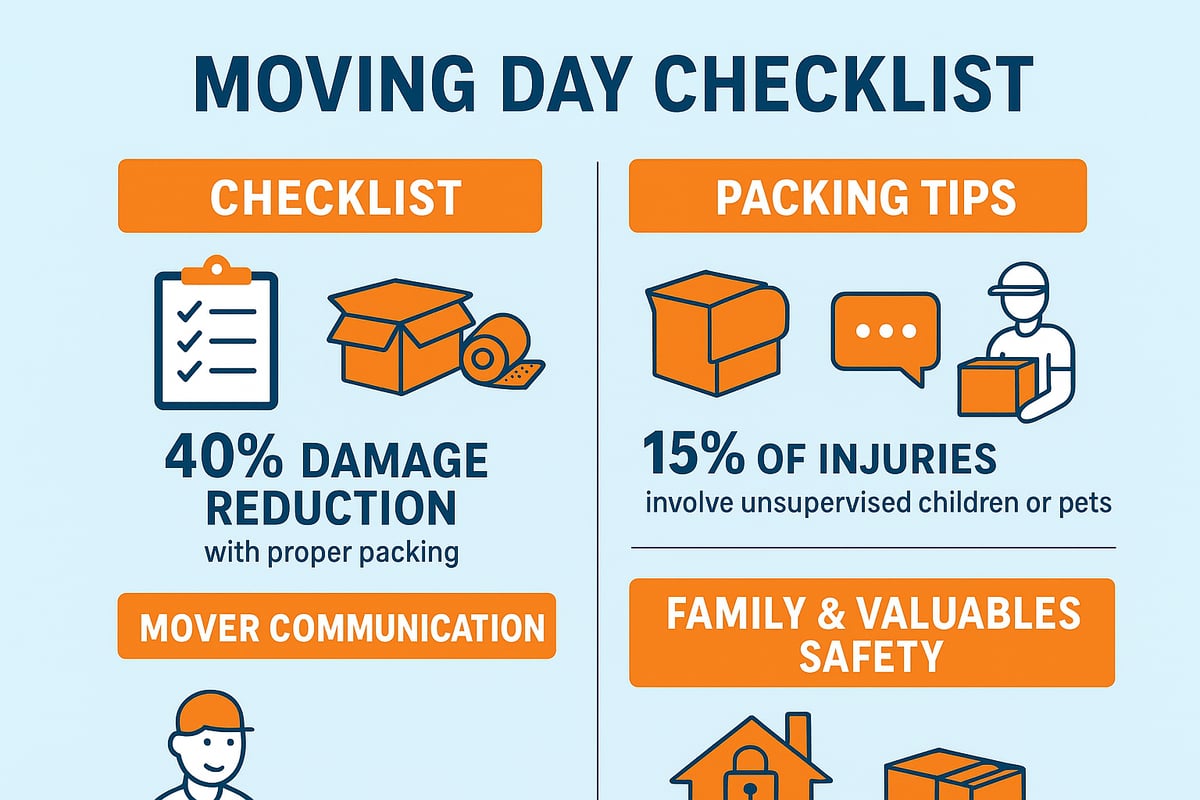
A well-structured checklist is essential when working with a safe moving company. Begin by listing all pre-move tasks, such as decluttering each room, gathering quality packing supplies, and notifying your utility providers about the upcoming change.
Start your checklist at least two months before your moving date. Include deadlines for sorting belongings, arranging donations or sales, and confirming your moving date with your chosen safe moving company. Make sure to schedule time for labeling boxes, organizing important documents, and setting aside essentials for moving day.
Sample Moving Timeline for a Three-Bedroom Home:
Timeline | Task
8 weeks before | Start decluttering and donating items
6 weeks before | Order packing supplies, begin packing
4 weeks before | Notify utilities and service providers
2 weeks before | Confirm details with safe moving company
Moving week | Pack essentials, complete walk-through
By following a detailed checklist, you limit last-minute surprises and help your safe moving company deliver a seamless experience.
Packing Strategies to Protect Your Belongings
The right packing strategies can make a significant difference in safeguarding your possessions. Begin by using sturdy boxes, reinforced tape, and cushioning materials like bubble wrap for fragile items. Label every box clearly with its contents and destination room, which helps your safe moving company handle your items efficiently.
For high-value or specialty items, such as antiques or artwork, consider custom crating and extra padding. If you need temporary or long-term storage, look for providers that offersecure moving and storage solutionswith climate control and advanced security protocols.
Inventory lists are vital. As you pack, document each item and take photos of valuables. This not only speeds up unpacking but also supports any insurance claims if needed. Remember, proper packing can reduce damage claims by 40 percent, so invest time and care in this step.
Communicating Effectively with Your Movers
Open communication is the backbone of a successful move with any safe moving company. Before moving day, arrange a pre-move walkthrough with your movers to review your inventory and highlight any fragile or high-value items. Provide clear instructions about access points, parking restrictions, and any special requests.
Create a contact list that includes your moving coordinator's phone number and email. Discuss procedures for handling last-minute changes, such as weather delays or additional items. If you have concerns about timing or logistics, raise them early so your safe moving company can prepare solutions.
On moving day, keep your phone nearby and check in periodically with the moving team. A communication checklist ensures nothing gets overlooked and helps you address emergencies quickly, making the process safer and more predictable.
Safety Tips for Families, Pets, and Valuables
Ensuring the safety of your loved ones and valuables is just as important as protecting your household goods. Work with your safe moving company to designate a child- and pet-free zone during loading and unloading. Assign a family member or friend to supervise children and pets, keeping them comfortable and away from busy areas.
Secure all personal documents, jewelry, and electronics in a locked box that travels with you. For high-value items, consider temporary storage or transporting them separately. Remember, 15 percent of moving day injuries involve unsupervised children or pets, so vigilance is key.
After the movers leave, check your new home for hazards like loose flooring or exposed wires. Taking these precautions allows your safe moving company to focus on logistics while you maintain a secure environment for your family.
Understanding Moving Insurance and Liability Coverage
Moving is a significant event, and protecting your belongings is essential when selecting a safe moving company. Understanding your options for moving insurance and liability coverage helps ensure you are not left unprotected if something goes wrong. This section will break down the main insurance types, guide you through choosing the right coverage, and explain how to file a successful claim.
Types of Moving Insurance Explained
When you work with a safe moving company, you’ll encounter two primary insurance options: released value protection and full value protection.
Released value protection is the basic coverage included by most movers at no extra cost. It typically covers up to 60 cents per pound per item. This means if a 10-pound item is damaged, you would receive only $6, regardless of its actual value. This option is best suited for those with low-value belongings or minimal risk.
Full value protection, on the other hand, requires an additional fee but provides more comprehensive coverage. The safe moving company is liable for the replacement value of lost or damaged items, up to a pre-determined limit. Exclusions often apply, such as for items packed by the customer or certain high-value goods.
Industry averages show that full value protection results in higher payouts and more satisfied customers. However, it is crucial to read the policy carefully, as some items may be excluded or subject to deductibles. Always request a written summary of what your chosen coverage entails.
Insurance Type | Coverage Level | Cost | Typical Payouts
Released Value | $0.60/lb per item | Included | Low
Full Value Protection | Replacement value | Extra fee | High
How to Evaluate and Select the Right Coverage
Choosing the right insurance from a safe moving company involves several important steps. Begin by assessing the value of your possessions. Create a detailed inventory, noting high-value or irreplaceable items.
Next, determine your risk tolerance. If you own items such as antiques, electronics, or family heirlooms, full value protection is usually the better choice. Ask the safe moving company to explain all available insurance options and provide documentation outlining coverage and exclusions.
Compare the costs and benefits of each policy. For some, the peace of mind from comprehensive coverage outweighs the additional fee. It’s also wise to consult third-party sources, such as theWashington Post's Guide to Avoiding Moving Scams, for tips on protecting your financial interests during your move.
Before signing any agreement, clarify the claims process, payout limits, and any documentation you’ll need. This preparation ensures you are not caught off guard if you need to file a claim.
Filing a Claim: Steps and Best Practices
If you experience damage or loss during your move, a safe moving company should provide clear instructions for submitting a claim. Begin by inspecting your items as soon as they arrive. Document any damage with photos and detailed notes.
Gather supporting documents, such as the original inventory list, your contract, and any receipts. Submit your claim in writing, following the mover’s guidelines precisely. Most safe moving company policies require claims to be filed within a specific timeframe. Data shows that 80% of successful claims are submitted within 30 days.
Common reasons for claim denials include insufficient documentation, late filing, or damage to items packed by the customer. To avoid these pitfalls, keep thorough records and communicate promptly with your mover. Track your claim’s progress and follow up until you receive a resolution.
By understanding your insurance options, evaluating your needs, and following best practices for filing claims, you can ensure your experience with a safe moving company is as stress-free and secure as possible.
Post-Move Safety: Settling In and Damage Control
Moving into your new home is exciting, but ensuring safety and resolving any damage should be your top priorities. Even after hiring a safe moving company, it is vital to take a systematic approach to post-move tasks. This guarantees your belongings are accounted for and your household is secure from day one.
Inspecting Your Belongings and Home
Begin by conducting a thorough inspection of all delivered items. As a customer of a safe moving company, use your inventory list to check each box and piece of furniture. Look for any damage, missing items, or signs of mishandling.
Walk through every room, noting issues such as dents, scratches, or broken pieces. Photograph damages immediately. A safe moving company should provide you with a detailed inventory, making this process more efficient.
Next, inspect your new home itself. Check for any property damage that may have occurred during the move, such as scuffed walls or damaged floors. Document everything before unpacking completely.
Addressing Damage or Missing Items
If you discover missing or damaged belongings, contact your safe moving company right away. Provide photos, a copy of your inventory, and a written description of the issue. Most companies have a clear claims process to follow.
For valuable or fragile items, refer to specialized protocols. For example, if you moved antiques or collectibles, review theAntique and specialty item movingguidelines for handling claims and ensuring proper care.
Here is a typical claim resolution timeline:
Step | Typical Timeframe
Report Damage | Within 24-48 hours
Submit Claim Form | 1-3 days
Company Review | 7-30 days
Resolution/Payout | 2-4 weeks
Stay in communication with your safe moving company throughout the process to ensure prompt action.
Ensuring Safety in Your New Home
Once your belongings are accounted for, focus on making your new space safe and comfortable. A safe moving company may help position large furniture, but you are responsible for final adjustments.
Check for hazards such as loose flooring, exposed wires, or unstable shelving. Secure large items like bookshelves and appliances to prevent tipping. If you have children or pets, install gates, outlet covers, and cabinet locks right away.
Review each room with safety in mind. Even with a reliable safe moving company, your vigilance ensures a truly secure home environment.
Updating Security and Utility Services
Enhance your peace of mind by updating all security and utility services after a move. Change all entry door locks, update alarm codes, and ensure your security system is operational. Notify utility providers to transfer or set up electricity, water, gas, and internet.
Do not forget to register your new address with local authorities and service providers. Even after hiring a safe moving company, these final steps help you settle in confidently and reduce future hassles.