
Relocating your household across state lines involves countless decisions, tight timelines, and the considerable stress of ensuring everything arrives safely at your destination. Professional packers and movers have emerged as essential partners for families planning long-distance relocations, handling everything from bubble-wrapping your grandmother's china to coordinating the logistics of transporting your entire household thousands of miles. Understanding how these services work, what they cost, and how to choose the right team can transform an overwhelming process into a manageable transition.
What Packers and Movers Actually Do
Professional packers and movers provide comprehensive relocation services that extend far beyond simply loading boxes into a truck. These specialists handle the complete lifecycle of your move, from the initial planning stages through final delivery.
The packing portion typically begins with a thorough inventory of your household items. Trained professionals arrive with commercial-grade materials including reinforced boxes, specialty containers for fragile items, bubble wrap, packing paper, and custom crating materials for high-value belongings. They systematically pack each room, applying specialized techniques for different item categories.
Core Services Breakdown
Full-service packers and movers typically offer:
- Complete household packing using professional-grade materials
- Disassembly and reassembly of furniture pieces
- Custom crating for valuable or fragile items
- Loading and securing items in the moving truck
- Transportation to your destination
- Unloading and placement in designated rooms
- Unpacking services and debris removal
The moving component involves careful loading strategies that maximize space while minimizing the risk of damage during transport. Experienced movers use furniture pads, straps, and strategic positioning to protect your belongings during the journey. Forlong-distance moves, items remain secure for days or even weeks of highway travel.

Cost Expectations and Pricing Structures
Understanding the financial aspects of hiring packers and movers requires familiarity with industry pricing models. Most companies base their estimates on several key factors that directly impact the final bill.
For long-distance relocations, expect costs ranging from $2,500 to $7,500 for a typical three-bedroom household moving 1,000 miles. This estimate includes both packing and moving services. Several variables influence where your move falls within this range.
| Cost Factor | Impact on Price | Typical Range |
|---|---|---|
| Distance | Major factor | $0.50-$1.00 per pound per mile |
| Home Size | Volume of items | 2BR: $2,000-$4,500; 4BR: $5,000-$9,000 |
| Packing Services | Labor and materials | $300-$1,500 additional |
| Special Items | Requires expertise | Piano: $200-$800; Antiques: varies |
| Season | Demand fluctuation | Summer: 20-30% premium |
Breaking Down the Numbers
Full packing services generally add $300 to $1,500 to your moving bill, depending on home size and the complexity of your belongings. A two-bedroom apartment might require 6-8 hours of professional packing time, while a four-bedroom house could need two full days with a crew of three packers.
Partial packing represents a middle ground where professionals handle only fragile items, specialty pieces, or specific rooms while you pack everyday items. This approach typically costs $500-$800 and can reduce overall expenses by 25-30%.
According toindustry research on packers and movers growth, technological advancements and increased consumer demand have led to more competitive pricing structures, making professional services more accessible than ever before.
How to Choose Reliable Packers and Movers
Selecting the right team for your relocation requires careful research and verification. The moving industry includes both exceptional professionals and companies that cut corners, making due diligence essential.
Verification Steps to Follow
Confirm licensing and registration: Interstate movers must hold a valid USDOT number issued by the Federal Motor Carrier Safety Administration. Verify this number through the FMCSA website.
When researching potential movers,understanding what qualities distinguish genuine professionalshelps you identify companies that prioritize customer service and reliability.
Red Flags and Common Mistakes to Avoid
Protecting yourself from fraudulent or unprofessional packers and movers requires awareness of warning signs that indicate potential problems.
Critical red flags include:
- Requiring large deposits (over 20%) before moving day
- Lacking a physical business address or proper website
- Providing estimates significantly lower than competitors
- Unable to provide proof of licensing or insurance
- Negative patterns in online reviews mentioning damaged items or hostage loads
One prevalent scam involves lowball estimates that dramatically increase after your belongings are loaded. Companies then hold items hostage until you pay inflated fees.Safeguarding against fraudulent packers and moversrequires vigilance during the selection process.
Mistakes Homeowners Make
Many people focus exclusively on finding the lowest price, overlooking crucial factors like insurance coverage, experience with specialty items, and company reputation.Common hiring mistakesinclude failing to clarify what services are included in quotes and not understanding your liability options.
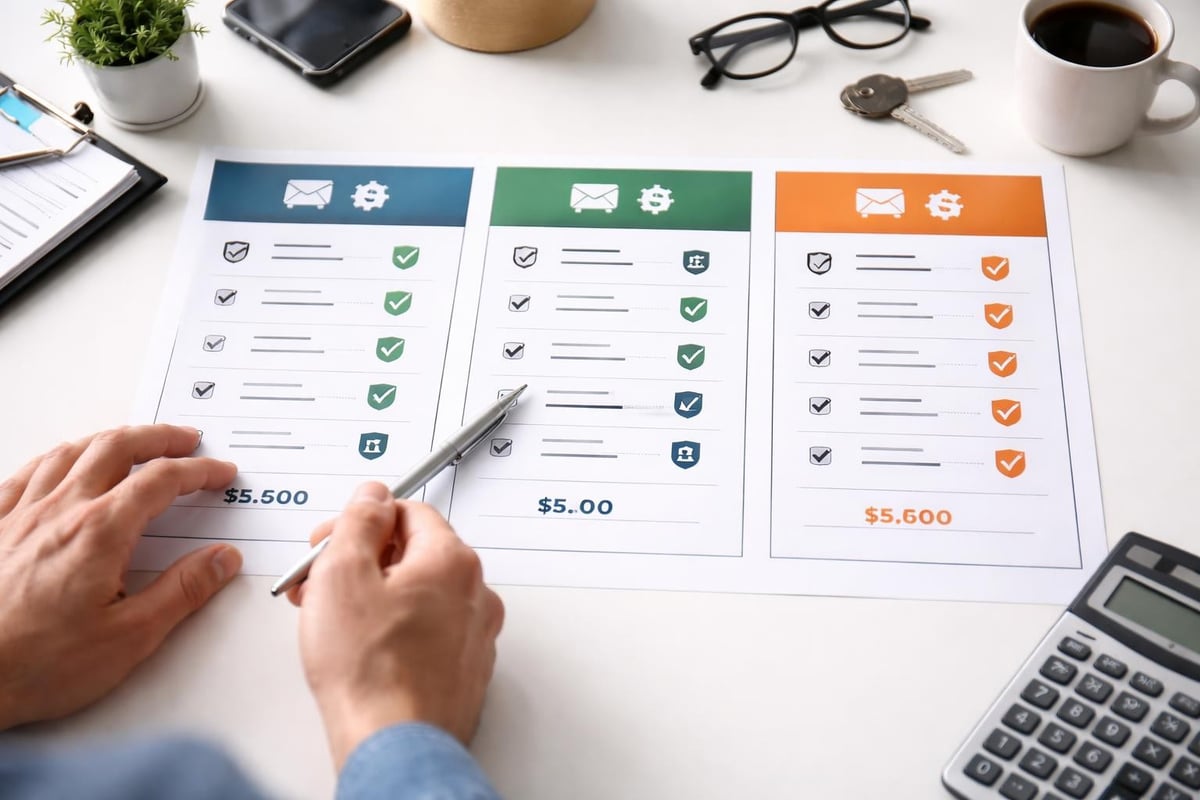
Another frequent error involves inadequate preparation for packing day. Even when hiring professionals, you need to prepare your home properly.Steps to prepare for professional packersinclude decluttering beforehand, separating valuable items you'll transport personally, and ensuring clear pathways throughout your home.
Timeline Planning for Packing and Moving
Successful long-distance relocations require strategic timeline planning that accounts for every phase of the process. Starting preparations early reduces stress and ensures you secure your preferred moving dates.
8-Week Moving Timeline
Weeks 8-6 Before Moving:
- Research and request estimates from at least three packers and movers
- Begin decluttering and sorting items for donation or disposal
- Notify landlords or arrange home sale logistics
- Start gathering important documents and records
Weeks 5-4 Before Moving:
- Book your chosen moving company and confirm dates
- Order specialty packing materials if doing partial packing yourself
- Notify utility companies and arrange transfer or cancellation
- Update address with postal service, banks, and subscriptions
Weeks 3-2 Before Moving:
- Confirm packing date with your movers
- Pack personal items like jewelry, documents, and medications
- Measure doorways and staircases at your new home
- Arrange temporary housing if needed between move-out and move-in dates
Week 1 Before Moving:
- Conduct walkthrough with moving company representative
- Prepare appliances (defrost freezers, disconnect washers)
- Pack essentials box for first days in new home
- Photograph valuable items before packing begins
Moving Day:
- Conduct inventory count as items are loaded
- Keep important documents and valuables with you
- Take final photos and meter readings
- Complete walkthrough of empty home
The actual packing process typically takes 1-2 days for an average household, depending on size and complexity. Professional teams can pack a three-bedroom home in approximately 8-12 hours with a crew of three experienced packers.
Specialty Items Requiring Expert Handling
Certain household items demand specialized knowledge and equipment beyond standard packing capabilities. Professional packers and movers train extensively to handle these challenging belongings safely.
| Item Category | Special Requirements | Cost Premium |
|---|---|---|
| Pianos | Climate control, custom crating, specialized equipment | $200-$800 |
| Antiques | Appraisal, climate control, custom crating | 15-25% above standard |
| Artwork | Archival materials, climate monitoring, crating | $100-$500 per piece |
| Electronics | Anti-static materials, original packaging preferred | Standard if boxed properly |
| Plants | USDA regulations for interstate transport | Often not transported |
Piano Moving Considerations
Pianos represent one of the most challenging items to relocate, requiringspecialized piano moving serviceswith proper equipment and training. Grand pianos must be carefully disassembled, with legs removed and the body secured in custom padding before transport.
Weight distribution matters significantly, particularly for upright pianos that can weigh 300-800 pounds. Professional piano movers use specialized dollies, ramps, and lifting straps designed specifically for these instruments.
Packing Materials and Techniques
Professional packers and movers utilize commercial-grade materials that provide superior protection compared to consumer products available at retail stores. Understanding these materials helps you appreciate the value of professional packing services.
Essential Packing Materials
Boxes and containers:
- Small boxes (1.5 cubic feet) for books and heavy items
- Medium boxes (3.0 cubic feet) for kitchen items and electronics
- Large boxes (4.5 cubic feet) for lightweight bulky items
- Wardrobe boxes with hanging bars for clothing
- Dish pack boxes with double-wall construction
Protective materials:
- Commercial bubble wrap in multiple sizes
- Unprinted packing paper (newsprint can stain items)
- Furniture pads and moving blankets
- Foam corner protectors and edge guards
- Stretch wrap for securing drawers and doors
Professional packing techniques include the "bundle wrap" method for fragile items, where multiple pieces are wrapped together with cushioning between each piece. This approach actually provides better protection than wrapping items individually because it prevents movement within boxes.
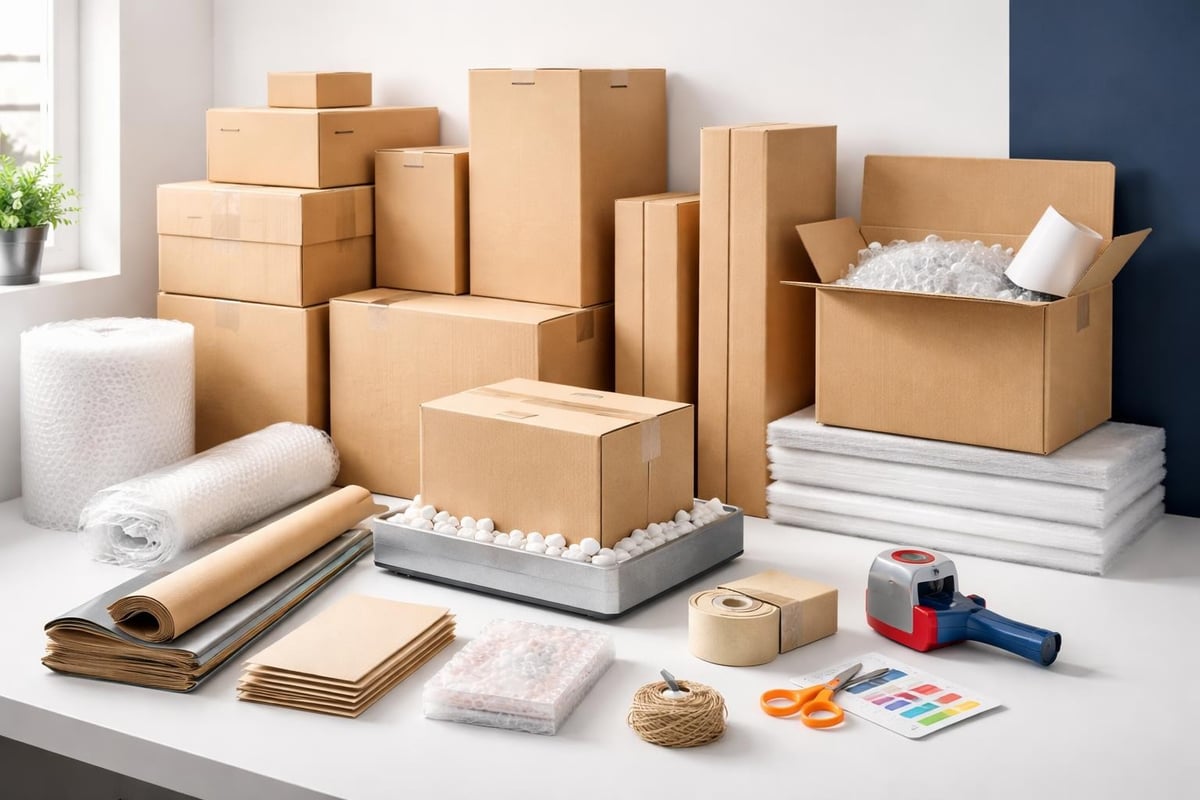
For dishes and glassware, professionals use the "cell pack" method with cardboard dividers creating individual compartments. Each item receives paper wrapping before placement in its designated cell, preventing contact between pieces during transport.
Insurance and Liability Coverage Options
Understanding protection options for your belongings during the moving process represents a critical component of working with packers and movers. Federal regulations require moving companies to offer specific liability coverage levels.
Standard Coverage Options
Released Value Protection (Basic):
- Provided at no additional cost
- Covers only $0.60 per pound per article
- Example: 50-pound television worth $1,000 receives only $30 compensation if damaged
- Suitable only for older items with minimal value
Full Value Protection (Recommended):
- Costs approximately 1-2% of shipment declared value
- Mover repairs, replaces, or provides cash settlement for damaged items
- Covers items at current replacement value
- May include deductible options to reduce premium costs
Third-Party Insurance:
- Available through specialized moving insurance companies
- Often provides broader coverage than carrier options
- Costs typically $200-$400 for standard household moves
- Covers items carrier liability excludes
Most experienced packers and movers recommend Full Value Protection for long-distance relocations. While it increases upfront costs, the coverage provides genuine financial protection if accidents occur during your move.
Preparing Your Home for Packing Day
Even when hiring full-service packers and movers, homeowners maintain responsibilities for preparing their residence. Proper preparation ensures efficient packing and helps avoid last-minute complications.
Room-by-Room Preparation Checklist
Kitchen:
- Empty and defrost refrigerator/freezer 24-48 hours before packing
- Dispose of perishable food items
- Set aside items you'll need during final days (coffee maker, basic dishes)
- Drain and clean small appliances
Bedrooms:
- Remove items from dresser tops and nightstands
- Strip beds and wash linens
- Empty closets of items you're transporting yourself
- Secure jewelry and valuable items separately
Bathrooms:
- Dispose of hazardous materials (nail polish, aerosols, cleaning chemicals)
- Pack medications and toiletries you'll need separately
- Remove items from medicine cabinets
- Drain water from toilet tanks in freezing climates
Garage and basement:
- Drain gasoline from lawn equipment
- Organize tools and hardware into logical groups
- Identify hazardous materials that cannot be transported
- Clear pathways to facilitate mover access
Professional packers can handle homes in any condition, but organization significantly reduces packing time and associated labor costs. Decluttering before packing day can reduce your overall moving costs by 15-25% by decreasing volume.
Communication and Coordination Strategies
Successful collaboration with your packers and movers requires clear communication throughout the entire process. Establishing expectations and maintaining contact prevents misunderstandings that can complicate your relocation.
Key Communication Points
Initial consultation: Clearly explain any challenging items, access limitations, or special requirements. Mention narrow hallways, flights of stairs, or items requiring disassembly.
Many moving companies now offer tracking technology that provides real-time updates on your shipment location. This transparency reduces anxiety during the transit period when your belongings are en route.
Military Relocations and Specialized Moving Needs
Military families face unique challenges when relocating, including strict timelines, government regulations, and frequent moves that demand reliablemilitary moving services. Professional packers and movers with PCS experience understand these requirements and provide specialized support.
Military moves often involve additional considerations like weight allowances based on rank and family size. Exceeding these limits results in personal financial responsibility for excess weight. Experienced military movers provide accurate weight estimates and help families stay within authorized limits.
The timeline for military relocations typically compresses significantly compared to civilian moves, with orders sometimes arriving just weeks before report dates. Professional packers and movers accustomed to military requirements maintain flexibility to accommodate rapid deployment schedules.
Regional Considerations for Interstate Moves
Long-distance relocations across different regions present specific challenges that experienced packers and movers navigate regularly. Climate variations, geographical obstacles, and state regulations all impact the moving process.
Climate and Environmental Factors
Moving from humid coastal regions to dry interior states requires considerations for wood furniture, which can crack or warp with humidity changes. Professional movers may recommend climate-controlled transport for valuable wood pieces, leather furniture, and sensitive electronics during extreme temperature months.
Winter moves through northern states demand preparation for potential weather delays. Experiencedstate-to-state moving specialistsbuild buffer time into schedules during winter months and monitor weather forecasts closely.
Regional pricing variations:
- Moves to or from California, Florida, and Texas typically cost 10-15% more due to higher demand
- Northeast corridor moves often involve additional fees for congested urban areas
- Rural destination deliveries may include extra charges for extended travel beyond major highways
Understanding these regional factors helps you set realistic expectations for both timeline and costs when planning your long-distance relocation with packers and movers.
The Value Proposition of Professional Services
Weighing the costs of professional packers and movers against DIY alternatives requires honest assessment of your time, physical capabilities, and risk tolerance. While professional services represent a significant expense, they provide multiple forms of value beyond simple labor.
Time savings calculation:
- Average DIY packing time for 3-bedroom home: 40-60 hours
- Professional packing time for same home: 8-12 hours
- Your hourly value × hours saved = opportunity cost
Risk mitigation:
- Professional liability coverage protects your belongings
- Proper packing techniques reduce damage probability by 60-75%
- Insurance claims for DIY moves often face denial due to improper packing
Physical strain reduction:
- Moving-related injuries send 80,000 Americans to emergency rooms annually
- Professional movers possess training and equipment for safe lifting
- Avoiding injury prevents medical costs and lost work time
For most long-distance relocations, professional packers and movers deliver measurable value through expertise, efficiency, and peace of mind. The investment typically proves worthwhile when considering the total cost of ownership for a major relocation.
Technology and Innovation in Modern Moving Services
The moving industry has embraced technological advancement, with modern packers and movers offering digital tools that streamline the relocation process. These innovations enhance transparency, improve communication, and provide better customer experiences.
Virtual surveys using video calling technology allow moving companies to provide accurate estimates without in-home visits. Customers simply walk through their homes with a smartphone, showing belongings to estimators who calculate volumes and requirements remotely.
Inventory management apps enable digital tracking of every box and item throughout the moving process. Customers receive detailed manifests with photographs, descriptions, and destination room assignments for each piece. This technology virtually eliminates the lost item problem that plagued traditional moves.
GPS tracking systems provide real-time shipment location updates during transport. Many companies offer customer portals where you can monitor your truck's progress across the country, receiving alerts when it reaches major checkpoints or encounters delays.
These technological improvements complement the fundamental expertise that professional packers and movers provide, creating a modern moving experience that balances human skill with digital efficiency.
Choosing the right packers and movers for your long-distance relocation involves careful research, realistic budgeting, and clear communication about your specific needs. Whether you're moving specialty items like pianos, coordinating a military PCS, or simply relocating your household across state lines, professional services provide expertise and peace of mind during this major life transition.US Prime Moversspecializes in long-distance relocations across all 50 states, offering fully licensed and insured services with transparent pricing and dedicated support from our family-owned team. Contact us today for a free quote and discover how our experienced professionals can make your next move stress-free and successful.