
Planning a relocation involves numerous decisions, and one of the most significant is whether to handle the move yourself or hire professionals. Moving truck hire has become an increasingly popular option for homeowners and renters looking to save money on their move. Understanding the rental process, costs, insurance requirements, and logistics can help you determine if this DIY approach fits your specific situation. This comprehensive guide breaks down everything you need to know about renting a moving truck in 2026, from selecting the right size vehicle to avoiding hidden fees and ensuring a smooth rental experience.
Understanding Moving Truck Hire Basics
Moving truck hire refers to the short-term rental of a cargo truck designed specifically for transporting household belongings during a relocation. Unlike hiring professional movers who handle the entire process, truck rental puts you in the driver's seat, both literally and figuratively.
The concept is straightforward: you rent a truck for a specified period, load your belongings, drive to your new location, unload, and return the vehicle. This approach appeals to budget-conscious individuals willing to invest physical effort in exchange for cost savings.
Who Should Consider Truck Rental
Moving truck hire works best for specific situations and types of moves. Local moves under 100 miles typically offer the most savings potential, as you can often complete the move within a single day rental period.
Ideal candidates for truck rental include:
- College students with minimal furniture
- Single professionals or couples with one-bedroom apartments
- Budget-conscious families with able-bodied helpers
- Anyone comfortable driving large vehicles
- People with flexible timelines
However,long-distance movingacross state lines involves additional complexity. The physical demands of loading, driving hundreds of miles, and unloading can prove overwhelming, especially for larger households or families with fragile items.
Choosing the Right Truck Size
Selecting the appropriate truck size directly impacts both cost and efficiency. Rental companies offer various sizes measured in cubic feet or length.
| Truck Size | Typical Home Size | Cubic Feet | Best For |
|---|---|---|---|
| 10-12 feet | Studio/1 bedroom | 400-500 | Small apartments, dorm rooms |
| 15-16 feet | 1-2 bedrooms | 700-800 | Small homes, apartments |
| 20 feet | 2-3 bedrooms | 1,000-1,200 | Medium homes |
| 26 feet | 3-4+ bedrooms | 1,600-1,800 | Large homes, full households |
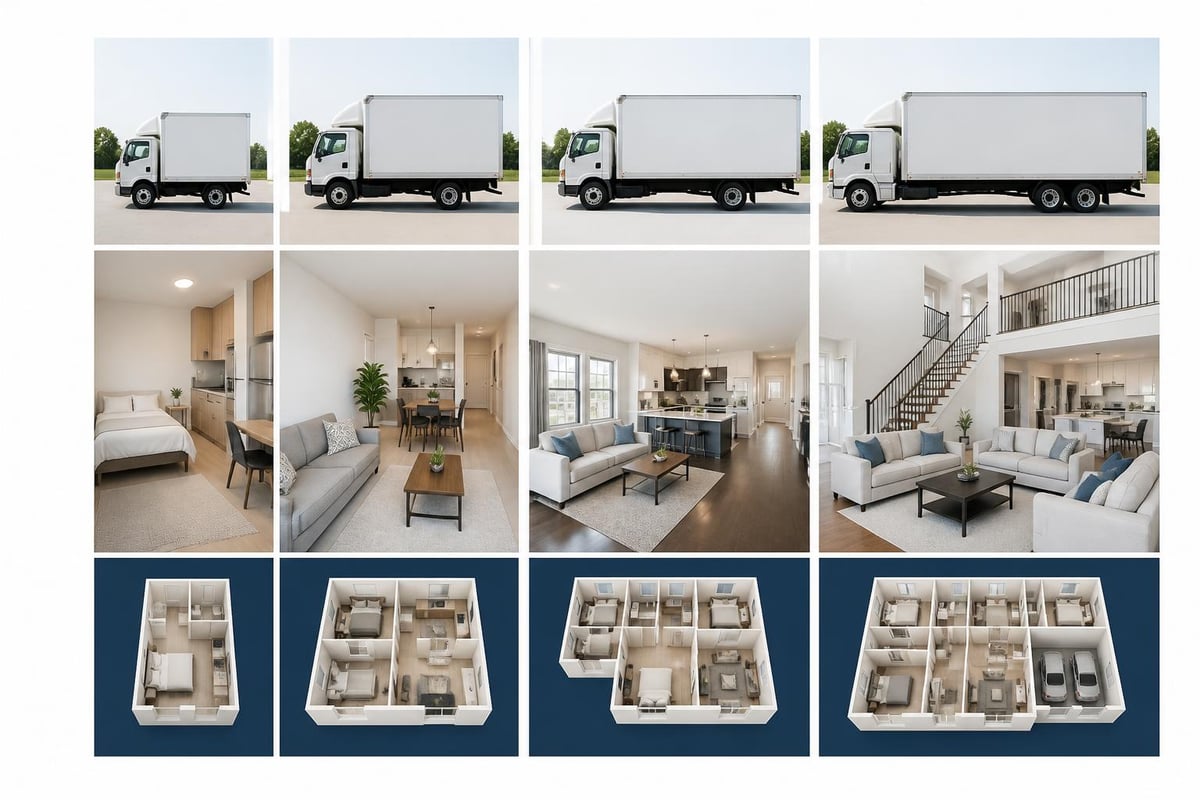
Underestimating your space requirements leads to multiple trips or scrambling to find additional storage. Overestimating wastes money on unnecessary truck capacity.This guide from ConsumerAffairsprovides detailed sizing recommendations based on your home inventory.
Creating an Accurate Inventory
Before selecting your truck size, conduct a thorough inventory of everything you plan to move. Walk through each room and list all furniture, appliances, and boxes you'll pack.
- Start in the largest rooms first
- Measure oversized items like couches and refrigerators
- Estimate the number of boxes you'll need
- Account for items in storage areas and garages
- Add 10-15% buffer space for unexpected items
Most rental companies offer online calculators where you input your inventory to receive size recommendations. When in doubt, size up to avoid running out of space on moving day.
Moving Truck Hire Costs in 2026
Understanding the full cost structure prevents budget surprises. Moving truck hire involves several components beyond the base rental rate.
Base rental costs vary by:
- Truck size
- Rental duration
- Distance traveled
- Pickup and drop-off locations
- Seasonal demand
For local moves in 2026, expect to pay between $30-$150 for a day rental plus mileage charges of $0.79-$1.29 per mile. One-way long-distance rentals typically range from $800-$3,000 depending on distance and truck size.
Hidden Fees to Watch For
Moving truck hire companies assess various additional charges that significantly impact your total cost.Move.org's money-saving guidehighlights common fees to anticipate:
- Environmental or disposal fees: $10-$25
- Equipment rental: Dollies ($10-$15), furniture pads ($15-$20), straps ($5-$10)
- Insurance coverage: $15-$40 per day
- After-hours return fees: $25-$50
- Cleaning fees: $50-$100 if returned dirty
- Late return penalties: $30-$50 per hour
Fuel policies also affect costs. Most companies require you to return the truck with the same fuel level as pickup. Failing to do so results in refueling charges plus service fees, often totaling $50-$100 more than filling up yourself.
Insurance and Protection Options
Insurance represents one of the most confusing aspects of moving truck hire. Rental companies offer multiple coverage levels, but understanding what you actually need requires careful consideration.
| Coverage Type | Cost Range | What It Covers |
|---|---|---|
| Damage Waiver | $15-$35/day | Truck damage, reduces your liability |
| Cargo Protection | $10-$20/day | Your belongings during transport |
| Supplemental Liability | $10-$15/day | Damage to other vehicles/property |
Your personal auto insurance may extend to rental trucks, but many policies exclude vehicles over certain sizes or weights. Contact your insurance provider before your move to verify coverage.Extra Space Storage outlines essential requirementsincluding insurance considerations when renting.
When to Purchase Additional Coverage
Declining rental insurance saves money upfront but exposes you to significant financial risk. A simple fender-bender with a 26-foot truck can result in thousands in damages.
Purchase the damage waiver if your personal auto insurance doesn't cover rental trucks over 10,000 pounds. Consider cargo protection if you're moving valuable items without homeowner's or renter's insurance. For those moving specialty items like pianos or antiques, professional services likeUS Prime Movers' piano movingoften provide better protection than DIY options.
Rental Requirements and Documentation
Moving truck hire requires specific documentation and qualifications. Requirements vary by company but generally include similar basic criteria.
Standard rental requirements:
- Valid driver's license (held for at least one year)
- Minimum age of 18-25 years (varies by company and location)
- Major credit card or debit card with sufficient holds
- Proof of current address
- Additional identification (utility bill, phone bill)

Some companies conduct driving record checks and may refuse rental to drivers with recent violations or accidents. International renters may need additional documentation, including passport and international driver's permits.
Reservation Best Practices
Book your moving truck hire at least two to four weeks in advance, especially during peak moving season from May through September. Last-minute rentals often result in limited truck availability or higher rates.
When making your reservation, confirm these details in writing:
- Exact pickup and drop-off times and locations
- Total cost breakdown including all fees
- Insurance options and requirements
- Fuel policy and tank level at pickup
- Mileage allowance and overage charges
- Cancellation policy and fees
Moving.com's first-time renter tipsemphasize the importance of reviewing rental agreements thoroughly before signing.
Loading Your Rental Truck Efficiently
Proper loading techniques maximize space utilization and protect your belongings during transport. Poor loading causes damage, shifting cargo, and potentially dangerous driving conditions.
Step-by-Step Loading Process
Following a systematic loading approach saves time and reduces damage risk:
- Load heaviest items first: Place appliances and heavy furniture against the front wall near the cab
- Create a stable base: Position items flat and distribute weight evenly side-to-side
- Fill gaps strategically: Use boxes and smaller items to fill spaces and prevent shifting
- Stack vertically: Build upward from your stable base, placing lighter items on top
- Secure everything: Use tie-down straps every few feet to prevent movement
The Home Depot's packing guideoffers visual diagrams showing optimal furniture placement patterns. Mattresses and box springs stand vertically along walls to save floor space.
For those unfamiliar with proper loading techniques or lacking physical capability, professionalpacking serviceshandle both packing and loading, ensuring items arrive safely without personal physical strain.
Protecting Your Belongings
Even with careful loading, items can shift during transport. Invest in proper moving supplies to minimize damage risk.
Essential protection materials:
- Furniture blankets or moving pads (8-12 for a typical move)
- Ratchet straps or rope (minimum 4-6 straps)
- Plastic wrap for upholstered furniture
- Cardboard corner protectors for tables and dressers
- Non-slip shelf liner for the truck floor
Wrap all furniture in blankets and secure with tape or plastic wrap. Never stack boxes above your line of sight, as this creates driving hazards and increases damage likelihood.
Driving and Safety Considerations
Operating a moving truck requires different skills than driving a standard vehicle. Most rental trucks measure 10-26 feet long, stand 10-12 feet tall, and weigh several thousand pounds when loaded.
Key driving challenges include:
- Limited rear visibility requiring mirror dependence
- Wider turning radius necessitating swing-out turns
- Greater braking distance due to weight
- Height clearance issues with low bridges and drive-throughs
- Reduced acceleration and hill-climbing capability
Moving.com's loading truck rental tipsstress the connection between proper loading and safe driving. Unbalanced loads create dangerous handling characteristics.
Pre-Drive Inspection Checklist
Before leaving the rental facility, conduct a thorough vehicle inspection. Document existing damage with photos or video to avoid disputes when returning the truck.
Check these components:
- All exterior damage (dents, scratches, broken lights)
- Tire condition and pressure
- Fluid levels (oil, coolant, windshield washer)
- Mirror adjustment and visibility
- Light function (headlights, brake lights, turn signals)
- Fuel level and documentation
- Cleanliness of cargo area
Test the brakes in the parking lot before entering traffic. Familiarize yourself with the truck's size by practicing turns and backing up in an empty area.
One-Way vs. Round-Trip Rentals
Moving truck hire offers two primary rental structures, each suited to different moving scenarios.
Round-trip rentalsrequire returning the truck to the original pickup location. These work best for local moves where you can complete loading, transport, and unloading within the rental period.
One-way rentalsallow pickup at one location and drop-off at another, ideal for long-distance moves. However, one-way rentals typically cost significantly more due to repositioning fees.
| Rental Type | Best For | Cost Structure | Flexibility |
|---|---|---|---|
| Round-trip | Local moves under 100 miles | Lower daily rates | Must return to origin |
| One-way | State-to-state relocations | Higher base cost, unlimited mileage | Drop off at destination |
For those planning cross-country relocations, comparing DIY truck rental against professionallong-distance moving servicesreveals that professional movers often provide better value when factoring in time, effort, and risk.
Calculating True One-Way Costs
One-way moving truck hire involves more than the quoted rental rate. Factor in these additional expenses for accurate budget planning:
- Fuel costs: $200-$800+ depending on distance and fuel economy
- Lodging: $100-$200 per night if multi-day drive
- Meals: $40-$80 per day on the road
- Tolls: $50-$200 for cross-country routes
- Return transportation: Airfare or rental car to get back home
- Time away from work: Lost wages if unpaid leave
A seemingly affordable $1,200 truck rental can easily balloon to $2,500-$3,500 when accounting for all associated costs.
Return Procedures and Final Inspections
Properly completing your moving truck hire ensures you receive your full deposit refund and avoid unexpected charges.
Most rental companies require return during business hours for final inspection. Plan your arrival with 30-60 minutes of buffer time before closing.
Pre-Return Preparation
Complete these tasks before returning your truck:
- Refuel to the documented starting level: Fill up within 10 miles of the return location
- Clean the cargo area: Remove debris, boxes, and packing materials
- Document the truck condition: Take photos of all sides, highlighting any new damage
- Gather all rental equipment: Return dollies, pads, and straps
- Save your fuel receipt: Proof of refueling if questions arise
Movers Corp's rental checklistemphasizes the importance of thorough documentation throughout the rental period.
If you notice new damage before returning the truck, report it immediately to the rental company. Attempting to hide damage typically results in larger penalties than honest disclosure.
Alternatives to DIY Moving Truck Hire
While moving truck hire offers cost savings for certain moves, it's not the optimal solution for everyone. Understanding alternatives helps you make informed decisions.
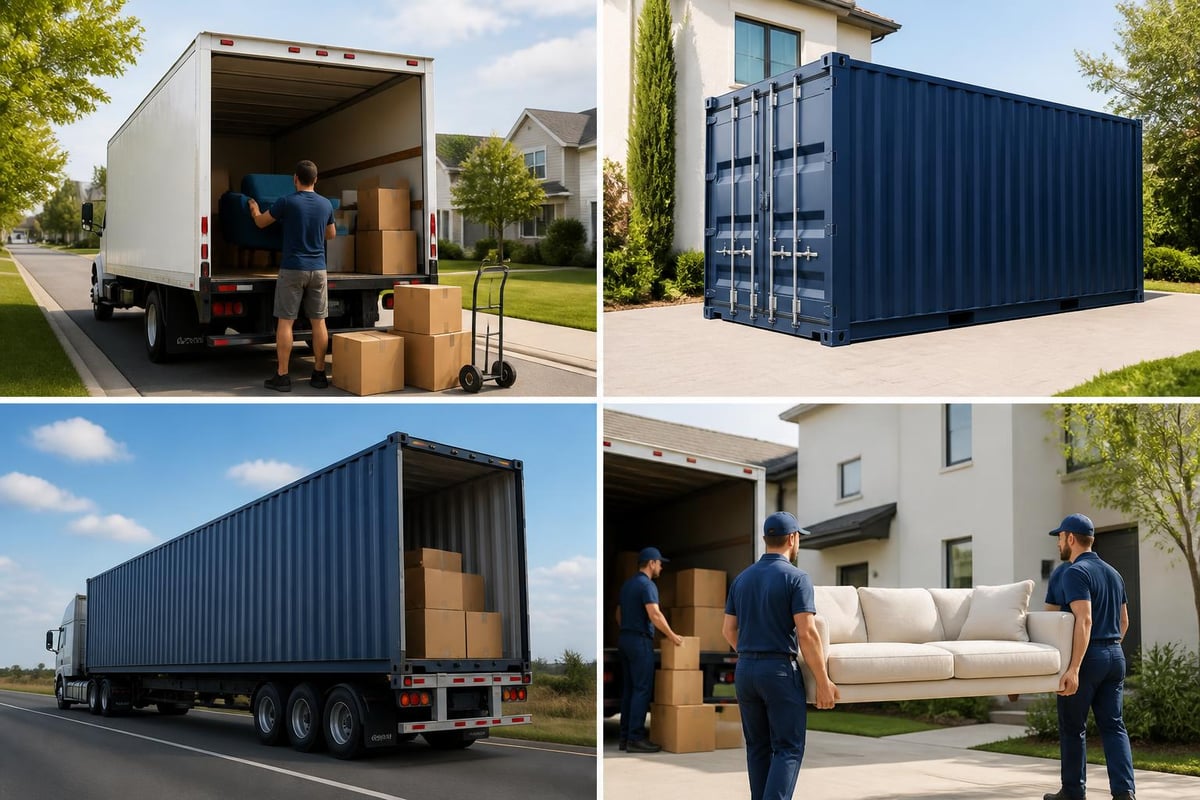
Portable moving containerslike PODS provide a middle ground between full DIY and professional services. You load at your pace, and the company transports the container. However, these often cost more than truck rental but less than full-service movers.
Freight trailersoffer another compromise option. You load a trailer at a terminal, and the company handles long-distance transport.
Full-service professional movershandle everything from packing to transport to unloading. Forstate-to-state moves, professional movers eliminate stress, physical strain, and time investment. The convenience often justifies the higher cost, particularly for families, those with demanding jobs, or anyone lacking strong helpers.
When Professional Movers Make More Sense
Certain situations make professional moving services the superior choice regardless of cost:
- Large homes (3+ bedrooms) with substantial furniture
- Specialty items requiring expert handling (pianos, antiques, artwork)
- Long distances exceeding 500 miles
- Tight timelines with work or family commitments
- Physical limitations preventing heavy lifting
- Valuable belongings where damage risk outweighs savings
For those comparing options, requestingquotes from professional moversalongside moving truck hire estimates provides clarity on actual cost differences.
Common Moving Truck Hire Mistakes
Learning from others' errors helps you avoid costly mistakes during your rental experience.
Frequent rental mistakes include:
- Booking the wrong truck size and making multiple trips
- Forgetting to measure doorways and narrow streets
- Underestimating driving time and fuel consumption
- Skipping insurance and suffering damage losses
- Failing to secure load properly, resulting in damage
- Returning late and incurring hourly penalty fees
- Not inspecting the truck thoroughly before leaving the lot
Moving.com's comprehensive rental guidecovers planning strategies to avoid these common pitfalls.
Budget Planning Errors
Many first-time renters focus solely on the advertised truck rental rate while overlooking total move costs. Create a comprehensive budget including:
- Truck rental and mileage charges
- Fuel (estimate 6-10 MPG for larger trucks)
- Moving supplies (boxes, tape, padding)
- Equipment rental (dollies, furniture pads)
- Insurance coverage
- Food and lodging for long-distance moves
- Helper costs if hiring loading assistance
Building a 15-20% contingency buffer protects against unexpected expenses. Understanding the full picture helps you determine whether moving truck hire truly saves money compared to professional services.
Regional Considerations Across the United States
Moving truck hire availability, costs, and regulations vary significantly across different states and regions. Understanding these geographic factors aids planning.
Peak moving season in states likeCalifornia,Florida, andTexascreates high demand and limited truck availability from May through September. Booking well in advance becomes essential in these high-traffic states.
Regional cost variations include:
- Higher rates in major metropolitan areas (New York, Los Angeles, San Francisco)
- Premium pricing for moves out of popular destinations during peak season
- Lower costs in less populated regions and during off-peak winter months
- State-specific taxes and environmental fees
One-way rentals from smaller cities to major urban centers often cost less than the reverse direction due to truck supply and demand dynamics.
State-Specific Regulations
Some states impose additional requirements on moving truck operators.New York moversmust navigate strict parking regulations and narrow streets. California enforces stringent emissions standards for rental trucks.
Research your destination state's requirements before finalizing your moving truck hire.Moving.com's rental adviceincludes state-by-state considerations for long-distance moves.
Seasonal Timing and Availability
When you schedule your moving truck hire significantly impacts cost, availability, and overall experience.
Peak moving season(May-September) characteristics:
- Limited truck availability requiring early booking
- Premium pricing with fewer discounts
- Higher demand for equipment rentals
- Crowded rental facilities and longer wait times
Off-peak season(October-April) advantages:
- Better truck availability and pricing
- Easier reservations with shorter lead times
- More negotiating leverage for discounts
- Less competition for one-way rentals
Mid-month rentals typically offer better availability and pricing than month-end dates when most leases expire. Weekend rates often exceed weekday pricing due to higher demand.
For maximum savings, plan your move for a Tuesday, Wednesday, or Thursday during late fall or winter months. Flexibility with your moving date can save 20-40% on rental costs.
Making Your Final Decision
Choosing between moving truck hire and professional moving services requires honest assessment of your situation, capabilities, and priorities.
Moving truck hire makes sense when:
- Your budget is extremely tight with little flexibility
- You have multiple strong helpers willing to assist
- The move involves minimal distance (under 200 miles)
- You possess experience driving large vehicles
- Time flexibility allows for potential delays
- Your belongings primarily consist of standard furniture
Professional movers are preferable when:
- The move covers long distances across multiple states
- You lack physical capability for heavy lifting
- Time constraints make DIY impractical
- Your household includes valuable or fragile items
- You need comprehensive insurance protection
- The stress reduction justifies additional cost
For those seeking guidance on choosing between options, exploring resources aboutcross-country moving companiesprovides valuable comparison information.
Moving truck hire offers significant cost savings for certain relocations, but understanding the full scope of requirements, costs, and physical demands ensures realistic expectations. Whether you choose DIY rental or professional services depends on your specific circumstances, budget, and comfort level with the process. If you're planning a long-distance or interstate move and want to explore professional alternatives that handle the heavy lifting while you focus on settling into your new home,US Prime Moversprovides transparent pricing, comprehensive services, and experienced professionals across all 50 states to make your relocation smooth and stress-free.