
Relocating across state lines involves far more complexity than a local move down the street. Moving services long distance require careful planning, significant coordination, and professional expertise to ensure your belongings arrive safely at your new home hundreds or thousands of miles away. Whether you're moving from New York to California or Texas to Washington, understanding what to expect from professional movers can reduce stress and help you make informed decisions throughout the process.
Understanding Long Distance Moving Services
Moving services long distance differ fundamentally from local relocations in both logistics and pricing structure. While local movers typically charge by the hour, long-distance companies base their estimates on the weight of your shipment, the distance traveled, and additional services you require.
Professional long-distance movers provide comprehensive servicesthat go beyond simple transportation. Most reputable companies offer packing assistance, loading and unloading, furniture disassembly and reassembly, and specialty item handling. Some also provide storage solutions if your new home isn't ready when your belongings arrive.
The Federal Motor Carrier Safety Administration (FMCSA) regulates interstate moving companies, requiring them to maintain proper licensing and insurance. This federal oversight provides important consumer protections that don't apply to local movers operating within a single state.
Licensed and Insured Protection
When selecting moving services long distance, verification of proper licensing should be your first priority. Interstate movers must possess a USDOT number issued by the FMCSA, which you can verify through the agency's online database.
Insurance coverage comes in two forms:basic released value protectionandfull value protection. Released value protection costs nothing extra but only covers 60 cents per pound per item. Full value protection costs more but provides comprehensive coverage based on the actual value of your belongings.
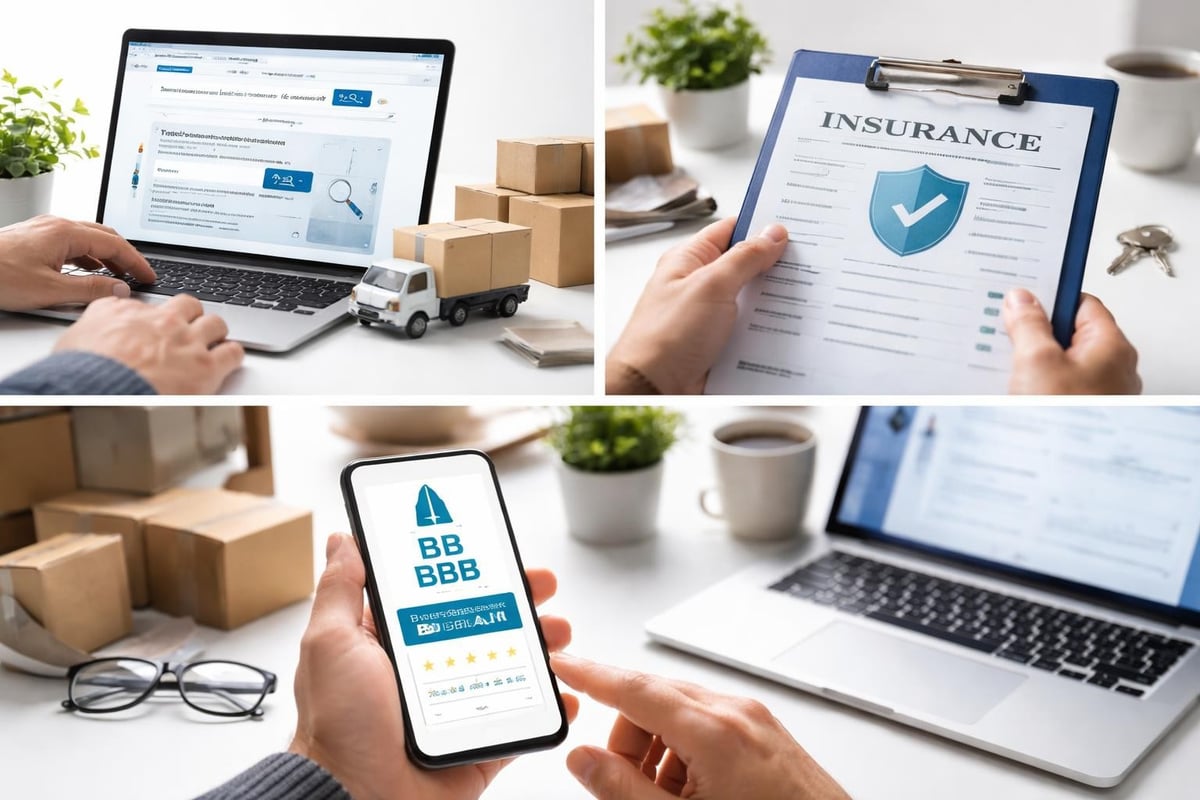
Planning Timeline for Cross-Country Moves
Successful long-distance relocations require more advance planning than local moves. Most moving experts recommend beginning your preparation at least eight weeks before your intended move date, though twelve weeks provides even more flexibility for securing your preferred moving company and dates.
Eight Weeks Before Moving Day
- Research and compare at least three moving companies
- Request in-home estimates for accurate pricing
- Declutter your home and decide what not to move
- Create a detailed inventory of your belongings
- Begin gathering important documents and records
In-home estimates provide far more accuracy than phone or online quotes. Professional estimators walk through your home, assess the volume of items, identify potential challenges like narrow staircases or heavy furniture, and provide binding or binding-not-to-exceed estimates.
Six Weeks Before Your Move
At this stage, you should finalize your moving company selection and book your reservation. Peak moving season runs from May through September, when demand drives up prices and availability becomes limited.Planning your long-distance move during off-peak monthscan save significant money.
- Confirm your moving date and get written confirmation
- Purchase additional insurance if needed
- Arrange specialty services for pianos, antiques, or other valuable items
- Begin packing non-essential items
- Notify utility companies at both locations
| Timeline | Action Items | Priority Level |
|---|---|---|
| 8 weeks | Research movers, get estimates | Critical |
| 6 weeks | Book company, start packing | Critical |
| 4 weeks | Change address, transfer records | High |
| 2 weeks | Confirm details, pack essentials | High |
| 1 week | Final walkthrough, prepare payment | Critical |
Cost Factors in Long Distance Relocations
Moving services long distance typically cost between $2,000 and $8,000 for an average household, though prices vary significantly based on multiple factors. Understanding these cost drivers helps you budget appropriately and avoid surprise expenses.
Distance and weightform the foundation of long-distance moving costs. A 1,200-mile move for a two-bedroom apartment weighing 5,000 pounds might cost $3,500 to $4,500, while a four-bedroom house weighing 12,000 pounds traveling 2,500 miles could exceed $10,000.
Additional Service Costs
Professionalpacking servicesadd $500 to $2,500 depending on home size and the amount of fragile items requiring special care. Full-service packing includes all materials, labor, and proper wrapping techniques that protect your belongings during transport.
Storage fees apply when your delivery window doesn't align with your new home's availability. Most moving companies charge $75 to $150 per month for storage in their warehouse facilities, though rates vary by location and duration.
Specialty items like pianos, pool tables, or large safes incur additional charges due to the equipment and expertise required. Piano moving alone can add $200 to $1,000 depending on the instrument type and access challenges at both locations.

Choosing the Right Moving Company
The moving industry includes both reputable professionals and unscrupulous operators looking to exploit stressed homeowners.Selecting a trustworthy long-distance moving companyrequires careful research and due diligence.
Red Flags to Avoid
Never work with a companythat demands large deposits before moving day, refuses to provide a written estimate, or lacks proper licensing and insurance. Legitimate movers typically require payment upon delivery, not weeks in advance.
Companies without physical addresses, those using rental trucks instead of branded vehicles, or movers who provide estimates without seeing your belongings should raise immediate concerns. These practices often indicate brokers who subcontract your move to unknown third parties.
Check reviews on multiple platforms including the Better Business Bureau, Google, and specialized moving review sites. A pattern of complaints about damaged items, late deliveries, or unexpected price increases suggests you should look elsewhere.
What Quality Movers Provide
Professional moving services long distance include transparent pricing with detailed written estimates, clear communication throughout the process, and experienced crews trained in proper handling techniques. Quality companies conduct thorough inventories, use appropriate packing materials, and maintain modern, well-maintained trucks.
- Binding or binding-not-to-exceed estimates in writing
- Clear explanation of insurance options and coverage
- Professional uniformed crews with company identification
- Modern equipment including dollies, straps, and padding
- Regular communication about pickup and delivery windows
Packing Strategies for Long Distance Moves
Items traveling hundreds of miles face more stress than those moving across town. Proper packing techniques protect your belongings from the inevitable bumps and vibrations of cross-country transport.
Start packing non-essential itemseight weeks before your move date. Seasonal decorations, books, and seldom-used kitchen items can be packed early without disrupting your daily life. Leave everyday essentials until the final week before departure.
Room-by-Room Packing Approach
- Kitchen: Wrap dishes individually, use cell dividers for glassware, and pack heavy items in small boxes
- Bedrooms: Vacuum-seal soft items to save space, keep hanging clothes on hangers in wardrobe boxes
- Living areas: Wrap electronics in original boxes when possible, photograph cable connections before disconnecting
- Garage: Drain all fluids from lawn equipment, dispose of hazardous materials properly
Professional packing serviceseliminate the time-consuming work of wrapping and boxing your entire household. Trained packers work efficiently, use high-quality materials, and understand how to protect fragile items for long-distance transport.
Label every box clearly with its contents and destination room. Include "FRAGILE" warnings on appropriate boxes and create a master inventory list that tracks what's in each numbered box. This organization simplifies unpacking and helps you locate essential items immediately upon arrival.
Moving Day Logistics and Timeline
Understanding what happens on moving day reduces anxiety and helps you prepare appropriately. Most long-distance moves involve two separate days: loading day at your current home and delivery day at your new location, separated by several days to weeks depending on distance.
Loading Day Expectations
Professional crews typically arrive between 8 AM and 10 AM on your scheduled loading date. The team leader conducts a walkthrough, confirming all items to be moved and noting any pre-existing damage to furniture.
Loading a typical three-bedroom hometakes four to eight hours depending on the amount of belongings, access challenges like stairs or long carries, and whether the company is also handling packing. The crew carefully loads the truck in layers, placing heavy items on the bottom and securing everything with straps and padding.
Before the truck departs, you'll sign an inventory document listing all items loaded and their condition. This becomes your primary reference if you need to file damage claims later. The moving company provides a bill of lading outlining delivery terms, payment requirements, and your rights under federal regulations.
Transit and Delivery
Moving services long distance typically provide delivery windows rather than exact dates. A move from New York to California might have a 7-10 day delivery window, while shorter distances like Texas to Florida could arrive within 3-5 days.
Most movers offer tracking services that let you monitor your shipment's progress. The company contacts you 24-48 hours before delivery to schedule a specific arrival time and confirm your availability to receive the shipment.

Specialty Items Requiring Extra Care
Certain belongings demand specialized handling that standard moving services long distance may not include in basic packages. Identifying these items early helps you arrange appropriate services and avoid damage to valuable or irreplaceable possessions.
Pianos represent one of the most challengingitems in long-distance moves. These instruments combine significant weight with extreme fragility, requiring professional equipment and expertise.Piano moving specialistsuse custom skid boards, heavy-duty straps, and climate-controlled trucks to protect your instrument during cross-country transport.
Antiques, fine art, and family heirlooms need custom crating rather than standard cardboard boxes. Professional movers build wooden crates sized precisely for each item, adding cushioning and protection that prevents damage during the long journey.
Electronics and Appliances
Flat-screen televisions require original packaging or specialized TV boxes with foam corners. Computers and gaming systems should be backed up before the move, with hard drives ideally transported separately in your personal vehicle.
Refrigerators and washing machines need preparation before transport. Disconnect and drain water lines at least 24 hours before moving day, allowing residual water to evaporate. Secure all moving parts inside appliances to prevent damage during transit.
Storage Options During Relocation
Many long-distance moves involve timing mismatches between when you must leave your current home and when your new residence becomes available.Moving and storage servicesprovide flexible solutions for these common situations.
Warehouse storagekeeps your belongings in the moving company's secure facility until you're ready for delivery. Most movers offer the first 30 days free or at reduced rates, then charge monthly storage fees for extended periods.
| Storage Option | Best For | Typical Cost | Access Level |
|---|---|---|---|
| Warehouse storage | Short gaps (1-3 months) | $75-150/month | Limited/scheduled |
| Container storage | Medium gaps (3-6 months) | $100-200/month | Good/flexible |
| Self-storage | Long gaps (6+ months) | $50-150/month | Excellent/unlimited |
Container storage offers middle-ground flexibility. Your belongings remain in a dedicated container that can be stored at the facility or delivered to a location of your choice. This option works well when you have temporary housing but want access to select items before final delivery.
Insurance and Liability Coverage
Understanding moving insurance prevents costly surprises if damage occurs during your relocation. Federal regulations require interstate movers to offer two basic protection levels, but neither may provide adequate coverage for valuable items.
Basic released value protectioncomes included with every move at no extra charge. This coverage pays just 60 cents per pound for damaged items regardless of actual value. A 50-pound television worth $1,000 would receive only $30 compensation under this minimal protection.
Full Value Protection
Full value protection costs approximately 1% of your shipment's declared value but provides comprehensive coverage. If the mover damages an item, they must either repair it, replace it with something of like kind and quality, or provide cash settlement for its current market value.
Most homeowners and renters insurance policies exclude items in professional movers' custody. However, some insurers offer supplemental moving coverage as a policy rider. Review your existing coverage and consider third-party moving insurance from specialized providers for high-value shipments.
Document your belongings' condition before the move with photographs or video. This evidence becomes crucial if you need to file damage claims after delivery. Note any pre-existing damage on the moving company's inventory sheets to avoid disputes later.
Military and Specialized Relocations
Military families face unique challengesduring PCS (Permanent Change of Station) moves. These relocations often involve short notice, specific weight allowances, and coordination with military transportation offices.
Professional movers experiencedwith military relocations understand DITY (Do-It-Yourself) move requirements, weight ticket procedures, and reimbursement documentation. They can coordinate with your transportation office to ensure compliance with all military moving regulations.
Service members choosing personally procured moves (PPM) can often save money by selecting their own movers rather than using assigned transportation providers. The military reimburses based on what the government would have paid, and efficient planning can result in profit from the relocation allowance.
Interstate Regulations and Consumer Rights
Federal law provides important protections for anyone using moving services long distance across state lines.Understanding your rightshelps you recognize when movers violate regulations and how to address problems.
The FMCSA requires interstate movers to provide a copy of "Your Rights and Responsibilities When You Move" booklet. This document explains estimate types, liability options, claim procedures, and dispute resolution processes. Movers who fail to provide this information violate federal regulations.
Estimate Types and Protections
Binding estimatesguarantee the total cost won't exceed the quoted price, even if your shipment weighs more than estimated. Non-binding estimates represent the mover's best guess but can increase if actual weight exceeds projections.
Binding-not-to-exceed estimates protect consumers from overcharges while allowing lower fees if the shipment weighs less than estimated. This hybrid approach offers the best protection for customers concerned about unexpected costs.
Movers cannot demand payment exceeding 110% of a non-binding estimate at delivery. If the actual cost runs higher, you have 30 days to pay the difference after receiving a final invoice. This regulation prevents movers from holding your belongings hostage for unexpected charges.
Managing Moving Day Stress
Even well-planned relocations create stress for families adjusting to major life changes.Implementing stress-reduction strategieshelps you stay calm and focused throughout the moving process.
Prepare an essentials boxcontaining items you'll need immediately upon arrival: toiletries, medications, phone chargers, important documents, and a change of clothes for each family member. Keep this box in your personal vehicle rather than loading it on the moving truck.
Arrange childcare and pet care for moving day. Professional crews work more efficiently without children or animals underfoot, and your family members stay safer away from heavy lifting and truck traffic.
First Week in Your New Home
- Verify all items arrived and check for damage before signing delivery paperwork
- Test all appliances and electronics to ensure they survived the move
- Unpack essential rooms first (bedroom, bathroom, kitchen)
- Update your address with banks, subscriptions, and government agencies
- Locate emergency services, grocery stores, and pharmacies in your new area
Setting up your new home systematicallyprevents overwhelming chaos. Focus on one room at a time rather than partially unpacking everywhere simultaneously. This approach creates functional spaces you can use while gradually completing the full move-in process.
Cost-Saving Strategies for Long Distance Moves
Moving services long distance represent significant expenses, but strategic planning reduces costs without sacrificing quality or risking your belongings' safety.Smart budgeting approachescan save hundreds or thousands of dollars.
Moving during off-peak timesprovides substantial savings. Scheduling your relocation between October and April, avoiding month-end dates, and choosing midweek moving days all reduce demand and unlock lower rates from professional movers.
Reducing your shipment's weight directly decreases costs. Sell, donate, or discard items you don't truly need rather than paying to move them across the country. Heavy items like old books, outdated furniture, and rarely used kitchen appliances add expense without proportional value.
DIY Options vs. Full Service
Partial DIY approaches balance cost savings with professional expertise. Handle your own packing using free boxes from grocery stores, then hire professionals only for loading, transport, and unloading. This middle path saves money on labor while maintaining protection during the critical transit phase.
Container services like PODS or U-Pack offer alternatives to traditional movers, allowing you to pack at your own pace. However, you're responsible for all loading and unloading labor, which can prove challenging for households without strong helpers.
Compare at least three detailed estimates before making your final decision. Ensure you're comparing similar services, as the lowest price often comes with fewer protections or hidden fees that emerge later.
Preparing Your New Home
Smart preparation at your destination simplifies the delivery and unpacking process. Contact your new home days before arrival to confirm you'll have access when the moving truck arrives.
Measure doorways, hallways, and stairwellsat your new residence to verify large furniture will fit. Professional movers can often disassemble and reassemble pieces, but knowing potential challenges in advance prevents delivery day surprises.
Schedule utility connections for the day before your scheduled delivery. Having electricity, water, and HVAC operational when you arrive makes unpacking more comfortable and allows you to immediately address any issues with appliances.
Clean before the movers arrive if possible. It's far easier to clean empty rooms than working around furniture and boxes. If you can't access the home early, budget time immediately after delivery for basic cleaning before fully unpacking.
Finding Reliable Cross-Country Movers
Researching the best cross-country moving companiesrequires more than comparing prices. Quality movers combine competitive rates with excellent service, proper licensing, and proven reliability across thousands of miles.
Request references from recent customers who completed similar moves. Reputable companies readily provide contact information for satisfied clients who can share their firsthand experiences with the company's service quality.
Verify physical addressesfor the company's main office and any locations near your origin or destination cities. Legitimate movers maintain actual facilities rather than operating from P.O. boxes or virtual offices.
Ask detailed questions about the company's experience with your specific route and home size. Movers who regularly service your origin and destination areas understand regional challenges like seasonal weather, traffic patterns, and local regulations that impact timing and logistics.
Environmental Considerations
Environmentally conscious families can reduce their relocation's environmental impact through thoughtful planning. Reusable plastic moving boxes eliminate cardboard waste while providing superior protection for belongings.
Consolidated shippingreduces carbon emissions by combining multiple customers' shipments on single trucks traveling the same routes. While this approach may extend delivery windows slightly, it significantly reduces the environmental footprint of your move.
Donate unwanted items locally rather than transporting them cross-country only to discard them later. This reduces your shipment's weight, lowers costs, and benefits your current community through charitable contributions.
Planning a successful long-distance relocation requires understanding the services available, realistic budgeting, and selecting qualified professionals who protect your belongings throughout the journey. Moving services long distance should provide peace of mind through transparent pricing, proper licensing, and proven expertise handling cross-country relocations. If you're preparing for an upcoming move across state lines,US Prime Moversoffers fully licensed, family-owned moving services with transparent pricing and specialized expertise in residential relocations nationwide. Contact us today for a free, no-obligation quote and experience the difference professional care makes in your long-distance move.