
When you're planning a long-distance move, understanding moving pods prices becomes essential to creating an accurate budget. Portable storage containers offer flexibility that traditional moving trucks can't match, but the pricing structure can feel complicated if you're not familiar with how these services work. This comprehensive guide breaks down what you'll actually pay in 2026, from container rental fees to delivery charges and storage costs, so you can make informed decisions about whether moving pods fit your relocation budget.
Understanding the Basic Cost Structure
Moving pods prices vary significantly based on several factors, but the core pricing model remains consistent across most providers. You're typically paying for three distinct components: the container rental itself, transportation fees for delivery and pickup, and any storage time you need.
The container rental is your base cost. This covers the actual pod sitting at your location while you load or unload it. Most companies charge this as a monthly rate, though some offer weekly options for shorter moves.
Transportation fees depend on distance. A local move within the same city costs considerably less than moving your container cross-country. According tocomprehensive cost breakdowns from Moving APT, you'll see significant jumps in pricing as your distance increases beyond 100 miles.
Storage charges apply when you need to keep your container at a facility rather than at your home. This becomes relevant during complex relocations when your move-out and move-in dates don't align perfectly.
Monthly Container Rental Rates
Here's what you can expect to pay for container rentals in 2026:
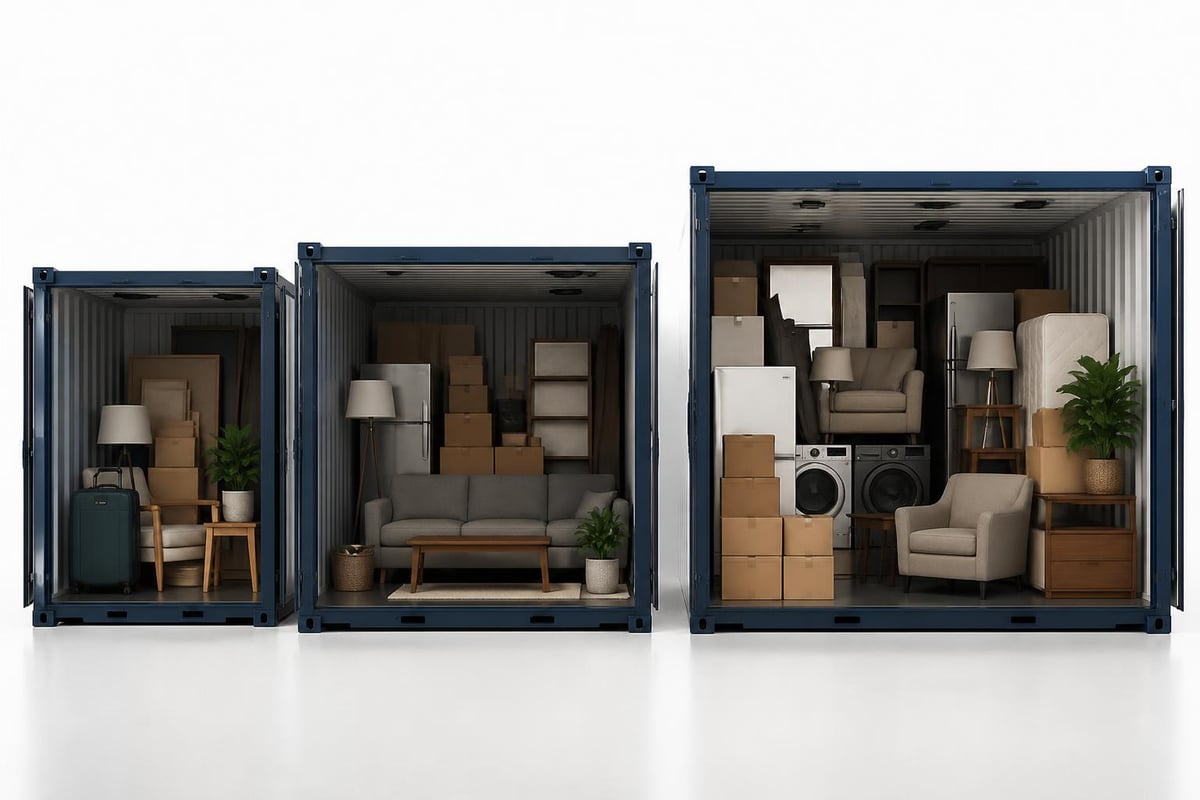
| Container Size | Monthly Rental | Typical Capacity |
|---|---|---|
| 7-foot | $180-$250 | 1-2 rooms |
| 12-foot | $220-$300 | 2-3 rooms |
| 16-foot | $260-$350 | 3-4 rooms |
These rates reflect the rental period while the container sits at your location. Most providers include the first month in their base package, with additional months charged at these rates.
Distance-Based Pricing Breakdowns
The distance component dramatically impacts your total moving pods prices. Short local moves stay relatively affordable, while cross-country relocations require substantial budgets.
Forlocal moves(under 50 miles), expect to pay between $300 and $600 total. This includes delivery, one month of use, and pickup. You're essentially paying for the convenience of loading at your own pace without the pressure of a same-day truck rental.
Regional moves(50-500 miles) range from $800 to $2,500 depending on exact distance and container size. A move from New York to Pennsylvania costs significantly less than transporting the same container from California to Colorado.
Long-distance moves(over 500 miles) represent the highest expense category. According todetailed state-by-state cost analysis from CostWhale, cross-country relocations typically run between $3,000 and $7,500 for a single 16-foot container.
Real-World Distance Examples
- 100-mile move: $900-$1,400 for a 12-foot container
- 500-mile move: $1,800-$2,800 for a 12-foot container
- 1,000-mile move: $2,500-$4,200 for a 12-foot container
- 2,500-mile move: $4,500-$7,000 for a 16-foot container
These estimates include standard delivery, one month at origin, transportation, and one month at destination. Additional time adds the monthly rental rates mentioned earlier.
Storage Fees and Timeline Considerations
Storage significantly affects your final moving pods prices when you can't coordinate immediate delivery. Perhaps your new home isn't ready yet, or you're downsizing and need time to sort belongings.
Facility storagecosts between $120 and $200 per month per container. Your pod gets transported to a secure warehouse where it sits until you're ready for delivery. This option works well for flexible timelines but adds substantial costs over several months.
On-site storageat your current or new location uses your monthly rental rate. If you can keep the container in your driveway or parking area, you avoid separate storage fees. Check local ordinances first, as some neighborhoods restrict how long pods can remain on residential property.
Military families relocating for PCS orders should note that government moving allowances sometimes cover storage costs. Ourmilitary moving specialistsunderstand these nuances and can help coordinate timing to minimize out-of-pocket storage expenses.
| Storage Type | Monthly Cost | Best For |
|---|---|---|
| Facility storage | $120-$200 | Long gaps between moves |
| On-site at origin | $180-$350 (rental rate) | Flexible packing timeline |
| On-site at destination | $180-$350 (rental rate) | Gradual unpacking |
Factors That Increase Your Costs
Several variables push moving pods prices higher than baseline estimates. Understanding these helps you budget accurately and avoid surprise charges.
Accessibility challengesadd fees when delivery trucks can't easily reach your location. Rural properties, narrow streets, or locations requiring shuttle services incur additional charges ranging from $150 to $500. Providers need clear access to drop containers safely.
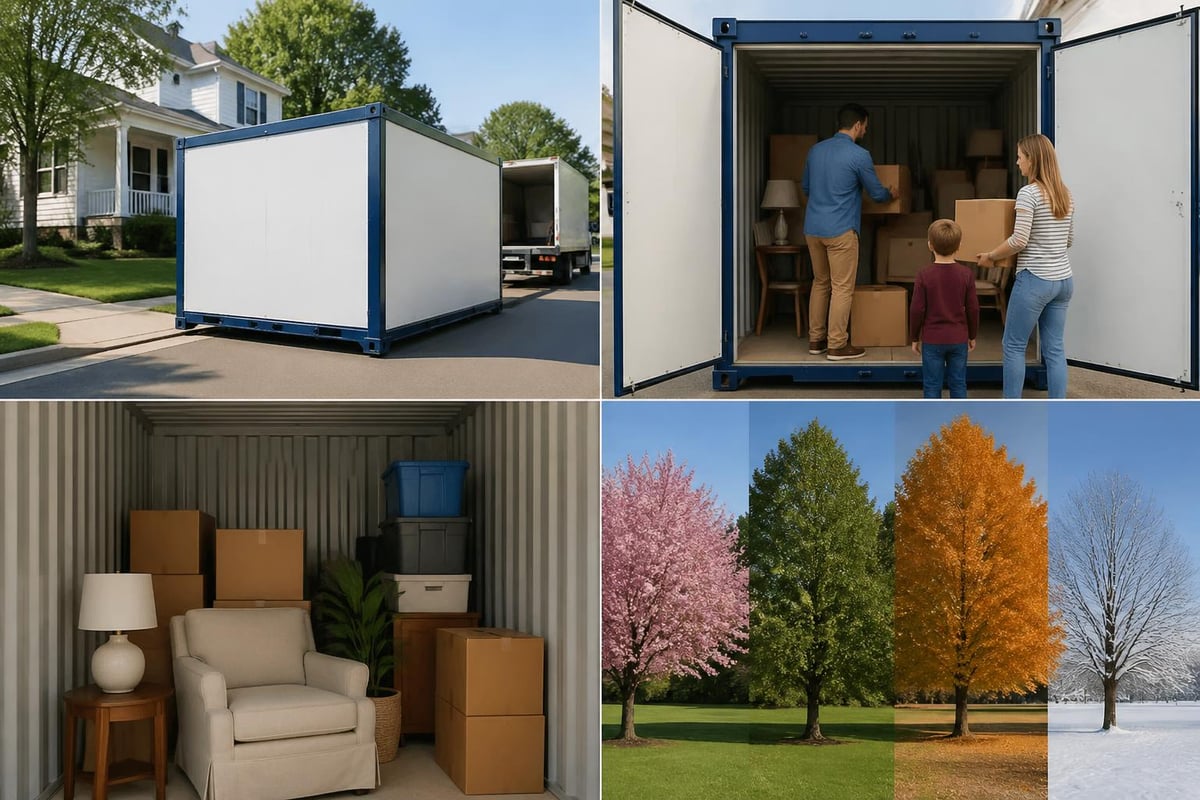
Peak season premiumsapply during summer months when moving demand peaks. May through September typically sees 15-25% higher rates than winter moves. If your timeline allows flexibility, moving during off-peak months (October through April) saves money.
Additional serviceslike packing assistance, loading help, or special handling for fragile items cost extra. While thePODS websiteoutlines their basic pricing, these add-ons can increase your total by $300 to $1,500 depending on scope.
Insurance coveragebeyond basic liability protection adds approximately $25-$75 per month. Standard coverage typically caps at $5,000, which may not suffice for high-value households. Full-value protection costs more but provides peace of mind for expensive furnishings.
Comparing Providers and Getting Accurate Quotes
Not all moving pod companies price identically. The three major national providers each use slightly different rate structures, and regional companies may offer competitive alternatives.
PODS(Portable On Demand Storage) pioneered the industry and maintains premium pricing. Their extensive network ensures availability nationwide, but you'll typically pay 10-20% more than competitors. TheMove.org PODS reviewprovides detailed customer feedback on value versus cost.
SMARTBOXoften undercuts PODS pricing by 15-25% while offering similar service quality. Their smaller container options work well for apartment moves or minimal belongings.
U-Packuses a different model with trailer space rather than individual containers, sometimes offering savings on long-distance moves where you only pay for the linear feet you use.
When requesting quotes, provide specific details to get accurate moving pods prices:
- Exact pickup and delivery addresses (not just cities)
- Move date flexibility or firm deadlines
- Complete inventory of belongings
- Any accessibility concerns at either location
- Storage duration estimates
Many customers find that traditionallong-distance moving servicesactually cost less than pods for larger households, especially when factoring in loading labor and extended storage needs.
Hidden Costs and Fee Structures to Watch
Reading the fine print reveals several potential charges that inflate your initial moving pods prices quote. These aren't necessarily deceptive, but they're easy to overlook during initial research.
Redelivery feesapply if you need the container moved from storage to a different final destination than originally planned. This essentially doubles your delivery charge, adding $200-$800 depending on distance.
Extended loading timebeyond the included period (usually 3-7 days) triggers additional daily rental charges of $15-$30. If you're packing solo or have a complicated household, this adds up quickly.
Weight overagescan surprise customers. While pods theoretically accommodate up to 5,200 pounds (small) or 4,700 pounds (large), certain moves have weight restrictions based on distance or local regulations. Exceeding limits costs $50-$150 per hundred pounds over.
Delivery date changesmade after scheduling often incur $75-$200 fees. Plan your timeline carefully to avoid these unnecessary charges.
Fee Comparison Table
| Fee Type | Typical Charge | How to Avoid |
|---|---|---|
| Redelivery | $200-$800 | Finalize destination before scheduling |
| Extended loading | $15-$30/day | Pack efficiently within timeframe |
| Weight overage | $50-$150/100 lbs | Declutter before packing |
| Date change | $75-$200 | Confirm dates before booking |
| Shuttle service | $150-$500 | Verify truck access in advance |
Budget Planning: Total Cost Examples
Real-world scenarios help illustrate how moving pods prices add up when you factor in all components. These examples reflect 2026 pricing based oncurrent industry cost guides.
Scenario 1: Studio Apartment, 300 miles
- 7-foot container rental: $200
- Transportation: $900
- No storage needed
- Total: $1,100
Scenario 2: Two-bedroom home, 1,200 miles
- 16-foot container rental: $300
- Transportation: $3,500
- Two months facility storage: $400
- Total: $4,200
Scenario 3: Three-bedroom home, 2,000 miles
- Two 16-foot containers: $600
- Transportation: $7,000
- One month on-site loading, one month storage, one month unloading: $900
- Packing supplies: $300
- Total: $8,800
These totals assume standard conditions without accessibility issues or peak-season premiums. Many families discover thatprofessional moving and storage servicesprovide comparable pricing with less personal labor investment, particularly for larger households.
Alternative Options Worth Considering
Before committing to moving pods prices, evaluate whether alternative solutions better serve your specific needs and budget. Pods excel in certain situations but aren't universally optimal.
Full-service moving companieshandle everything from packing to transport to unloading. While upfront costs appear higher, you eliminate the physical labor, rental truck needs for large items, and time commitment. For cross-country moves exceeding 1,000 miles,professional long-distance moversoften cost only 10-30% more than DIY pods when you account for your time and additional expenses.
Rental truckswork well for direct, time-sensitive moves where you can drive straight to your destination. A 26-foot truck from New York to Florida costs approximately $2,000-$3,000 including fuel, significantly less than comparable pod services. However, you're driving a large vehicle across states and handling all loading twice.
Freight trailerslike U-Pack ABF offer middle-ground pricing. You load a section of a trailer, and professional drivers transport it. Costs typically fall 15-25% below moving pods prices for long distances.
Hybrid approachescombine services strategically. Some families use pods for household goods while hiring specialists for challenging items. Ourpiano moving servicehandles delicate instruments professionally while you transport standard furniture yourself.
Getting the Best Value for Your Money
Smart shoppers reduce moving pods prices through strategic planning and savvy negotiating. These practical tips help you maximize value without sacrificing service quality.
Book during off-peak seasonswhen demand drops. January through March sees the lowest rates, with some providers offering 20% discounts compared to June peak pricing. According todetailed cost analysis from iMoving, winter moves save significant money if your timeline permits flexibility.
Minimize storage durationby coordinating move dates tightly. Each additional storage month adds $120-$200, so even two weeks of better planning saves substantial amounts on long timelines.
Compare multiple quotesfrom at least three providers. Pricing varies considerably, and companies sometimes negotiate to win your business. Mention competing quotes during discussions.
Ask about discountsspecifically. Military families, seniors, students, and AAA members often qualify for 5-15% reductions. Prepaying in full rather than financing sometimes unlocks additional savings.
Right-size your containerto avoid paying for unused space. A 16-foot pod for a one-bedroom apartment wastes money. Conversely, cramming too much into a small container creates loading nightmares and potential damage.
Decluttering before your move reduces the container size you need. Selling or donating items you no longer want can easily drop you from a 16-foot to a 12-foot container, saving $500-$1,500 on long-distance moves.
What Moving Pods Prices Don't Include
Understanding what you'll handle separately prevents budget shortfalls. Moving pods prices cover containers and transport, but several essential moving expenses remain your responsibility.
Packing materialsaren't included unless specifically added to your quote. Boxes, tape, bubble wrap, and padding for a typical three-bedroom home cost $200-$400 when purchased retail. Some movers provide these as part of comprehensive packages.
Loading and unloading laborfalls entirely on you unless you hire help separately. Professional loading crews charge $300-$800 depending on household size and complexity. This represents significant physical work that surprises unprepared customers.
Temporary housingduring transition periods when you can't immediately access your new home adds costs unrelated to pods themselves but critical for complete budgeting. Hotel stays, short-term rentals, or storage unit fees for items that won't fit your container require separate planning.
Utility setup feesat your new location, travel expenses to your destination, and vehicle shipping if you can't drive all cars yourself represent additional relocation costs beyond container pricing.
Insurance for valuable itemsmay require separate coverage beyond basic moving pod insurance. Fine art, jewelry, collections, or electronics worth significant amounts need specific policies that your homeowner's or renter's insurance may not adequately cover during transit.
Timeline and Payment Schedule Expectations
Moving pods prices get paid in stages rather than single lump sums, which helps cash flow but requires understanding the payment schedule to avoid service interruptions.
Deposit at bookingtypically runs 10-25% of the estimated total. This reserves your container and delivery dates. Deposits are usually refundable if you cancel within specified timeframes (often 48-72 hours before delivery).
Delivery paymentcovers the container drop-off and first month's rental. Expect to pay 40-50% of your total cost at this stage. Most companies require this before leaving the container.
Monthly storage billingoccurs automatically if you're using facility storage. Set up payment methods to avoid late fees that add $25-$50 monthly.
Final transportation paymenthappens before your container ships to the destination. The remaining balance (typically 30-40% of total costs) comes due at this point.
Pickup paymentfor any final rental days or additional charges occurs when they collect the empty container from your new location.
Understanding this schedule helps you budget cash flow appropriately. Some providers offer financing, though interest charges of 12-18% APR make this an expensive option if you can avoid it through savings.
Questions to Ask Before Committing
Before signing contracts, clarifying specific details ensures the moving pods prices you're quoted accurately reflect what you'll actually pay. These questions prevent costly surprises.
What's included in the base transportation fee?Verify whether fuel surcharges, tolls, or equipment fees appear as separate line items.
Reputable providers answer these questions transparently. Hesitation or vague responses suggest potential problems worth investigating before commitment.
Understanding moving pods prices in complete detail helps you budget accurately and avoid the stress of unexpected costs during your relocation. While portable storage containers offer genuine flexibility advantages, they aren't always the most cost-effective solution for every move, particularly for larger households or very long distances. Whether you choose pods or prefer the efficiency of professional movers,US Prime Moversprovides transparent pricing and comprehensive service for your long-distance relocation. Request your free quote today to compare options and find the best solution for your specific moving needs.