
Relocating to another country represents one of life's most transformative decisions. Whether pursuing career opportunities, reuniting with family, or seeking new adventures, moving overseas requires meticulous planning and execution. The complexity of international relocation extends far beyond traditional domestic moves, involving immigration requirements, international shipping logistics, financial considerations, and cultural adaptation. Understanding these challenges before beginning your journey helps ensure a successful transition to your new home abroad.
Preparing Your International Relocation Timeline
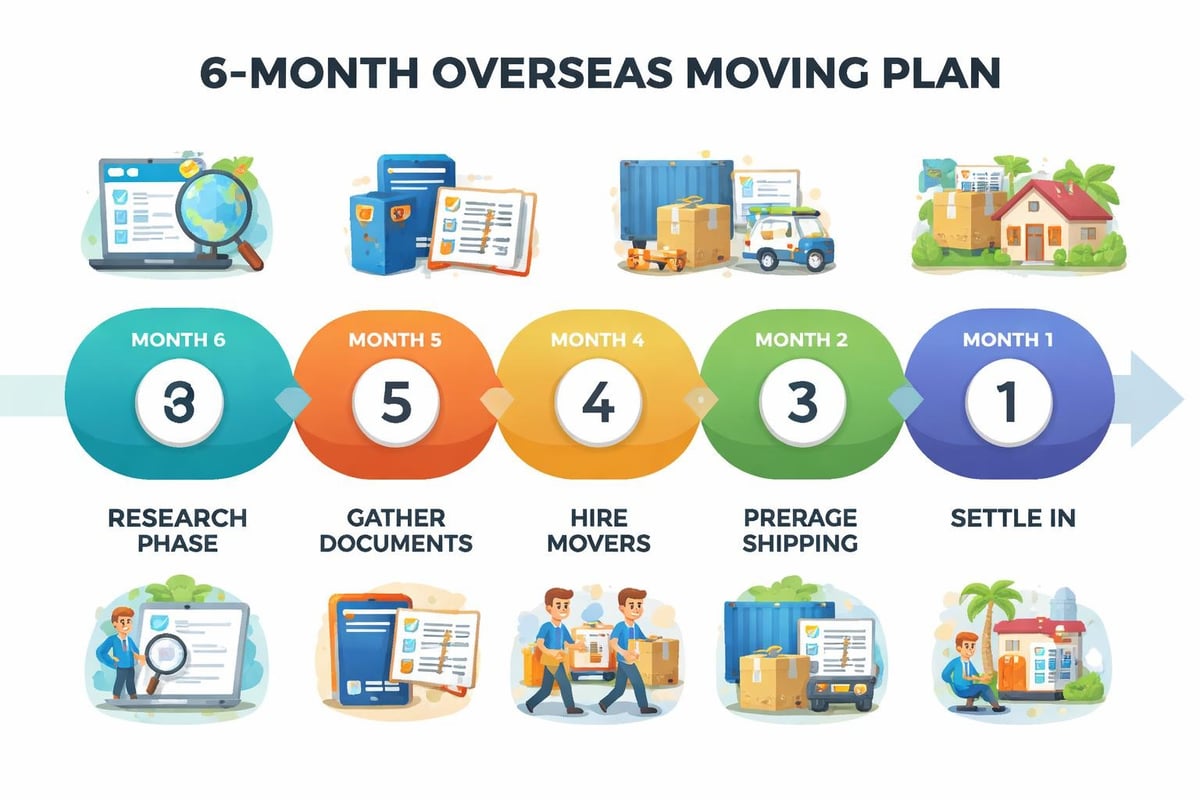
Planning your international move requires starting preparations at least six months in advance. This extended timeline accommodates visa processing, housing arrangements, and the logistical complexities inherent in shipping belongings across borders.
The first three months should focus on research and documentation. Begin investigating your destination country's entry requirements, cost of living, and housing market.Understanding visa processes and immigration requirementsrepresents critical early work that determines your entire moving timeline. Different countries maintain varying requirements for work permits, residency visas, and family reunification programs.
Essential Documentation Requirements
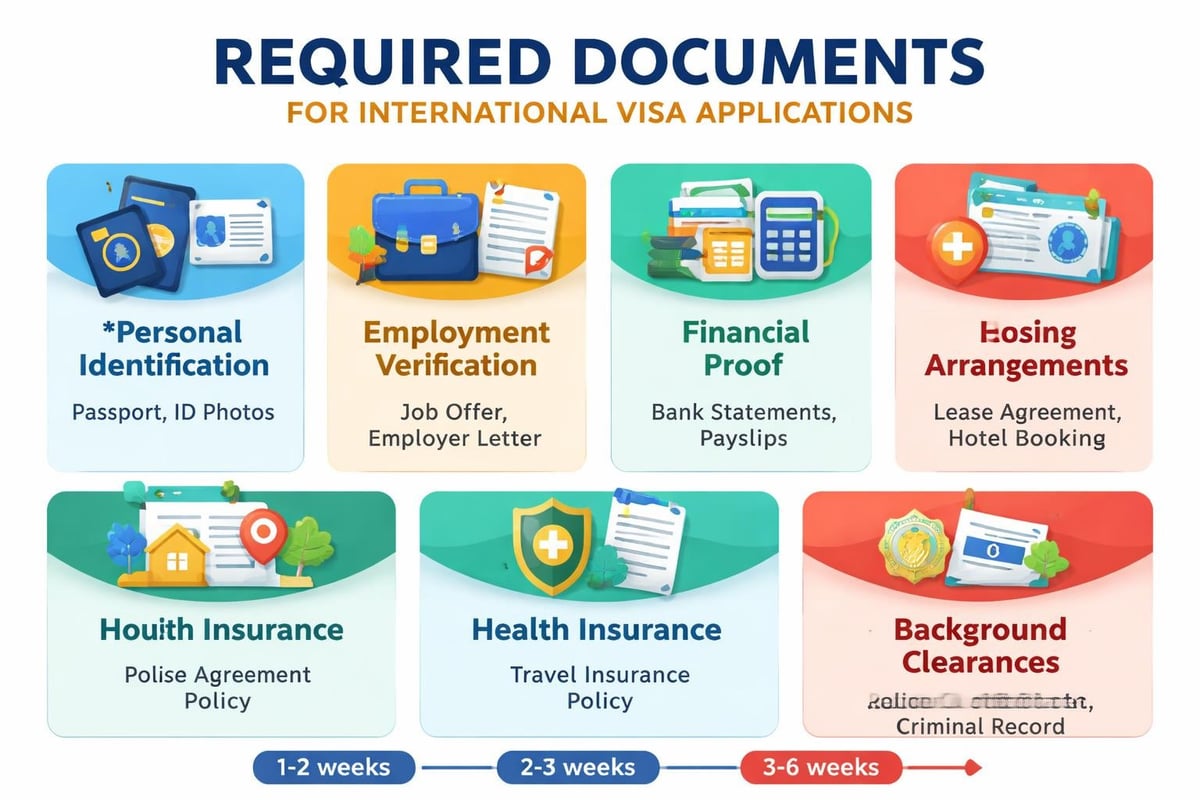
Moving overseas demands assembling numerous documents months before departure. These materials support visa applications, employment verification, and establishing residency in your new country.
Critical documents include:
- Valid passports with sufficient remaining validity (typically six months beyond your planned stay)
- Birth certificates and marriage certificates with apostille certification
- Educational transcripts and professional certifications
- Medical records and vaccination histories
- Banking and financial statements
- Employment contracts and reference letters
- Driver's licenses (both domestic and international permits)
Many countries require document translation by certified professionals. Research your destination's specific requirements early, as obtaining apostille certifications and official translations consumes significant time.Comprehensive moving abroad checklistshelp ensure no documentation steps get overlooked during this crucial preparation phase.
Selecting International Moving Services
Choosing qualifiedinternational moving servicesdramatically impacts your relocation experience. Unlike domestic moves, international relocations involve customs clearance, ocean freight coordination, and compliance with multiple jurisdictions' regulations.
Evaluating Moving Company Capabilities
Professional international movers provide specialized services that typical domestic carriers cannot match. These companies maintain relationships with customs brokers, understand international shipping regulations, and offer comprehensive insurance coverage for overseas transport.
| Service Component | Domestic Movers | International Specialists |
|---|---|---|
| Customs Documentation | Limited | Comprehensive support |
| Door-to-Door Service | Standard | Available but complex |
| Insurance Coverage | Basic | Enhanced international policies |
| Storage Solutions | Short-term only | Long-term international options |
| Packing Standards | Standard | Export-quality materials |
When moving overseas, partner with companies experienced in international logistics. Request detailed quotes that itemize all costs, including packing materials, shipping fees, customs duties, and destination delivery charges. Transparent pricing prevents unexpected expenses during an already stressful transition.
Understanding Shipping Options
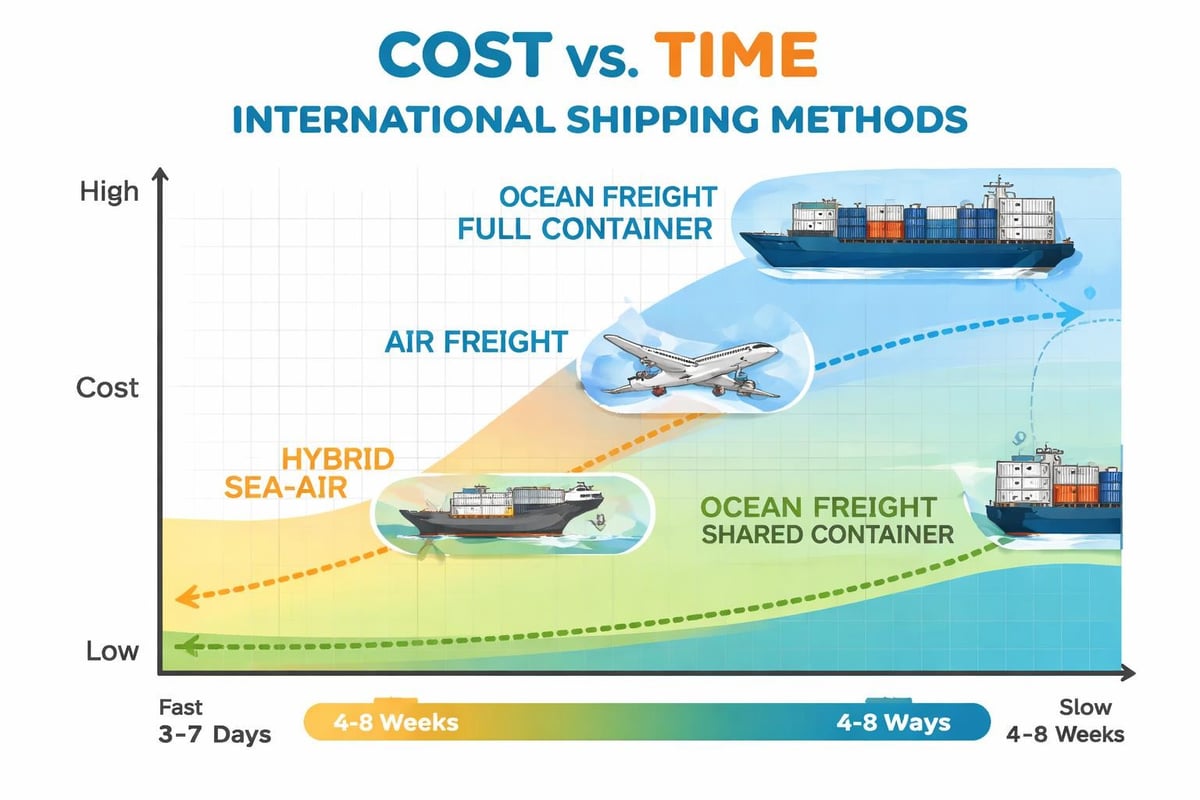
International household goods shipping typically occurs via ocean freight, though air freight serves as an expedited alternative for smaller shipments. Ocean freight provides cost-effective solutions for full household moves but requires longer transit times, typically ranging from four to twelve weeks depending on destination.
Shipping method considerations:
- Full Container Load (FCL): Dedicated container for your belongings, offering maximum security and no sharing with other shipments
- Less Than Container Load (LCL): Shared container space, reducing costs but extending transit times
- Air Freight: Fastest option for essential items, significantly more expensive per pound
- Sea-Air Combination: Balances cost and speed for mid-sized shipments
Professional movers help determine the most economical shipping approach based on your volume, timeline, and budget.Comparing transportation methods for international movesreveals significant cost variations that impact your overall relocation budget.
Financial Planning for International Relocation
Moving overseas involves substantial financial commitments beyond standard moving expenses. Comprehensive budgeting prevents financial strain during your transition period.
Calculating True Relocation Costs
International moves typically cost between $5,000 and $30,000, depending on distance, volume, and services required. This range excludes destination setup expenses like security deposits, initial housing costs, and establishing local services.
Budget categories include:
- Professional moving and packing services
- International shipping and insurance
- Temporary housing and storage
- Visa and immigration fees
- Travel expenses for family members
- Pet relocation services
- Vehicle shipping or sale
- Initial setup costs in new country
Consider maintaining access to both your home country and destination country banking services during transition. International wire transfers, currency exchange fees, and establishing local credit history require strategic financial planning. Many expatriates maintain dual-country banking relationships for at least the first year abroad.
Managing Currency and Banking Transitions
Research your destination country's banking requirements before arrival. Some nations require proof of residency before opening accounts, while others accommodate new arrivals through international banking networks. Understanding these requirements prevents cash flow disruptions during your initial settlement period.
Exchange rate fluctuations significantly impact moving budgets when shipping payments and destination expenses occur in different currencies. Lock favorable exchange rates when possible through forward contracts or timing large transactions strategically. Professional financial advisors specializing in expatriate services provide valuable guidance for managing international finances.
Organizing Household Belongings
Determining what to ship, sell, or store represents one of moving overseas' most challenging decisions. International shipping costs correlate directly with weight and volume, making selective packing financially prudent.
Decluttering Before International Moves
Begin sorting possessions at least three months before departure. International moves offer excellent opportunities to simplify your life and reduce belongings to items providing genuine value or utility.
Items typically not worth shipping internationally include:
- Large furniture available inexpensively in destination country
- Electrical appliances incompatible with destination voltage and plug standards
- Vehicles (unless moving to specific regions where importation makes financial sense)
- Worn or outdated clothing and linens
- Heavy books available digitally or in destination country
- Perishable items and hazardous materials prohibited in international shipping
Professionalpacking and moving serviceshelp identify items suitable for international transport versus those better sold or donated. Their expertise in customs regulations prevents shipping items that face import restrictions or prohibitive duties.
Special Considerations for Valuable Items
Antiques, artwork, musical instruments, and other valuable possessions require specialized packing and documentation for international moves. These items often need professional appraisals for customs declarations and insurance purposes.
Consider hand-carrying irreplaceable items like family heirlooms, important documents, and high-value jewelry rather than including them in shipped containers. This approach provides maximum security and prevents potential loss during international transit.Specialized moving services for valuable itemsoffer custom crating and white-glove handling when shipping valuable possessions becomes necessary.
Navigating Immigration and Legal Requirements
Understanding your destination country's legal requirements prevents complications that delay or derail international relocations. Each nation maintains unique immigration policies, work authorization processes, and residency requirements.
Visa Categories and Application Processes
Research which visa category matches your relocation purpose. Common categories include employment-based visas, family reunification visas, student visas, retirement visas, and investor visas. Each category carries distinct eligibility requirements, processing timelines, and documentation needs.
Employment-based visas typically require sponsorship from a destination country employer. These applications often involve proving that no qualified local candidate exists for the position, making professional roles easier to support than general labor positions.Planning international relocations around employment opportunitieshelps ensure visa approval before committing to moving expenses.
Family reunification visas serve citizens moving overseas to join spouses, parents, or children already residing in the destination country. These applications require proving genuine relationships through documentation like marriage certificates, birth certificates, and evidence of ongoing family connections.
Understanding Destination Country Regulations
Beyond immigration status, research your destination's regulations regarding:
- Importing household goods: Customs duties, restricted items, and documentation requirements
- Professional licensing: Whether your credentials transfer or require local certification
- Healthcare enrollment: Public versus private insurance requirements
- Tax obligations: Understanding tax residency rules and potential dual-country filing requirements
- Driver's licensing: Timeline for converting your license and driving regulations
Many countries require new residents to register with local authorities within specific timeframes after arrival. Missing these registration deadlines can result in fines or complications with residency status.Comprehensive guides to moving abroadprovide country-specific checklists ensuring compliance with all legal requirements.
Establishing Your New Life Abroad
Successful relocation extends beyond physical arrival. Establishing yourself in a new country involves practical tasks like securing housing, connecting utilities, and building social networks.
Housing Arrangements and Utilities
Research destination housing markets thoroughly before committing to long-term leases. Many expatriates initially secure short-term accommodations while learning neighborhoods and market conditions firsthand. This approach prevents costly mistakes from signing leases without understanding local contexts.
Understand that housing customs vary internationally. Rental agreements in some countries require substantial deposits equal to several months' rent, while others include utilities and maintenance differently than American standards. Professional relocation services or expatriate networks provide valuable guidance navigating unfamiliar housing markets.
Connecting utilities often requires local identification, bank accounts, or proof of residency that new arrivals may not immediately possess. Plan for potential delays in establishing services like internet, electricity, and water. Some countries maintain complex bureaucratic processes requiring in-person visits to multiple offices.
Cultural Integration and Support Networks
Moving overseas challenges individuals to adapt to different cultural norms, communication styles, and social expectations. Proactive cultural learning eases this transition and accelerates integration into your new community.
Integration strategies include:
- Language learning programs before and after arrival
- Joining expatriate communities and social groups
- Participating in local cultural events and activities
- Seeking mentorship from established expatriates
- Maintaining open-minded attitudes toward different customs
- Building relationships with local residents, not just other expatriates
Professional relocation assistance programs offered by employers or specialized services help navigate cultural adjustment challenges. These resources provide practical guidance on everything from local etiquette to navigating healthcare systems, significantly reducing the stress of international transitions.
Health Insurance and Medical Considerations
Healthcare access represents a critical planning area when moving overseas. Understanding your destination's healthcare system and securing appropriate coverage prevents medical emergencies from becoming financial catastrophes.
International Health Insurance Options
Research whether your destination offers public healthcare access to new residents and, if so, what timeline and requirements exist for enrollment. Many countries require waiting periods before new arrivals qualify for public health benefits, necessitating private insurance during initial months abroad.
International health insurance policies provide coverage across multiple countries, proving valuable for frequent travelers or individuals uncertain about permanent settlement locations. These policies typically cost more than local insurance but offer flexibility and often include coverage for medical evacuation if serious health issues arise.
| Insurance Type | Coverage Area | Typical Cost | Best For |
|---|---|---|---|
| Local Health Insurance | Single country | $100-500/month | Long-term residents |
| International Health Insurance | Global/multi-country | $300-1,000/month | Frequent travelers, temporary assignments |
| Travel Insurance | Short-term, limited coverage | $50-200/trip | Initial arrival period only |
| Employer-Sponsored Plans | Varies by policy | Often partially covered | Company transfers |
Ensure continuity of care for chronic conditions by obtaining sufficient medication supplies during transition and researching how prescriptions transfer to your new healthcare system. Some medications available over-the-counter in the United States require prescriptions abroad, while others may be unavailable entirely.
Vaccination and Health Preparation
Certain destinations require specific vaccinations for entry or recommend additional immunizations based on local health risks. Schedule appointments with travel medicine specialists at least three months before departure, as some vaccination series require multiple doses over extended periods.
Obtain copies of all medical records, including vaccination histories, surgical records, and ongoing treatment documentation. Having these materials translated into your destination's primary language facilitates medical care continuity and helps new healthcare providers understand your medical history.
Maintaining Connections During Transition
While establishing your new life abroad, maintaining connections to your home country requires intentional effort. These relationships provide emotional support during challenging adjustment periods and preserve important personal and professional networks.
Communication Technology and Strategy
Modern technology enables staying connected across continents through video calls, messaging apps, and social media platforms. However, time zone differences complicate synchronous communication, requiring deliberate scheduling to maintain regular contact with family and friends.
Effective communication approaches:
- Establishing regular video call schedules that accommodate time differences
- Using asynchronous communication (email, messaging) for routine updates
- Sharing photos and experiences through social media or private groups
- Planning annual home visits to maintain in-person connections
- Including home country contacts in major life events and celebrations
Consider maintaining a home country phone number through internet-based services, allowing friends and family to contact you without international calling charges. This accessibility encourages more frequent communication than if contacts must navigate international dialing procedures.
Professional Network Maintenance
Preserving professional relationships supports career development and creates potential opportunities for future moves or remote work arrangements. Industry conferences, virtual professional organization participation, and strategic LinkedIn engagement help maintain professional visibility despite geographic distance.
Some expatriates discover that international experience enhances career prospects both in their destination country and if they eventually return home. Documenting international accomplishments, developing cross-cultural competencies, and building global professional networks creates valuable career capital that transcends any single location.
Tax Implications of International Residence
Understanding tax obligations represents one of moving overseas' most complex aspects. Americans remain subject to U.S. tax filing requirements regardless of residence location, creating potential dual-country tax responsibilities.
U.S. Tax Obligations for Expatriates
United States citizens and permanent residents must file federal tax returns reporting worldwide income, even when living abroad full-time. However, specific provisions like the Foreign Earned Income Exclusion and Foreign Tax Credit prevent most expatriates from paying double taxation on the same income.
The Foreign Earned Income Exclusion allows qualifying individuals to exclude up to $126,500 (2026 amount) of foreign earned income from U.S. taxation. Qualifying requires meeting either the bona fide residence test or physical presence test, demonstrating genuine foreign residency or spending at least 330 days outside the United States during a twelve-month period.
Foreign Tax Credit provisions allow crediting taxes paid to foreign governments against U.S. tax obligations, preventing double taxation on the same income. These mechanisms require careful documentation and often benefit from professional tax preparation services specializing in expatriate returns.
Destination Country Tax Residency
Most countries determine tax residency based on physical presence, typically establishing residency after 183 days in-country during a calendar year. Tax residents generally face taxation on worldwide income, though tax treaties between nations often prevent double taxation through various relief mechanisms.
Research your destination's tax residency rules, filing requirements, and tax rates before moving overseas. Some countries maintain substantially higher tax rates than the United States, while others offer more favorable treatment. These differences significantly impact your net income and overall cost of living in your new location.
Pet Relocation Considerations
Bringing pets when moving overseas requires extensive advance planning. Each country maintains specific import requirements, quarantine regulations, and documentation needs for animal entry.
International Pet Transport Requirements
Pet relocation timelines often extend six months or longer due to vaccination waiting periods, health certificate requirements, and microchipping mandates. Countries like Australia, New Zealand, and the United Kingdom maintain particularly stringent import requirements including extended quarantine periods.
Standard pet import requirements include:
- Microchip implantation meeting ISO standards
- Current rabies vaccination with specific timing requirements
- Additional vaccinations based on destination country
- Health certificates issued within 10 days of travel
- Parasite treatments administered on specific schedules
- Import permits obtained before travel
- Approved airline carriers and travel arrangements
Research whether your destination maintains breed-specific restrictions. Some countries prohibit certain dog breeds entirely, while others require special permitting or muzzling requirements. Understanding these restrictions before committing to relocation prevents heartbreaking situations where families must rehome pets.
Professional pet relocation services coordinate the complex logistics of international animal transport, ensuring compliance with all regulations and reducing stress for both pets and owners. These services prove particularly valuable for exotic pets, multiple animals, or destinations with complex import requirements.
Moving overseas represents a significant life transition requiring careful planning, professional assistance, and realistic expectations about both challenges and opportunities ahead. From documentation and logistics to cultural adaptation and maintaining home connections, successful international relocation demands attention to countless details across extended timelines. Whether you're preparing belongings for international shipment or coordinating the practical aspects of your move, partnering with experienced professionals makes the difference between overwhelming stress and manageable transitions.US Prime Moversprovides comprehensive moving solutions to support your relocation journey, offering specialized packing services, secure storage options, and expert coordination to ensure your belongings arrive safely at your new home abroad.