
Relocating to a new home involves countless decisions, and one of the most important is determining whether you need professional assistance with the physical labor. Moving helpers provide targeted support for specific tasks during your relocation, offering flexibility that full-service movers might not provide. Whether you're handling a local move on your own or need extra hands for loading and unloading during a long-distance relocation, understanding how to work effectively with moving helpers can save you time, money, and physical strain.
Understanding What Moving Helpers Actually Do
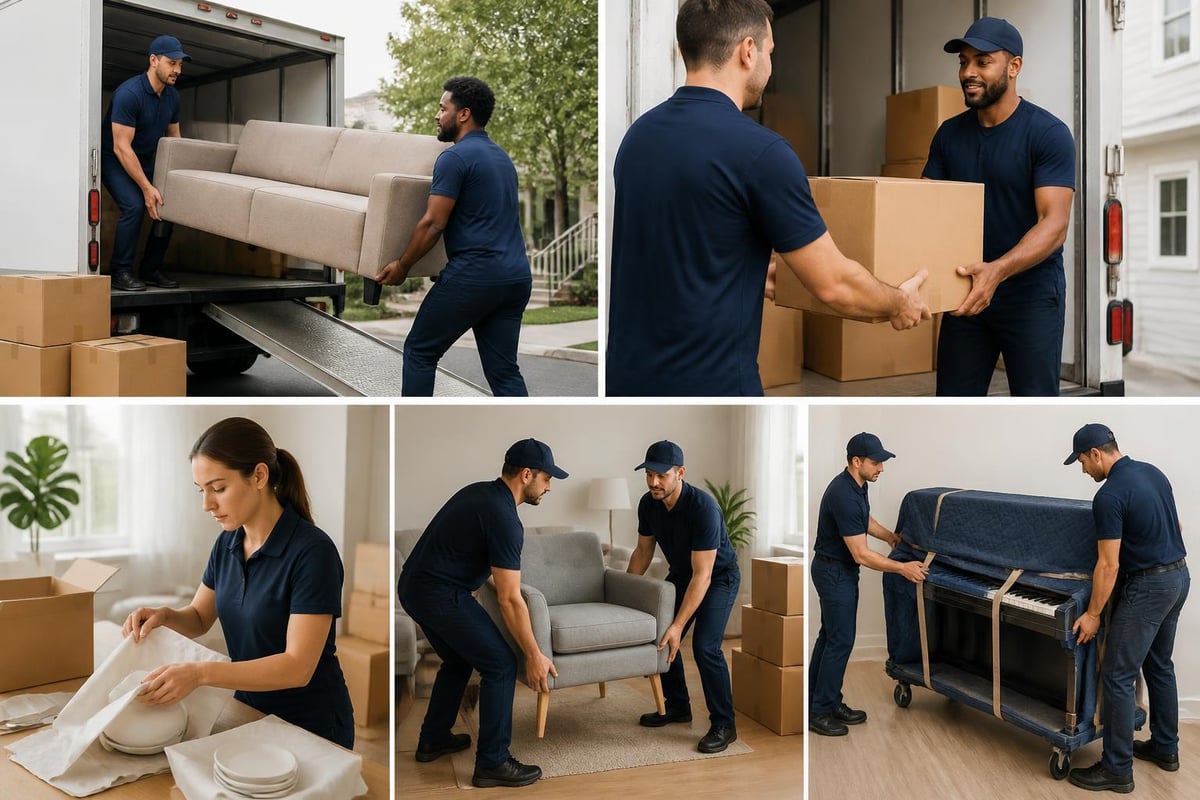
Moving helpers specialize in the physical labor aspect of relocation without necessarily providing transportation. These professionals can assist with loading rental trucks, unloading containers, packing boxes, carrying furniture, or handling specific heavy items that require expertise.
The scope of services varies significantly depending on your needs. Some moving helpers focus exclusively on loading and unloading, while others offer comprehensive support including packing, furniture disassembly, and unpacking at your destination. This flexibility makes them an attractive option for people who want to control certain aspects of their move while delegating the heavy lifting to trained professionals.
Types of Moving Helper Services
Different situations call for different levels of support. Here are the primary categories:
- Loading-only services: Professionals load your rental truck or portable container efficiently
- Unloading-only services: Helpers unload and place items in designated rooms at your destination
- Packing assistance: Trained staff pack your belongings using proper materials and techniques
- Full labor support: Comprehensive help with packing, loading, unloading, and unpacking
- Specialty item handling: Expertise with pianos, antiques, or other valuable items requiring special care
For those planning interstate relocations, combining moving helpers with your own truck rental can sometimes reduce costs compared to full-service options, thoughlong-distance moving servicesoften provide better value when you factor in time, safety, and insurance coverage.
Determining Whether You Need Moving Helpers
Not every relocation requires professional assistance, but several factors should influence your decision. The size of your home, the volume of belongings, your physical capabilities, and time constraints all play crucial roles.
Physical considerationsrank highest for most people. Heavy furniture, appliances, and specialty items pose injury risks when handled improperly. According to theCDC's guidance on safe patient handling, the principles of preventing musculoskeletal injuries apply equally to moving heavy household items. If you're facing stairs, tight corners, or bulky items, professional moving helpers reduce injury risk significantly.
Cost-Benefit Analysis
| Scenario | DIY Move Cost | With Moving Helpers | Time Savings |
|---|---|---|---|
| 1-bedroom apartment | $200-400 | $400-700 | 4-6 hours |
| 2-bedroom home | $400-700 | $700-1,200 | 6-8 hours |
| 3-bedroom home | $700-1,200 | $1,200-2,000 | 8-12 hours |
| 4+ bedroom home | $1,200-2,000 | $2,000-3,500 | 12-16 hours |
These estimates assume local moving helper rates of $50-100 per hour for a two-person crew. Rates vary considerably based on location, with major metropolitan areas typically charging higher rates.
Time constraints often make the decision easier. If you're working full-time or managing family responsibilities, moving helpers can compress what might take you an entire weekend into a few hours of professional work.
Finding and Vetting Reliable Moving Helpers
The quality of your moving experience depends heavily on selecting the right professionals. Start by researching providers in your area at least three weeks before your move date to ensure availability.
Online platformshave simplified the search process considerably. Websites specializing in connecting customers with moving helpers allow you to compare ratings, read reviews, and book services directly. However, verify that helpers carry proper insurance and workers' compensation coverage to protect yourself from liability.
Essential Questions to Ask Before Hiring
- Are you licensed and insured for moving services in this state?
- What specific services are included in your quoted price?
- How many movers will you send, and what's their experience level?
- Do you provide equipment (dollies, straps, blankets), or should I supply them?
- What's your cancellation policy and rescheduling flexibility?
- How do you handle damage to items or property?
- What payment methods do you accept, and when is payment due?
Choosing the right moving helpersrequires evaluating multiple factors beyond just price. Look for providers with consistent positive reviews, clear communication, and transparent pricing structures.
References from previous customers provide valuable insights. Don't hesitate to request contact information for recent clients, especially for moves similar to yours in scope and complexity.
Preparing Your Home for Moving Helpers
Proper preparation maximizes the efficiency of your moving helpers and prevents delays that could increase your costs. Most moving helper services charge by the hour, so every minute of preparation translates directly into savings.
Start by creating clear pathways throughout your home. Remove obstacles, secure loose rugs, and protect flooring in high-traffic areas. If you have pets, arrange for them to stay elsewhere during the move to prevent accidents and distractions.
Pre-Move Checklist for Helper Efficiency
Two weeks before:
- Declutter and donate items you won't move
- Purchase or gather packing supplies if packing yourself
- Measure doorways, stairwells, and large furniture to identify potential challenges
- Reserve parking spaces or permits for moving trucks if required
One week before:
- Disassemble furniture that comes apart easily
- Pack non-essential items into labeled boxes
- Create an inventory of valuable items
- Prepare your home for moving day following professional recommendations
Moving day morning:
- Clear pathways and protect flooring
- Set aside items you'll transport personally
- Prepare a staging area for loaded boxes
- Have payment method ready
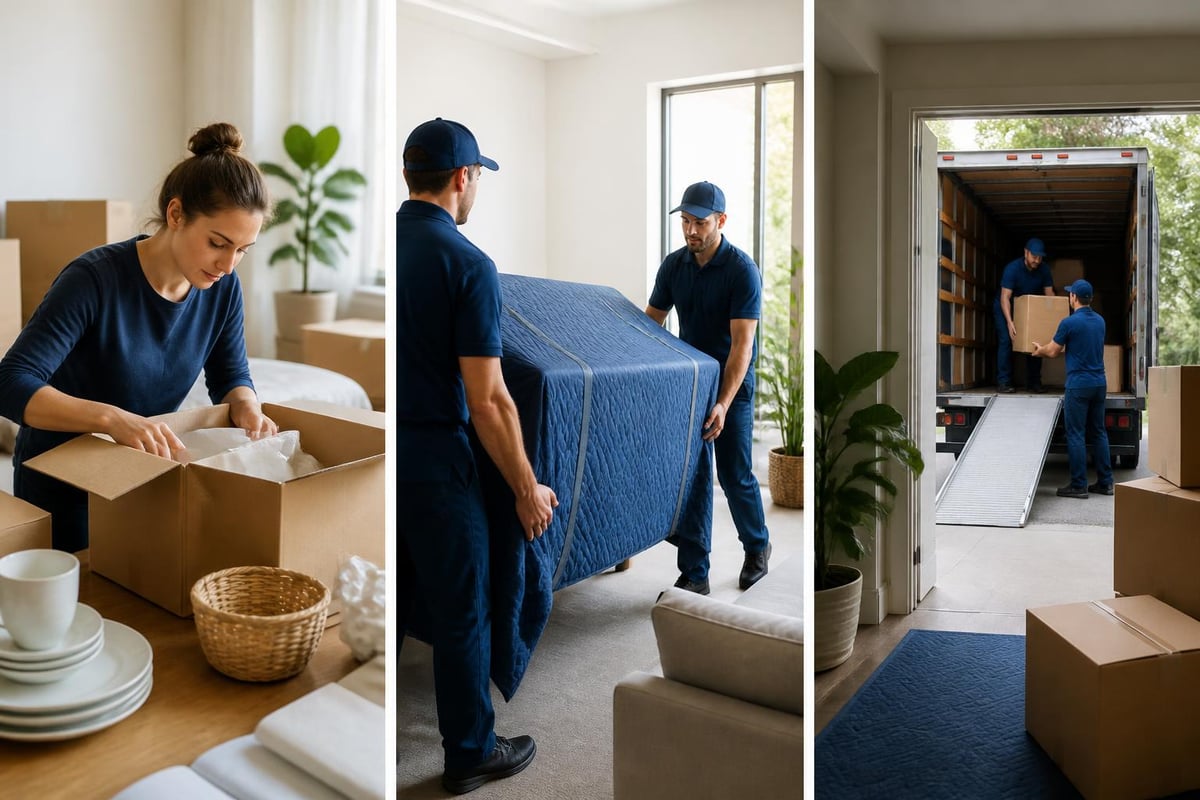
The better organized your belongings are when moving helpers arrive, the faster they can work. Pre-packed boxes, disassembled furniture, and clear instructions about what goes where can reduce your total labor hours by 20-30%.
Managing the Moving Process Effectively
Once your moving helpers arrive, clear communication ensures everything proceeds smoothly. Conduct a brief walkthrough of your home, pointing out any items requiring special care, explaining your priorities, and discussing your expectations.
Supervise without micromanaging.Professional moving helpers have experience with efficient loading patterns and safe carrying techniques. Trust their expertise while remaining available to answer questions about fragile items or placement preferences.
| Task | Your Responsibility | Helper's Responsibility |
|---|---|---|
| Packing boxes | Optional (or hire packing services) | Available if contracted |
| Furniture disassembly | Basic items you can handle | Complex or heavy pieces |
| Loading strategy | Provide input on priorities | Optimize truck space and weight distribution |
| Protecting items | Point out fragile belongings | Use proper packing materials and techniques |
| Unloading placement | Direct to correct rooms | Carry and position items safely |
For interstate moves, many families combine moving helpers at origin and destination with their own transportation or rental trucks. However,professional packing servicesprovided by licensed interstate carriers often include superior insurance coverage and accountability compared to using separate helpers and transportation.
Communication Tips During the Move
Establish a point person who makes decisions and communicates with the moving crew. Multiple people giving different instructions creates confusion and inefficiency.
Be specific about placement in your new home. Rather than saying "put this in the bedroom," specify "master bedroom, against the north wall." This clarity prevents unnecessary repositioning later.
Document the condition of valuable items before moving helpers handle them. Take photos of furniture, electronics, and other expensive belongings to establish their pre-move condition for insurance purposes.
Safety Considerations and Injury Prevention
Moving-related injuries affect thousands of people annually, making safety protocols essential. Professional moving helpers followestablished safety practices for moversto minimize risks, but homeowners should also understand basic precautions.
Proper lifting techniquesprevent the majority of moving injuries. Helpers should lift with their legs, keep loads close to their bodies, and avoid twisting while carrying weight. If you're assisting your hired helpers, follow these same principles.
Equipment That Enhances Safety
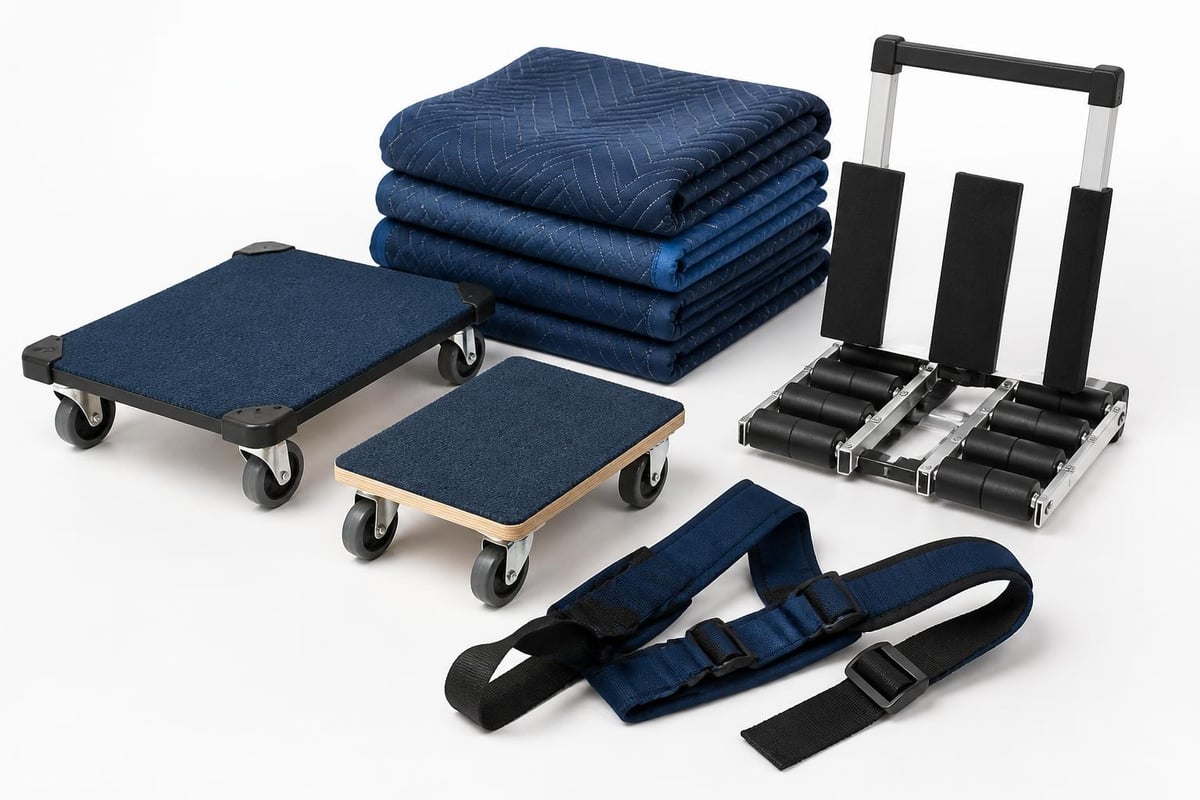
Professional moving helpers arrive equipped with tools that make the job safer and more efficient:
- Furniture dollies: Transport heavy items without carrying the full weight
- Appliance dollies: Specialized equipment for refrigerators and washing machines
- Moving straps: Distribute weight more evenly and provide better grip
- Furniture blankets: Protect items and provide padding during transport
- Stair rollers: Facilitate safe movement up and down stairs
Verify that your hired moving helpers bring appropriate equipment. If they arrive without essential tools, this suggests inexperience or inadequate preparation, both of which increase injury and damage risks.
Weather conditions demand special attention. Rain, snow, or extreme heat affect safety and require additional precautions. Wet floors become slippery, extreme heat leads to fatigue and dehydration, and cold weather makes materials more brittle. Adjust your schedule if severe weather threatens, as most moving helper services include weather-related provisions in their contracts.
Understanding Costs and Payment Structures
Moving helper costs vary based on location, season, day of week, and scope of services. Understanding typical pricing structures helps you budget accurately and avoid surprise expenses.
Most moving helpers charge hourly rates ranging from $50 to $150 per hour for a two-person crew. This rate typically includes basic equipment but may exclude packing materials, special equipment for pianos or safes, or travel fees for locations outside their normal service area.
Factors Influencing Moving Helper Rates
Geographic locationsignificantly impacts pricing. Moving helpers in New York, California, and other high-cost-of-living areas charge substantially more than those in smaller markets. A two-person crew in rural areas might charge $60-80 per hour, while the same service in Manhattan could run $120-150 per hour.
Timing affects availability and pricing.Summer months, weekends, and the beginning and end of each month see higher demand and often premium pricing. Booking moving helpers for mid-week, mid-month dates can save 15-20% compared to peak times.
Additional charges to anticipate:
- Travel fees for distances beyond a certain radius (typically 15-20 miles)
- Stair fees for buildings without elevators ($50-100 per flight)
- Heavy item surcharges for safes, pianos, or extremely bulky furniture
- Extended distance fees if carrying items far from the truck
- Packing material costs if you're using their supplies
Minimum service requirements typically range from 2-4 hours, even if your actual move takes less time. Factor this into your decision when comparing costs of moving helpers versus full-service movers for smaller moves.
Tipping Etiquette and Appreciation
Tipping moving helpers reflects appreciation for quality service, though it's not legally required.Industry guidance on tipping moverssuggests 15-20% of the total cost or $20-30 per helper for smaller jobs and $40-60 per helper for full-day moves.
Performance-based tippingmakes sense. Exceptional service, careful handling of fragile items, professional demeanor, and efficiency warrant higher tips. Conversely, damaged items, unprofessional behavior, or significant delays justify reduced or no gratuity.
Consider these factors when determining tip amounts:
- Difficulty of the move (stairs, tight spaces, heavy items)
- Weather conditions (extreme heat, cold, or rain)
- Attitude and professionalism of the crew
- Care taken with your belongings
- Efficiency and time management
Cash tips distributed directly to each helper ensure they receive your appreciation immediately. If paying by credit card, verify that the company passes tips through to workers rather than retaining them as revenue.
Providing refreshments demonstrates consideration without replacing monetary tips. Water, sports drinks, and light snacks help helpers maintain energy, especially during hot weather or physically demanding moves. However, this courtesy supplements rather than substitutes for proper tipping.
Coordinating Helpers with Other Moving Services
Many interstate relocations involve coordinating multiple service providers. You might hire moving helpers to load a portable storage container, which a separate company transports, then hire different helpers to unload at your destination.
This coordination requires careful scheduling and clear communication. Confirm arrival windows with all parties and build buffer time between services to accommodate delays. Transportation companies typically provide delivery windows spanning several hours, so schedule your destination moving helpers with flexibility.
Documentation proves essentialwhen using multiple providers. Take photos before loading, maintain detailed inventories, and keep all contracts and receipts organized. If damage occurs, determining liability becomes much easier with proper documentation showing condition at each stage.
For complex relocations involving valuable items or tight timelines, full-serviceinterstate moving servicesoften provide better value despite higher upfront costs. Single-source accountability, comprehensive insurance, and professional coordination eliminate the stress of managing multiple vendors.
Post-Move Considerations and Follow-Up
After moving helpers complete their work, inspect all items promptly. Check for damage, verify that everything arrived, and document any issues immediately while details remain fresh.
File damage claims quickly.Most moving helper services have strict deadlines for reporting damage, often within 24-72 hours. Delayed reporting may void your ability to seek compensation.
Unpacking tips from moving professionalsrecommend starting with essential rooms like bedrooms, bathrooms, and kitchens. This approach establishes functional spaces quickly while you tackle remaining boxes at a comfortable pace.
Leave honest reviews for your moving helpers. Future customers rely on accurate feedback when making hiring decisions. Detailed reviews noting specific strengths and weaknesses provide more value than simple star ratings.
If you experienced exceptional service, ask your moving helpers for business cards or contact information. Having reliable professionals you trust saves time and stress for future moves or when recommending services to friends and family.
Common Post-Move Issues and Solutions
| Issue | Immediate Action | Prevention for Next Time |
|---|---|---|
| Damaged furniture | Photograph damage, contact company within 24 hours | Better padding, discuss fragile items upfront |
| Missing items | Check truck, contact helpers immediately | Create detailed inventory, supervise loading |
| Incorrect room placement | Request helpers reposition before they leave | Provide clear room labels and placement instructions |
| Unexpected charges | Review contract, request detailed invoice | Get written quotes, clarify all potential fees beforehand |
Most reputable moving helper services stand behind their work and address legitimate concerns professionally. Approach problems calmly and give companies reasonable opportunities to make things right before escalating to negative reviews or formal complaints.
Special Situations Requiring Experienced Moving Helpers
Certain relocations demand specialized expertise beyond basic loading and unloading. Pianos, antiques, fine art, and other valuable items require trained professionals who understand proper handling techniques and have appropriate equipment.
Piano movingexemplifies this specialization. These instruments weigh hundreds of pounds, have delicate internal mechanisms, and easily suffer damage from improper handling.Professional piano moversuse specialized skid boards, padding, and techniques developed specifically for these instruments.
Military families facingPCS relocationsoften work with moving helpers who understand military timelines, weight allowances, and documentation requirements. This specialized knowledge streamlines relocations and helps families comply with military moving regulations.
Multi-story buildings without elevators present particular challenges. Moving helpers experienced with stairs understand load distribution, use proper equipment, and pace themselves to prevent injuries and damage. Attempting to navigate narrow stairwells with large furniture without experienced help frequently results in damaged walls, broken items, or injuries.
Weather extremes demand adapted approaches. Professional moving helpers working in hot climates schedule breaks, stay hydrated, and adjust pacing to prevent heat exhaustion. Those in cold climates protect temperature-sensitive items and account for longer loading times due to protective clothing and careful footing on ice.
Long-Distance Moves and Helper Coordination
Interstate relocations requiring moving helpers at both origin and destination involve additional planning complexity. You'll need to coordinate schedules across potentially different time zones, account for transportation delays, and ensure helpers at your destination are ready when your belongings arrive.
Build flexibility into your timeline.Transportation delays happen due to weather, mechanical issues, or routing changes. Schedule destination moving helpers with delivery windows rather than exact times, and maintain communication with your transportation provider about arrival estimates.
Consider accommodation needs if your destination helpers need to wait. Some contracts include waiting fees if delays exceed certain timeframes. Understanding these provisions helps you budget accurately and make informed decisions about timing.
Many families discover that the coordination challenges, multiple service providers, and cumulative costs of DIY interstate moves using various moving helpers approach or exceed full-service professional moving costs. Comprehensivelong-distance moving servicesprovide single-source accountability, superior insurance coverage, and professional coordination that eliminate stress and often prove more economical when all factors are considered.
Making the Final Decision
Choosing between moving helpers and full-service movers depends on your specific circumstances, budget, and preferences. Moving helpers offer flexibility and potential cost savings for those willing to handle certain aspects of their relocation independently.
Evaluate your physical capabilities honestly. Overestimating your ability to assist or handle certain tasks leads to injuries, damaged belongings, and ultimately higher costs than hiring appropriate professional help from the start.
Budget considerations extend beyond hourly rates.Factor in equipment rental, packing materials, your time value, injury risks, and potential damage when comparing options. The lowest hourly rate doesn't always translate to the most economical overall solution.
Your timeline influences whether moving helpers make sense. If you need to relocate quickly, full-service movers offering comprehensive support typically complete moves faster than coordinating multiple moving helper sessions around your availability and theirs.
For additional guidance on planning your relocation, explore resources likeHome Depot's comprehensive moving tips, which cover everything from budgeting to packing strategies. Cross-reference multiple sources to develop a complete understanding of your options and requirements.
Working effectively with moving helpers requires preparation, clear communication, and realistic expectations about what these professionals can accomplish. Whether you're handling a local move or coordinating an interstate relocation, the right moving helpers make the physical labor manageable while keeping costs under control. For those planning long-distance relocations who want comprehensive support without the coordination challenges of managing multiple service providers,US Prime Moversoffers fully licensed and insured interstate moving services with transparent pricing and professional care from start to finish.