
Relocating across state lines represents one of the most significant transitions families face. Whether you're moving from New York to Florida for retirement, transferring from California to Texas for a new job, or completing a military PCS assignment, choosing the right moving company long distance can mean the difference between a smooth transition and a stressful nightmare. Understanding how professional movers operate, what services they provide, and how to select a qualified company will help you make informed decisions that protect your belongings and your budget.
Understanding Long Distance Moving Services
Long distance moves differ fundamentally from local relocations in several critical ways. The Federal Motor Carrier Safety Administration (FMCSA) defines a long distance move as any relocation crossing state lines or exceeding 100 miles within the same state. This distinction matters becauseregulations and licensing standards for long-distance moving companiesrequire interstate movers to hold specific federal authorization.
When you hire a moving company long distance, you're engaging a service that handles logistics across multiple jurisdictions, coordinates timing over days or weeks, and manages your household goods through various stages of loading, transport, and delivery. Professional movers maintain specialized equipment, trained crews, and insurance coverage designed specifically for these complex relocations.
Key Differences from Local Moves
The operational model for long distance relocations requires different planning and pricing structures.Local moves typically charge hourly rates, while interstate relocations calculate costs based on weight, distance, and additional services.
Primary distinctions include:
- Pricing methodology: Weight-based or cubic footage calculations rather than hourly rates
- Timeline: Multi-day or multi-week delivery windows instead of same-day service
- Licensing requirements: USDOT numbers and federal oversight versus state-level regulation
- Insurance options: Valuation coverage that extends across state lines
- Crew coordination: Multiple teams may handle loading, transport, and delivery phases
Understanding these differences helps you set realistic expectations and communicate effectively with potential movers. The planning timeline for a long distance move typically extends 6-8 weeks before your move date, compared to 2-3 weeks for local relocations.
How Moving Companies Calculate Long Distance Costs
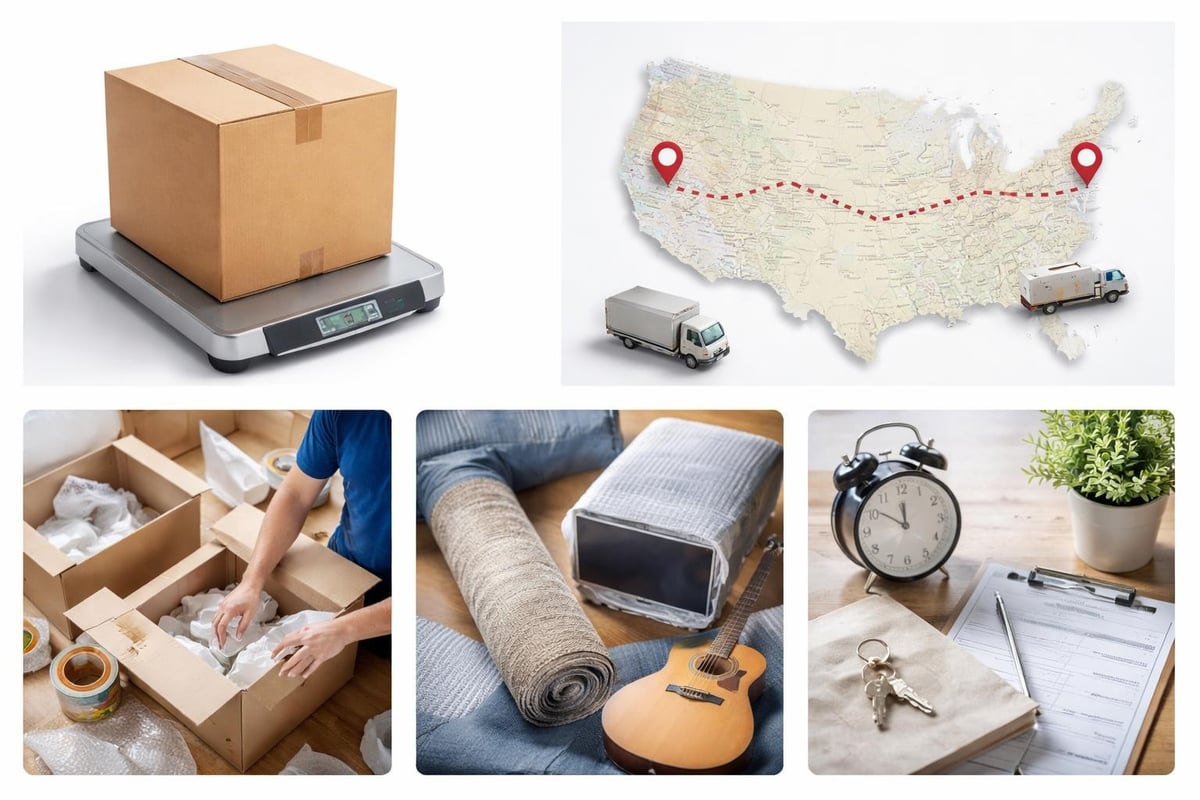
Pricing transparency remains one of the most important factors when selecting a moving company long distance.Movers calculate long-distance moving costsusing a combination of measurable factors that directly impact the resources required for your relocation.
The primary cost determinants include the total weight of your shipment, the distance between your current and future home, the time of year you're moving, and any additional services you request. Most reputable companies provide in-home estimates where a representative evaluates your belongings and offers a detailed quote.
Standard Pricing Components
| Cost Factor | How It's Calculated | Typical Impact |
|---|---|---|
| Base Transportation | Weight (per 100 lbs) × Distance | $0.50-$1.00 per lb per 1,000 miles |
| Labor | Loading/unloading crew hours | $25-$60 per mover per hour |
| Packing Services | Materials + labor per room | $200-$800 per room |
| Specialty Items | Individual item handling | $200-$2,000 per item |
| Storage | Monthly rate if needed | $75-$300 per month |
| Insurance | Declared value or full coverage | $0.60 per lb or 1-2% of value |
For a typical 3-bedroom household moving 1,500 miles, expect costs ranging from $4,500 to $8,500 depending on the total weight and services selected. A 2-bedroom apartment covering the same distance might cost $3,200 to $5,800. Peak season moves (May through September) typically cost 20-30% more than off-season relocations.
Understanding these components allows you to make strategic decisions about what to move, what to sell or donate, and which services provide the best value for your specific situation. Getting detailed written estimates from multiple companies helps you compare options accurately.
Essential Steps for Choosing a Reliable Mover
Selecting the right moving company long distance requires systematic research and verification. The moving industry includes thousands of legitimate companies alongside fraudulent operators who take deposits and disappear or hold belongings hostage for additional payments.
Verification and Research Process
Confirm federal licensing: Every interstate mover must display a valid USDOT number issued by the FMCSA. Verify this number through the FMCSA's online database to check the company's authority, insurance status, and safety record.
When evaluating aLong Distance Movingprovider, ask about their experience with your specific route, their claims process, and whether they use their own trucks and employees or subcontract services to third parties.
Timeline and Planning for Long Distance Relocations
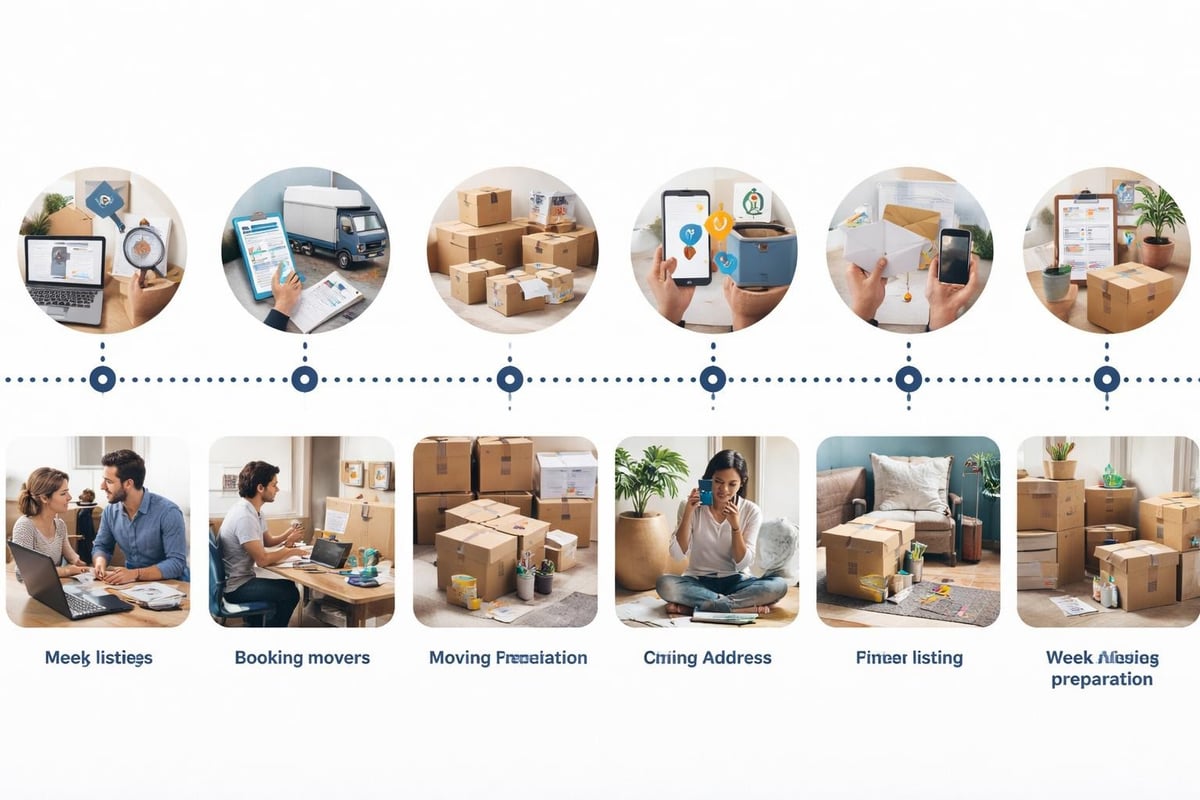
Successful long distance moves require structured planning that begins weeks before moving day.Reducing moving stressstarts with creating a comprehensive timeline that accounts for all necessary tasks.
8 Weeks Before Moving:
- Research and request estimates from multiple moving companies
- Begin decluttering and deciding what items to keep, sell, or donate
- Create a moving binder to organize estimates, contracts, and important documents
- Research your destination city including housing options, schools, and services
6 Weeks Before Moving:
- Select your moving company and book your move date
- Notify your landlord or list your home for sale
- Begin gathering packing supplies if handling your own packing
- Start using perishable food items to minimize what needs disposal
4 Weeks Before Moving:
- Submit change of address forms with USPS
- Notify utilities at both current and future addresses
- Contact insurance providers about coverage during the move
- Schedule any necessary specialty services like piano movers for delicate items
2 Weeks Before Moving:
- Confirm details with your moving company including arrival window and contact information
- Begin packing non-essential items room by room
- Arrange for childcare or pet care on moving day
- Prepare an essentials box with items you'll need immediately at your new home
Moving Week:
- Finish packing and label all boxes clearly with contents and destination room
- Confirm final details with movers 24-48 hours before arrival
- Pack valuables, important documents, and medications to transport personally
- Prepare your home for the moving crew with clear pathways and parking access
Actual moving day preparation includes verifying the crew's identification, conducting a walkthrough to discuss any concerns, and reviewing the bill of lading before signing. The bill of lading serves as both your receipt and contract, listing all items being transported and the agreed-upon charges.
What to Pack Yourself and What Movers Won't Transport
Understanding what items movers cannot or should not transport helps you avoid delays and additional costs on moving day. Federal regulations and company policies restrict certain materials for safety and legal reasons.
Items Prohibited on Moving Trucks
Moving companies long distance cannot legally transport hazardous materials including:
- Flammable liquids (paint, gasoline, propane tanks, lighter fluid)
- Explosives (ammunition, fireworks, flares)
- Corrosive materials (batteries, acids, cleaning chemicals)
- Compressed gases (oxygen tanks, helium canisters)
- Perishable food items that could spoil during multi-day transport
Items that long-distance movers typically won't transportalso include valuables like cash, jewelry, and important documents that you should keep with you during the move. Plants may be restricted on certain interstate routes due to agricultural regulations.
Personal Items to Transport Yourself
Keep these items with you during your move:
- Financial documents (bank statements, tax records, investment papers)
- Medical records and current prescription medications
- Jewelry, collectibles, and family heirlooms
- Laptop computers and backup drives containing irreplaceable data
- Keys, checkbooks, and credit cards
Creating an essentials box or suitcase with clothing, toiletries, phone chargers, and basic supplies for the first few days in your new home prevents the stress of searching through boxes immediately after arrival. This approach proves especially valuable when delivery windows extend several days.
Additional Services That Enhance Your Moving Experience
Modern moving company long distance providers offer comprehensive services beyond basic loading and transportation. Understanding these options helps you customize your move to match your specific needs and budget constraints.
Professional Packing Services
Professional packing represents one of the most valuable services for long distance relocations. Trained packers complete in hours what might take you days or weeks, using professional-grade materials and techniques that protect items during extended transport.
Packing servicestypically include all necessary materials such as boxes, packing paper, bubble wrap, and specialty cartons for items like dishes or wardrobes. Full-service packing covers your entire household, while partial packing focuses on specific rooms or fragile items requiring expert handling.
Benefits of professional packing:
- Time savings that allow you to focus on other moving tasks
- Proper materials and techniques that minimize damage risk
- Insurance coverage that may require professional packing for full protection
- Systematic labeling and inventory that simplifies unpacking
Costs for professional packing typically range from $25 to $60 per hour per packer, with full-house packing for a 3-bedroom home averaging $1,200 to $2,500 depending on the quantity and complexity of items.
Storage Solutions During Transition
Many families need temporary storage when closing dates don't align perfectly or when downsizing to a smaller home.Moving and storageservices coordinate both aspects of your relocation, storing your belongings in climate-controlled facilities until you're ready for delivery.
Storage options include short-term solutions for gaps between move-out and move-in dates, or long-term storage for items you're not ready to decide about permanently. Monthly storage costs vary by location and space required, typically ranging from $75 to $300 per month for household storage.
Specialty Item Handling
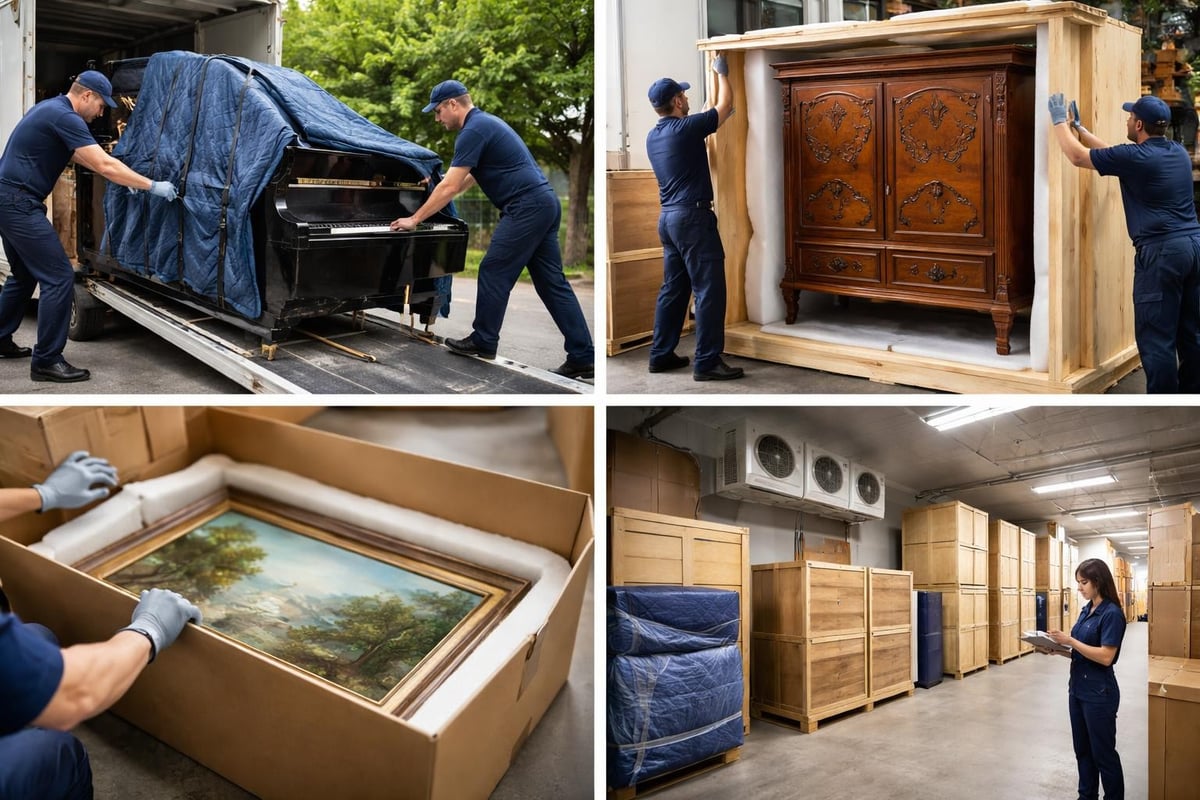
Certain possessions require specialized equipment, expertise, and handling procedures. Pianos, antiques, artwork, pool tables, and other valuable or delicate items benefit from movers trained specifically for these challenges.
Specialty moving services include:
- Custom crating for artwork or fragile antiques
- Climate-controlled transport for items sensitive to temperature or humidity
- Disassembly and reassembly of complex furniture or equipment
- Vehicle transport for cars, motorcycles, or boats
When evaluating a moving company long distance for specialty items, ask about the crew's training, the equipment they use, and their experience with your specific item type. Understanding whetherantique moving servicesrequire separate scheduling or coordination ensures proper handling.
Understanding Moving Insurance and Valuation Coverage
Insurance protection represents a critical but often misunderstood aspect of long distance moving. Federal regulations require movers to offer two types of liability coverage, but neither provides the comprehensive protection many homeowners assume they're receiving.
Basic Carrier Liability vs. Full Value Protection
Released Value Protectioncomes at no additional charge but offers minimal coverage at $0.60 per pound per item. Under this option, a 50-pound television damaged during your move would yield a maximum compensation of $30, regardless of its actual value. This minimal coverage satisfies federal requirements but rarely adequately compensates for damaged goods.
Full Value Protectionrequires an additional fee but obligates the mover to either repair damaged items, replace them with comparable items, or provide cash settlement equal to current replacement value. Costs for full value protection typically equal 1-2% of your declared shipment value.
| Coverage Type | Cost | Protection Level | Best For |
|---|---|---|---|
| Released Value | Included | $0.60 per pound | Minimal-value items only |
| Full Value | 1-2% of value | Repair, replacement, or cash | Recommended for most moves |
| Third-Party Insurance | Varies by policy | Customizable coverage | High-value shipments |
Some homeowners' insurance policies include coverage for belongings during moves. Contact your insurance agent to verify whether your policy provides this protection and understand any limitations or deductibles that apply.
When selecting valuation coverage, create a detailed inventory of high-value items and photograph them before packing. This documentation proves invaluable if you need to file a claim after delivery.
Red Flags and How to Avoid Moving Scams
The moving industry unfortunately attracts fraudulent operators who exploit customers during vulnerable transitions. Recognizing warning signs helps you avoid companies that damage belongings, demand additional payments, or disappear with deposits.
Warning Signs of Fraudulent Movers
Immediate red flags include:
- Requests for large deposits or cash-only payments before moving day
- Companies without physical addresses or verifiable USDOT numbers
- Estimates provided without in-home inspection of belongings
- Blank or incomplete contracts requiring signature
- Companies using rental trucks without company branding
- Unwillingness to provide proof of insurance or licensing
Legitimate moving companies long distance provide detailed written estimates, explain all charges clearly, and answer questions patiently. They understand that customers need time to review contracts and compare options before making decisions.
Key points to follow while hiring long-distance moversinclude verifying credentials through official databases, reading contracts thoroughly before signing, and maintaining copies of all documentation.
Protecting Yourself Throughout the Process
Never pay the full amount before delivery. Standard practice involves a deposit (typically 10-20% of the estimate) with the remainder due upon delivery. Payment methods should include options beyond cash, and companies should provide detailed receipts for all payments.
If a mover demands additional payment beyond the written estimate before unloading your belongings, this represents a hostage situation prohibited by federal law. Contact the FMCSA immediately to report such practices and seek assistance.
Regional Considerations for Popular Moving Routes
Different regions present unique challenges and considerations for long distance relocations. Understanding these factors helps you plan more effectively for your specific route.
Cross-Country Moves Between Major Markets
High-volume routes between major metropolitan areas likeNew YorktoFloridaorCaliforniatoTexasoften offer more competitive pricing and flexible scheduling due to frequent service. Movers maintain regular routes between these locations, sometimes resulting in faster delivery windows.
Conversely, moves to or from less populated areas may require additional time for scheduling and potentially higher costs due to positioning fees. When movers must travel empty trucks to reach your location or return empty after delivery, these costs factor into your quote.
Seasonal and Weather Considerations
Summer represents peak moving season, with demand highest from May through September when families relocate before the school year. Booking during this period requires earlier reservation and typically costs 20-30% more than winter moves.
Winter relocations offer cost advantages but present weather-related challenges. Snow, ice, and severe weather can delay schedules, particularly for routes through northern states or mountain passes. Build additional flexibility into your timeline when planning winter moves.
Long-distance moving tipsemphasize the importance of maintaining flexibility with moving dates when possible. Scheduling moves mid-month and mid-week often results in better availability and potentially lower costs than month-end or weekend dates.
Cost-Saving Strategies Without Compromising Quality
Strategic planning helps reduce moving expenses while maintaining service quality. Understanding where you can economize and where investment provides value ensures you make smart financial decisions.
Reducing Overall Moving Costs
Effective cost-reduction strategies include:
Declutter before getting estimates: Reducing shipment weight by 1,000 pounds can save $500-$1,000 on a long distance move.
Budgeting and saving for moving costsrequires understanding all potential expenses including moving services, travel costs, temporary lodging, utility deposits, and unexpected expenses that commonly arise during relocations.
Where to Invest for Best Value
Certain services provide value that exceeds their cost. Professional packing for fragile items, full value insurance protection, and specialty handling for irreplaceable belongings represent wise investments that prevent costly damage.
Quality moving companies charge fair prices that reflect their training, insurance, equipment, and operational standards. Selecting a mover based solely on the lowest quote often results in poor service, hidden fees, or damaged belongings that ultimately cost more than choosing a reputable provider initially.
Special Considerations for Military Families
Military families face unique challenges during relocations, including tight timelines, government weight allowances, and coordination with assignment dates. Understanding howmilitary movesdiffer from civilian relocations helps service members navigate the process more effectively.
PCS Move Requirements
The military's Permanent Change of Station (PCS) program authorizes transportation of household goods when service members receive new assignments. The Department of Defense contracts with moving companies to provide these services, but service members may also choose personally procured moves (PPM or DITY moves) where they arrange transportation and receive reimbursement.
Key considerations for military relocations:
- Understanding weight allowances based on rank and family size
- Coordinating move dates with reporting deadlines and housing availability
- Navigating claims processes for damaged or lost items
- Accessing storage options for extended training or overseas assignments
Moving companies experienced with military relocations understand these unique requirements and can guide families through the documentation and coordination processes. They recognize the importance of meeting tight deadlines and working within government regulations.
Families pursuing personally procured moves must obtain weight tickets, maintain receipts, and submit proper documentation for reimbursement. While PPM moves can generate additional income when executed efficiently, they also require managing all logistics personally rather than relying on contracted services.
Preparing Your New Home Before Arrival
Advance preparation at your destination simplifies the unpacking process and helps you settle in more quickly. Coordinating utilities, services, and basic setup before your belongings arrive creates a functional living space immediately.
Essential Pre-Arrival Tasks
Contact utility providers 2-3 weeks before your move date to schedule service activation. Electricity, water, gas, internet, and trash services often require several days' notice for new connections. Arranging activation for 1-2 days before your furniture arrives ensures the home is ready.
If possible, visit your new home before moving day to:
- Measure rooms and doorways to ensure furniture fits
- Clean thoroughly before belongings arrive
- Make any necessary repairs or modifications
- Plan furniture placement and traffic flow
- Identify any issues requiring immediate attention
This advance visit also provides opportunity to meet neighbors, locate essential services like grocery stores and pharmacies, and begin familiarizing yourself with your new community. Understandinghow moving companies handle long-distance moveshelps you coordinate arrival timing and communicate expectations clearly with your movers.
For families unable to visit before moving day, virtual tours, online research, and communication with your real estate agent or landlord help you prepare remotely. Creating floor plans showing furniture placement gives the moving crew clear direction when unloading.
Managing Moving Day Logistics Effectively
The actual moving day requires organization, clear communication, and systematic oversight. Preparing thoroughly the day before reduces stress and ensures smooth operations when the crew arrives.
Day-Before Preparation Checklist
Finalize packing: Complete all packing the evening before, ensuring nothing remains for the morning.
When the crew arrives, verify their identification and confirm the company name matches your contract. Conduct a walkthrough together, pointing out any items requiring special attention or handling concerns.
Review the inventory list as movers tag items for loading. This document becomes critical if you need to file damage claims after delivery, so ensure it accurately reflects all items being transported.
Delivery Day Coordination
Maintain communication with your moving company throughout the delivery window. Most companies provide contact information for the driver and dispatch, allowing you to track progress and receive updates on arrival timing.
Prepare your new home similarly to departure preparation with clear pathways and parking access. Have your floor plan ready to direct movers where each item belongs, saving time and reducing the need to rearrange heavy furniture later.
Inspect items as they're unloaded, noting any visible damage on the inventory sheet before signing. While you don't need to unpack everything immediately, documenting obvious damage protects your rights if you need to file claims.
Choosing the right moving company long distance requires research, planning, and clear communication, but the investment of time and effort pays dividends in reduced stress and successful relocation. From understanding pricing structures and verifying credentials to coordinating timelines and protecting your belongings, each step contributes to a smoother transition to your new home. Whether you're relocating across state lines for work, family, or a fresh start, professional moving services handle the logistics while you focus on the exciting opportunity ahead.US Prime Moversspecializes in long-distance relocations across all 50 states, offering transparent pricing, comprehensive insurance options, and experienced crews trained to handle everything from standard household moves to specialty items requiring expert care-contact us today for a free, detailed quote tailored to your specific moving needs.