
Relocating to a new state is one of life's most significant transitions, and choosing the right moving company across country can mean the difference between a smooth experience and a stressful disaster. Whether you're moving from New York to California, Texas to Washington, or anywhere in between, the logistics of transporting your entire household thousands of miles require careful planning, professional expertise, and a reliable partner who understands the unique challenges of long-distance relocations. This comprehensive guide walks you through everything you need to know about selecting and working with a cross-country moving company, from understanding costs and timelines to avoiding common pitfalls and preparing for moving day.
Understanding Cross-Country Moving Services
When you hire a moving company across country, you're investing in far more than simple transportation. Professional interstate movers provide comprehensive services designed to handle the complexities of state-to-state relocations.
What Makes Cross-Country Moving Different
Long-distance moves differ fundamentally from local relocations. Interstate moves are regulated by federal law, requiring movers to maintain specific licensing and insurance standards. The Federal Motor Carrier Safety Administration (FMCSA) oversees these operations, ensuring consumer protection across state lines.
Key distinctions include:
- Pricing structures based on weight and distance rather than hourly rates
- Extended transit times ranging from 3 to 14 days depending on distance
- Multiple pickup and delivery windows requiring flexible scheduling
- Interstate commerce regulations governing liability and claims
Professionallong distance movingcompanies handle these complexities daily, navigating regulations while coordinating logistics across thousands of miles. Their expertise becomes particularly valuable when dealing with specialty items, tight timelines, or complex routing requirements.
Service Tiers and Options
Moving companies offer various service levels to match different budgets and needs. Understanding these options helps you select the right fit for your situation.
| Service Level | What's Included | Best For | Typical Cost Range |
|---|---|---|---|
| Basic Transport | Loading, transport, unloading only | Budget-conscious DIY packers | $2,500 - $5,000 |
| Partial Service | Transport plus packing for fragile items | Those packing most items themselves | $4,000 - $7,500 |
| Full Service | Complete packing, transport, unpacking | Busy professionals, families | $6,000 - $12,000+ |
| White Glove | Premium service with assembly, placement | High-value items, luxury relocations | $10,000 - $20,000+ |
The most popular choice remains full-service options, which eliminate the physical strain and time investment of packing while ensuring professional handling of belongings. According toiMoving's cross-country guide, customers who invest in professional packing services report significantly lower damage rates and reduced moving-day stress.

Cost Factors and Budget Planning
Understanding what drives the cost of hiring a moving company across country helps you budget accurately and avoid unexpected expenses.
Primary Cost Drivers
Distance and weightform the foundation of cross-country moving costs. Most companies calculate charges based on the total weight of your shipment and the mileage between origin and destination. A typical 3-bedroom home weighs between 8,000 and 10,000 pounds, with costs averaging $0.50 to $0.80 per pound for moves exceeding 1,000 miles.
Additional factors affecting your final price include:
- Seasonal timing: Summer months (May through September) cost 20-30% more than winter
- Accessibility: Stairs, long carries, and difficult parking increase labor costs
- Special handling: Pianos, antiques, and fragile items require extra care and equipment
- Packing services: Professional packing adds $500 to $2,000 depending on home size
- Insurance coverage: Enhanced valuation protection beyond basic liability
For 2026, expect the following cost ranges for popular routes:
- New York to Florida (1,200 miles): $4,500 - $8,000
- California to Texas (1,400 miles): $5,000 - $9,000
- Chicago to Seattle (2,000 miles): $6,500 - $11,000
- Boston to Arizona (2,500 miles): $7,500 - $13,000
Hidden Fees to Watch For
Reputable movers provide transparent estimates, but some companies add unexpected charges. Review contracts carefully for these potential fees:
- Shuttle fees if large trucks cannot access your home
- Long carry charges when parking exceeds 75 feet from your door
- Stair fees for homes without elevator access
- Storage fees if delivery dates shift
- Fuel surcharges not included in the original quote
TheHome Depot's cross-country moving guideemphasizes requesting binding estimates rather than non-binding quotes to lock in your price and avoid surprise increases at delivery.
Choosing the Right Moving Company
Selecting a moving company across country requires thorough research and careful evaluation. The wrong choice can lead to damaged belongings, missed deadlines, or worse.
Essential Verification Steps
Start with licensing verification.Every legitimate interstate moving company must have a USDOT number issued by the FMCSA. You can verify this number and check safety records, complaint history, and insurance status through the FMCSA's website.
Next, confirm insurance coverage. Federal regulations require basic liability coverage of $0.60 per pound per item, which proves inadequate for most households. Quality movers offer full-value protection options that cover replacement cost rather than weight-based compensation.
Check these credentials before scheduling estimates:
- Active USDOT number and MC number for interstate commerce
- State-level licensing for both origin and destination states
- Current liability and cargo insurance certificates
- Physical business address (not just PO boxes)
- Membership in professional organizations like AMSA or BBB accreditation
Red Flags and Warning Signs
Avoid companies exhibiting these concerning behaviors:
- Requesting large deposits exceeding 20% before moving day
- Providing estimates without conducting in-home or virtual surveys
- Operating without clearly listed USDOT numbers on websites and trucks
- Offering quotes significantly lower than competitors (potential lowball estimates)
- Lacking online reviews or having primarily negative feedback
Allied Van Lines' moving resourcesrecommend obtaining at least three separate estimates to compare pricing, services, and professionalism. During estimate appointments, evaluate how thoroughly representatives assess your belongings and whether they ask detailed questions about access, special items, and timing.

Planning Your Cross-Country Move Timeline
Successful long-distance relocations require structured planning beginning weeks or even months before moving day.
8-12 Weeks Before Moving Day
This early planning phase sets the foundation for a smooth transition. Begin researching moving companies and scheduling in-home estimates. Most quality movers book up 6-8 weeks in advance during peak season, making early reservations essential.
Critical tasks for this period:
- Research and contact 3-5 licensed moving companies
- Schedule in-home estimates and compare proposals
- Create a preliminary inventory of items being moved
- Begin decluttering and decide what to sell, donate, or discard
- Research your new community and housing situation
Thecomprehensive moving checklist from Extra Space Storagebreaks down tasks by timeframe, ensuring nothing falls through the cracks during this busy period.
4-6 Weeks Before Moving Day
Book your chosen moving company across country and confirm all details in writing. This timeframe also requires notifying important parties about your upcoming relocation.
Address these essential items:
- Finalize and sign your moving contract with confirmed dates
- Notify landlords, property managers, or real estate agents
- Arrange utilities disconnection and connection at both locations
- Update addresses with USPS, banks, insurance companies, and employers
- Register children in new schools if relocating with family
- Schedule vehicle shipment if not driving all cars
Begin gathering packing supplies if handling any packing yourself. Quality boxes, packing paper, bubble wrap, and specialty containers for dishes and wardrobes prevent damage during the long journey. Those utilizingprofessional packing servicescan skip this step, as movers supply all necessary materials.
2 Weeks Before Moving Day
The final two weeks accelerate significantly. Start packing non-essential items, focusing on seasonal belongings, books, decorations, and rarely used kitchen items.
| Task Category | Specific Actions | Deadline |
|---|---|---|
| Packing | Pack 50-75% of household, label all boxes | 7-10 days out |
| Services | Confirm moving company, update addresses | 10-14 days out |
| Travel | Book hotels, plan driving route if needed | 7-14 days out |
| Essentials | Pack personal bags, gather important documents | 3-5 days out |
Set aside essential items in suitcases: medications, toiletries, change of clothes, important documents, valuables, and electronics you'll need immediately upon arrival. These items should travel with you rather than on the moving truck.
Packing Strategies for Long-Distance Moves
Proper packing becomes crucial when belongings travel thousands of miles over several days. Items face more handling, longer transit times, and greater vibration compared to local moves.
Room-by-Room Packing Approach
Kitchen:This room requires the most careful attention due to fragile dishware, glassware, and appliances. Use dish-pack boxes with cell dividers for glasses and wrap each plate individually. Pack heavier items like small appliances in smaller boxes to prevent overweight containers.
Bedrooms:Wardrobe boxes keep hanging clothes wrinkle-free during transport. Roll softer clothing items to maximize space and minimize wrinkles. Use vacuum bags for bulky bedding and winter coats to reduce volume.
Living areas:Wrap furniture corners and edges with padding. Remove legs from tables when possible. Protect upholstery with plastic covers or blankets.
Extra Space Storage's packing tips for long distancesemphasize using new or sturdy boxes for cross-country moves rather than recycled grocery store boxes, which may fail under the stress of extended transport.
Special Items Requiring Extra Care
Certain belongings demand specialized handling when working with a moving company across country. Electronics should be packed in original boxes when available or wrapped in anti-static materials. Photograph cable configurations before disconnecting to simplify setup at your destination.
Valuable and irreplaceable items:
- Important documents (passports, birth certificates, deeds)
- Jewelry and precious metals
- Family heirlooms and photographs
- Prescription medications
- Financial records and tax documents
These items should travel with you personally rather than on the moving truck. For specialty items like pianos, antiques, or fine art,professional piano moving servicesprovide the expertise and equipment necessary to transport these delicate pieces safely across the country.
What to Expect on Moving Day
Understanding the moving day process reduces anxiety and helps ensure everything proceeds smoothly when your chosen moving company across country arrives.
Morning Arrival and Walk-Through
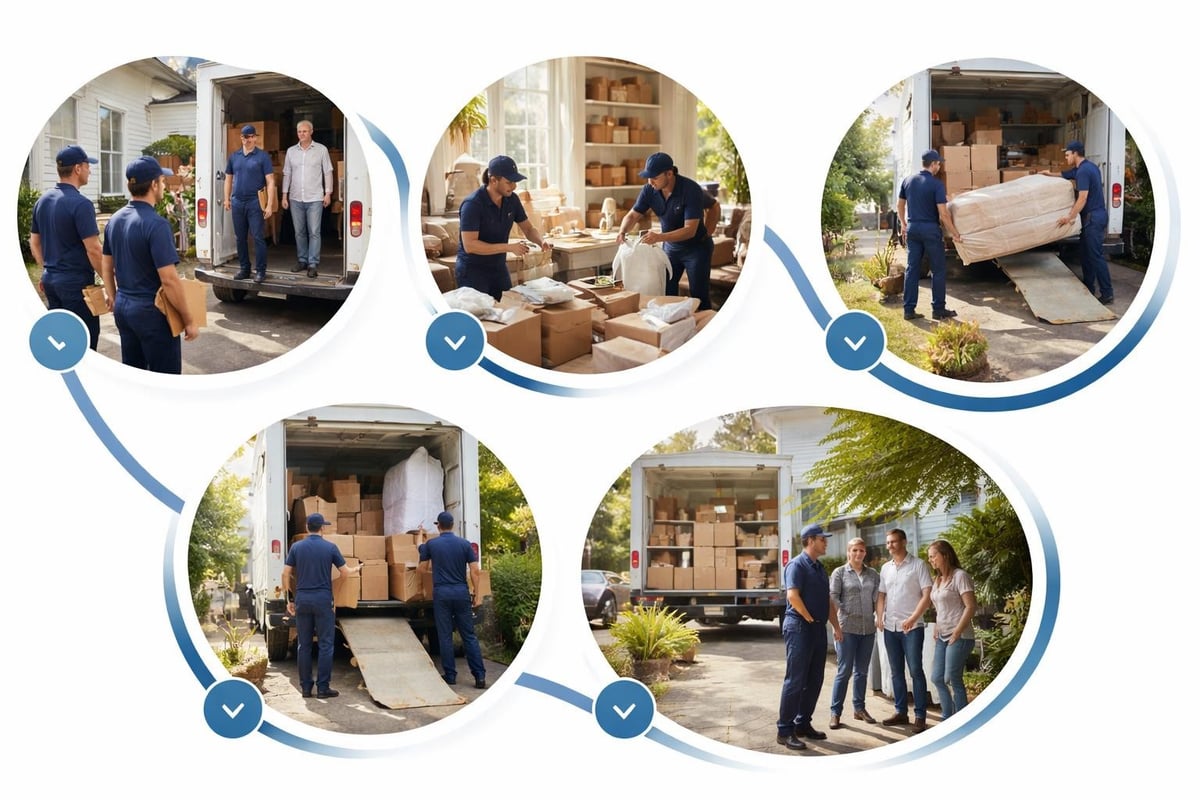
Professional movers typically arrive within a scheduled window, usually spanning 2-3 hours to accommodate traffic and previous job completion times. The crew supervisor conducts a walk-through, confirming the inventory and identifying any items requiring special handling.
During the initial walk-through:
- Review the inventory list and note item conditions
- Point out valuables, fragile items, and disassembly requirements
- Confirm access points and parking arrangements
- Discuss any last-minute questions or concerns
This inventory process protects both you and the moving company by documenting the condition of items before loading. Take photos of valuable furniture and electronics as additional documentation.
Loading and Departure
Experienced crews load systematically, placing heavier items first and distributing weight evenly throughout the truck. Furniture receives protective wrapping, and boxes are stacked strategically to prevent shifting during transport.
The loading process for a typical 3-bedroom home takes 3-6 hours depending on volume, access difficulty, and crew size. Before the truck departs, you'll sign a bill of lading confirming the loaded inventory. Keep this document safe as you'll need it at delivery.
Transit and Delivery Considerations
Once your belongings leave the origin location, understanding the transit process helps set realistic expectations for when and how delivery occurs.
Transit Times by Distance
| Distance Range | Typical Transit Time | Factors Affecting Schedule |
|---|---|---|
| 500-1,000 miles | 3-5 business days | Weather, route, consolidation |
| 1,000-2,000 miles | 5-8 business days | Multiple stops, regulations |
| 2,000-3,000 miles | 7-12 business days | Coast-to-coast scheduling |
| 3,000+ miles | 10-14 business days | Maximum distance routes |
These timeframes represent business days, and most companies provide delivery windows rather than specific dates. Dedicated truck service, where your belongings don't share space with other shipments, typically delivers faster but costs 30-50% more than consolidated shipping.
Communication During Transit
Quality moving companies provide tracking updates and maintain regular communication throughout the journey. You should receive contact information for your driver and coordinator, allowing you to check on progress and confirm delivery details.
Expect a 24-48 hour advance notice call confirming your delivery window. This call allows you to arrange time off work, coordinate access to your new home, and prepare for the truck's arrival. Some companies now offer GPS tracking through mobile apps, providing real-time location updates as your belongings cross the country.
Storage Solutions for Flexible Moves
Sometimes your move-out date doesn't align with your move-in date, requiring temporary storage for your belongings. Many moving companies across country offer integrated storage solutions to bridge these timing gaps.
Short-Term vs. Long-Term Storage
Short-term storage(under 30 days) suits most cross-country relocations where closing dates don't align perfectly or you need extra time to prepare your new home. Costs typically range from $200 to $500 monthly for a standard household, with prorated rates for partial months.
Long-term storagebecomes necessary when selling your current home before purchasing a new one or when relocating ahead of family members. Monthly rates decrease with longer commitments, and climate-controlled facilities protect sensitive items from temperature extremes during extended storage periods.
Professionalmoving and storage servicesstreamline the process by keeping your belongings on the same truck, eliminating extra loading and unloading that increases handling and potential damage. Items remain in the company's secure warehouse facility until you're ready for final delivery.
Storage Preparation Tips
Properly preparing items for storage prevents damage during extended periods in warehouses:
- Clean all items thoroughly before storage to prevent mold and pests
- Disassemble large furniture to maximize space and prevent stress on joints
- Use climate-controlled facilities for electronics, photos, and wood furniture
- Place moisture-absorbing packets in boxes containing fabric or leather
- Create a detailed inventory with box numbers for easy retrieval
Storage insurance typically costs 1-2% of the declared value monthly and provides essential protection for belongings held over extended periods. Review coverage limits carefully and consider supplemental insurance for high-value items.
Questions to Ask Before Hiring
Thorough vetting of potential movers prevents problems and ensures you select a company capable of handling your specific needs. Prepare these questions for every company you interview:
Logistics and Operations
How long have you been operating as a licensed interstate mover?Experience matters significantly in cross-country relocations. Companies with 10+ years of operation have established processes, trained staff, and financial stability.
What is your claims rate and how do you handle damage?Reputable movers openly discuss their damage rates and claims process. Ask about average claim resolution times and whether they handle repairs directly or through third parties.
Do you use subcontractors or your own employees?Some companies subcontract portions of moves, particularly loading and unloading. Understand the full chain of custody for your belongings and who assumes liability at each stage.
Pricing and Contract Terms
Is this estimate binding, non-binding, or binding-not-to-exceed?Binding estimates lock in your price regardless of actual weight. Non-binding estimates may increase if your shipment weighs more than estimated. Binding-not-to-exceed estimates provide a ceiling price that decreases if your shipment weighs less than estimated.
What services are included in the base price?Clarify exactly what's covered: basic loading and unloading, standard packing materials for padding, basic liability coverage, and normal access. Understand which services cost extra.
What is your cancellation policy and deposit refund terms?Life circumstances change, and you need flexibility. Understand cancellation deadlines and whether deposits are refundable if you need to postpone or cancel.
Service Delivery Details
Review the company's approach to common challenges. How do they handle delivery windows? What happens if the truck breaks down during transit? Who coordinates logistics at both ends of the move? These operational details reveal organizational competency and customer service priorities.
For specific scenarios likemilitary relocations, ask about experience with PCS moves, weight allowance calculations, and coordination with military transportation offices.
Common Mistakes to Avoid
Even well-planned moves encounter problems when households overlook critical details or make poor decisions during the selection and preparation process.
Underestimating Time Requirements
The most common error is underestimating how long packing takes. A typical household requires 30-50 hours of packing labor, significantly more than most people anticipate. Starting too late creates rushed packing, inadequate labeling, and increased stress.
Other timing mistakes include:
- Booking movers too close to your move date during peak season
- Failing to schedule time off work for both pickup and delivery
- Not allowing buffer time for delays or unexpected complications
- Underestimating how long unpacking and settling takes at the destination
Building extra time into every phase of your move provides cushion for inevitable surprises and reduces pressure during an already stressful transition.
Inadequate Research and Preparation
Choosing a moving company across country based solely on price often leads to regret. The lowest estimate frequently comes from companies planning to add fees later or providing substandard service.
Avoid these research shortcuts:
- Accepting estimates without verifying licensing and insurance
- Failing to read online reviews across multiple platforms
- Not checking FMCSA safety ratings and complaint records
- Skipping the contract review or not understanding terms
- Neglecting to ask about the company's service areas and operational experience
Taking time for thorough research prevents costly mistakes and identifies truly professional companies committed to customer satisfaction and operational excellence.
Insufficient Insurance Coverage
Many households discover too late that basic carrier liability provides minimal protection. At $0.60 per pound, a 50-pound television receives only $30 in compensation regardless of replacement cost.
Full-value protection costs more but provides actual replacement value or repair costs. For cross-country moves where belongings face extended handling and transport, this additional protection typically costs $200-$500 but can save thousands if damage occurs. Review your homeowner's or renter's insurance policy as well; some provide limited coverage for items in transit.
Settling Into Your New Location
The work doesn't end when the moving truck departs. Efficient unpacking and smart settling strategies help you establish your new home quickly and reduce the disruption period.
Systematic Unpacking Approach
Start with essentials:Set up bedrooms, bathrooms, and kitchens first to establish basic functionality. Having beds ready, toiletries accessible, and the ability to prepare simple meals makes everything else manageable.
Unpack room by room rather than randomly opening boxes throughout the house. This focused approach prevents the overwhelming feeling of boxes everywhere and creates completed spaces that feel like home.
Priority unpacking order:
- Bedrooms and bathroom essentials
- Kitchen basics for meal preparation
- Home office or work area setup
- Living areas and family spaces
- Decorative items and non-essentials
Give yourself permission to live with boxes for a few weeks. Unpacking marathons lead to burnout and poor organization. Steady, consistent progress works better than trying to complete everything in the first week.
Community Integration
Beyond the physical unpacking, settling in means establishing routines and connections in your new location. Register vehicles and update driver's licenses within your state's required timeframe, typically 30-90 days. Update voter registration and find new service providers: doctors, dentists, veterinarians, and other essential professionals.
Explore your new neighborhood systematically. Locate grocery stores, pharmacies, hospitals, and other frequently needed services. Many cross-country movers find that maintaining familiar routines while gradually incorporating new local favorites eases the transition. Whether you've relocated to bustling cities or quieter suburban areas acrossall 50 states, giving yourself time to adjust to the new environment reduces relocation stress.
Successfully navigating a cross-country relocation requires careful planning, thorough research, and partnership with experienced professionals who understand the unique demands of interstate moves. From understanding cost factors and verifying credentials to preparing your belongings and settling into your new community, each phase plays a crucial role in achieving a smooth transition. At US Prime Movers, we specialize in taking the stress out of long-distance relocations with transparent pricing, experienced crews, and comprehensive service options tailored to your specific needs. Ready to start planning your cross-country move? ContactUS Prime Moverstoday for a free, no-obligation quote and experience the difference that professional, family-owned moving service makes.