
Are you planning a big move in 2026? The process can feel overwhelming, but with the right move for you strategy, your relocation can be an exciting new chapter instead of a source of stress.
This comprehensive guide is designed to walk you through every step, ensuring your move is smooth, efficient, and free of surprises.
Discover how to plan ahead, select the best moving services, pack with confidence, manage moving day, and settle into your new home with ease. Let’s make your transition seamless and worry-free with expert advice and actionable tips you can trust.
Step 1: Laying the Groundwork for a Smooth Move
Starting your move for you journey well in advance sets the stage for a seamless relocation. By following a systematic approach, you can minimize surprises, control costs, and ease the transition into your new home. Here’s how to lay a strong foundation for your 2026 move.
Early Planning and Timeline Creation
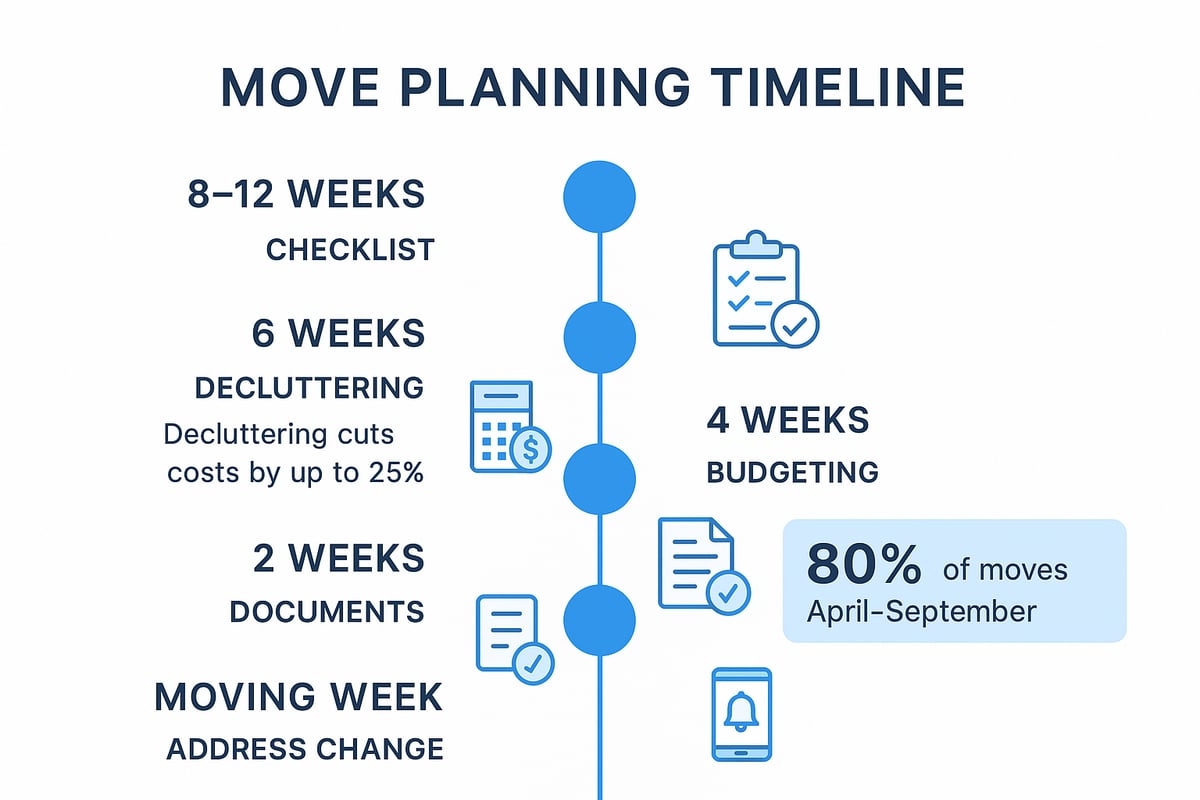
Begin your move for you preparations 8 to 12 weeks before moving day. Early planning gives you ample time to research, make decisions, and avoid last-minute stress. Create a moving checklist and timeline to map out each key task, from booking movers to packing non-essentials.
Set a realistic moving budget, factoring in not only the obvious expenses but also hidden costs like supplies or access fees. Research peak and off-peak moving seasons—did you know 80% of moves happen between April and September? Moving outside of this window can save you money and increase mover availability.
Notify your landlord, schools, and utility providers as soon as possible. For example, giving early notice to your landlord can help you recover your security deposit and prevent extra rent charges. Use digital tools and apps to keep your tasks organized and deadlines clear.
Decluttering and Inventory Management
A successful move for you starts with decluttering. Sort your belongings room by room, deciding what to keep, donate, sell, or discard. Hosting a yard sale or using online marketplaces can turn unwanted items into extra cash.
Create a detailed inventory of your possessions. This not only helps with insurance and moving quotes but also ensures nothing gets lost in transit. Digitize important paperwork and records for easy access.
Reducing the volume of your move can cut costs by up to 25%. If you have specialty items like pianos or antiques, prepare them early to avoid last-minute complications.
Budgeting and Cost-Saving Strategies
To make move for you affordable, compare quotes from multiple providers. Understand the difference between binding and non-binding estimates so you know exactly what to expect on your final bill.
Account for expenses such as packing materials, insurance, and storage. Identify potential cost overruns like fuel surcharges or fees for stairs. Take advantage of discounts for military members, seniors, or those moving during off-peak times.
A detailed budget can prevent unexpected expenses. Consider tracking your spending with spreadsheets or budgeting apps. For additional flexibility, exploreMoving and Storage Solutionsto handle short-term storage needs if your new home isn’t ready.
Gathering Essential Documents and Records
Organizing documents is a critical step in any move for you plan. Gather IDs, passports, and moving contracts in one secure location. Arrange for the transfer of school, medical, and veterinary records well in advance.
Keep your lease agreements, mortgage paperwork, and insurance documents easily accessible. Having both digital and hard copies on hand on moving day can prevent delays. Many movers find that creating a “moving binder” keeps everything organized and accessible when it matters most.
Notifying Key Contacts and Address Changes
Complete the move for you process by notifying all key contacts of your relocation. Submit change-of-address forms with USPS and banks to avoid missing important mail. Update your driver’s license, voter registration, and insurance information promptly.
Let friends, family, and employers know about your new address. Schedule utility shut-off at your old home and activation at your new one to prevent service interruptions. Using online address change services can streamline this step and give you peace of mind.
Step 2: Choosing the Right Moving Services for Your Needs
Selecting the right moving partner can make or break your relocation experience. The move for you process involves more than just loading boxes—it is about matching services to your needs, timeline, and budget. This section guides you through evaluating options, researching companies, comparing contracts, understanding insurance, and exploring specialized solutions.
Evaluating Moving Service Options
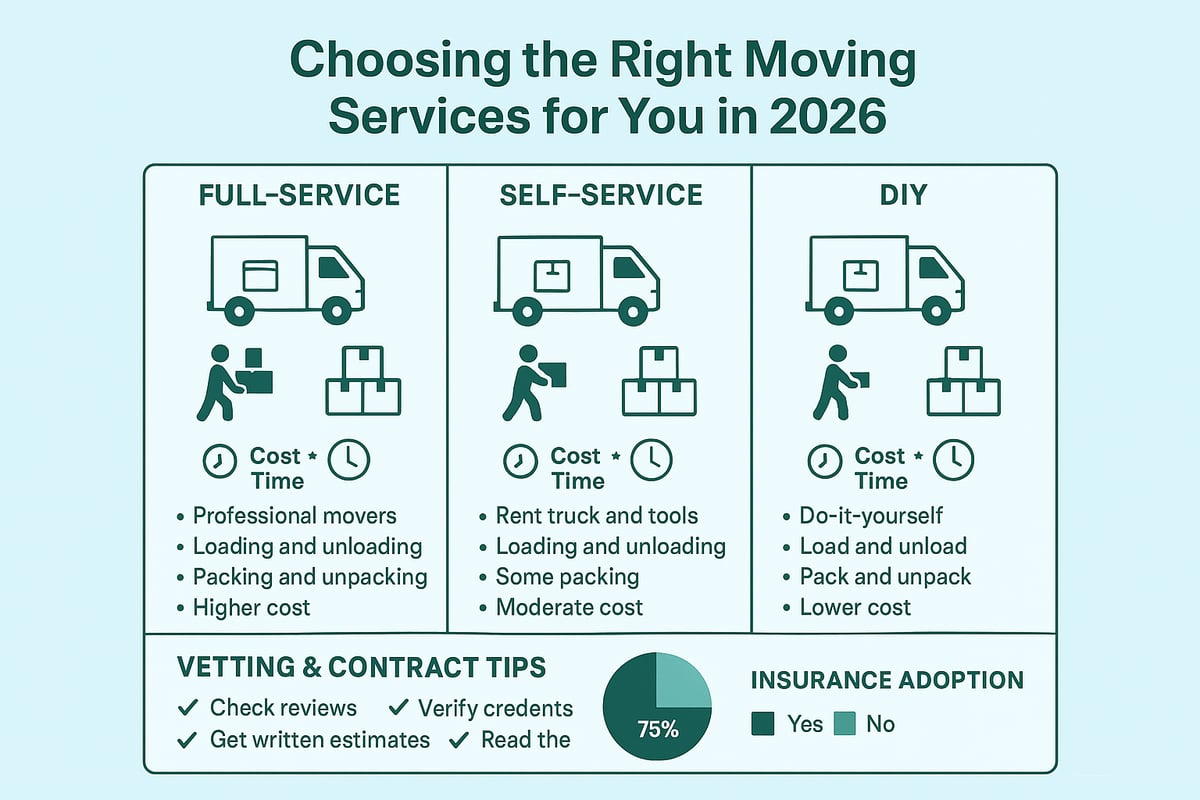
When deciding which move for you solution fits best, start by comparing the core service types: full-service, self-service, and DIY. Full-service movers handle everything, from packing to transport and unpacking, while self-service options let you pack but provide transport. DIY moves mean you handle all aspects yourself.
| Service Type | Cost | Time Required | Effort Level | Best For |
|---|---|---|---|---|
| Full-Service | Highest | Least | Minimal | Busy families, long moves |
| Self-Service | Moderate | Moderate | Moderate | Budget-minded, flexible |
| DIY | Lowest | Most | Highest | Small/local moves, limited budget |
Studies show full-service moves can cost 30 to 50 percent more but save significant time and stress. For cross-country relocations, considerLong-Distance Moving Servicesto ensure the move for you covers every mile with expertise. Choose specialty movers for items like antiques or for military moves, and always align service level with your move’s complexity.
Researching and Vetting Moving Companies
The next stage in the move for you journey is vetting potential movers. Check for valid licenses and FMCSA registration, especially for interstate moves. Read reviews on trusted platforms to gauge customer satisfaction, and always ask if the company uses regular employees or day laborers.
Red flags to watch for:
- Requests for large upfront deposits
- Vague or incomplete contracts
- Lack of transparency about insurance or pricing
A move for you should be handled by experienced professionals. For example, one family avoided a costly mishap by choosing a mover with a strong record in long-distance relocations. Always verify experience with specialty or long-haul moves before signing.
Comparing Quotes and Understanding Contracts
Obtaining multiple quotes ensures the move for you is competitively priced. Request in-home or virtual estimates for accuracy and insist on itemized breakdowns. Understand the difference between binding (fixed price) and non-binding (subject to change) estimates.
Review the contract carefully. Look for:
- Included services (labor, truck, packing)
- Insurance coverage
- Cancellation and liability policies
Did you know that 1 in 4 moving disputes involves unclear contracts? Scrutinize every line to avoid hidden fees. A well-documented move for you prevents unexpected charges and provides peace of mind throughout the process.
Insurance and Protection for Your Move
Protecting your belongings is essential in any move for you scenario. Understand the two main types of moving insurance: released value (basic, minimal coverage) and full-value protection (comprehensive, higher cost). High-value or fragile items may require extra coverage or third-party insurance.
Document your inventory with photos and detailed lists. This proactive step streamlines claims if needed. Surprisingly, only 40 percent of movers opt for full-value protection, yet those who do report fewer losses. Thorough preparation ensures your move for you is safeguarded from start to finish.
Specialized Moving Solutions (Military, Seniors, Commercial)
Some relocations call for tailored move for you solutions. Military families can leverage PCS and PPM programs with specialized support resources. Seniors may benefit from downsizing experts who provide accessibility and emotional support. Commercial moves require planners skilled in minimizing downtime and handling IT equipment.
Military moves account for 15 percent of all U.S. relocations annually. Choosing a move for you provider with direct experience in your situation ensures smoother transitions. A military family, for example, used relocation tools for a successful PCS, demonstrating the value of specialized expertise.
Step 3: Packing Like a Pro—Strategies for Safe and Efficient Packing
Packing is a critical phase of any move for you. With the right approach, you can safeguard your belongings, save time, and reduce stress. This step breaks down proven strategies, making your move for you organized and hassle-free from start to finish.
Packing Supplies and Tools Checklist
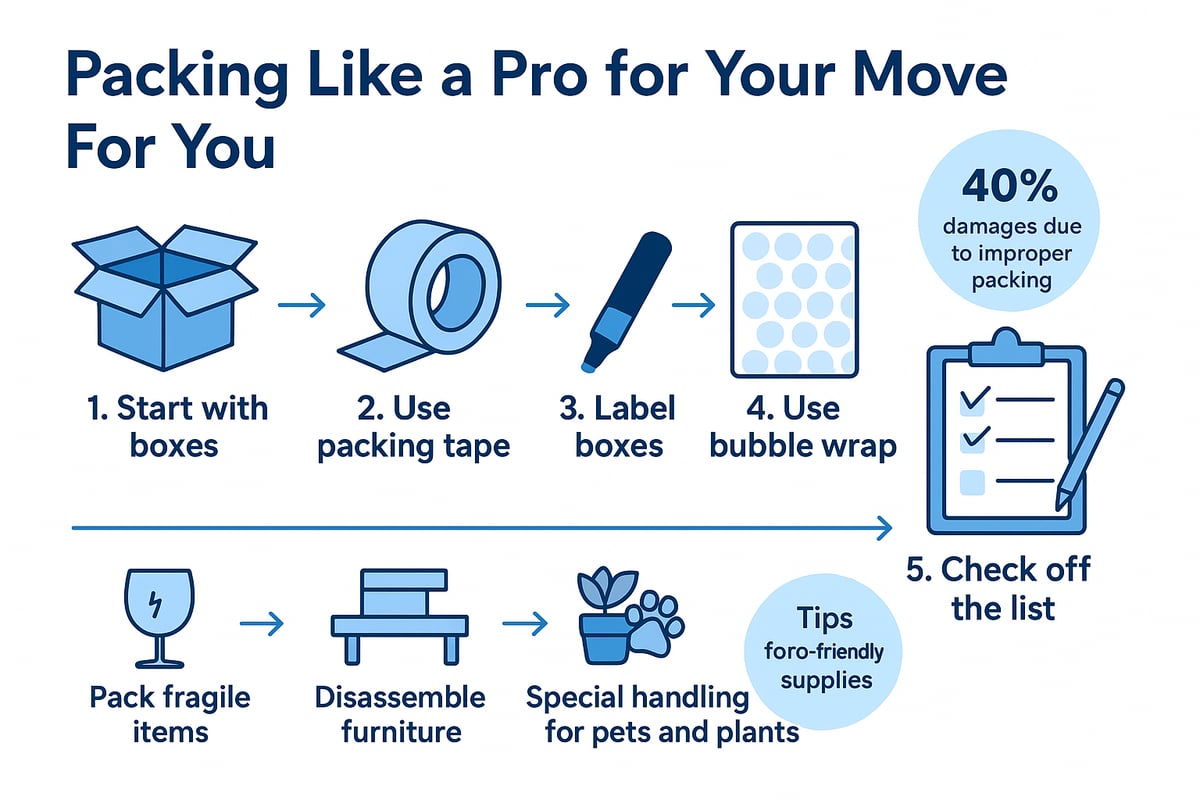
A successful move for you starts with gathering the right supplies. Stock up on sturdy boxes in multiple sizes, high-quality packing tape, bubble wrap, packing paper, and permanent markers. Specialty containers for wardrobes, dishes, or electronics offer extra protection.
Consider eco-friendly options like reusable bins or biodegradable packing peanuts. Many local stores or online groups offer free or discounted boxes, helping you save money. For a typical 3-bedroom home, expect to use 60 to 100 boxes.
| Supply | Use Case |
|---|---|
| Small Boxes | Books, dishes |
| Medium Boxes | Clothes, decor |
| Large Boxes | Linens, pillows |
| Bubble Wrap | Fragile items |
| Markers/Labels | Organization |
Choosing the right packing materials is the first step to a smooth move for you.
Systematic Room-by-Room Packing Plan
A room-by-room approach is essential for an efficient move for you. Start with non-essentials like off-season clothes or decorative items. Label each box clearly with the room and a brief description of contents. Color coding or numbering systems help you and your movers identify boxes quickly.
Pack fragile items with extra padding and mark boxes as "fragile." Create a "first night" essentials box containing toiletries, chargers, bedding, and snacks for immediate comfort in your new home.
Tackling one room at a time keeps the process manageable and ensures nothing is overlooked in your move for you.
Packing Fragile and High-Value Items
Protecting delicate or valuable belongings is a priority in any move for you. For artwork, antiques, or electronics, use custom crating or their original packaging when possible. Double-boxing and cushioning with bubble wrap or foam peanuts add an extra layer of defense.
Document your valuables with photos and detailed inventory lists for insurance purposes. Professional packing methods can prevent up to 70% of moving damages related to improper packing.
Taking the time to secure these items ensures peace of mind and a safer move for you.
Disassembly and Preparation of Large Items
Large furniture and appliances require special attention during a move for you. Disassemble beds, tables, and shelving units in advance. Place all screws, bolts, and hardware in labeled bags and tape them securely to the corresponding furniture pieces.
Wrap furniture in moving blankets or shrink wrap to prevent scratches. For appliances, remember to defrost refrigerators, disconnect water lines, and secure cords.
Following manufacturer instructions and labeling hardware will make reassembly faster and smoother, adding efficiency to your move for you.
Packing for Special Circumstances (Pets, Plants, Hazardous Materials)
A move for you often includes unique challenges. Prepare pets with sturdy carriers, favorite toys, and updated vet records. For houseplants, check state regulations, use ventilated boxes, and water them lightly before moving.
Never pack hazardous materials like flammables, cleaning chemicals, or perishable foods. Review the prohibited items list from your moving company to avoid issues.
Addressing these special circumstances ensures a safe, compliant, and smooth move for you.
When to Hire Professional Packers
Sometimes, the best move for you is to bring in expert help. Professional packers are invaluable for large moves, specialty items, or when time is limited. They use proven techniques to reduce damages by up to 50 percent and streamline the entire process.
If you want to learn more about the benefits and process, explore theseProfessional Packing Tipsfor guidance tailored to your needs.
Investing in professional packing services can eliminate stress and guarantee the most secure move for you.
Step 4: Managing Moving Day—Coordination and Execution
Moving day is the culmination of weeks of planning and hard work. To ensure your move for you is seamless, you need a strategy that covers preparation, supervision, communication, and adaptability. This section delivers actionable steps for executing your relocation with confidence, so you can focus on a successful start in your new home.
Final Preparations Before the Movers Arrive
Begin your move for you with meticulous final preparations. The night before, confirm arrival times with your moving company and ensure you have the correct contact information for the crew leader. Reserve building elevators or parking spaces in advance to avoid access issues.
Prepare all required paperwork, including contracts, payment methods, and tip envelopes. Keep utility activation for your new residence scheduled and double-check that essential services will be ready upon arrival.
Create a “do not pack” zone for items you’ll need immediately, such as important documents, chargers, and personal essentials. By staying organized, you prevent last-minute confusion and guarantee a smoother start to your moving day.
Supervising the Loading Process
Active supervision is vital for a successful move for you. Meet the movers as they arrive and review the inventory checklist together. Walk through your home to point out fragile boxes and items requiring extra care.
Monitor the disassembly and wrapping of large furniture, ensuring movers use protective blankets and label hardware bags clearly. Stay available to answer questions and resolve uncertainties on the spot.
Take photos of valuable items and the loaded truck for your records. This step not only helps prevent lost items but also streamlines the claims process if any issues arise later. Diligent oversight ensures your belongings are handled properly from start to finish.
Communication and Problem-Solving on Moving Day
Clear, proactive communication is essential for a move for you that stays on track. Maintain open lines with your moving team, providing updates on timing, building access, or special instructions as needed.
Anticipate unexpected issues, such as weather changes or parking restrictions, and address them quickly. Document any damages or incidents with photos and written notes to ensure a smooth resolution.
Know who to contact at the moving company in case of urgent questions or concerns. Staying calm and flexible will help you navigate challenges, keeping your relocation efficient and stress-free.
Safety Precautions and Moving Day Essentials
Prioritizing safety transforms your move for you into a secure, injury-free experience. Keep hallways and entryways clear of clutter to prevent trips and falls. If you have children or pets, designate a safe, supervised area away from the moving activity.
Prepare a kit with snacks, water, and a first-aid box for everyone involved. Dress in comfortable clothing and slip-resistant shoes to minimize risks. Have your phone fully charged for quick access to contacts or emergency services.
By following these safety measures, you protect your family and movers, ensuring a smooth and accident-free moving day. Remember, preparedness is your best defense against common moving injuries.
Unloading and Initial Setup at the New Home
When you reach your new residence, efficient unloading is key to a stress-free move for you. Direct movers on where to place each box by room, using your labeling system for quick identification.
As items come off the truck, check them off your inventory list to ensure everything arrives intact. Inspect large furniture and appliances for damage before signing off on delivery.
Prioritize assembling essential furniture first, such as beds and tables, to make your first night comfortable. If you notice any damages, report them to the moving company immediately to begin the claims process promptly.
Handling Last-Minute Challenges and Delays
Despite careful planning, unexpected delays can occur during your move for you. Trucks may arrive late, or items may be temporarily misplaced. Always have a backup plan, such as temporary storage or a hotel booking, to manage these situations calmly.
Keep your essentials box easily accessible in case you need to wait before fully settling in. Maintain contact with your moving company’s support line for updates and solutions. According toMoving Statistics 2025, 12% of moves experience unexpected delays, highlighting the importance of flexibility.
By preparing for the unexpected, you can handle any last-minute issues with resilience and keep your move for you on track to success.
Step 5: Settling In—Unpacking, Organizing, and Adjusting
Moving day is over, but the journey is not quite finished. Now comes the crucial phase of settling into your new home. The move for you does not end at the doorstep; unpacking, organizing, and adjusting are key to making your new space feel like home. With a thoughtful approach, you can transform this transition into a rewarding experience.
Unpacking with a Plan
Start your move for you by tackling the most essential rooms first. Focus on the kitchen, bedrooms, and bathrooms so you can eat, sleep, and refresh comfortably from day one. Use your inventory checklist to confirm all items arrived safely.
Break down boxes as you go and recycle packing materials to keep spaces clutter-free. An essentials box with toiletries, chargers, and basic cookware will make your first night easier. Aim to set small daily goals, such as unpacking one room at a time, to prevent feeling overwhelmed. This structured approach keeps your move for you organized and manageable.
Organizing Your New Space Efficiently
A well-organized move for you starts with arranging furniture for optimal flow and function. Place heavy pieces first, then add smaller items and decor. Install shelving, hooks, and storage bins to maximize every inch of your space.
Consider creating a functional entryway for easy access to daily essentials. Use closet organizers and drawer dividers to keep belongings tidy. Organizational apps or simple lists can help you track progress and maintain order. Remember, an organized move for you not only saves time but also reduces daily stress, helping you settle in faster.
Addressing Utilities, Services, and Local Registration
Efficiently handling utilities and registrations is vital for a smooth move for you. Set up internet, cable, and home security as soon as possible so your new residence is fully functional. Schedule appointments in advance to avoid service gaps.
Update your driver’s license, vehicle registration, and voter records to match your new address. Locate local healthcare providers and schools if needed. Pre-scheduling these tasks ensures a seamless transition and helps your move for you proceed without unnecessary hiccups. Joining neighborhood associations or online groups is a great way to stay informed about local services.
Getting to Know Your New Community
Building a support network is essential for a successful move for you. Take time to explore local amenities like parks, shops, and restaurants. Introduce yourself to neighbors and attend community events or meetups to foster new relationships.
Research local regulations and resources to understand your new environment better. According to the2025 National Movers Study, social integration significantly improves relocation satisfaction. By connecting with your community, the move for you becomes more enjoyable and fulfilling.
Coping with Moving Stress and Emotional Adjustment
Adjusting emotionally is a critical aspect of the move for you. Recognize that relocation can bring anxiety or homesickness, especially for children and pets. Establish new routines and traditions to create a sense of normalcy.
Support each other through open communication and shared activities. If needed, seek professional help or join local clubs to meet new friends. Maintaining a positive outlook and staying proactive will help everyone adapt smoothly, turning the move for you into a positive new chapter.
Step 6: Post-Move Essentials—Final Tasks and Long-Term Success
Completing your move for you does not end once the boxes are inside. The post-move period is crucial for ensuring your transition is truly successful. By addressing these final tasks, you protect your investment, avoid lingering issues, and set the stage for long-term satisfaction in your new home.
Conducting a Final Walkthrough and Inspection
The first step after completing a move for you is a thorough walkthrough of both your old and new homes. Check for damages, overlooked items, and ensure that all belongings have arrived safely. Use a detailed checklist to document the condition of the property.
- Inspect every room, closet, and storage area.
- Take photos of any damages for your records.
- Return keys and settle outstanding bills with your landlord or property manager.
A careful inspection can help recover your security deposit and prevent disputes. Many moving experts recommend creating a personalized move for you checklist to ensure nothing is missed during this crucial phase.
Filing Claims and Providing Feedback
If you discover any damaged or missing items after your move for you, act quickly to file a claim with your moving company. Most providers require detailed documentation and timely submission, so gather photos, inventory lists, and receipts.
- Check the mover’s required deadlines for claims.
- Provide clear, concise descriptions and supporting evidence.
- Keep copies of all communication for your files.
Sharing your experience through honest feedback not only helps future customers but also holds moving companies accountable. According toRelocation & Moving Statistics, movers with high ratings experience 35% fewer claims, so your review makes a measurable difference.
Updating Records and Subscriptions
After a move for you, update your address with all relevant institutions to avoid missed mail or service interruptions. This includes banks, insurance providers, government agencies, and subscription services.
- Complete a change-of-address with USPS.
- Notify your employer, schools, and healthcare providers.
- Update delivery services, memberships, and loyalty programs.
Using online tools can streamline this process. By keeping your records current, you ensure a smooth transition and continued access to essential services in your new location.
Long-Term Home Maintenance After Moving
Establishing a routine for home maintenance after a move for you helps prevent costly repairs and keeps your property in top shape. Start by scheduling inspections and setting reminders for regular tasks.
| Maintenance Task | Frequency |
|---|---|
| HVAC filter replacement | 3 months |
| Smoke detector test | 6 months |
| Plumbing inspection | Annually |
| Gutter cleaning | Biannually |
| Appliance checks | Annually |
Create a home binder to store warranties, manuals, and service records. Whether you are a renter or homeowner, proactive care after a move for you leads to fewer surprises down the road.
Building a Sense of Belonging and Routine
Settling into your new community is just as important as unpacking. For a move for you to feel complete, take steps to create routines and personalize your space.
- Arrange furniture and decor to reflect your style.
- Get involved in local clubs, events, or volunteer opportunities.
- Introduce yourself to neighbors and build new connections.
Research shows that home personalization increases satisfaction by 30 percent. Establishing daily habits and engaging locally will help your move for you become a true fresh start.
Learning from Your Move for Future Relocations
Every move for you is a learning opportunity. Reflect on what worked well and what you would change next time. Save your checklists, contacts, and notes for future use.
- Keep a digital record of your moving experience.
- Share advice with friends and family planning a move for you.
- Review 2025 Migration Patterns to stay informed about relocation trends and destinations.
By capturing lessons learned, you make every future move for you smoother and more successful.
Step 7: Expert Resources and Tools for a Stress-Free Move
Choosing the right resources and expert tools can make the entire move for you process smooth and manageable. With technology and professional guidance, you can minimize stress and ensure every step is organized. Let’s explore the best strategies and solutions to support your relocation journey.
Digital Tools and Moving Apps for 2026
Embracing digital tools is a game-changer for any move for you scenario. Top-rated moving checklist apps like MoveAdvisor and Sortly help you plan, track, and organize your inventory with ease. Virtual home layout tools, such as MagicPlan, allow you to visualize furniture placement before you arrive.
Platforms like Move For You Reviews and Unpakt let you compare quotes, track box locations, and manage schedules. In fact, 65% of movers now use digital planning tools to streamline their process. Leveraging these apps ensures you never lose track of tasks or belongings during your move for you journey.
Leveraging Professional Moving Support
For those seeking a seamless move for you experience, professional support can be invaluable. Move coordinators and consultants handle logistics, communication, and troubleshooting, freeing up your time and reducing stress. Their expertise ensures nothing is overlooked, from scheduling to paperwork.
Families often report that moves with professional guidance are 40% more efficient than DIY efforts. If your move for you timeline is tight or the relocation is complex, investing in experienced support brings peace of mind. A move for you expert can anticipate challenges and keep your relocation on track.
Moving Services for Special Circumstances (Military, Seniors, Businesses)
Specialized moves require tailored solutions. Military families benefit from government relocation resources and dedicated move for you services. Seniors often need downsizing support and accessibility planning, while businesses rely on commercial move coordinators for IT and equipment logistics.
If your situation is unique, considerMilitary and Specialized Movesto access expert guidance for complex relocations. These services address the distinct needs of every move for you, reducing complications by up to 25%. Choosing the right specialist ensures your transition is smooth, secure, and stress-free.
US Prime Movers: Your Trusted Relocation Partner
US Prime Movers is a nationwide leader in move for you solutions, offering expertise in long-distance, local, military, and commercial relocations. Their team provides packing, storage, and move coordination, ensuring a stress-free experience every step of the way.
With a 99% on-time delivery rate and 98% customer satisfaction, US Prime Movers stands out for transparent pricing and dedicated support. Licensed and insured, they have earned the trust of thousands of families and businesses. For a move for you that prioritizes reliability, this partner is a top choice.
Checklists, Templates, and Printable Resources
Staying organized is essential for any move for you. Downloadable moving checklists, inventory sheets, and budget planners keep you on track from start to finish. Room-by-room packing guides help you manage the process efficiently, while printable change-of-address checklists ensure you notify all key contacts.
Customize these resources to fit your move for you timeline and needs. Many movers find that breaking tasks into daily goals with checklists leads to a smoother, more predictable experience. Digital and printable resources work hand-in-hand for optimal organization.
Where to Find Reliable Moving Advice and Reviews
When planning a move for you, trustworthy advice is invaluable. Explore review sites like Yelp, BBB, and the FMCSA database to research moving companies. Join online forums and social media groups to gather real-world tips and recommendations from recent movers.
Consulting local real estate agents or relocation specialists can also provide personalized insights. Since 80% of consumers rely on online reviews when choosing movers, thorough research helps you avoid pitfalls and make informed decisions for your move for you.