
Relocating across state lines represents one of life's most significant transitions. Whether you're moving for a new job opportunity, family reasons, or simply seeking a fresh start, long distance moving requires careful planning and strategic execution. Unlike local moves where you can make multiple trips or quickly address forgotten items, interstate relocations demand thorough preparation and professional coordination. Understanding the process, timeline expectations, and cost factors will help you navigate this major life change with confidence and minimal stress.
Understanding Long Distance Moving Logistics
Long distance moving typically refers to any relocation exceeding 100 miles or crossing state lines. The complexity increases substantially compared to local moves due to regulations, longer transit times, and the coordination required across multiple jurisdictions.
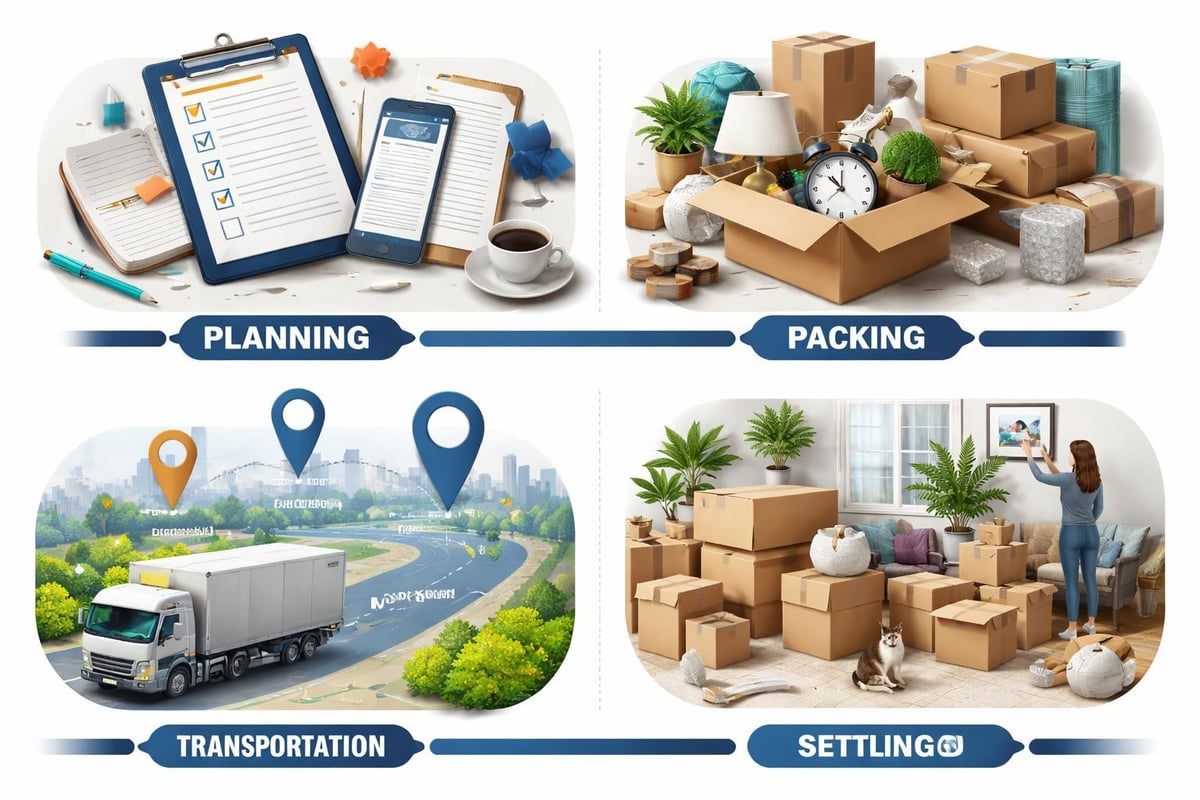
Interstate moves involve several distinct phasesthat each require attention:
- Pre-move planning and inventory assessment (4-8 weeks before moving day)
- Obtaining quotes and selecting a moving company (6-8 weeks out)
- Packing and preparation (2-4 weeks before departure)
- Loading and transportation (1-5 days depending on distance)
- Delivery and unpacking at your destination
The Federal Motor Carrier Safety Administration (FMCSA) regulates interstate moving companies, requiring specific licensing and insurance standards.Allied Van Lines shares expert adviceon managing the complexities of cross-country relocations, emphasizing the importance of working with properly licensed carriers.
Distance and Timeline Considerations
Your moving timeline depends heavily on the distance between your current and future homes. A move from New York to Florida typically takes 2-3 days for transport, while relocating from California to Washington might require 1-2 days. Planning for potential delays due to weather, traffic, or logistical challenges is essential.
Most professional movers recommend beginning your planning process at least two months before your desired moving date. Peak moving season runs from May through September, when demand increases and availability becomes limited. If you're relocating during this window, booking three months in advance ensures better rates and schedule flexibility.
Budgeting for Your Cross-Country Move
Understanding the financial commitment helps you plan appropriately and avoid unexpected expenses. Long distance moving costs vary significantly based on distance, volume, services selected, and timing.
Average Cost Breakdown
| Distance | Studio/1BR | 2-3BR | 4+BR |
|---|---|---|---|
| 500-1,000 miles | $2,000-$3,500 | $3,500-$6,000 | $6,000-$10,000 |
| 1,000-2,000 miles | $3,000-$5,500 | $5,500-$8,500 | $8,500-$14,000 |
| 2,000+ miles | $4,500-$7,500 | $7,500-$12,000 | $12,000-$18,000 |
These estimates include basic loading, transportation, and unloading services. Additional services like packing, specialty item handling, or storage will increase your total cost.Redfin's comprehensive moving tipsoffer valuable insights into budgeting for various moving scenarios.
Cost factors that influence your final quote:
- Weight and volume: Charges are typically calculated by pound or cubic foot
- Distance: Longer routes increase fuel and labor costs
- Accessibility: Stairs, elevators, and parking limitations affect pricing
- Timing: Summer months and month-end dates command premium rates
- Insurance coverage: Full-value protection costs more than basic liability
- Packing services: Professional packing adds $500-$2,000 depending on home size
When evaluatinglong-distance moving services, request detailed written estimates from at least three companies. Legitimate movers will offer in-home or virtual surveys to provide accurate quotes rather than estimates over the phone.
Choosing the Right Moving Company
Selecting a reliable moving partner is perhaps your most critical decision. The difference between a smooth relocation and a nightmare experience often comes down to the company you hire.
Essential Verification Steps
- Confirm USDOT registration: Every interstate mover must have a US Department of Transportation number
- Check FMCSA complaint history: Review the company's safety record and customer complaints
- Verify insurance coverage: Ensure adequate liability and cargo insurance
- Read recent customer reviews: Look for patterns in feedback across multiple platforms
- Request binding estimates: Get guaranteed prices in writing to avoid surprise charges
The moving industry unfortunately attracts fraudulent operators. Warning signs include requests for large cash deposits, lack of physical business address, or refusal to provide written estimates. According toMayflower's expert guidance, working with established moving companies with proven track records significantly reduces risk.
Questions to Ask Potential Movers
Before committing to any company, gather detailed information about their services and policies:
- How many years have you been in business conducting long distance moves?
- What specific insurance options do you offer and what do they cover?
- Will the same crew handle loading and unloading, or do you use third-party contractors?
- What is your claims process if items are damaged or lost?
- Do you offer guaranteed delivery dates or delivery windows?
- What payment methods do you accept and when is payment due?
For families with unique moving needs, specialized services matter. Those with valuable instruments should inquire aboutpiano moving expertise, while military families benefit from companies experienced withPCS relocations.

Packing Strategies for Long Distance Moves
Proper packing becomes even more critical for cross-country moves where your belongings face extended transit time and handling. Items must withstand loading, days of highway travel, and unloading at your destination.
Room-by-Room Packing Timeline
8 weeks before moving day:
- Declutter and sell, donate, or discard items you won't move
- Create a detailed inventory with photos of valuable items
- Begin using up pantry items and freezer contents
6 weeks before:
- Order packing supplies (boxes, tape, bubble wrap, markers)
- Pack seasonal items, decorations, and rarely used belongings
- Start packing one room at a time, beginning with guest rooms and storage areas
4 weeks before:
- Pack books, artwork, and non-essential items
- Arrange for specialty packing if needed for fragile items
- Label boxes clearly with contents and destination room
2 weeks before:
- Pack most of your home, leaving only daily essentials
- Prepare an "essentials box" for your first night in your new home
- Confirm moving day details with your moving company
Professional packing services eliminate much of this stress and typically ensure better protection for your belongings.U-Pack offers practical advicefor both DIY and professional packing approaches, helping you decide which option suits your situation.
Specialty Items Requiring Extra Care
| Item Category | Packing Considerations | Recommended Approach |
|---|---|---|
| Electronics | Original boxes ideal; anti-static protection | Professional packing or manufacturer boxes |
| Artwork/Mirrors | Custom crating for valuable pieces | Specialty crating service |
| Furniture | Disassembly may be required; protect corners | Moving blankets and professional handling |
| Plants | Many states prohibit plant transport | Research destination state regulations |
| Liquids/Chemicals | Cannot be transported by moving company | Use or dispose before moving day |
For valuable or irreplaceable items, consider transporting them personally rather than loading them on the moving truck. Important documents, jewelry, medications, and sentimental items should travel with you.
Managing Moving Day Logistics
The actual moving day requires coordination and clear communication. Preparation reduces stress and helps everything proceed smoothly.
Morning of Your Move
Before the movers arrive:
- Complete a final walkthrough of your home
- Confirm all boxes are sealed and labeled
- Separate items not going on the truck (personal transport, disposal, etc.)
- Clear pathways and ensure parking is available for the moving truck
- Have your paperwork ready, including the bill of lading and inventory list
When the moving crew arrives, designate one person as the primary contact point. This person should be available to answer questions, approve the inventory list, and address any concerns. The crew will typically do a walkthrough, review the inventory, and explain the process before beginning to load.
During the loading process, the foreman will create a detailed inventory of your belongings. Each item receives a numbered tag corresponding to the inventory sheet. Review this document carefully before signing, as it becomes the official record of what was loaded and its condition.
Understanding Your Moving Contract
Your bill of lading serves as the contract between you and the moving company. This document includes critical information about your move, including pickup and delivery dates, charges, and the carrier's liability.North American Van Lines provides strategiesfor understanding moving contracts and protecting your interests.
Key contract elements to verify:
- Pickup and delivery date ranges
- Total charges and payment terms
- Insurance coverage selected
- Contact information for the driver and company
- Claims procedures and deadlines
Keep copies of all moving-related documents throughout your relocation. You'll need these if filing claims or resolving disputes.
Settling Into Your New Home
The work doesn't end when the moving truck pulls away. Efficiently unpacking and establishing your new home helps you transition smoothly to your new community.
First Week Priorities
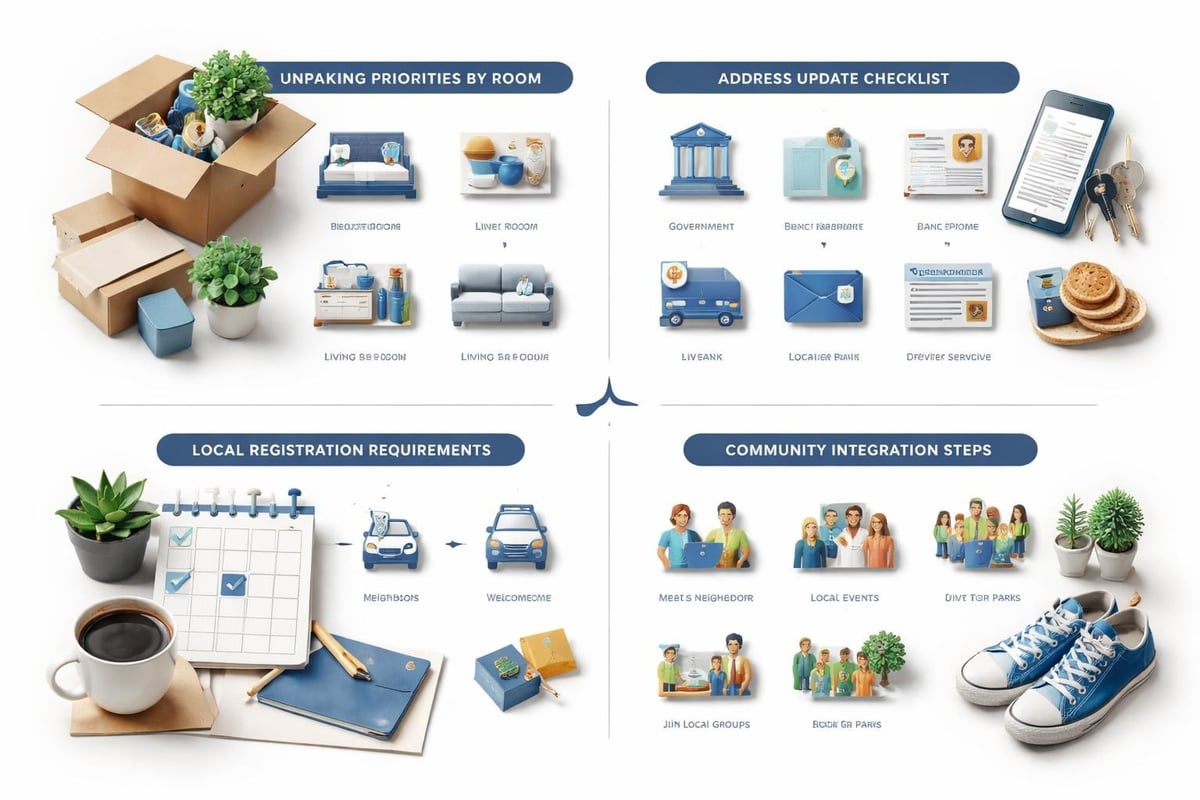
- Unpack essentials immediately: Set up beds, locate toiletries, and establish basic kitchen functionality
- Update your address: Notify the post office, banks, insurance companies, and government agencies
- Register vehicles and update driver's licenses: Most states require this within 30-90 days
- Set up utilities: Confirm electricity, water, gas, internet, and other services are active
- Locate emergency services: Identify nearby hospitals, urgent care, pharmacies, and veterinarians
- Explore your neighborhood: Find grocery stores, restaurants, and essential services
If your moving company offered storage services and your belongings arrive before you're ready,combined moving and storage solutionsprovide flexibility during your transition.
Unpacking Strategy
Rather than randomly opening boxes, approach unpacking systematically:
Day 1-2: Bedrooms and bathrooms (establish sleeping and hygiene routines)Day 3-5: Kitchen (set up meal preparation capabilities)Week 2: Living areas and home office (create functional living spaces)Week 3-4: Remaining boxes, garage, and storage areas
Don't feel pressured to complete everything immediately. Living with boxes for a few weeks while you gradually organize creates less stress than forcing yourself to unpack everything in three days.
Avoiding Common Moving Mistakes
Learning from others' experiences helps you sidestep predictable problems. These frequent mistakes cost time, money, and peace of mind.
Underestimating the timeline: Many people assume they can pack a multi-bedroom home in a weekend. Realistically, thorough packing takes several weeks. Starting early reduces last-minute panic.
Choosing movers based solely on price: The lowest bid often comes from companies with hidden fees, poor service, or questionable practices.Armstrong Relocation emphasizesthe importance of value over simply seeking the cheapest option.
Forgetting to transfer utilities: Arriving at your new home without electricity, water, or internet creates unnecessary hardship. Schedule utility connections at least two weeks before your arrival.
Neglecting to purge before packing: Moving items you don't need or want wastes money and space. Decluttering before packing reduces your total volume and simplifies settling in.
Missing insurance deadlines: Claims for damaged or lost items typically must be filed within nine months, with many companies requiring notification within a few days of delivery. Document any damage immediately.
Specialized Moving Scenarios
Certain situations require additional planning and consideration beyond standard residential moves. Understanding these unique circumstances helps you prepare appropriately.
Military Relocations
Military families face unique challenges with PCS orders, including tight timelines and specific regulations. The Department of Defense provides moving allowances, but understanding your entitlements and selecting approved carriers requires careful attention. Families should request multiple estimates, verify carrier approval status, and understand weight allowances for their rank and family size.
Moving with Pets
Long distance pet transportation requires planning for their safety and comfort. For ground transportation, plan regular stops for exercise and bathroom breaks. Some pets travel better in your personal vehicle where you can monitor their stress levels. If flying separately, research airline pet policies and book direct flights when possible.
Downsizing Moves
Relocating to a smaller home requires ruthless decluttering. Start by measuring your new space and creating a floor plan. Identify which furniture fits and what must go. Consider whetherprofessional packing servicesmight help you maximize space efficiency during the packing process.
Regional Moving Considerations
Different regions present unique challenges for long distance moves. Understanding these geographical factors helps you prepare for route-specific issues.
Weather Planning
Moving during winter to northern states requires preparation for snow and ice, which can delay transportation. Summer moves to southern states mean protecting heat-sensitive items during loading and unloading. Check historical weather patterns for your moving date and build flexibility into your timeline.
State-Specific Regulations
Each state maintains different regulations regarding what you can transport. California prohibits many plant species, while some states restrict firewood transportation to prevent pest spread. Research your destination state's requirements well before moving day to avoid complications.
Urban vs. Rural Destinations
Cities often present parking challenges, building access restrictions, and narrow streets that complicate moving truck access. Rural areas may involve long driveways or poor road conditions that slow the moving process. Discuss these factors with your moving company during the estimate process.
Documentation and Organization
Maintaining organized records throughout your move protects you financially and legally while reducing stress.
Essential Documents to Keep Accessible
- Moving contract and bill of lading
- Inventory sheets with item condition notes
- Insurance policy documents
- Payment receipts and confirmation numbers
- Contact information for moving company representatives
- Photos of valuable items before the move
Create both physical and digital copies of critical documents. Store digital versions in cloud storage accessible from your phone so you can reference them regardless of where your belongings are.
Creating a Moving Binder
A dedicated moving binder keeps everything organized. Include sections for:
- Moving company information and contracts
- Home sale or lease documents
- Utility transfer confirmations
- Change of address confirmations
- School and medical record transfers
- Vehicle registration and license updates
- Budget tracking and receipts
This centralized system ensures you can quickly locate any document you need during your transition.
Financial Planning Beyond Moving Costs
While transportation costs represent a significant expense, long distance moving involves numerous additional financial considerations that affect your budget.
Hidden Costs to Anticipate
Housing overlaps: You may pay rent or mortgage on both properties for 1-2 months during transitionTravel expenses: Hotel stays, meals, and fuel for your personal vehicleTemporary housing: Short-term rentals if your new home isn't ready when you arriveCleaning fees: Professional cleaning for your previous residenceInstallation charges: Setting up appliances, internet, cable, or security systemsDeposits: Utility deposits in your new locationRegistration fees: Vehicle registration, driver's license, professional licenses in your new state
Budget an additional 20-30% beyond your moving company quote to cover these ancillary expenses. This cushion prevents financial stress during an already challenging transition.
Tax Deductions
In previous years, moving expenses were tax-deductible for many situations. Current federal tax law limits this deduction to active-duty military members moving due to permanent change of station orders. Consult a tax professional to understand whether any of your moving expenses qualify for deductions in your specific situation.
Technology and Moving
Modern technology simplifies many aspects of long distance moving. Leveraging these tools saves time and reduces errors.
Moving management appshelp you create inventories, track boxes, and manage tasks. Many allow you to photograph box contents and assign them to specific rooms in your new home.
Virtual surveysenable moving companies to provide accurate estimates without in-home visits. You walk through your home with your phone camera while the estimator views the video feed and assesses your belongings.
GPS trackingfrom some moving companies lets you monitor your shipment's location during transit. This transparency reduces anxiety about when your belongings will arrive.
Digital document storagekeeps important papers accessible throughout your move. Upload photos of valuable items, moving contracts, and receipts to cloud storage for easy retrieval.
Community Resources and Support
Relocating to an unfamiliar area means building new connections and finding community resources. Taking proactive steps helps you establish roots more quickly.
Research your new community before arriving. Join neighborhood Facebook groups, NextDoor communities, or local forums to ask questions and get recommendations. Many communities have newcomer groups that organize social events and provide information about local services.
If you have children, contact their new schools before arriving to understand enrollment requirements and transfer necessary records. Schedule school tours and meet administrators to help your children feel more comfortable with the transition.
Professional networking becomes important if you're moving for work or seeking employment in your new location. LinkedIn groups focused on your industry and location can provide valuable connections before you arrive.
Successfully managing a long distance move requires thorough planning, realistic budgeting, and working with professionals who understand the complexities of cross-country relocations. From initial planning through final unpacking, each phase demands attention to detail and proactive problem-solving. Whether you're relocating for career advancement, family reasons, or simply seeking a fresh start in a new region, having experienced partners makes all the difference.US Prime Moversspecializes in nationwide residential relocations with transparent pricing, comprehensive insurance options, and dedicated support throughout your entire moving journey. Request your free quote today and experience the difference that professional, family-owned moving service provides.