
When you're planning a cross-country relocation, searching for "long distance movers near me" is often the first step toward making your move a reality. Whether you're relocating for a new job, moving closer to family, or simply seeking a fresh start in a different state, finding the right moving company can mean the difference between a smooth transition and a stressful nightmare. This comprehensive guide will walk you through everything you need to know about finding, vetting, and hiring long distance movers in 2026, including cost breakdowns, red flags to avoid, and practical steps to ensure your belongings arrive safely at your new home.
Understanding Long Distance Moving Services
Long distance moves are defined as relocations that cross state lines or exceed 100 miles from your current location. Unlike local moves that charge hourly rates,long distance moving servicestypically calculate costs based on the weight of your shipment, the distance traveled, and additional services you select.
The logistics involved in interstate relocations are considerably more complex than local moves. Professional moving companies must maintain proper licensing from the Federal Motor Carrier Safety Administration (FMCSA), carry adequate insurance coverage, and comply with interstate commerce regulations. This regulatory framework exists to protect consumers from fraudulent operators and ensure accountability throughout the moving process.
What Qualifies as a Long Distance Move
Understanding the classification of your move helps you communicate clearly with potential movers and receive accurate estimates:
- Interstate moves: Any relocation that crosses state lines, regardless of distance
- Intrastate long distance: Moves within the same state exceeding 100 miles
- Cross-country relocations: Moves spanning multiple states, typically over 1,000 miles
- Transcontinental moves: Coast-to-coast relocations covering 2,500+ miles
Each category may involve different pricing structures and timelines. A move from New York to New Jersey differs significantly from a relocation from New York to California in terms of cost, duration, and planning requirements.
How to Find Reputable Long Distance Movers Near Me
Your search for quality long distance movers near me should begin well before your intended move date. Industry experts recommend starting your research at least 8-12 weeks in advance, particularly if you're moving during peak season (May through September).
Start by gathering recommendations from trusted sources. Ask colleagues, friends, or family members who have recently completed long distance moves about their experiences. Online review platforms provide valuable insights, but read reviews critically and look for patterns rather than focusing on isolated complaints.
Verification Steps Before Hiring
Never hire a moving company without completing these essential verification steps:
- Check FMCSA registration: Visit the FMCSA's website and search for the company's USDOT number to verify their operating authority
- Confirm insurance coverage: Request proof of both cargo insurance and liability coverage
- Verify physical address: Legitimate companies maintain physical offices, not just P.O. boxes
- Review complaint history: Check the Better Business Bureau and consumer protection agencies for unresolved complaints
- Validate credentials: Ensure the company is properly licensed in both your origin and destination states
According tocomprehensive moving industry research, consumers who thoroughly vet their movers experience significantly fewer problems during their relocations. The time invested in verification protects you from the estimated $300 million annually lost to moving scams.
Cost Breakdown for Long Distance Moving in 2026
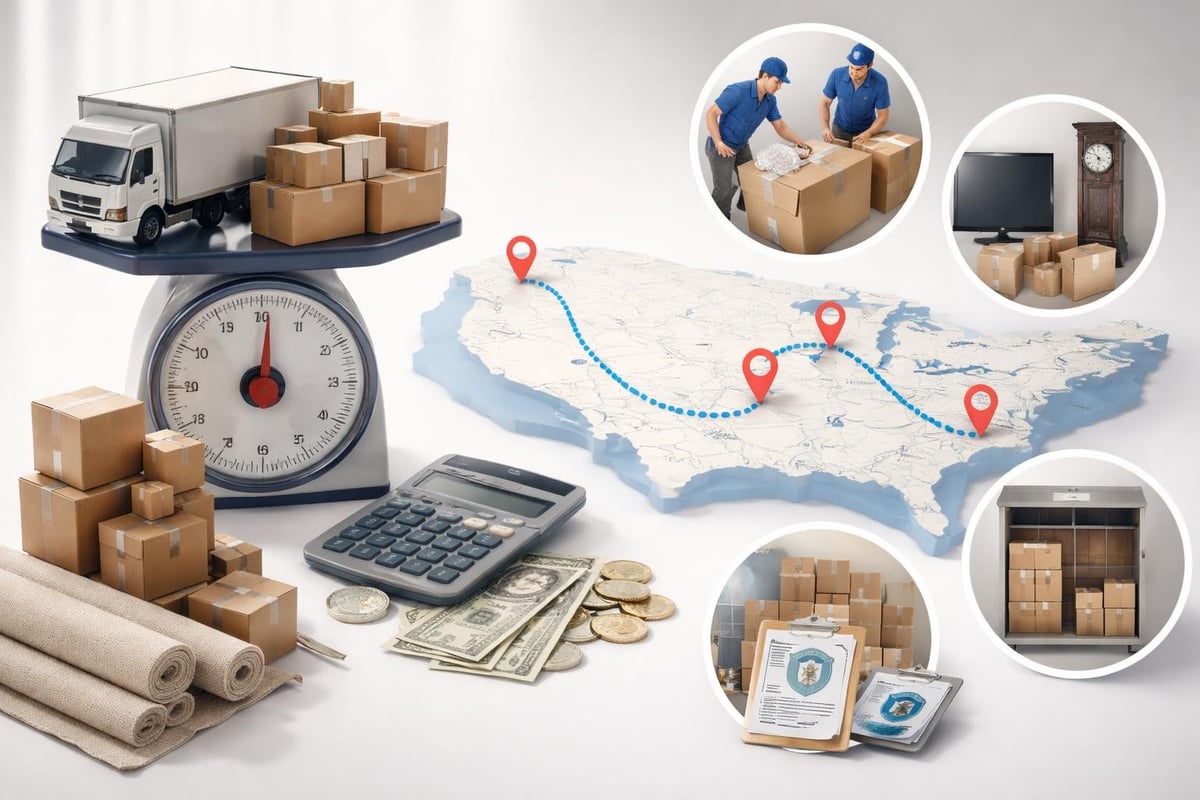
Understanding pricing structures helps you budget accurately and recognize unrealistic quotes. The average cost for long distance moves in 2026 ranges from $2,800 to $6,500 for a typical household, though prices vary based on multiple factors.
| Move Size | Average Weight | 1,000 Miles | 2,500 Miles |
|---|---|---|---|
| Studio/1BR | 2,500-3,500 lbs | $2,200-$3,500 | $3,800-$5,200 |
| 2-3 BR | 5,000-7,000 lbs | $3,500-$5,800 | $5,500-$8,500 |
| 4+ BR | 10,000+ lbs | $6,000-$9,500 | $9,000-$14,000 |
These baseline estimates typically include loading, transportation, and unloading. Additional services increase the total investment.
Factors That Influence Moving Costs
Multiple variables affect your final moving bill beyond simple distance and weight calculations:
- Packing services: Professional packing adds $500-$2,000 depending on home size
- Special items: Pianos, antiques, and artwork require specialized handling
- Access challenges: Stairs, elevators, and long carries from truck to door
- Storage needs: Temporary storage between move-out and move-in dates
- Insurance level: Full replacement value coverage versus basic released value
- Moving date: Peak season (summer months) commands premium pricing
Thedetailed cost analysis from The Weekbreaks down how these variables compound to create your total moving expense. Understanding each component helps you make informed decisions about which services you truly need versus optional add-ons.
Getting Accurate Moving Estimates
Professional moving companies offer three types of estimates, each with different legal implications and price guarantees. Understanding these distinctions prevents unwelcome surprises on moving day.
Anon-binding estimaterepresents the company's best guess at your final cost but isn't legally binding. Your actual charges may exceed this estimate if your shipment weighs more than projected or requires additional services.
Abinding estimatelocks in your maximum cost based on the services outlined in your contract. Even if your belongings weigh more than estimated, you pay only the agreed-upon price. However, if you add services not included in the original estimate, expect additional charges.
Abinding not-to-exceed estimateoffers the best consumer protection. The company cannot charge more than the estimate, but if your actual shipment weighs less, you pay the lower amount.
Questions to Ask During the Estimate Process
When movers visit your home or conduct a virtual survey, ask these critical questions:
- What is your USDOT number and how long have you been in business?
- Is this estimate binding, non-binding, or binding not-to-exceed?
- What exactly is included in this price and what costs extra?
- How do you handle claims for damaged or lost items?
- What is your cancellation policy and are deposits refundable?
- Will you use subcontractors or company employees for my move?
- What is the estimated pickup and delivery window?
According toexpert guidance from Allied Van Lines, obtaining at least three estimates allows you to compare services, pricing structures, and company responsiveness effectively.
Red Flags When Searching for Long Distance Movers
The moving industry unfortunately attracts fraudulent operators who prey on stressed consumers during vulnerable transitions. Recognizing warning signs protects you from scams and ensures your belongings arrive safely.
Demand for large upfront depositsrepresents the most common red flag. Legitimate companies typically require small deposits (10-20% maximum) or no deposit until moving day. Any company demanding 50% or more upfront payment likely operates a scam.
Blank contracts or missing documentationshould immediately disqualify a company from consideration. Professional movers provide detailed written estimates, clear terms and conditions, and comprehensive inventory lists. Never sign blank documents with the promise that details will be "filled in later."
Warning Signs of Moving Fraud
Watch for these additional indicators of potentially fraudulent movers:
- Company lacks a physical address or operates only through web-based contact
- Movers arrive in rental trucks without company branding
- Estimates provided without in-home or virtual assessment of belongings
- Company name changes or multiple business identities
- No verifiable USDOT number or operating authority
- Extremely low quotes that significantly undercut competitors
Thecomprehensive checklist from Extra Space Storageemphasizes that if a quote seems too good to be true, it probably involves hidden fees, ransom tactics, or complete fraud. Professional long distance movers operate on relatively thin margins, so drastically lower quotes should raise immediate concerns.
Preparing for Your Long Distance Move
Successful long distance relocations require careful planning and systematic preparation. Creating a detailed timeline keeps you organized and reduces last-minute stress.
12-8 weeks before moving: Research moving companies, obtain estimates, and book your preferred mover. Begin decluttering and donate or sell items you won't transport to your new home.
8-4 weeks before moving: Start collecting packing supplies, notify important parties of your address change, and transfer or cancel utilities and services at your current residence.
4-2 weeks before moving: Begin packing non-essential items, confirm details with your moving company, and arrange travel plans for moving day.
1 week before moving: Pack remaining items, prepare an essentials box for immediate needs, and complete final walkthroughs of your current home.
Creating an Effective Moving Inventory
A detailed inventory protects you if items are damaged or lost during transit. Photograph valuable items before packing and maintain a comprehensive list of boxes with contents.
Your moving company should provide an inventory sheet during loading, noting the condition of furniture and large items. Review this document carefully before signing and note any existing damage to prevent disputes during delivery.
For families requiring professional assistance with the packing process,packing servicesensure everything is properly protected using industry-standard materials and techniques. Professional packers can complete a full household in 1-2 days and typically guarantee their work.
Understanding Moving Insurance and Valuation
Federal regulations require all interstate movers to offer two levels of liability coverage. Understanding these options helps you make informed decisions about protecting your belongings.
Released value protectionis the minimum coverage required by law and costs nothing extra. However, it provides minimal protection at just 60 cents per pound per item. A damaged 50-pound television would yield only $30 in compensation regardless of its actual value.
Full value protectionoffers comprehensive coverage where the moving company must either repair, replace, or provide cash settlement for damaged items at current replacement value. This enhanced coverage costs additional fees, typically $1-2 per $100 of declared value.
| Coverage Type | Cost | Protection Level | Best For |
|---|---|---|---|
| Released Value | Included | 60¢ per pound | Minimal valuable items |
| Full Value | 1-2% of shipment value | Full replacement cost | Standard household goods |
| Third-Party Insurance | Varies by policy | Customizable coverage | High-value items, antiques |
When to Consider Additional Insurance
Consider purchasing third-party moving insurance if you're transporting:
- High-value artwork, antiques, or collectibles
- Electronics and computer equipment worth over $5,000
- Jewelry, precious metals, or important documents
- Items with sentimental value that cannot be replaced
Third-party policies often provide broader coverage than mover-provided options and allow you to file claims directly with the insurance company rather than through the moving company.

Timeline Expectations for Long Distance Moves
Understanding realistic timelines helps you coordinate housing transitions, work schedules, and temporary accommodations. Unlike local moves that typically complete in one day, long distance relocations involve multiple stages.
Loading and departure: Most loading operations take 4-8 hours depending on home size and access conditions. The truck departs once loading is complete and the inventory is finalized.
Transit time: Calculate approximately 1,000 miles per 2-3 days as a general guideline. A move from New York to Florida (roughly 1,100 miles) typically takes 3-5 days, while a transcontinental relocation from New York to California (2,800 miles) requires 7-10 days.
Delivery windows: Interstate regulations allow moving companies to provide delivery windows rather than guaranteed dates. Expect a 1-5 day window for most relocations. Companies must notify you 24 hours before delivery with a specific time frame.
Managing Gap Times Between Homes
If your new home isn't ready when you need to vacate your current residence,moving and storagesolutions provide flexibility. Your belongings are loaded once, stored in a secure warehouse facility, and delivered when your new home is ready.
Storage-in-transit typically allows 90 days of warehousing included in your moving contract. Additional storage time is available for monthly fees. This service proves invaluable when closing dates don't align or you're coordinating multiple life transitions simultaneously.
Special Considerations for Different Types of Relocations
Different circumstances require specialized moving expertise. Understanding your specific needs helps you select a company equipped to handle your unique situation.
Military relocations: Service members moving under Permanent Change of Station (PCS) orders have specific requirements and benefits. The military provides moving allowances and coordinates logistics through the Transportation Management Office. Working withmilitary moving specialistswho understand these unique requirements ensures smooth processing and proper documentation.
Senior relocations: Downsizing from a long-term family home requires sensitivity, patience, and often additional services like estate sales coordination or donation management. Many companies offer specialized senior moving programs with consultants trained in this demographic's specific needs.
Corporate relocations: Job transfers often come with employer-paid moving benefits. Corporate relocation packages may include full-service packing, temporary housing, and vehicle transportation. Understanding your relocation policy helps you maximize available benefits.
Moving Specialty Items Long Distance
Certain possessions require specialized handling beyond standard household goods capabilities:
- Pianos: These delicate instruments need climate-controlled transport and professional rigging equipment
- Artwork: Professional crating protects valuable pieces during long-distance transport
- Wine collections: Temperature-controlled shipping prevents spoilage of valuable bottles
- Vehicles: Auto transport services move cars separately from household goods
Many families underestimate the complexity of moving these items. According topractical tips from Airtasker, specialty items account for a disproportionate number of moving damage claims when not handled by trained professionals.
What to Expect on Moving Day
Understanding the moving day process reduces anxiety and helps everything run smoothly. Professional movers follow established protocols that protect both your belongings and their business.
Arrival and introduction: The crew chief introduces the team and explains the day's process. This is your opportunity to point out items requiring special care and answer questions about your new residence.
Inventory creation: Each item is tagged with a numbered label and noted on the inventory sheet with its condition. This documentation is critical for claims if anything is damaged during the move.
Loading process: Movers systematically load the truck, typically starting with heavy furniture and appliances. Boxes fill gaps and are stacked strategically to prevent shifting during transit.
Final walkthrough: Before departure, walk through your home with the crew chief to ensure nothing is forgotten. Review and sign the inventory sheet and bill of lading.
Preparing Your New Home for Delivery
Before the moving truck arrives at your destination, complete these preparation steps:
- Verify that utilities are connected and functioning
- Clean the home if not already completed
- Measure doorways and stairs to ensure furniture fits
- Decide on furniture placement to direct movers efficiently
- Clear pathways from the truck to your entrance
Having a floor plan prepared speeds the unloading process and prevents movers from repeatedly asking where items should go. This efficiency can save hours on large moves.
Managing the Unpacking Process
While the moving company delivers your belongings to your new home, the unpacking process is typically your responsibility unless you've contracted for professional unpacking services.
Prioritize essential rooms first: Focus on kitchen, bedrooms, and bathrooms before tackling less critical spaces. Having these functional areas operational quickly reduces stress and helps you settle in.
Unpack systematically: Work room by room rather than randomly opening boxes throughout the house. Complete one space before moving to the next.
Break down boxes as you go: Flattening boxes immediately prevents them from accumulating into overwhelming piles. Many municipalities offer cardboard recycling that you can schedule for bulk pickup.
Thestep-by-step guide from Van Lines Movesuggests allocating 2-4 weeks for complete unpacking and organization, though basic functionality can be achieved within the first few days.
Resolving Claims for Damaged or Lost Items
Despite careful handling, damage occasionally occurs during long distance moves. Understanding the claims process helps you pursue compensation effectively.
Document damage immediately: Inspect items as they're unloaded and note any damage on the delivery receipt. Take photographs of damaged items before attempting repairs.
File claims promptly: Federal regulations require movers to acknowledge claims within 30 days and settle or deny them within 120 days. However, you typically have nine months from delivery to file.
Gather supporting documentation: Provide photos of damage, original purchase receipts if available, and repair estimates. The more documentation you supply, the stronger your claim.
Follow up persistently: Track your claim's progress and maintain written records of all communications. If the company doesn't respond or you're unsatisfied with their resolution, you can file complaints with the FMCSA and your state's consumer protection office.
Most reputable companies resolve legitimate claims fairly and quickly to maintain their reputation and avoid regulatory problems.
Finding Local Long Distance Movers Near Me
Geographic proximity to your moving company's location matters less for long distance moves than for local relocations. However, working with companies that haveestablished operations nationwidecan provide advantages.
National moving companies maintain networks of agents and facilities across the country. This infrastructure means they have local knowledge in both your origin and destination cities, can provide storage options in multiple locations, and have backup resources if unexpected situations arise.
Regional and smaller moving companies can offer personalized service and potentially lower costs. These companies often have deep expertise in specific routes or regions but may lack the resources of larger national carriers.
Evaluating Company Size and Capabilities
Consider these factors when deciding between national carriers and smaller regional movers:
National carriers offer:
- Extensive agent networks for coordination
- Multiple equipment options and backup resources
- Established claims processes and corporate accountability
- Typically higher baseline costs reflecting their infrastructure
Regional movers provide:
- More personalized service and direct owner involvement
- Potentially more flexible scheduling
- Often lower prices due to reduced overhead
- May have deeper knowledge of specific regional routes
Neither option is inherently superior. Your choice should align with your specific needs, budget, and priorities. Research fromBetter Living's moving guidesuggests that company reliability and transparency matter more than size.
Seasonal Considerations for Long Distance Moving
Moving costs and availability fluctuate dramatically based on seasonal demand. Understanding these patterns helps you potentially save thousands of dollars and secure your preferred moving date.
Peak season (May-September): Summer months represent the busiest moving period, driven by families relocating between school years. Expect premium pricing, limited availability, and booking requirements 8-12 weeks in advance.
Shoulder season (April and October): These transitional months offer moderate pricing and better availability than peak summer. Weather is generally favorable in most regions, making these attractive compromise periods.
Off-season (November-March): Winter months provide the best pricing and widest availability. However, weather complications in northern states can cause delays. If your timeline is flexible and you're comfortable with potential weather challenges, off-season moves deliver significant savings.
| Season | Pricing | Availability | Weather Risk | Booking Timeline |
|---|---|---|---|---|
| Peak (May-Sep) | Highest | Limited | Low | 8-12 weeks |
| Shoulder (Apr, Oct) | Moderate | Good | Low-Moderate | 6-8 weeks |
| Off-Season (Nov-Mar) | Lowest | Excellent | Higher | 4-6 weeks |
Mid-Month and Mid-Week Advantages
Beyond seasonal timing, consider moving during off-peak days within each month. Most leases and home closings occur at month-end, creating concentrated demand during the final week of each month.
Moving mid-month (days 10-20) and mid-week (Tuesday-Thursday) provides better pricing and availability. If your schedule allows this flexibility, discuss potential discounts with your moving company.
Technology and Tracking for Modern Long Distance Moves
Modern moving companies increasingly offer technology that reduces uncertainty during the moving process. These tools provide peace of mind when your possessions are in transit across the country.
Real-time GPS tracking: Many companies now provide mobile apps or web portals where you cantrack your shipment's locationin real-time as it travels to your new home.
Digital inventory systems: Tablet-based inventory creation provides immediate access to your inventory list and photographic documentation of item conditions.
Electronic documentation: Digital bills of lading, contracts, and receipts eliminate paper-based processes and provide instant access to important documents.
Communication platforms: Many companies now use text messaging and email for delivery notifications, reducing phone tag and miscommunication.
These technological improvements represent significant advances over traditional moving practices. When researching long distance movers near me, ask about available technology and how it enhances your moving experience.
Making Your Final Decision
After researching companies, obtaining estimates, and verifying credentials, you'll need to make your final selection. This decision should balance cost considerations with service quality and company reliability.
Create a comparison spreadsheet documenting each company's:
- Total estimated cost including all services
- Insurance options and coverage levels
- Estimated pickup and delivery dates
- Company credentials and years in business
- Customer reviews and complaint history
- Contract terms and cancellation policies
The lowest price rarely represents the best value. According to insights fromLove My Mover, companies offering quotes significantly below competitors often compensate through hidden fees, poor service, or damage claims that exceed initial savings.
Trust your instincts about company representatives. Professional movers should answer questions thoroughly, provide clear documentation, and make you feel confident about entrusting them with your belongings.
Planning a long distance move requires careful research, realistic budgeting, and selecting a moving company you can trust with your possessions and your peace of mind. By understanding what to look for when searching for long distance movers near me, verifying credentials, recognizing warning signs, and preparing systematically, you can navigate this major life transition smoothly.US Prime Moversspecializes in residential long distance and interstate relocations across all 50 states, combining family-owned personal service with professional expertise to ensure your belongings arrive safely at your new home. Contact us today for a free, transparent quote and experience the difference that licensed, insured, and experienced movers bring to your relocation journey.