
Moving across state lines represents one of the most significant life transitions you'll experience. Whether you're relocating for a new job opportunity, downsizing after retirement, or seeking a fresh start in a different region, the process demands careful planning and the right professional support. Long distance movers specialize in interstate relocations, handling everything from packing your belongings to transporting them safely across hundreds or thousands of miles. Understanding how to select the right moving company, what to expect during the process, and how to budget effectively can transform a potentially stressful experience into a smooth transition.
Understanding What Long Distance Movers Actually Do
Long distance movers provide comprehensive relocation services for moves exceeding 100 miles or crossing state boundaries. These professional companies handle the logistics, transportation, and coordination required for interstate moves.
Unlike local movers who charge hourly rates, long distance moving companies typically calculate costs based on shipment weight, distance traveled, and additional services requested. A typical household move from New York to Florida, for example, involves coordination across multiple states, compliance with federal transportation regulations, and careful timing to ensure your belongings arrive within the expected window.
Core Services Provided
Professional moving companies offer a range of services designed to simplify your relocation:
- Loading and unloading: Trained crews handle heavy lifting using proper equipment and techniques
- Transportation: Climate-controlled trucks transport your belongings across state lines
- Basic liability coverage: Standard protection for your items during transit
- Inventory management: Detailed tracking of all boxes and furniture pieces
- Delivery coordination: Scheduled arrival windows at your destination
Many companies also provide specialized services. If you're moving valuable instruments,piano moversuse custom equipment and expertise to protect these delicate items. Similarly, military families benefit fromspecialized PCS relocation servicesthat understand unique requirements and tight timelines.

How Much Long Distance Moves Actually Cost in 2026
Transparency about pricing helps you budget effectively and avoid surprises. The average cost for long distance movers ranges from $2,000 to $8,000, depending on several key factors.
| Distance | 2-Bedroom Home | 3-Bedroom Home | 4-Bedroom Home |
|---|---|---|---|
| 500 miles | $2,200-$3,500 | $3,000-$4,800 | $4,200-$6,500 |
| 1,000 miles | $3,000-$5,000 | $4,500-$7,000 | $6,000-$9,000 |
| 2,000+ miles | $4,500-$7,500 | $6,500-$10,000 | $8,500-$13,000 |
These estimates include basic transportation and loading services. Additional costs typically include packing materials ($200-$600), full packing services ($500-$2,000), specialty item handling ($200-$800 per item), and storage fees if needed.
Factors That Influence Your Final Price
The weight of your shipment represents the primary cost driver. A typical three-bedroom home weighs between 8,000 and 12,000 pounds. Distance matters significantly-moving between stateslike Texas and California costs more than relocating from New Jersey to New York.
Timing also affects pricing. Summer months (May through September) see higher demand and premium rates, while winter moves often come with discounts of 15-30%. According torecent moving statistics, approximately 60% of all moves occur between May and September, creating significant price fluctuations.
Additional services increase costs but often provide value. Professional packing saves time and ensures proper protection. Insurance beyond basic liability coverage costs 1-2% of your shipment's declared value but provides essential peace of mind.
Step-by-Step Planning Timeline for Your Move
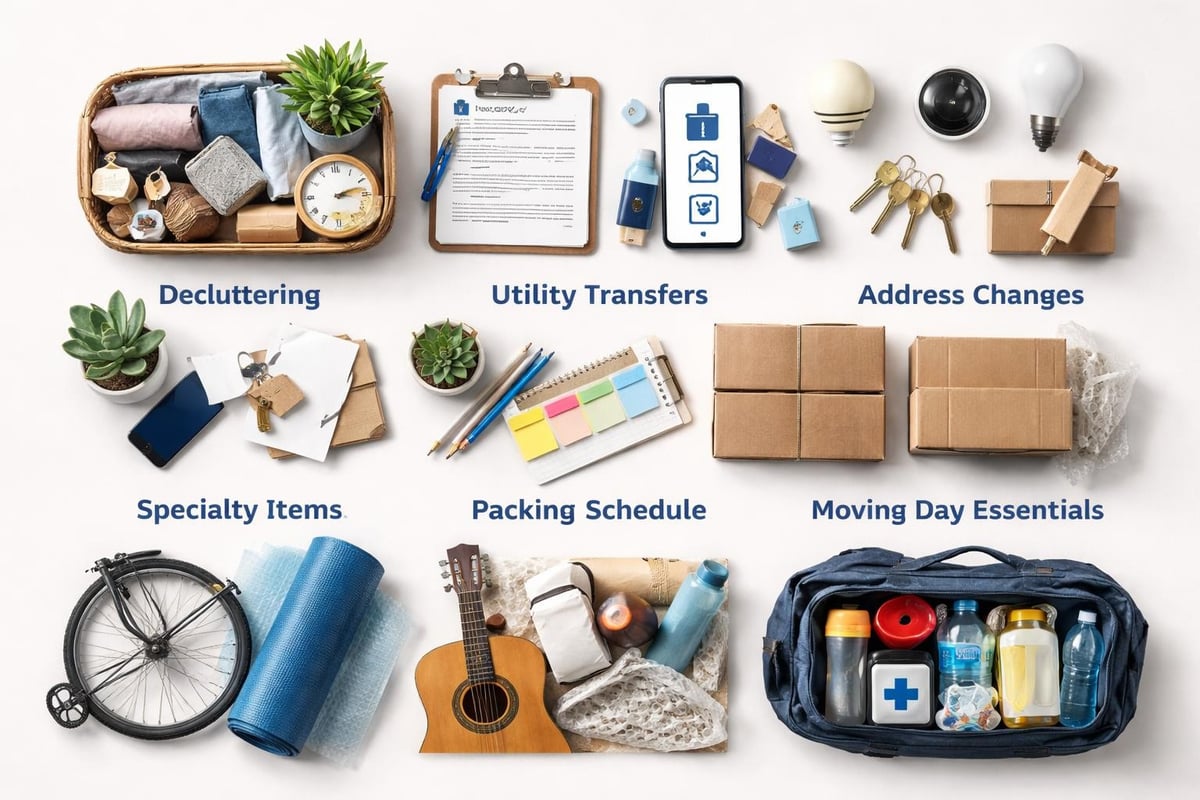
Starting early reduces stress and often saves money. Here's a practical timeline to keep your relocation on track:
8-12 Weeks Before Moving Day
- Research and compare moving companies: Request quotes from at least three licensed and insured providers
- Verify credentials: Check FMCSA registration numbers and read recent customer reviews
- Book your moving date: Secure your preferred timeline, especially during peak season
- Begin decluttering: Donate, sell, or discard items you don't need to reduce shipment weight
- Create a moving binder: Organize estimates, contracts, receipts, and important documents
Expert advice fromMayflower emphasizesthat early planning represents the single most important factor in successful long distance moves.
6-8 Weeks Before Moving Day
- Finalize your moving contract: Review all terms carefully before signing
- Order packing supplies: Boxes, tape, bubble wrap, and markers
- Notify important parties: Employers, schools, medical providers, and utility companies
- Research your new area: Schools, healthcare providers, and essential services
- Plan for specialty items: Arrange services for pianos, antiques, or valuable artwork
4-6 Weeks Before Moving Day
This period focuses on actual preparation and coordination. Start packing non-essential items like seasonal clothing, books, and decorative pieces. Label each box clearly with contents and destination room.
Schedule address changes with USPS, update your driver's license information, and transfer medical records. If you're usingprofessional packing services, confirm the date they'll arrive to pack your belongings.
Choosing the Right Long Distance Moving Company
Not all moving companies provide the same level of service, reliability, or value. Selecting the right partner requires careful evaluation of several factors.
Essential Qualifications to Verify
Every legitimate long distance moving company must possess specific credentials. The Federal Motor Carrier Safety Administration (FMCSA) requires interstate movers to register and maintain a valid DOT number. You can verify this registration online through the FMCSA website.
Insurance coverage protects both you and the moving company. Reputable movers carry comprehensive liability insurance and offer additional valuation coverage options for your belongings. Ask for proof of insurance and understand the difference between basic liability (typically $0.60 per pound per item) and full-value protection.
Key questions to ask potential movers:
- How long have you been in business?
- What's your FMCSA registration number?
- What insurance and valuation options do you offer?
- Will you provide a binding or binding-not-to-exceed estimate?
- Do you use your own crews or subcontractors?
- What's included in your standard service package?
Red Flags That Signal Unreliable Movers
Certain warning signs indicate you should continue your search elsewhere. Companies requiring large deposits (more than 20-25%) before the move raise concerns. Legitimate movers typically collect payment upon delivery.
Estimates provided without an in-home assessment (for larger moves) often prove inaccurate.Redfin's moving experts recommendgetting detailed, written estimates based on actual household inventory.
Companies without proper licensing, those who arrive in unmarked rental trucks, or movers who can't provide customer references should be avoided entirely. The Better Business Bureau and online review platforms offer valuable insights into company reputation and customer satisfaction.
Packing Strategies That Protect Your Belongings
Proper packing prevents damage and ensures your items arrive intact. Whether you pack yourself or hire professionals, understanding best practices helps protect your investment.
Room-by-Room Packing Approach
Systematic packing reduces confusion at your destination. Start with rooms you use least frequently-guest bedrooms, storage areas, and seasonal items.
Kitchen packing requires special attention:
- Wrap dishes individually in packing paper
- Pack plates vertically (like records) rather than stacked flat
- Fill empty spaces in boxes to prevent shifting
- Mark boxes as fragile and indicate "This End Up"
Bedrooms involve different strategies. Use wardrobe boxes for hanging clothes to save time unpacking. Roll delicate fabrics to prevent wrinkles. Pack jewelry, important documents, and valuable small items separately to keep with you during travel.
Protecting Specialty and Valuable Items
Items like electronics, artwork, and musical instruments need extra care. Original packaging provides ideal protection for TVs and computers. If unavailable, use specialty boxes designed for electronics.
According toAllied Van Lines, creating a detailed inventory with photos of valuable items before packing provides documentation for insurance purposes and helps track everything during the move.
Furniture protection involves disassembly when possible. Remove table legs, bed frames, and other detachable components. Wrap furniture in moving blankets and secure with stretch wrap rather than tape directly on surfaces.
Understanding Moving Insurance and Protection Options
Basic carrier liability coverage included in most moving contracts offers minimal protection. Understanding your options helps you make informed decisions about additional coverage.
| Coverage Type | Protection Level | Typical Cost | Best For |
|---|---|---|---|
| Released Value | $0.60 per lb per item | Included free | Minimal value items |
| Declared Value | Up to $6 per lb | Included free | Standard household goods |
| Full Value Protection | Replacement cost | 1-2% of declared value | Valuable belongings |
| Third-Party Insurance | Comprehensive coverage | Varies by policy | High-value shipments |
Full value protection requires the moving company to repair, replace, or provide cash settlement for damaged items. While more expensive, it provides significantly better coverage than basic options.
Your homeowner's or renter's insurance may extend coverage during moves. Contact your insurance provider to understand what's covered and consider purchasing additional moving insurance if needed. Forlong distance movingacross multiple states, comprehensive protection offers valuable peace of mind.

Managing Moving Day Successfully
The actual moving day brings everything together. Proper preparation ensures smooth execution and reduces stress.
Morning Preparation and Final Checks
Wake up early and complete final preparations before the moving crew arrives. Do a final walkthrough of your home to ensure nothing remains in closets, cabinets, or storage areas. Keep essential items separate-medications, important documents, valuables, and overnight necessities should travel with you.
When movers arrive, conduct a walkthrough together. Point out items requiring special care and answer any questions about access, parking, or building regulations. Review the inventory list as items are loaded, noting any pre-existing damage.
Stay available throughout the loading process without hovering. Movers work most efficiently when they can follow their systematic process. However, remain accessible for questions or concerns that arise.
Managing the Journey and Delivery
Long distance moves typically involve delivery windows rather than specific dates. A move from California to New York might have a 5-7 day delivery window. Understand these timelines when planning your arrival at the destination.
Track your shipment using tracking numbers or updates provided by your moving company. Most professional movers offer regular communication about location and estimated delivery timing. TheU-Pack planning guideemphasizes coordinating your personal travel to arrive slightly before your belongings.
Upon delivery, inspect items as they're unloaded. Note any damage on the inventory sheet before signing. Taking photos of damaged items immediately helps with insurance claims. Test major appliances and furniture for functionality before the moving crew departs.
Special Considerations for Different Types of Moves
Various circumstances create unique requirements for long distance relocations. Understanding these differences helps you plan appropriately.
Military and PCS Relocations
Military families face distinct challenges with strict timelines and specific regulations. The Department of Defense provides moving allowances, but understanding weight limits and authorized expenses prevents unexpected costs.
Military movers must understand PCS requirements, including documentation, weight certificates, and delivery coordination with housing availability. Service members should maintain copies of all orders, weight tickets, and moving documents for reimbursement purposes.
Interstate Moves with Storage Needs
Sometimes your new home isn't ready when you need to move out.Moving and storage solutionsprovide flexibility by storing your belongings temporarily in climate-controlled facilities.
Storage costs typically range from $50-$300 monthly depending on the amount of space needed. Factor this into your moving budget if you anticipate delays between move-out and move-in dates.
Senior Relocations and Downsizing
Older adults moving from larger homes to smaller residences or retirement communities face emotional and logistical challenges. Downsizing requires decisions about decades of accumulated possessions.
Start the process early, allowing time for sorting, donating, and selling items. Many moving companies offer specialized senior moving services that include estate sale coordination, gentle pacing, and extra assistance with decision-making.
Common Mistakes That Increase Costs and Stress
Learning from others' experiences helps you avoid expensive errors. These common mistakes complicate moves unnecessarily:
Underestimating packing time: Most people need 3-4 weeks to pack a three-bedroom home properly. Starting too late leads to rushed packing and potential damage.
Failing to declutter: Moving items you'll discard at your destination wastes money. Reducing shipment weight by 1,000 pounds can save $200-$500 on long distance moves.
Not reading the contract carefully: Understanding cancellation policies, additional fees, and service limitations prevents disputes. Ask questions about anything unclear before signing.
Choosing movers based solely on price: The lowest estimate often comes with hidden fees, poor service, or damaged belongings.North American Van Lines emphasizesthat reputable movers provide detailed, transparent pricing.
Inadequate insurance coverage: Basic liability protection rarely covers the actual value of damaged items. Investing in proper coverage costs far less than replacing damaged furniture or electronics.
Making Your New House Feel Like Home
Arrival at your destination marks the beginning of settling in. Strategic unpacking and organization help you adjust quickly.
Prioritize essential rooms first. Set up bedrooms so everyone has a place to sleep the first night. Unpack the kitchen enough to prepare basic meals. Establish one bathroom with necessary toiletries and supplies.
First-week priorities include:
- Locate and test all utilities
- Change locks for security
- Update your address with banks, employers, and subscriptions
- Register vehicles and obtain new driver's licenses
- Find essential services (grocery stores, pharmacies, healthcare providers)
Take time to explore your new community.Airtasker's comprehensive guidesuggests introducing yourself to neighbors, identifying local parks and restaurants, and establishing new routines to build familiarity.
Unpack systematically rather than randomly opening boxes. Complete one room before moving to another. This approach creates functional spaces quickly and prevents living surrounded by half-unpacked boxes for months.
Regional Considerations Across the United States
Different regions present unique challenges for long distance movers. Understanding these variations helps with planning and expectations.
Weather and Seasonal Factors
Moving to or from northern states during winter requires preparation for snow and ice. Delays become more common, and protecting belongings from moisture gains importance. Moving companies may charge premium rates for winter moves in challenging climates.
Southern states face hurricane season considerations from June through November. Coastal relocations during this period require flexibility and potentially alternate delivery windows. Desert regions like Arizona and Nevada present extreme heat challenges for temperature-sensitive items.
Cost of Living Variations
Moving from expensive metropolitan areas to more affordable regions affects your budget beyond moving costs. A relocation fromCaliforniatoTexastypically reduces housing costs significantly, but sales taxes and other expenses may increase.
Research your destination thoroughly. Housing markets, property taxes, utility costs, and general cost of living vary dramatically across states. This information helps with financial planning and realistic budgeting for your new location.
Regulatory and Licensing Requirements
Each state maintains different requirements for vehicle registration, driver's licenses, and professional licensing. Understanding these timelines prevents last-minute rushes to comply with local regulations.
Most states require new residents to obtain local driver's licenses within 30-90 days. Vehicle registration timelines vary similarly. Professional licenses often don't transfer between states, requiring new applications and potentially additional testing or education.
Technology and Tools That Simplify Long Distance Moving
Modern technology offers numerous resources to organize and manage your relocation efficiently.
Moving Apps and Digital Organization
Digital inventory apps allow you to photograph and catalog belongings room by room. These tools create searchable databases making it easy to locate specific items after arrival. Many integrate with QR code labels you can attach to boxes.
Expense tracking apps help monitor moving costs against your budget. Record all moving-related purchases, from packing supplies to cleaning services, ensuring you don't overlook any expenses.
Virtual survey tools enable moving companies to provide accurate estimates without in-person visits. Video walkthroughs of your home allow estimators to assess volume and identify specialty items requiring extra care.
Communication and Coordination Platforms
Shared calendars keep family members synchronized on moving tasks and deadlines. Assign responsibilities and track completion to ensure nothing falls through the cracks.
Document storage platforms keep important moving paperwork accessible from anywhere. Upload contracts, receipts, insurance policies, and inventory lists to cloud storage for easy reference throughout the relocation process.
Planning a long distance move requires attention to detail, realistic timelines, and partnership with experienced professionals who understand the complexities of interstate relocations. By starting early, staying organized, and making informed decisions about services and insurance, you'll transform a potentially overwhelming process into a manageable transition.US Prime Moversspecializes in stress-free long distance relocations across all 50 states, offering transparent pricing, experienced crews, and the personal attention that comes from being a family-owned business. Request your free quote today to start planning your smooth transition to your new home.
Move With a Licensed Long Distance Mover: US Prime Movers
US Prime Movers is a licensed, insured long distance moving company (USDOT 3848322, MC 1401881) serving customers nationwide. Whether you're planning an interstate relocation or a full state-to-state move, our long distance moving services cover everything from packing to final delivery.
Need more than transport? We also provide professional packing and unpacking and secure moving and storage for relocations that need flexible timing.
Ready to plan your move? Get a free long distance moving quote today, or call (888) 868-3736 to speak with a dedicated moving coordinator.