
Finding reliable local movers near me has become increasingly complex in 2026, with hundreds of moving companies competing for your business. Whether you're planning a cross-town move or coordinating along distance relocation, understanding how to identify trustworthy movers can save you thousands of dollars and prevent moving day disasters. This comprehensive guide walks you through every step of finding, vetting, and hiring the right moving company for your needs.
Understanding What "Local Movers" Actually Means
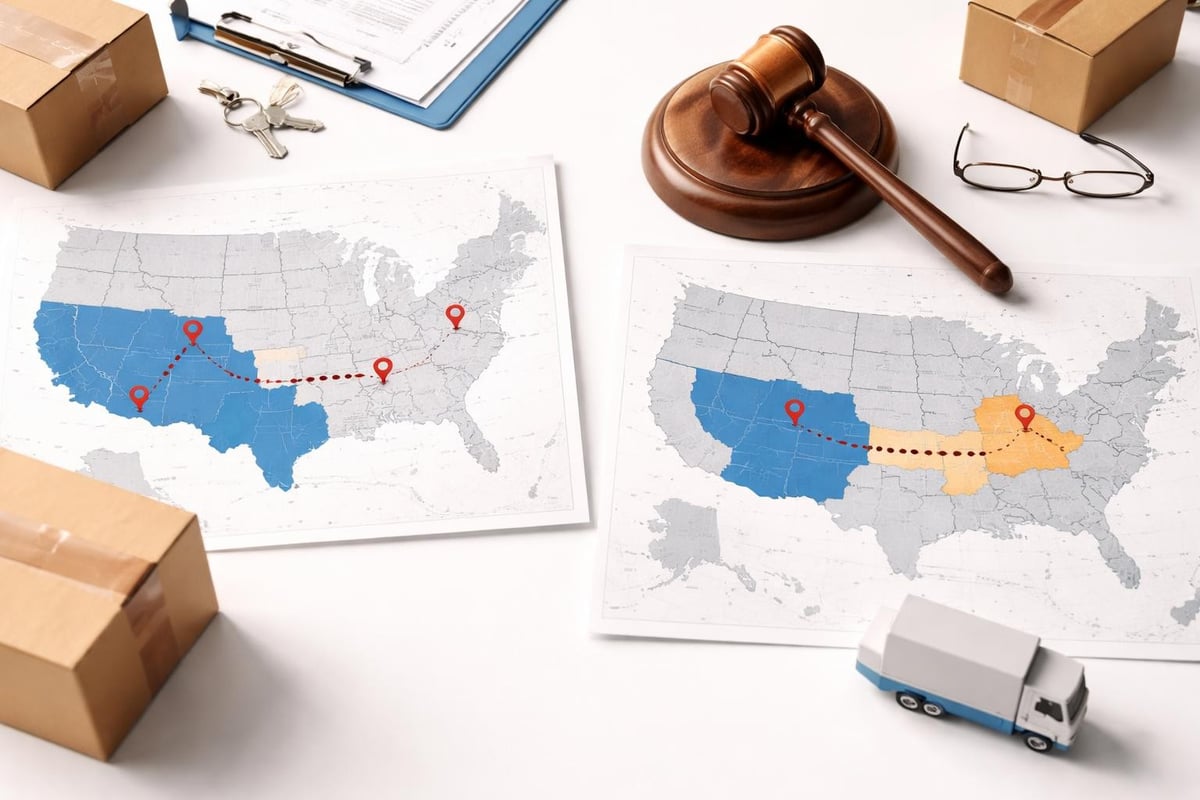
The term "local movers" can be misleading. Many people searching for local movers near me assume it means companies only handling short-distance moves within the same city or county. In reality, the distinction between local and long-distance moving relates to regulatory oversight rather than physical distance.
Local moves typically involve:
- Relocations within the same state
- Moves governed by state regulations rather than federal law
- Hourly billing rates in most cases
- Same-day or next-day service availability
- Smaller crew sizes and equipment
Understandinghow moving companies are regulatedhelps clarify which type of mover you actually need. Interstate moves crossing state lines fall under federal jurisdiction and require companies to have USDOT numbers issued by the Federal Motor Carrier Safety Administration.
Intrastate vs. Interstate Moving Companies
| Move Type | Regulatory Body | Licensing Requirements | Typical Pricing Model |
|---|---|---|---|
| Local/Intrastate | State utility commission | State-specific license | Hourly rate |
| Interstate | FMCSA | USDOT number required | Weight-based estimate |
| Hybrid | Both agencies | Dual licensing | Varies by destination |
Many reputable companies maintain both state and federal licensing to serve clients with varying needs. When you search for local movers near me, you'll often find companies capable of handling both local and long-distance relocations.
How to Find Legitimate Local Movers Near Me
Your search for local movers near me should start with verification, not price comparison. Scam moving companies have proliferated in recent years, with fake operations that provide lowball estimates then hold belongings hostage for inflated fees.
Start your search with these verified sources:
- Your state's Public Utilities Commission website
- Better Business Bureau accredited business directory
- American Moving and Storage Association member listings
- Personal referrals from recent movers in your area
- Real estate agent recommendations
TheMoving.com guide on researching local moving companiesemphasizes checking multiple review platforms rather than relying on a single source. Companies can manipulate reviews on individual sites, but patterns emerge when you check Google, Yelp, and industry-specific review sites together.
Red Flags When Evaluating Moving Companies
Watch for these warning signs that indicate a potential scam or unprofessional operation:
- Requesting large deposits before the move date
- Providing estimates without conducting an in-home or virtual survey
- Operating without a physical business address
- Missing proper licensing or insurance documentation
- Significantly lower estimates than all competitors
- Unwillingness to provide references from recent customers
Getting Accurate Moving Estimates
When you contact local movers near me for quotes, the estimate process reveals a lot about the company's professionalism. Legitimate movers will insist on seeing your belongings before providing a binding estimate.
Three Types of Moving Estimates
Non-binding estimate:The company provides a rough cost based on your description. Your final bill can exceed this amount if you have more items than described. This is the least protective option for consumers.
Binding estimate:The company commits to a specific price regardless of actual weight or time required. You pay the quoted amount even if the move takes longer than expected.
Binding not-to-exceed estimate:The quoted price represents the maximum you'll pay. If your belongings weigh less than estimated, you pay the lower amount. This provides the best consumer protection.
For 2026, expect local moving costs to range from $90 to $180 per hour for a two-person crew in most metropolitan areas. This typically includes the truck, basic equipment, and labor.Packing servicesadd $25 to $60 per hour per packer to your total cost.
| Move Size | Estimated Hours | Typical Cost Range |
|---|---|---|
| Studio/1BR | 3-5 hours | $400-$900 |
| 2BR apartment | 5-7 hours | $700-$1,400 |
| 3BR house | 7-10 hours | $1,100-$2,000 |
| 4BR+ house | 10-14 hours | $1,600-$2,800 |
These estimates assume local moves within 30 miles. Additional charges apply for long carries, stairs, heavy items, and travel time beyond the local radius.

Questions to Ask Before Hiring Local Movers
Once you've identified several licensed companies in your area, a phone conversation helps narrow your options. The questions you ask and how companies respond reveal their expertise and customer service standards.
Essential questions for every moving company:
- What is your USDOT number (for interstate capability) or state license number?
- What insurance coverage do you provide, and what are my options for additional protection?
- How do you handle damage claims, and what is your claims process timeline?
- Will the same crew that loads my belongings also unload them at the destination?
- What items do you refuse to move, and are there additional charges for specialty items?
- Do you subcontract any portion of the move to third parties?
- What is included in your hourly rate, and what costs extra?
- How do you protect floors, doorways, and furniture during the move?
Companies that provide clear, detailed answers demonstrate transparency. Vague responses or reluctance to discuss insurance and licensing should immediately raise concerns.
Understanding Moving Insurance Options
Basic carrier liability provides minimal protection, typically $0.60 per pound per item. This means a 50-pound television would only be covered for $30 regardless of its actual value. For meaningful protection, consider these options:
- Full value protection: The mover repairs, replaces, or provides cash settlement for damaged items at current replacement value
- Released value: The basic $0.60 per pound coverage included at no charge
- Third-party insurance: Separate moving insurance policies offering comprehensive coverage
For moves involving valuable items like antiques orpianos, additional insurance provides essential protection against damage or loss.
Preparing for Your Local Move
Once you've hired local movers near me, preparation significantly impacts your moving day experience. Professional movers work more efficiently when you've completed preliminary tasks.
Three weeks before moving day:
- Schedule your move date and confirm the appointment in writing
- Begin decluttering and donating items you won't take to your new home
- Gather moving supplies if you're packing yourself
- Notify utilities, postal service, and relevant organizations of your address change
- Start using up perishable food items
One week before moving day:
- Confirm your appointment with the moving company
- Pack non-essential items room by room
- Label boxes clearly with contents and destination room
- Set aside essentials you'll need immediately at your new home
- Prepare an inventory of high-value items
Moving day morning:
- Do a final walkthrough of your home
- Take photos of furniture and walls at both locations
- Keep your moving contract, inventory list, and company contact information accessible
- Have payment method ready (many companies require cash or certified check for local moves)
What to Expect on Moving Day
Understanding the moving day process helps you manage expectations and identify potential problems before they escalate. When local movers near me arrive at your home, they should present a written contract and inventory form.
The Moving Day Timeline
Professional movers follow a consistent process designed to protect your belongings and complete the move efficiently:
Hour 1-2: Loading preparation and walkthroughThe crew foreman conducts a walkthrough, notes existing damage to items, and creates an inventory. They'll protect floors and doorways with coverings, disassemble furniture as needed, and begin loading boxes and smaller items.
Hour 3-5: Primary loadingThe bulk of your belongings get loaded onto the truck. Movers work systematically, loading heavier items first and filling gaps with boxes and smaller furniture.
Hour 6-8: Transport and unloadingFor local moves, transport time is usually minimal. Unloading follows the reverse process, with movers placing items in designated rooms and reassembling furniture.
The foreman should review the inventory with you at destination, noting any damage that occurred during the move. Don't sign off on the inventory until you've verified that everything arrived and checked for visible damage.
Common Moving Day Challenges and Solutions
Even with professional local movers near me, unexpected situations arise. Knowing how to handle common challenges prevents minor issues from derailing your entire move.
Challenge 1: Items don't fit through doorways or stairwellsSolution: Professional movers have experience maneuvering large items. They may remove doors, wrap items for protection during tight squeezes, or occasionally need to hoist furniture through windows. Discuss this possibility when booking if you have oversized furniture.
Challenge 2: The truck isn't large enough for all belongingsSolution: Reputable companies send appropriately sized trucks based on their estimate. If you've added items since the estimate, communicate this immediately. The company may need to make multiple trips or send a second truck, which will increase costs.
Challenge 3: Delays at origin or destinationSolution: Build buffer time into your moving day schedule. If you can't access your new home at the scheduled time, you'll likely incur waiting time charges of $50-$100 per hour.
Understanding Your Rights and Protections
Federal and state regulations protect consumers hiring moving companies, but you must understand your rights to exercise them effectively. The regulations governinginterstate moving lawsprovide important consumer protections.
Your basic rights when hiring movers:
- Receive a written estimate before agreeing to hire the company
- Review the company's tariff and understand all charges
- Have your belongings weighed on a certified scale for interstate moves
- File claims for loss or damage according to the company's claims process
- Receive delivery within the agreed-upon timeframe
If problems arise with local movers near me, your state's consumer protection agency or utilities commission handles complaints against intrastate movers. For interstate moves, file complaints with the Federal Motor Carrier Safety Administration.

Specialty Items Requiring Extra Attention
Certain belongings require specialized handling that affects your choice of moving companies. When searching for local movers near me, verify that companies have experience with your specific items.
Items requiring special handling:
- Pianos: Moving upright, baby grand, or grand pianos requires specialized equipment and training. Standard movers often subcontract piano moves to specialists, which can create coordination problems.
- Artwork and antiques: Climate-controlled transport and custom crating protect valuable pieces during relocation.
- Gun safes and heavy machinery: Items exceeding 500 pounds require additional crew members and specialized equipment.
- Hot tubs and pool tables: Proper disassembly and reassembly demand specific expertise.
Companies offering comprehensivemoving and storagesolutions often have more experience with specialty items than basic moving-only operations.
The Role of Storage in Local Moves
Many local moves involve a gap between leaving your current residence and accessing your new home. When searching for local movers near me, consider whether you might need temporary storage solutions.
Common storage scenarios:
- Closing date delays on your new home purchase
- Downsizing from a larger to smaller space
- Renovations at your destination before move-in
- Military deployments or temporary housing situations
Storage pricing typically ranges from $50 to $300 per month depending on unit size and location. Some moving companies offer combined moving and storage packages that provide cost savings compared to hiring separate services.
Technology and the Modern Moving Experience
The moving industry has evolved significantly, with technology improving transparency and customer experience. When evaluating local movers near me in 2026, expect these digital features:
- Virtual surveys using your smartphone camera for accurate estimates
- Real-time tracking of your moving truck's location
- Digital inventory management with photo documentation
- Electronic contracts and payment processing
- Online claim filing and status tracking
Companies investing in technology generally demonstrate stronger operational standards and customer service capabilities.
Making Your Final Decision
After gathering estimates, checking references, and verifying licensing, you face the final decision of which company to hire. Price matters, but it shouldn't be your only consideration when choosing local movers near me.
Evaluation Criteria Beyond Price
| Factor | Weight | Evaluation Method |
|---|---|---|
| Licensing/Insurance | Critical | Verify with regulatory agencies |
| Reviews/References | High | Check multiple platforms |
| Experience | High | Ask about years in business, specialty moves |
| Price | Medium | Compare binding estimates |
| Availability | Medium | Confirm preferred moving dates |
| Communication | Medium | Assess responsiveness and clarity |
The cheapest estimate often comes from companies that will add hidden fees, provide poor service, or operate without proper licensing. A mid-range estimate from a well-reviewed, licensed company typically offers the best value.
Regional Considerations for 2026 Moves
Local moving costs and availability vary significantly by region. Major metropolitan areas typically have more competition among moving companies, which can benefit consumers through competitive pricing and better service standards.
2026 regional moving trends:
- Northeast: Higher labor costs but excellent company selection in cities like New York and New Jersey
- West Coast: Premium pricing in California markets, particularly San Francisco and Los Angeles, with limited availability during peak season
- Southeast: Moderate pricing in Florida and growing markets, with high demand during winter months
- Southwest: Competitive rates in Texas cities, with rapid population growth creating strong moving demand
Peak moving season runs from May through September, when prices increase by 20-30% and availability becomes limited. Booking moves during off-peak months (October through April) often yields better rates and scheduling flexibility.
DIY Moving vs. Hiring Professionals
Before committing to hiring local movers near me, some people consider handling the move themselves. Understanding the true cost comparison helps you make an informed decision.
DIY moving costs for a 2-bedroom apartment:
- Truck rental: $150-$300 for local moves
- Fuel: $40-$80
- Moving equipment: $100-$200 (dolly, blankets, straps)
- Packing materials: $150-$300
- Food and beverages for helpers: $100-$150
- Total DIY cost: $540-$1,030
Professional movers for the same move cost $700-$1,400, a difference of only $160-$370 when you account for all DIY expenses. Factor in your time, physical effort, and injury risk, and professional movers often represent better value.
Planning for Long-Distance Moves
While this guide focuses on finding local movers near me, many searches actually involve longer relocations that require interstate moving specialists. If your move crosses state lines, different regulations and pricing structures apply.
Interstate movers must hold valid USDOT numbers and follow federal regulations. Thesestate-to-state relocationstypically cost between $2,000 and $8,000 depending on distance and volume. Understanding whether you need local or interstate movers early in your planning process ensures you contact appropriate companies.
Finding the right local movers requires careful research, thorough vetting, and clear communication about your specific needs. By verifying licensing, comparing detailed estimates, and understanding your rights as a consumer, you can confidently select movers who will handle your belongings with the care they deserve. AtUS Prime Movers, our licensed and insured professionals bring decades of moving expertise to every relocation, whether you're moving across town or across the country. Contact us today for a free, no-obligation quote and experience the difference that family-owned, customer-focused service makes on your next move.