
Planning an interstate moving relocation requires more preparation, coordination, and regulatory awareness than a local move down the street. When you're crossing state lines with your entire household, you're dealing with federal regulations, longer transit times, higher costs, and the complexity of coordinating utility transfers, address changes, and settling into an unfamiliar community. This comprehensive guide walks you through every aspect of planning and executing a successful cross-country move, from initial budgeting through your first week in your new home.
Understanding Interstate Moving Relocation Basics
Interstate moving relocation involves transporting household goods across state lines, which immediately places your move under federal jurisdiction. The Federal Motor Carrier Safety Administration (FMCSA) regulates all interstate movers, requiring them to maintain specific licensing, insurance coverage, and operational standards that don't apply to local moving companies.
Your moving company must have a valid USDOT numberto legally transport goods across state lines. This registration ensures they meet federal safety standards and maintain proper insurance coverage. Before hiring any company, verify their credentials through the FMCSA database and confirm they're authorized for interstate commerce.
Key Differences from Local Moves
Interstate relocations differ fundamentally from local moves in several critical ways:
- Pricing structure: Charged by weight and distance rather than hourly rates
- Timeline: Transit can take 7-21 days depending on distance and route
- Binding estimates: Federal law requires specific estimate formats
- Limited liability: Standard coverage is minimal (60 cents per pound)
- Delivery windows: Exact delivery dates aren't always guaranteed
The distance factor significantly impacts both cost and logistics. A move from New York to California involves completely different planning than a move to a neighboring state.
Creating Your Interstate Moving Timeline
Successful interstate moving relocation depends on starting early and following a structured timeline. Most professionals recommend beginning your planning process at least eight weeks before your move date, though twelve weeks provides more flexibility for securing your preferred moving dates and handling unexpected complications.
8-12 Weeks Before Moving Day
- Research and compare licensed interstate movers through the FMCSA database
- Request in-home estimates from at least three companies
- Review binding estimates and compare total costs, not just base rates
- Check reviews and licensing for your top choices
- Book your moving company once you've made your decision
- Start decluttering room by room to reduce moving weight
Begin gathering important documents during this phase. Create a moving binder with copies of estimates, contracts, insurance policies, medical records, school transcripts, and financial documents you'll need immediate access to during the transition.
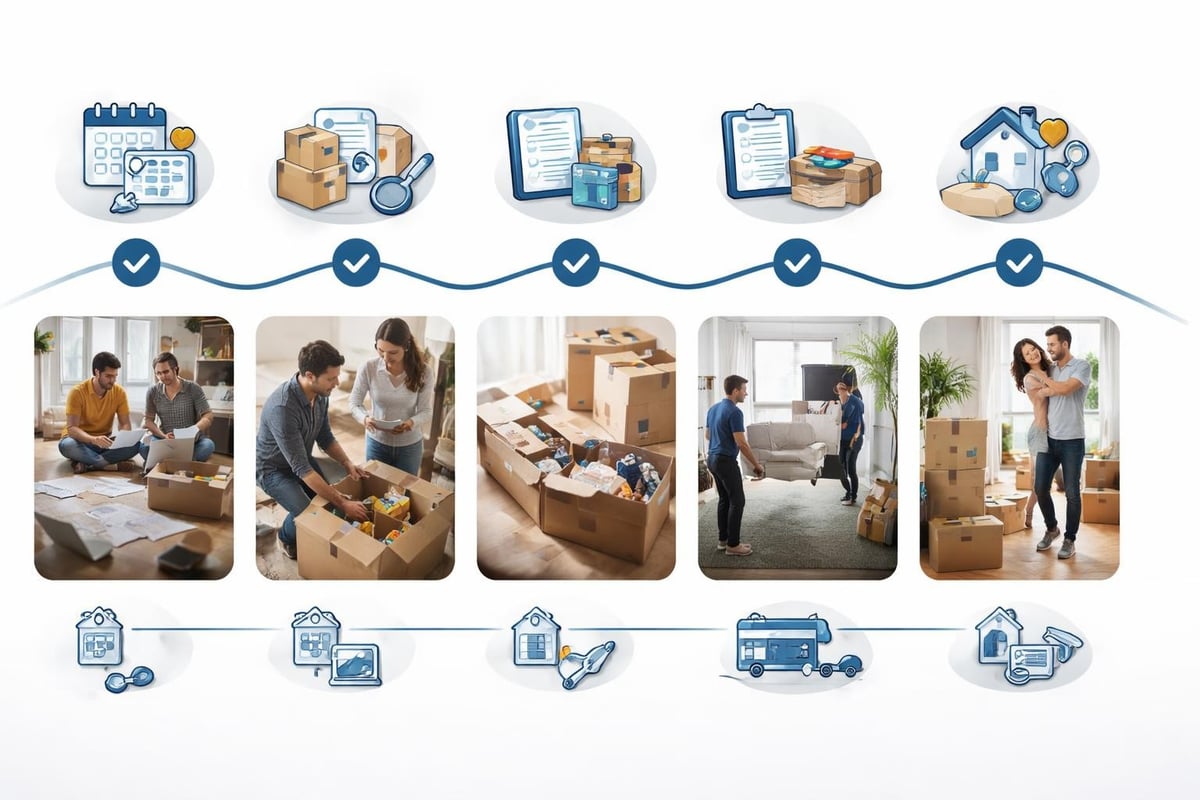
4-6 Weeks Before Moving Day
This middle phase focuses on logistics and practical preparations:
- Notify your current landlord or list your home for sale
- Research your new community including schools, medical providers, and essential services
- Begin collecting packing supplies or schedule professional packing services
- Transfer or cancel utilities at your current address
- Update your address with USPS, banks, credit cards, and subscription services
- Schedule specialty services for items like pianos or antiques
Many families underestimate the administrative burden of an interstate move. Creating a comprehensive checklist ensures nothing falls through the cracks during this busy period.
2-3 Weeks Before Moving Day
Final preparations intensify as your moving date approaches:
- Confirm details with your moving company including exact dates and contact information
- Begin serious packing of non-essential items
- Arrange travel accommodations if driving across multiple days
- Schedule final walk-throughs for rental properties
- Prepare an essentials box for immediate needs during transit
- Notify schools and medical providers of your departure date
For families withspecialized moving needs, such as military PCS relocations, this timeline may need adjustment based on assignment dates and military protocols.
Budgeting for Your Interstate Move
Interstate moving relocation costs vary dramatically based on distance, household size, services required, and timing. Understanding the pricing structure helps you budget accurately and avoid unexpected expenses.
Average Cost Breakdown
| Distance | 1-Bedroom | 2-Bedroom | 3-Bedroom | 4-Bedroom |
|---|---|---|---|---|
| 500 miles | $2,100-$3,400 | $3,200-$5,100 | $4,800-$7,500 | $6,400-$10,200 |
| 1,000 miles | $2,800-$4,600 | $4,300-$6,900 | $6,500-$10,200 | $8,700-$13,800 |
| 2,000 miles | $4,300-$7,100 | $6,600-$10,500 | $9,900-$15,700 | $13,200-$21,000 |
| Cross-country | $5,800-$9,500 | $8,900-$14,200 | $13,400-$21,300 | $17,800-$28,400 |
These estimates represent full-service moves with professional packing for average household weights. Your actual costs will depend on specific factors including accessibility at both locations, special item handling, and seasonal pricing variations.
Additional Costs to Consider
Beyond the base moving rate, budget for these common additional expenses:
- Packing materials: $200-$800 depending on household size
- Professional packing services: $500-$2,500 for full-service packing
- Additional insurance: $100-$500 for comprehensive coverage
- Storage fees: $80-$300 per month if needed
- Specialty item handling: $200-$1,500 for pianos, antiques, or artwork
- Travel expenses: Hotel rooms, meals, and fuel during transit
- Utility deposits and connection fees: $200-$600 at your new location
- Vehicle shipping: $600-$2,000 if transporting additional vehicles
Many people find thatprofessional packing servicessave both time and stress, even with the additional investment. Professional packers work efficiently and ensure proper protection for fragile items during long-distance transport.
Choosing the Right Interstate Moving Company
Your choice of moving company dramatically impacts your entire interstate moving relocation experience. The difference between a smooth, stress-free move and a nightmare scenario often comes down to selecting a properly licensed, experienced, and reliable company.
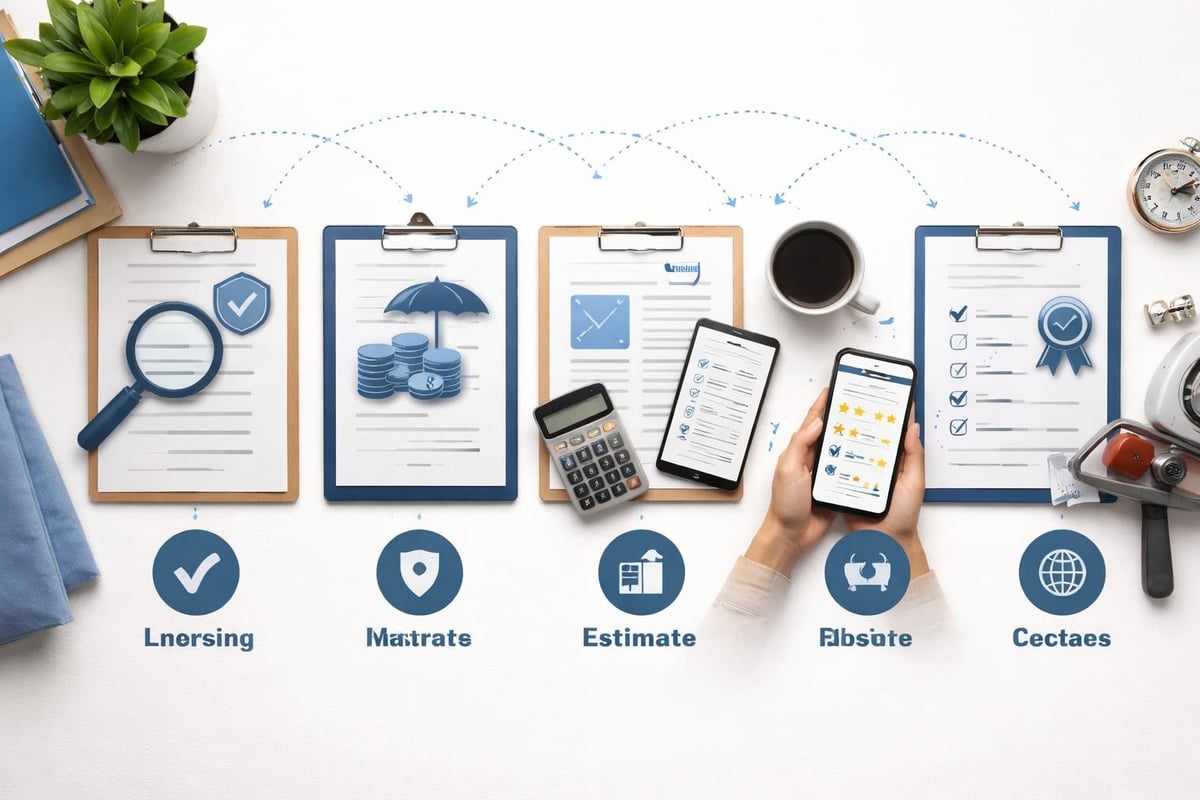
Essential Verification Steps
Never hire a moving company without thoroughly verifying their credentials.Check these specific items before signing any contract:
- Valid USDOT number and MC number for interstate authority
- Physical address (not just a P.O. box)
- Positive reviews across multiple platforms
- Proper insurance coverage meeting federal requirements
- Transparent pricing with written binding estimates
- Membership in professional organizations like AMSA
Theplanning processincludes thoroughly vetting potential moving companies to avoid common scams and unreliable operators.
Red Flags to Avoid
Certain warning signs indicate you should immediately look elsewhere:
- Requests for large deposits or cash-only payments
- Estimates provided without in-home inspection
- No physical address or vague company information
- Extremely low estimates compared to competitors
- Rental trucks instead of company-owned vehicles
- Unwillingness to provide written contracts
Trust your instincts. If something feels wrong during the estimate process, move on to another company. Reputable interstate movers welcome questions and provide clear, detailed answers about their services and pricing.
Packing Strategies for Long-Distance Moves
Interstate moving relocation demands more careful packing than local moves. Your belongings will spend days or weeks in transit, experiencing loading, unloading, and road vibrations that can damage improperly packed items.
Room-by-Room Packing Approach
Start with rooms you use least frequentlyand progress toward daily-use spaces. This strategy allows you to pack over several weeks without disrupting your household's normal function.
- Spare bedrooms and storage areas: Pack seasonal items, decorations, and rarely-used belongings first
- Living and dining rooms: Pack books, decorative items, and non-essential furniture pieces mid-process
- Bedrooms: Pack most clothing and linens during the final two weeks
- Kitchen: Pack this room last, keeping essential cookware until the final days
- Bathrooms: Pack non-daily items early, leaving toiletries for moving day
Protecting High-Value Items
Certain items require special packing attention for interstate transport:
| Item Category | Protection Strategy | Materials Needed |
|---|---|---|
| Electronics | Original boxes when possible, anti-static wrap, padding | Bubble wrap, foam corners, packing paper |
| Glassware | Individual wrapping, cell dividers, cushioned boxes | Dish pack boxes, packing paper, bubble wrap |
| Artwork | Cardboard corners, custom crating for valuable pieces | Mirror boxes, corner protectors, blankets |
| Fragile collectibles | Double boxing with cushioning between layers | Small boxes, foam peanuts, tissue paper |
| Important documents | Waterproof container, transport personally | Portable file box, plastic sleeves |
For particularly valuable or irreplaceable items, consider transporting them personally rather than loading them on the moving truck. Important documents, jewelry, family heirlooms, and critical medications should travel with you.
Managing Moving Day Logistics
Moving day for an interstate moving relocation involves more complexity than local moves. Professional coordination ensures everything proceeds smoothly from start to finish.
Pre-Loading Preparation
Before the moving crew arrives, complete these essential tasks:
- Final walkthrough: Check every room, closet, cabinet, and storage area for forgotten items
- Utilities verification: Confirm disconnection schedules won't interfere with the move
- Clear pathways: Remove obstacles from doorways, hallways, and stairs
- Protect floors: Lay down protective coverings if the moving company doesn't provide them
- Secure pets and children: Arrange for them to stay elsewhere during loading
- Prepare essentials boxes: Set aside items you'll need during transit
Keep your moving documents accessiblethroughout the day. You'll need your contract, inventory list, and contact information for the moving company readily available.
The Loading Process
Professional movers follow systematic loading procedures to maximize truck space and protect your belongings. Expect the loading process to take 3-8 hours depending on household size and accessibility.
During loading, the crew will:
- Wrap furniture in protective blankets and shrink wrap
- Create an inventory list with condition notes
- Load heavy items first, lighter boxes on top
- Secure everything to prevent shifting during transit
- Provide you with copies of all paperwork
Review the inventory carefully before signing.Note any pre-existing damage and ensure every item is listed. This documentation becomes critical if you need to file an insurance claim later.
Understanding Transit and Delivery
Once your belongings are loaded, they begin the interstate journey to your new home. Understanding the transit process helps set realistic expectations and reduces anxiety during the waiting period.
Typical Transit Times
Transit duration depends primarily on distance and routing. Mostinterstate moving companiesprovide delivery windows rather than exact dates.
- 500-800 miles: 2-5 business days
- 800-1,500 miles: 4-8 business days
- 1,500-2,500 miles: 7-14 business days
- Cross-country (2,500+ miles): 10-21 business days
These timeframes assume direct routing. If your household goods share truck space with other shipments, delivery may take longer. Companies sometimes consolidate loads to maximize efficiency, which can extend transit times.
Tracking Your Shipment
Reputable moving companies provide regular updates during transit. You should receive:
- Confirmation when loading completes with estimated delivery window
- Progress updates as the truck reaches key waypoints
- 24-48 hour notice before delivery
- Same-day contact from the driver on delivery day
Maintain open communication with your moving coordinator. If your delivery window passes without update, contact the company immediately to verify your shipment's status.

Setting Up Your New State Residence
Arriving in your new state marks the beginning of your settling-in process. Systematic organization during the first weeks establishes a comfortable foundation in your new community.
First Week Priorities
Focus on essential systems and immediate needsbefore tackling full unpacking:
- Test utilities and systems: Verify electricity, water, gas, heating/cooling, and internet function properly
- Unpack essentials: Set up beds, access toiletries, and prepare the kitchen for basic meal preparation
- Update your driver's license: Most states require this within 30-90 days of establishing residency
- Register vehicles: Transfer registration and update insurance to your new address
- Locate emergency services: Identify the nearest hospital, urgent care, and pharmacy
- Register children for school: Complete enrollment paperwork as early as possible
For comprehensive guidance onmoving to another state, research your specific state's requirements for new residents. Requirements vary significantly across states regarding timelines for license transfers, vehicle registration, and voter registration.
Legal and Administrative Updates
Interstate moving relocation triggers numerous administrative tasks beyond unpacking boxes:
- Update voter registration in your new state
- Transfer medical records to new healthcare providers
- Update insurance policies: Auto, home/renters, health, and life insurance
- File change of address with remaining contacts who didn't receive advance notice
- Update professional licenses if your work requires state-specific credentials
- Register pets according to local ordinances
- Update wills and estate documents to reflect your new state of residence
Some of these updates have legal deadlines. Prioritize time-sensitive requirements like driver's license transfers to avoid penalties.
Managing Storage During Interstate Moves
Many interstate moving relocation situations involve temporary storage. Whether you're downsizing, dealing with timing gaps between leaving one home and accessing the next, or simply need time to sort belongings,moving and storage solutionsprovide flexibility during transitions.
When Storage Makes Sense
Consider storage options if your situation includes:
- Closing date mismatches between selling and buying homes
- Downsizing from a larger home to smaller living space
- Uncertain housing arrangements in your destination state
- Extended travel before settling permanently
- Temporary housing while searching for permanent residence
- Renovation work needed before moving into your new home
Storage adds monthly costs to your moving budget, but the flexibility often justifies the expense during complex transitions.
Storage Options Comparison
| Storage Type | Best For | Average Cost | Accessibility |
|---|---|---|---|
| Container storage | Short-term needs, easy access | $150-$300/month | High - containers delivered to you |
| Warehouse storage | Long-term needs, large volumes | $100-$250/month | Medium - scheduled access |
| Self-storage | Frequent access needs | $80-$200/month | High - 24/7 access typical |
| Climate-controlled | Sensitive items, long-term | $125-$350/month | Varies by facility |
Choose storage based on how frequently you'll need access and what items you're storing. Delicate items like wooden furniture, electronics, or artwork require climate-controlled environments to prevent damage from temperature fluctuations and humidity.
Protecting Your Belongings with Proper Insurance
Standard moving company liability coverage for interstate moving relocation is minimal under federal regulations. Understanding your options helps you make informed decisions about protecting your household goods during transport.
Understanding Basic Coverage
Federal law requires moving companies to offer two basic protection levels:
Released Value Protectionprovides minimal coverage at no additional charge. This option covers belongings at 60 cents per pound per item. For a 50-pound television worth $1,500, you would receive only $30 in compensation if damaged.
Full Value Protectionrequires additional payment but covers repair, replacement, or cash settlement for damaged items at current value. This comprehensive option provides substantially better protection but increases your moving costs by $100-$500 depending on shipment value.
Additional Insurance Options
Consider supplemental insurance through:
- Your homeowner's or renter's insurance policy (check if it covers interstate moves)
- Third-party moving insurance providers
- The moving company's additional coverage options
- Separate policies for high-value specialty items
Review coverage limitations carefully. Many policies exclude certain items like cash, jewelry, important documents, or perishables. Transport these items personally rather than loading them on the moving truck.
Handling Specialty Items During Interstate Moves
Certain household items require specialized handling during interstate moving relocation. Pianos, antiques, artwork, and other valuable pieces need expert care to arrive safely at your new home.
Piano Moving Considerations
Pianos represent significant investments requiring professional expertise for safe transport across state lines. These instruments combine substantial weight with delicate internal mechanisms vulnerable to damage from improper handling or climate changes.
Professionalpiano moversuse specialized equipment including piano boards, skid plates, and custom padding designed specifically for instrument transport. They understand the importance of maintaining stable temperature and humidity levels during long-distance moves.
Expect piano moving to add $500-$2,000 to your total moving costs depending on piano type, stairs, distance, and accessibility challenges at both locations.
Other Specialty Items
Additional items requiring special attention include:
- Antiques and heirlooms: Custom crating, climate control, and additional insurance
- Artwork and sculptures: Professional wrapping, custom crating for valuable pieces
- Wine collections: Climate-controlled transport, specialized packing
- Gun safes and heavy equipment: Rigging equipment, additional labor
- Outdoor equipment: Drain fuel from lawn mowers, prepare grills, secure loose parts
Discuss specialty items during your initial estimate. Moving companies need to prepare appropriate equipment and personnel for handling these items safely.
Frequently Asked Questions About Interstate Moving Relocation
How far in advance should I book my interstate move?
Book your moving company 6-12 weeks before your preferred moving date, especially during peak season (May through September). Last-minute bookings often result in limited availability and higher prices.
Can I pack my own belongings for an interstate move?
Yes, you can pack yourself to save money. However, understand that moving companies typically don't assume liability for damage to self-packed boxes. Professional packing provides better protection and peace of mind for long-distance transport.
What items can't be transported across state lines?
Hazardous materials including paint, propane, ammunition, cleaning chemicals, and perishable food cannot be transported on moving trucks. Plants face restrictions in some states due to agricultural regulations. Discuss prohibited items with your moving company during the estimate process.
How do moving companies calculate costs for interstate relocations?
Interstate moves are priced based on shipment weight and distance. Additional factors affecting cost include packing services, specialty item handling, stairs or long carries, storage needs, and seasonal demand.
What happens if my belongings are delayed?
Reputable moving companies maintain communication throughout transit and work to resolve delays quickly. Your contract should specify remedies for extended delays. Document all communication and expenses if delays cause you to incur additional costs like temporary housing or replacement items.
For answers to additional questions, visit our comprehensiveFAQ sectioncovering all aspects of long-distance moving.
Resources for Interstate Moving Success
Planning your interstate moving relocation becomes more manageable with the right resources and support. Professional guidance helps you navigate the complexity of cross-country relocations with confidence.
Helpful Planning Tools
Utilize these resources during your planning process:
- Moving checklists customized for interstate relocations
- Budget calculators for estimating total costs
- State-specific guides for new resident requirements
- Community research tools for your destination area
- School comparison resources for families with children
TheUS Prime Movers blogprovides ongoing guidance, tips, and updates relevant to interstate moving planning and execution.
Professional Support Options
Working with experienced professionals eliminates much of the stress associated with interstate moving relocation. From initial planning through final unpacking, professional movers handle the heavy lifting while you focus on the transition to your new community.
When selectingprofessional movers, prioritize companies with proven interstate experience, proper licensing, comprehensive insurance, and transparent pricing. The investment in quality service pays dividends in reduced stress, protected belongings, and successful relocation outcomes.
Planning an interstate moving relocation involves dozens of decisions, timeline coordination, and attention to countless details, but systematic preparation makes the process manageable. By starting early, budgeting realistically, choosing experienced professionals, and staying organized throughout the process, your cross-country move can proceed smoothly from start to finish.US Prime Moversspecializes in interstate relocations across all 50 states, offering transparent pricing, comprehensive services, and the expertise needed to handle everything from standard household moves to specialty item transport, making your transition to a new state as stress-free as possible.