
Moving heavy furniture across state lines requires specialized skills, proper equipment, and careful planning. Whether you're relocating a complete household or just a few key pieces, understanding how professional furniture movers work can save you from costly damages, injuries, and logistical headaches. This comprehensive guide walks through everything you need to know about selecting, preparing for, and working with furniture movers to ensure your belongings arrive safely at your new home.
Understanding What Furniture Movers Actually Do
Professional furniture movers specialize in the safe transport of large, heavy, or delicate furniture items during relocations. Their expertise extends far beyond simply loading boxes into a truck.
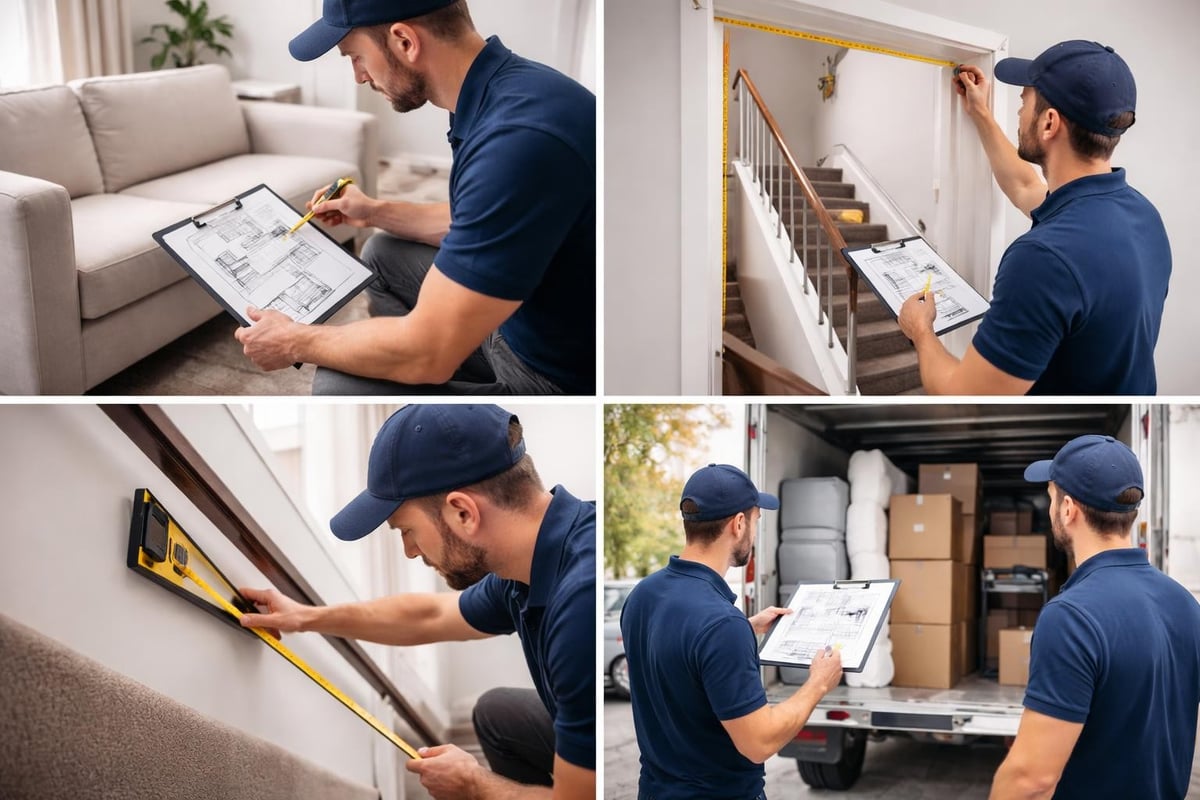
These specialists handle the complete moving process for furniture pieces. They assess each item's dimensions, weight, and fragility before creating a customized moving plan.Skilled movers know how to navigate narrow hallways, tight staircases, and challenging doorwaysthat homeowners often overlook during the planning phase.
The service typically includes disassembly of larger pieces, protective wrapping, strategic loading to prevent shifting during transport, and reassembly at the destination. For long-distance moves, furniture movers also understand how to secure items for multi-day journeys and changing weather conditions.
Different Types of Furniture Moving Services
Not all furniture moving services operate the same way. Understanding these distinctions helps you choose the right option for your needs.
Full-service furniture movershandle everything from packing to unpacking. They bring all necessary materials, disassemble furniture, wrap and protect each piece, load the truck strategically, transport your items, and reassemble everything at your destination. This option works best for complete household relocations or when you're moving valuable antique furniture that requires expert handling.
Partial-service optionslet you pick specific tasks. You might pack small items yourself but hire professionals for heavy lifting and transport. Many families choose this middle ground to control costs while ensuring furniture safety.
Specialty furniture moversfocus on particular item types. Piano movers, for instance, have specialized equipment like piano boards and climate-controlled trucks. Similarly, antique furniture movers understand period construction methods and use archival-quality wrapping materials.
| Service Type | What's Included | Best For | Typical Cost Range |
|---|---|---|---|
| Full-Service | Packing, loading, transport, unloading, unpacking | Complete household moves | $3,000-$8,000+ (interstate) |
| Partial-Service | Loading, transport, unloading only | Budget-conscious moves | $1,500-$4,000 (interstate) |
| Specialty Moving | Custom handling for specific items | Pianos, antiques, art | $500-$2,500 per item |
| Labor-Only | Loading/unloading help, no truck | DIY moves needing assistance | $200-$600 |
Preparing Your Furniture for Professional Movers
Proper preparation makes the moving process smoother and reduces the risk of damage. Start these steps at least two weeks before your scheduled moving date.
Begin by measuring all furniture pieces and doorways, hallways, and staircases in both your current home and destination. This simple step prevents surprises on moving day.Document measurements in a spreadsheetalong with photos of each furniture piece from multiple angles.
Remove all items from furniture before the movers arrive. Empty dresser drawers, clear shelves from bookcases, and take cushions off couches. While some items can stay in drawers for local moves,long-distance relocationsrequire completely empty furniture to prevent shifting and damage during transport.
Clean each furniture piece thoroughly. This accomplishes two goals: you'll spot existing scratches or damage to document before the move, and you'll prevent dirt from grinding into fabrics or finishes during the journey. Take photographs of any pre-existing damage for insurance purposes.
Disassembly Decisions and Documentation
Determine which furniture pieces need disassembly before moving day. Most professional furniture movers prefer to handle this themselves, as they know the proper techniques and have the right tools.
- Bed frames typically require complete disassembly
- Large dining tables often need leg removal
- Sectional sofas separate into smaller components
- Entertainment centers and modular shelving systems break down into manageable pieces
- Office furniture, especially desks with keyboard trays, benefit from partial disassembly
Keep all hardware organized. Request that movers place screws, bolts, and small parts in labeled plastic bags taped directly to the corresponding furniture piece. This prevents the frustrating search for missing hardware at your destination.
Create a simple inventory list with descriptions and condition notes. Number each furniture piece with removable labels that correspond to your inventory. This system helps track items during a complex move and ensures nothing gets left behind or misplaced.
Protecting Furniture During Long-Distance Transport
The protection methods furniture movers use directly impact whether your items arrive in pristine condition. Understanding these techniques helps you evaluate mover quality and ask the right questions.
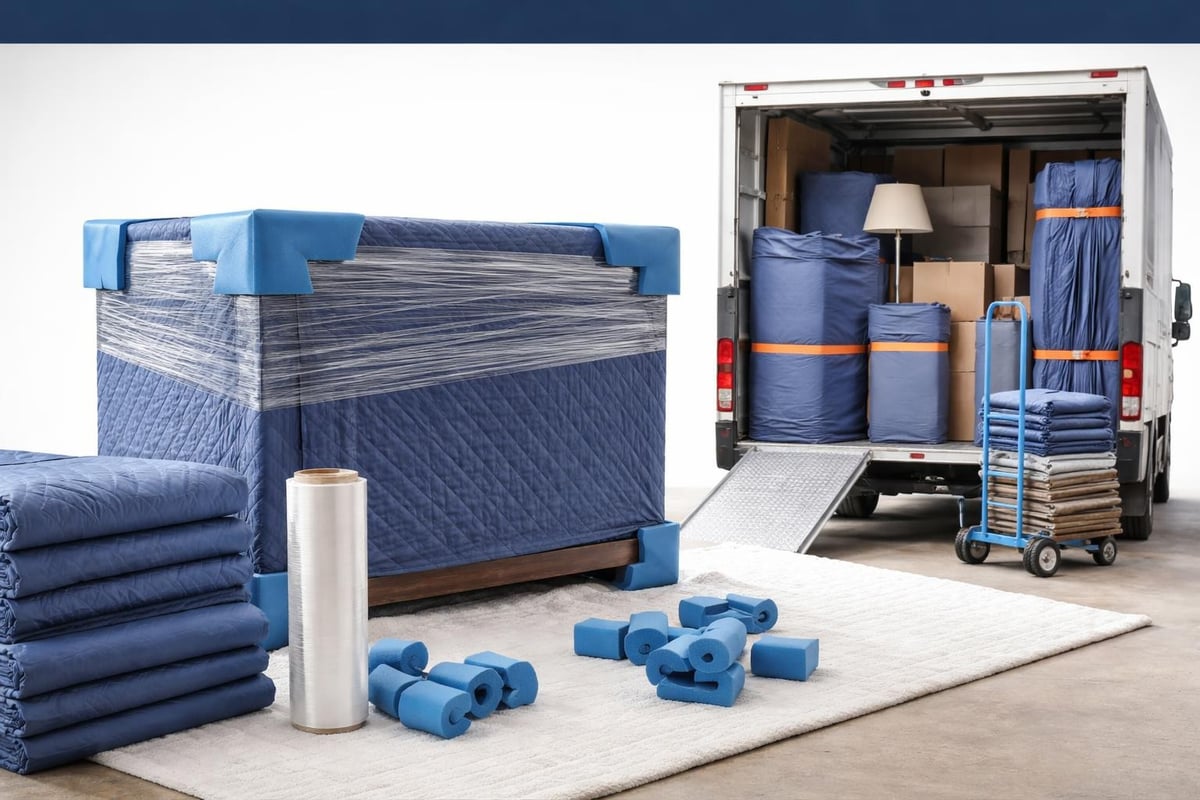
Professional movers employ multiple protection layers.Furniture pads(also called moving blankets) provide the first line of defense against scratches and dents. Quality movers use thick, quilted pads rather than thin cotton blankets. These pads wrap around entire pieces and secure with tape or stretch wrap.
Stretch wrap comes next, holding protective pads in place while adding moisture resistance. Movers apply this clear plastic film tightly around padded furniture, creating a weatherproof barrier. For upholstered furniture, this prevents stains from spills or weather exposure during loading and unloading.
Corner protectors and edge guards shield the most vulnerable furniture areas. These foam or cardboard pieces absorb impacts that commonly occur when navigating through doorways or tight spaces. TheWheaton guide on moving furnitureemphasizes this protective strategy as essential for damage prevention.
Strategic Loading and Truck Organization
How furniture movers load the truck matters as much as the protection materials they use. Professional loading follows specific principles that prevent damage during transport.
Heavier items go in first, positioned against the truck's front wall. This creates a stable foundation and prevents lighter items from getting crushed. Mattresses and box springs often stand vertically along the truck's walls, creating natural padding for other items.
Weight distributionacross the truck prevents shifting during acceleration, braking, and turns. Experienced furniture movers balance the load from side to side and front to back. They secure everything with tie-down straps anchored to the truck's interior mounting points.
Fragile furniture receives special positioning. Glass-topped tables, mirrors, and delicate chairs get loaded last so they're accessible for careful unloading. These items never go on the bottom where weight could crush them, and movers position them away from the truck walls where road vibrations hit hardest.
Selecting Qualified Furniture Movers
The furniture movers you choose determine your entire moving experience. Research and careful vetting prevent nightmares and protect your belongings.
Start with proper licensing verification. Interstate furniture movers must have a USDOT number from the Federal Motor Carrier Safety Administration. Check this number at theFMCSA websiteto confirm the company operates legally and review their safety record.
Insurance coverage comes in several forms.Released value protectionis the basic coverage required by law, but it only pays 60 cents per pound per item. This means a 100-pound antique dresser receives just $60 if damaged, regardless of actual value. Full value protection costs extra but covers repair, replacement, or cash settlement at current market value.
Request detailed written estimates from at least three furniture movers. Legitimate companies conduct in-home surveys (virtual or physical) to assess your furniture volume and moving challenges. Estimates should itemize all charges including labor, transportation, materials, and any special handling fees.
Red Flags and Warning Signs
Certain behaviors signal problematic furniture movers. Recognizing these warning signs protects you from scams and poor service.
Avoid companies that request large depositsbefore moving day. Reputable movers typically charge upon delivery. Similarly, furniture movers who provide estimates without seeing your furniture (even virtually) often lowball numbers to win your business, then increase charges dramatically on moving day.
Missing or outdated contact information raises concerns. Professional moving companies maintain physical office addresses, not just P.O. boxes. They answer phones during business hours and respond promptly to emails. Companies operating only through cell phones or without verifiable addresses often disappear when problems arise.
Check online reviews across multiple platforms, but read them critically. Look for patterns in feedback rather than focusing on individual complaints. How does the company respond to negative reviews? Professional furniture movers address concerns directly and offer solutions.
Cost Factors and Budgeting for Furniture Movers
Understanding how furniture movers calculate pricing helps you budget accurately and compare quotes effectively. Multiple variables influence the final cost.
Distance constitutes the primary cost driver for interstate moves. Furniture movers typically charge per mile once you exceed local moving ranges (usually 50-100 miles). For 2026, expect rates between $0.50 and $0.80 per pound for long-distance moves, plus fuel surcharges based on current diesel prices.
Furniture volume and weightdirectly impact pricing. Most companies estimate based on cubic feet or total weight. A typical three-bedroom home contains roughly 9,000-11,000 pounds of furniture and belongings. Larger or solid wood pieces increase costs substantially.
Timing affects rates significantly. Peak moving season (May through September) sees prices jump 20-40% above winter rates. Moving mid-month or mid-week typically costs less than month-end or weekend moves when demand peaks.
Additional Charges and Hidden Fees
Beyond basic transportation, several supplementary charges can appear on your furniture movers' final bill.
- Long carry fees apply when the truck cannot park within 75-100 feet of your entrance
- Stair charges add $50-$100 per flight for buildings without elevator access
- Shuttle service fees occur when large moving trucks cannot access narrow streets, requiring a smaller truck transfer
- Storage-in-transit charges apply if delivery cannot occur immediately
- Packing services add $300-$1,500 depending on household size and materials needed
Professionalpacking servicessave time and ensure proper furniture protection, but they increase overall costs. Some families compromise by having movers pack only fragile or valuable furniture while handling everyday items themselves.
| Move Distance | Average Cost | Typical Timeline | Best Season |
|---|---|---|---|
| 500 miles | $2,200-$3,800 | 2-4 days | October-April |
| 1,000 miles | $3,500-$5,500 | 4-7 days | January-March |
| 2,000+ miles | $5,000-$9,000 | 7-14 days | November-February |
Working With Furniture Movers on Moving Day
The actual moving day requires your active participation to ensure everything proceeds smoothly. Preparation the night before sets you up for success.
Confirm arrival time with your furniture movers 24-48 hours before the scheduled date. Most companies provide a window (such as 8 AM-12 PM) rather than an exact time. Be ready at the window's opening, as movers often arrive early if they finish a previous job ahead of schedule.
Conduct a walk-through with the moving crew leader before work begins. Point out furniture pieces requiring special care, demonstrate how custom shelving disassembles, and clarify which items stay versus go. This prevents confusion and ensures everyone understands the plan.
Keep children and pets in a separate, safe areaduring the move. This protects them from injury and allows furniture movers to work efficiently without worrying about small obstacles underfoot.
Communication and Documentation Best Practices
Clear communication prevents misunderstandings and ensures your expectations align with the movers' approach.
Ask questions throughout the process. If you see furniture movers handling something in a way that concerns you, speak up politely. Professional movers appreciate clarification rather than dealing with damage claims later. Reputable companies, including those specializing ininterstate moving, welcome customer input.
Take photos and videos during loading. Document furniture condition as it goes onto the truck and the truck's interior organization. This visual record proves invaluable if damage claims arise later.
Review all paperwork before signing. The bill of lading lists all furniture and boxes loaded onto the truck. This inventory becomes your legal document for tracking items and filing claims. Read it carefully and note any existing damage or concerns before adding your signature.
Special Considerations for Valuable and Antique Furniture
Certain furniture pieces demand extra attention and specialized handling techniques. Knowing when to call for specialty furniture movers protects irreplaceable items.
Antique furniture presents unique challenges. Period construction often used different joinery methods than modern pieces, making them more fragile during moves. Dovetail joints, hide glue, and veneer work require understanding and gentle handling. According toThis Old House furniture moving guide, antique wooden furniture benefits from climate-controlled transport to prevent expansion and contraction damage.
Temperature and humidity fluctuationsdamage fine furniture. Cross-country moves expose pieces to varying climates. Quality furniture movers use climate-controlled trucks or schedule routes to minimize temperature extremes. For valuable antiques, this protection justifies higher costs.
Document provenance and value before moving antiques. Professional appraisals establish worth for insurance purposes. Share this information with your furniture movers so they understand items requiring the highest care level.
Handling Oversized and Awkward Furniture
Some furniture pieces challenge even experienced movers due to size, weight, or unusual shapes.
Grand pianos rank among the most difficult items to move. These instruments can weigh 600-1,200 pounds and contain delicate internal mechanisms. Specialized piano movers use piano boards, skid plates, and climate-controlled trucks. The cost reflects this expertise, typically ranging from $800-$2,500 for interstate moves.
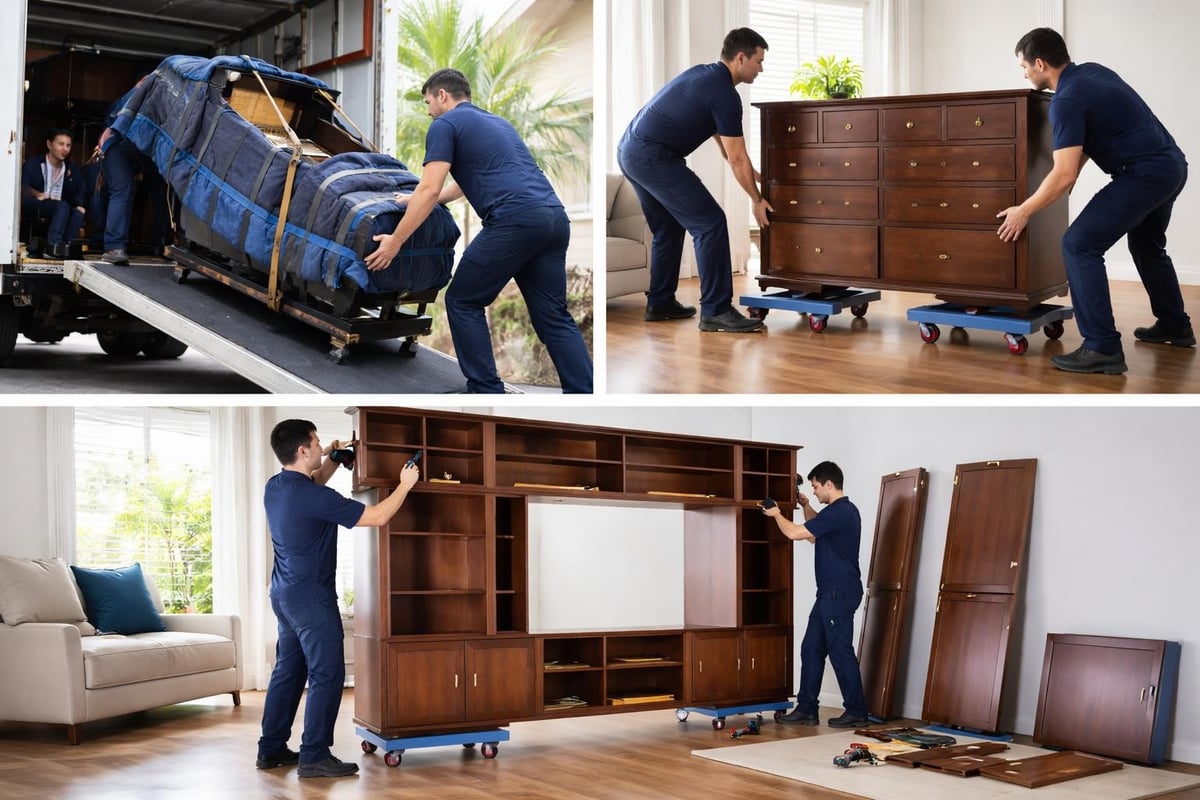
Large entertainment centers and wall units often require complete disassembly. Furniture movers photograph each step during disassembly and label all components. This systematic approach ensures successful reassembly at the destination.
Sectional sofas need strategic planning. Modern sectionals include recliners, cup holders, and built-in USB ports, adding complexity. Furniture movers disconnect electrical components properly, label each section's position, and keep all hardware organized.
Common Furniture Moving Mistakes to Avoid
Even with professional furniture movers, certain mistakes can complicate your move. Awareness helps you sidestep these common pitfalls.
Failing to declutter before movingwastes money transporting furniture you don't need. Evaluate each piece critically. Does it fit your new space? Do you actually use it? Selling or donating unnecessary furniture before the move reduces transportation costs and simplifies unpacking. TheLivingetc guide on moving mistakesidentifies this as a top regret among people who recently relocated.
Underestimating the time needed for furniture disassembly delays your entire moving schedule. If you plan to handle disassembly yourself rather than leaving it to furniture movers, start at least a week before moving day. Complex pieces take longer than expected.
Neglecting to measure doorways and furniture creates moving day disasters. That oversized sectional might not fit through your new apartment's entry door. Discovering this after the truck arrives leads to expensive problems. Always measure twice and compare dimensions against both locations.
Insurance and Claims Issues
Insurance mistakes rank among the most costly moving errors, yet they're entirely preventable with proper planning.
Assuming homeowner's insurance covers moving damage leads to unpleasant surprises. Most homeowner's policies exclude items during transit. Verify your coverage before moving day, and purchase additional protection if needed. Full value protection from furniture movers costs roughly $100-$200 per $10,000 of coverage for long-distance moves.
Delaying damage claimsreduces your chances of reimbursement. Most furniture movers require claim notification within specific timeframes, often 24-48 hours for visible damage and 7-10 days for concealed damage. Document everything immediately upon delivery, before the moving crew leaves.
Failing to read the moving contract thoroughly causes problems. Pay special attention to liability limitations, claim procedures, and delivery windows. Understanding these terms before signing prevents disputes later.
Timing Your Furniture Move Strategically
When you schedule your move impacts everything from cost to availability to stress levels. Strategic timing makes the entire process smoother.
Book furniture movers 6-8 weeks ahead for summer moves, 4-6 weeks for off-season relocations. Peak season (May-September) sees limited availability, especially for cross-country routes. Last-minute bookings during this period often mean accepting higher rates or less experienced crews.
Mid-month and mid-week movesoffer significant advantages. Most leases start on the first of the month, creating massive demand for furniture movers during that period. Moving on the 15th typically saves 15-25% on costs and ensures greater crew availability.
Consider your destination's weather and climate. Moving to Florida during hurricane season (June-November) risks delays. Snow and ice complicate winter moves to northern states. Research typical weather patterns for your route and destination, building in flexibility for potential delays.
Coordinating Furniture Delivery Timing
The gap between furniture pickup and delivery requires planning, especially for long-distance moves. Understanding delivery windows helps you prepare appropriately.
Interstate furniture movers typically provide delivery ranges rather than specific dates. A 1,500-mile move might have a 5-10 day delivery window. This flexibility allows companies to optimize routes and consolidate shipments, reducing costs. However, it means you need a plan for the interim period.
Moving and storagesolutions bridge timing gaps when your new home isn't ready for immediate delivery. Reputable movers offer climate-controlled storage facilities where furniture remains safe until you're ready for delivery. This service typically adds $100-$300 per month depending on volume.
Plan essential furniture delivery separately if needed. If your moving window spans two weeks, consider keeping bedroom furniture and basic seating with you via your personal vehicle or a smaller rental truck. This ensures you have somewhere to sleep and sit while awaiting the main shipment.
Protecting Your Home During the Moving Process
Furniture movers can inadvertently damage your property even when exercising care. Proactive protection prevents costly repairs to both your current and new homes.
Floor protection starts before furniture movers arrive. Lay down thick cardboard, ram board, or plastic runners along main pathways from the entrance to each room. This simple step prevents scratches on hardwood, scuffs on tile, and snags in carpet. The investment costs $50-$150 but potentially saves thousands in flooring repairs.
Doorway and wall protectionmatters equally. Furniture movers should install corner guards and door jamb protectors, but verify they do. Narrow hallways and tight turns create the greatest damage risk. Door frames, particularly those with decorative molding, scratch easily when carrying large furniture pieces.
Elevator and stairwell protection applies to apartment and condo moves. Building management often requires protective padding in common areas. Confirm who provides this protection (you or the moving company) and any associated fees. Some buildings charge damage deposits that you'll only recover if no damage occurs.
TheMovingPlace furniture protection guideemphasizes securing furniture inside the truck as equally important as protecting the home environment. Items shifting during transport can damage the truck's interior, resulting in additional charges.
Questions to Ask Furniture Movers Before Hiring
The right questions during your selection process reveal company quality and prevent unpleasant surprises. Ask these specific questions to every company you're considering.
How long have you been in business, and do you have experience with my specific route?Longevity indicates stability, and route experience means understanding local regulations, weigh stations, and optimal paths. Companies specializing in certain corridors often provide more accurate timing estimates.
What training do your furniture movers receive? Professional companies invest in employee training covering proper lifting techniques, furniture protection methods, and customer service. Training programs reduce damage rates and improve overall service quality.
Can you provide references from recent customers who moved similar furniture? Speaking with previous clients reveals how the company handles challenges. Ask references about communication quality, damage rates, and whether final costs matched estimates.
Insurance and Liability Questions
Understanding coverage details prevents nasty financial surprises if damage occurs.
- What insurance coverage do you carry, and what does it cover?
- What additional protection options exist, and what do they cost?
- How does the claims process work, and what documentation do you require?
- What items or damage types fall outside coverage?
- Do you subcontract any work, and how does that affect insurance coverage?
Furniture movers should answer these questions clearly and provide written documentation of coverage terms. Vague responses or reluctance to discuss insurance indicates potential problems.
DIY Furniture Moving vs. Professional Services
Some households consider moving furniture themselves to save money. Understanding the true costs and risks helps you make an informed decision.
Rental truck costsrepresent just one expense in DIY moving. Factor in fuel (major expense for cross-country trips), tolls, lodging if the journey requires multiple days, meals on the road, packing materials, equipment rental (dollies, furniture pads, tie-down straps), and your time value. For a 1,500-mile move, these expenses often total $2,000-$3,500 before considering physical labor.
Injury risk increases dramatically with DIY furniture moving. According to theMovers.com guide on safely carrying furniture, improper lifting techniques cause thousands of moving-related injuries annually. Back injuries, crushed fingers, and muscle strains can result in medical bills far exceeding professional mover costs. Professional furniture movers carry insurance covering worker injuries, protecting you from liability.
Damage to furniture during DIY moves occurs frequently. Without proper equipment, techniques, and experience, even careful individuals scratch hardwood finishes, dent metal components, and break delicate joints. Replacing damaged furniture often costs more than professional moving services would have.
The Future of Furniture Moving Services
Technology and innovation continue transforming how furniture movers operate, creating benefits for customers planning relocations in 2026 and beyond.
GPS tracking and real-time updates have become standard features. Many furniture movers now offer apps showing exactly where your truck is during transit. This transparency reduces anxiety and helps you plan delivery timing more precisely.Real-time tracking systemsallow monitoring your furniture's journey from pickup through delivery.
Virtual surveysreplace in-home estimates for many moving companies. Using smartphone video calls, furniture movers assess your belongings remotely, creating detailed inventories without requiring anyone to visit your home. This convenience accelerates the estimation process and works perfectly for busy families.
Environmentally conscious moving practices gain traction across the industry. Furniture movers increasingly use reusable plastic crates instead of cardboard boxes, biodiesel fuel for trucks, and recyclable packing materials. These practices reduce environmental impact while often providing superior furniture protection.
Inventory management technology improves tracking accuracy. Professional furniture movers use barcode scanning systems that create digital records of every item loaded onto trucks. This technology virtually eliminates lost items and streamlines delivery verification.
Professional furniture movers transform the stressful process of relocating into a manageable, organized experience when you choose qualified professionals and prepare properly. The investment in expert handling protects your valuable furniture while giving you peace of mind during a major life transition.US Prime Moversbrings family-owned care and nationwide expertise to every long-distance relocation, handling everything from standard household furniture to specialty items like pianos and antiques with the attention and protection they deserve. Contact us today for a free, transparent quote and experience the difference that fully licensed, insured, and professionally trained movers make in your cross-country journey.